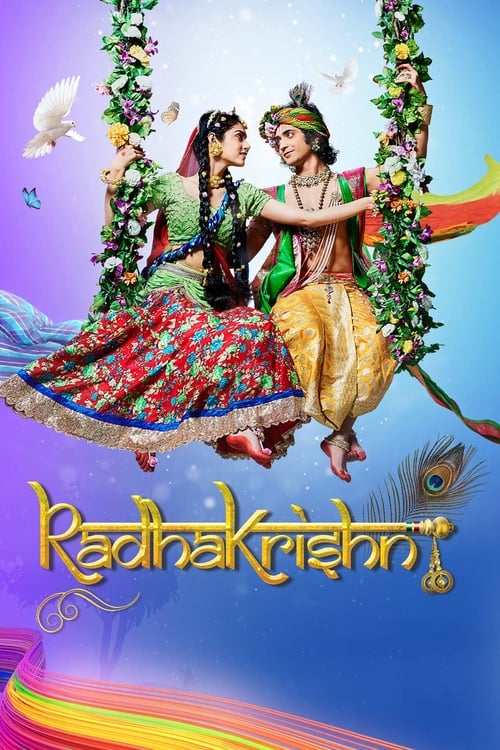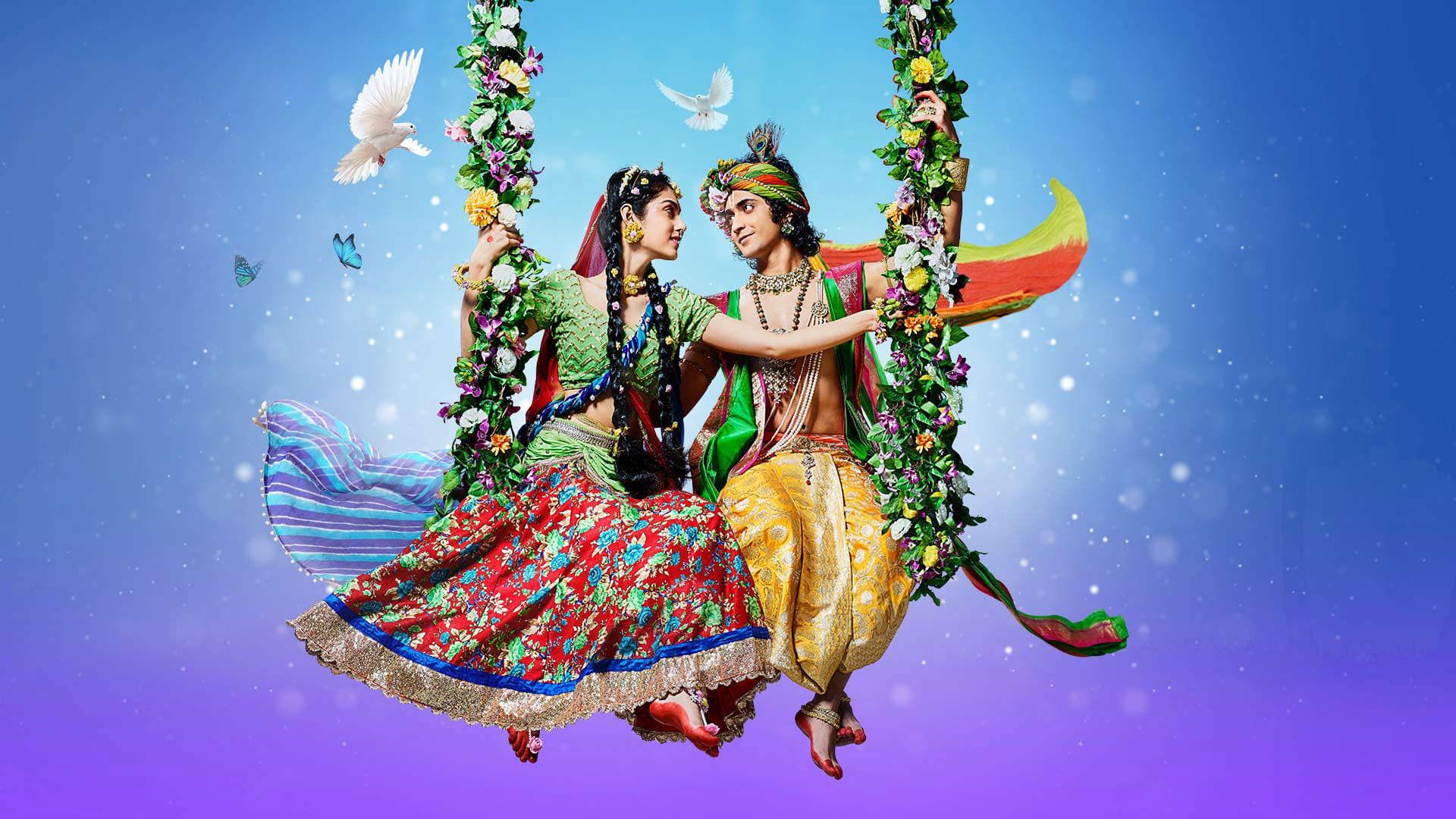
When RadhaKrishn debuted on Star Bharat in October 2018, it arrived at a fascinating moment in Indian television—one where audiences were increasingly hungry for stories that could blend devotional reverence with contemporary entertainment sensibilities. What Siddharth Kumar Tewary created turned out to be something that defied easy categorization, which might be precisely why it captured the imagination of millions. This wasn’t just another mythological retelling; it was a love story wrapped in spiritual philosophy, delivered through the lens of drama, family values, comedy, and genuine adventure.
The sheer scale of what this show accomplished speaks volumes. Over four seasons and 1,145 episodes, RadhaKrishn maintained a remarkable consistency that kept audiences returning week after week. That’s not accidental—that’s a testament to storytelling discipline and a deep understanding of what made viewers tick. The 9.0/10 rating reflects something meaningful: people weren’t just watching this show passively; they were invested in it, debating it, celebrating it. When a series can sustain that level of engagement across such an extended run, you’re looking at something that transcended typical television programming.
The creative ambition here was genuinely bold. Kumar Tewary orchestrated a balancing act that could have easily toppled into melodrama or preachy mythology lessons. Instead, he created a narrative space where:
- The central relationship between Radha and Krishna felt contemporary and emotionally resonant, despite being rooted in ancient text
- Comic relief never undermined the spiritual undertones of the story
- Action sequences served narrative purpose rather than mere spectacle
- Family dynamics explored complex relationships—loyalty, sacrifice, misunderstanding, and reconciliation
- The soap opera elements created genuine stakes that viewers cared about deeply
The 40-minute episode runtime was crucial to this balance. It’s a sweet spot that allowed each episode to breathe while maintaining momentum across the larger narrative arc. This wasn’t a 22-minute sitcom structure, nor was it a 60-minute prestige drama format. It was the perfect vessel for the kind of storytelling Kumar Tewary wanted to tell.
What really set RadhaKrishn apart in the cultural conversation was how it approached its source material with both reverence and creative freedom. The show managed to spark meaningful discussions about spirituality, devotion, and romantic love in a way that felt authentic rather than forced. Audiences who might have walked in expecting a straightforward religious program found themselves watching something far more nuanced—a meditation on love, duty, and the complexities of human connection.
> The show proved that Indian television didn’t have to choose between artistic merit and mass appeal, between spiritual authenticity and entertainment value.
There were moments in this series that became iconic in ways the creators might not have predicted. Certain episodes didn’t just generate viewership spikes; they sparked widespread conversation on social media, became reference points in cultural discussions, and demonstrated the power of well-executed television to move audiences emotionally. The chemistry between leads, the revelation moments, the philosophical debates woven into dialogue—these weren’t just entertaining; they were culturally significant.
The journey of RadhaKrishn from its 2018 premiere to its eventual conclusion represents something important about the evolution of Indian television. When the show ended, it left behind not just memories of individual episodes but a legacy of what’s possible when you combine commercial viability with creative ambition. The show’s end status reflects a complete story told, rather than a cancellation—there’s dignity in that.
What made this show resonate so deeply with audiences:
- Emotional authenticity – Behind the mythological framing, the relationships felt genuinely real and complex
- Tonal sophistication – Drama, comedy, action, and family elements wove together seamlessly rather than competing
- Narrative commitment – 1,145 episodes dedicated to exploring facets of a relationship and spiritual journey without losing coherence
- Cultural timing – It arrived when television audiences were ready for this specific kind of storytelling
The broader impact on the television landscape shouldn’t be understated. RadhaKrishn demonstrated that mythological dramas could achieve both critical respect and massive viewership. It opened conversations about how religious and spiritual narratives could be told with sophistication and complexity on mainstream television. Shows that followed in its wake would inherit a roadmap that Kumar Tewary’s vision had essentially created.
What endures about RadhaKrishn is how it treated its audience like intelligent viewers capable of engaging with multiple layers simultaneously. You could watch it as a love story, as a spiritual exploration, as family drama, or as pure entertainment—it worked on all those frequencies. That versatility, combined with consistent execution across four full seasons, is why the show earned its impressive rating and why it continues to be discussed among serious television enthusiasts.
In the landscape of Indian television, RadhaKrishn remains a touchstone—proof that ambitious, multifaceted storytelling can find massive audiences and create something that genuinely lasts.