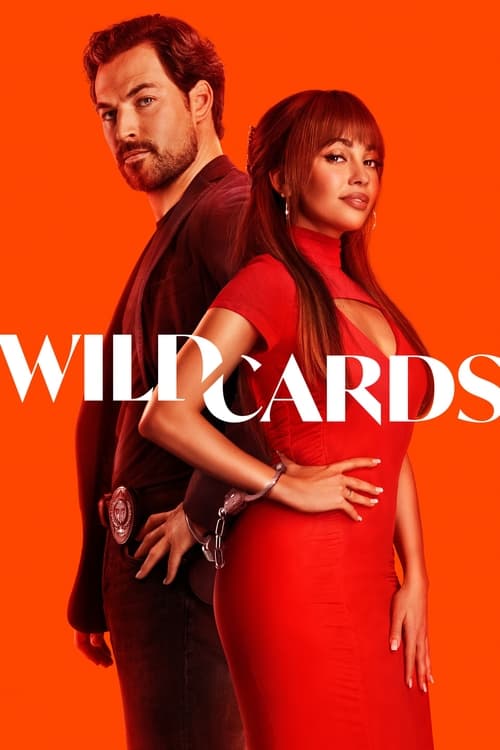
Have you caught Wild Cards yet? If not, you’re missing one of the more refreshingly inventive shows to debut in recent memory. When it premiered on January 10th, 2024, on CBC Television, it arrived with something that feels increasingly rare in drama—a genuine sense of playfulness mixed with real narrative stakes. Created by Michael Konyves, the series manages to be simultaneously lighter than your typical prestige drama while still delivering the kind of character work and mystery that keeps you genuinely invested.
What strikes you immediately about Wild Cards is how confidently it straddles multiple genres. It’s drama, comedy, and mystery all working in concert, but never in a way that feels schizophrenic or uncertain. The 45-minute episode format gives Konyves and his team enough breathing room to develop each element properly—there’s time for character moments to land, for comedic beats to breathe, and for mystery threads to actually accumulate weight. This isn’t a show rushing through plot; it’s one that understands how to use its runtime to create texture.
The show has developed a genuinely devoted following across its three-season run, which has accumulated 28 episodes so far. That’s not a massive output, but it’s enough to establish something real—enough to prove the concept works, that audiences want this particular blend of tones. The 7.1 rating might seem modest on the surface, but consider what that represents: a show that’s critically respected while maintaining broad accessibility. It’s not chasing the algorithm with shock value or manufactured controversy. Instead, it’s earned its audience through actual storytelling.
> The real achievement here is creating a space where a scene can be genuinely funny, emotionally resonant, and thematically meaningful all at once.
Part of what makes Wild Cards work so well is that it refuses to choose a lane. The comedy doesn’t undercut the drama—it actually deepens it. When characters crack jokes under pressure, it feels authentic to how humans actually cope with tension rather than a tonal failure. This is Michael Konyves understanding something fundamental about ensemble storytelling: relationships are where both comedy and drama live. You don’t have to choose between them if your character work is solid enough.
The show’s availability across multiple platforms—CBC Television, Amazon Prime Video, YouTube TV, and Amazon Prime Video with Ads—signals how the industry has recognized something worth distributing widely. It’s not locked behind a single streaming wall; it’s built to find its audience wherever people are watching. That democratization of access probably contributed significantly to the organic word-of-mouth that’s kept the show growing through its seasons.
What’s particularly interesting about Wild Cards in the current television landscape is how it operates as a returning series. There’s a confidence in that designation. The creators weren’t making a show that felt designed to wrap up in one season with maximum emotional impact. Instead, they built something that could sustain itself—a world with enough complexity and enough character dynamics that you genuinely want to return to it season after season. That’s harder to pull off than it looks.
The mystery elements deserve special attention because they’re woven in with real sophistication. This isn’t a show that treats its procedural elements as mere scaffolding for character drama. The cases, the puzzles, the revelations—they all matter because they challenge and change your understanding of the people involved. By the end of season three, you’ve watched these characters navigate situations that have genuinely tested them, and you’ve seen how those experiences accumulate.
- Season 1 established the tone and the central ensemble dynamic
- Season 2 deepened character relationships while raising the stakes of the mysteries
- Season 3 brought complexity to long-form plotting while maintaining that signature blend of levity and tension
There are moments from this show that have stuck with audiences—scenes that people reference when discussing why they love it, moments that sparked genuine conversation online. Wild Cards gave people something to talk about beyond just “did you watch it?” People discuss how it handled particular character beats, why certain revelations worked, what the show was trying to say about trust and deception and loyalty.
The creative achievement here shouldn’t be understated. Konyves envisioned something that felt like it shouldn’t work on paper—this tonal mixture, this genre blend—but through execution and performance and confidence in the material, it absolutely does. The show trusts its audience to sit with complexity, to enjoy humor alongside stakes, to care about mysteries and characters with equal intensity.
If you’re looking for a show that rewards genuine attention without demanding you suffer through bloat, Wild Cards is precisely that. It’s neither precious about its dramatic moments nor dismissive of its comedic ones. It’s a show that understands that the best television comes from genuine collaboration between writers, performers, and audience—where everyone’s allowed to be smart, and where a good story told well is still something worth celebrating, even in 2024 and beyond.