When Caught Stealing premiered in August 2025, it arrived with the kind of pedigree that made cinephiles sit up and pay attention. Darren Aronofsky, a director known for pushing narrative boundaries and visual intensity, partnering with Columbia Pictures on a crime-comedy thriller felt like an intriguing collision of artistic ambition and studio machinery. What emerged was a film that didn’t quite conquer the box office—it made $32.7 million against a $40 million budget—but left something more interesting behind than a simple numbers game: a reminder that sometimes the most worthwhile films are the ones that refuse easy categorization.
The genius of Caught Stealing lies in its commitment to tonal balance. That tagline—”2 Russians, 2 Jews, and a Puerto Rican walk into a bar…”—isn’t just clever marketing; it’s a philosophical statement about what Aronofsky was attempting. In an era where crime thrillers often choose between gritty authenticity and comedic relief, this film threads a needle most directors wouldn’t attempt. At 107 minutes, there’s no wasted space; every scene serves the dual purpose of advancing the plot while mining comedy from genuinely dangerous situations. It’s a structure that demands precision, and the cast rose to that challenge in ways that elevated the material considerably.
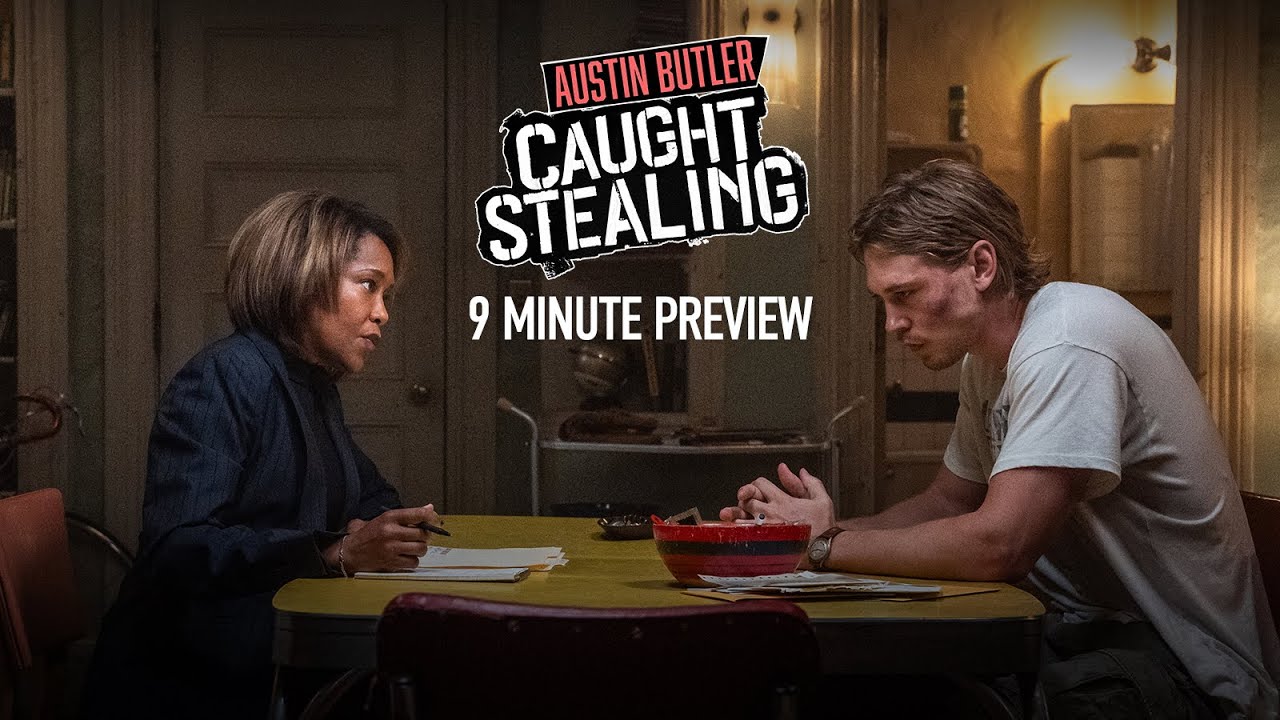
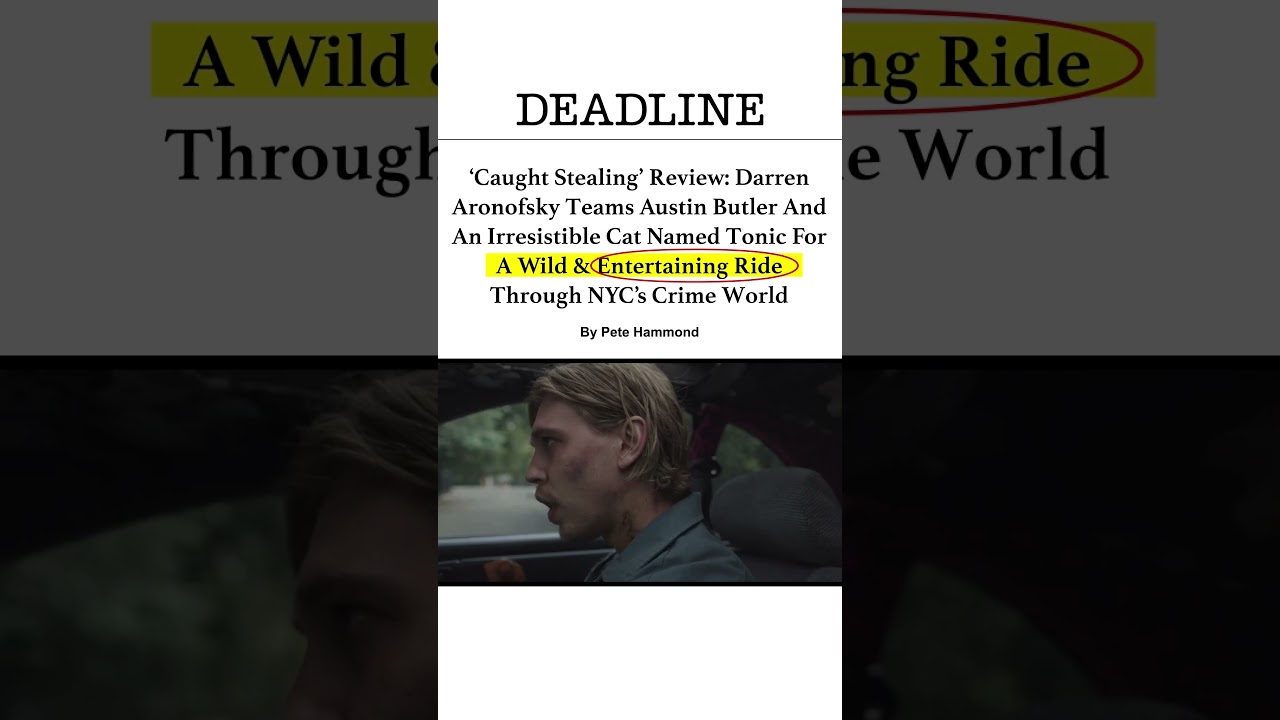
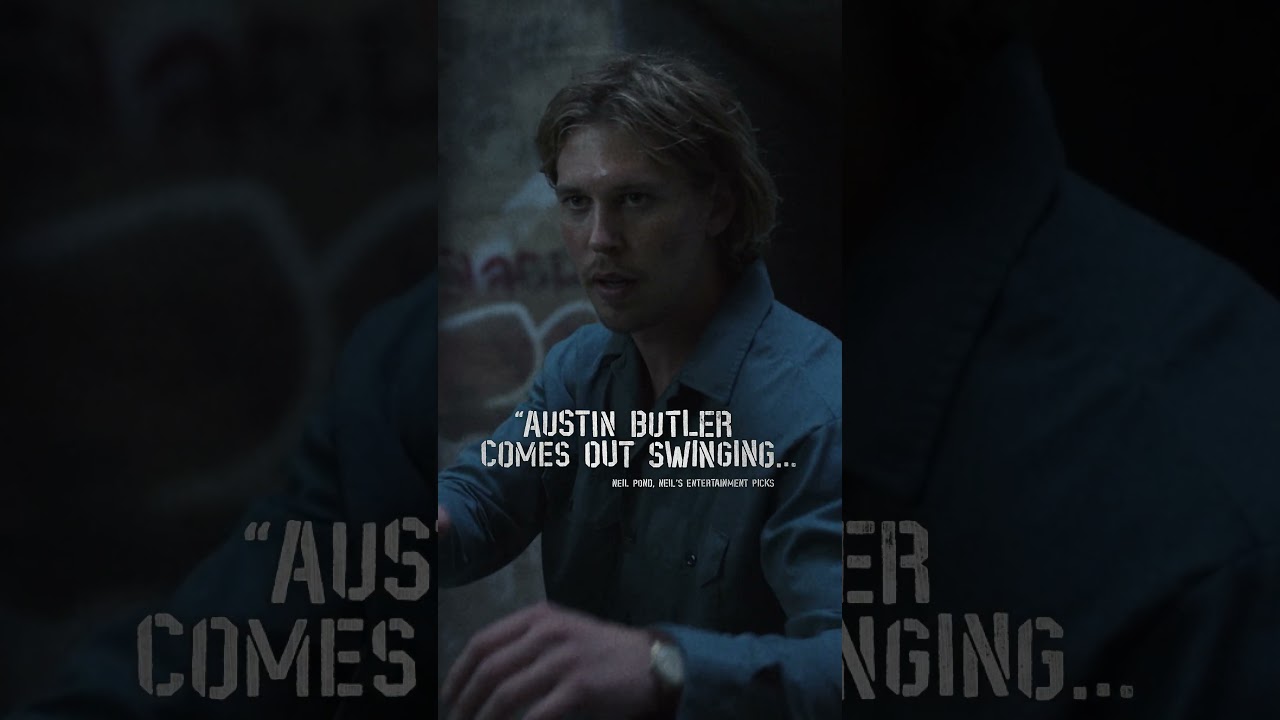
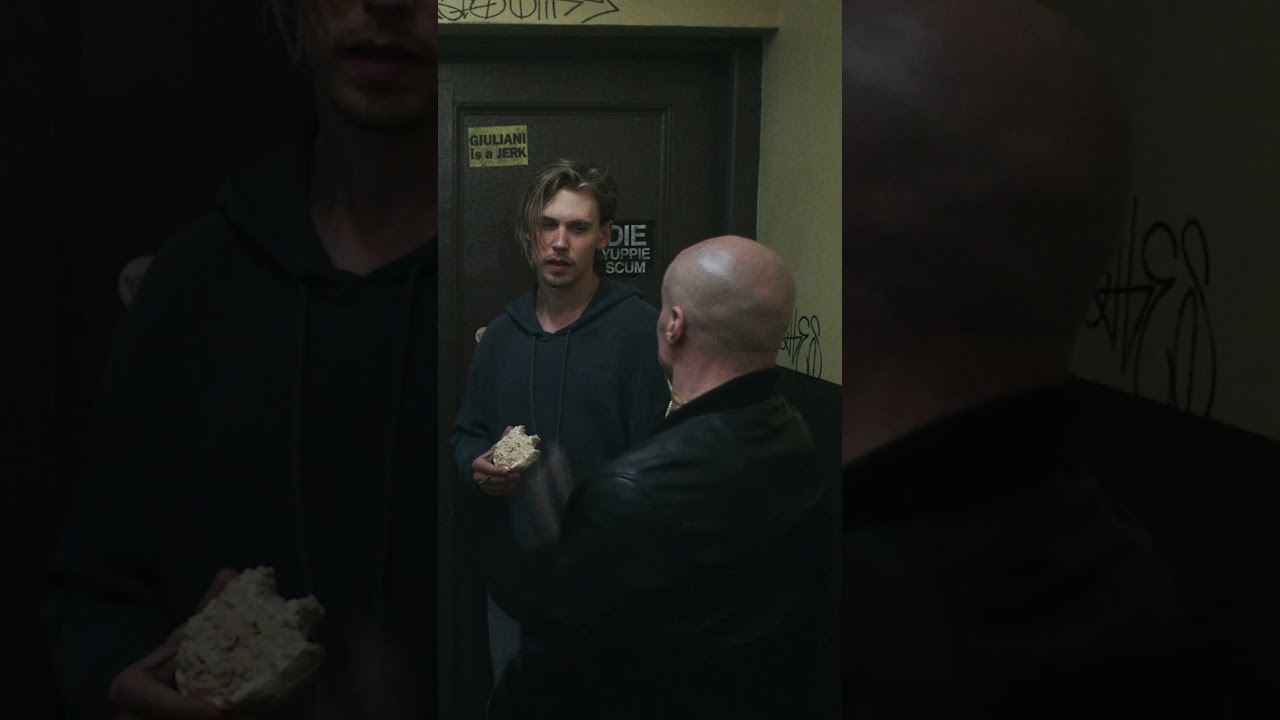
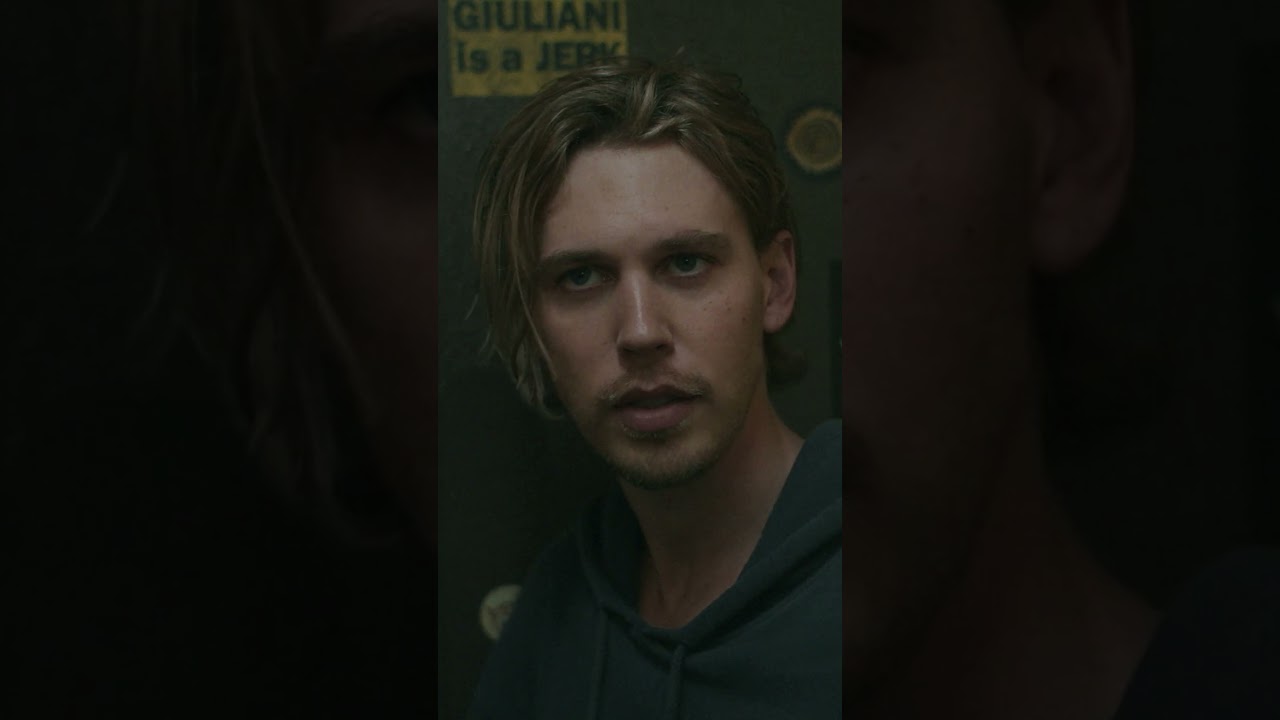
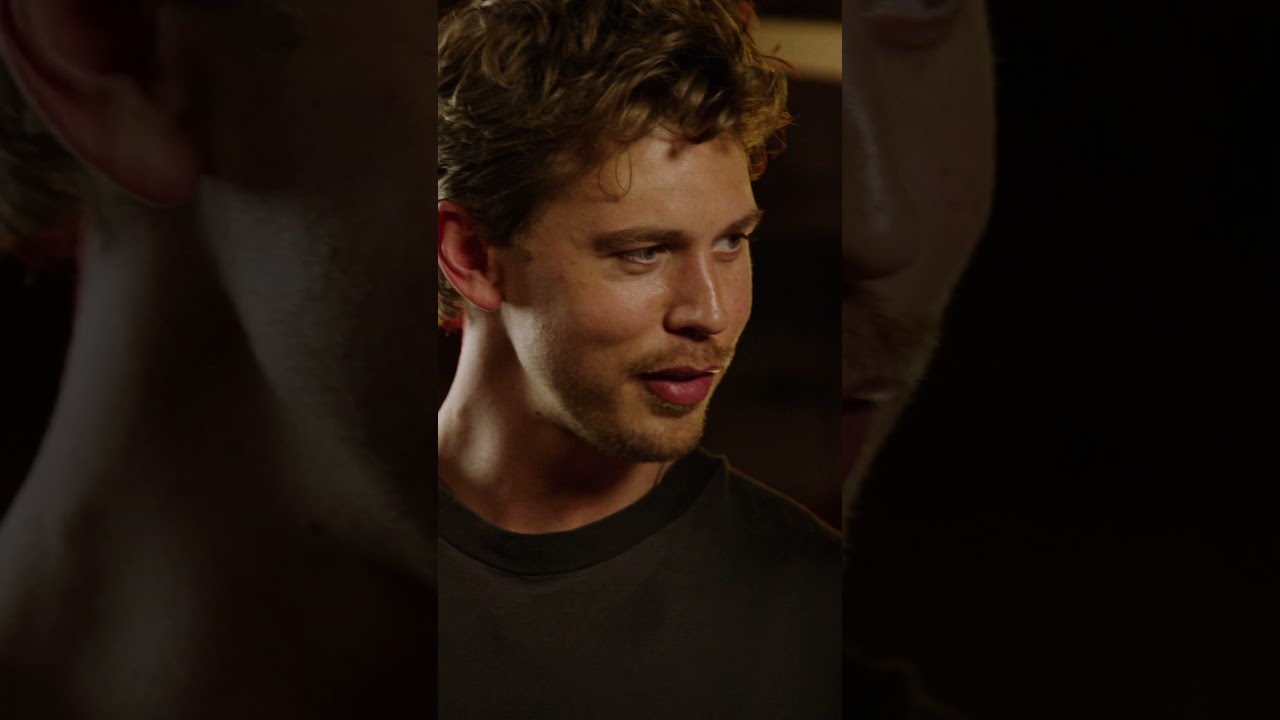
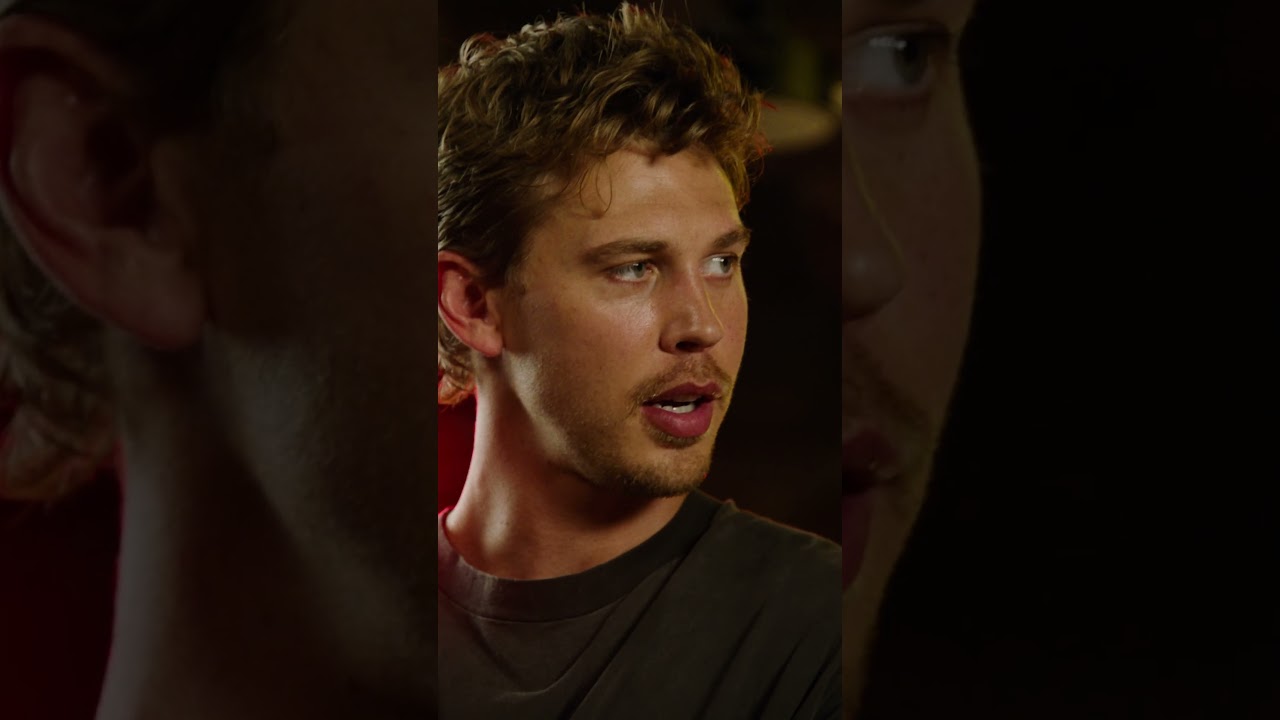
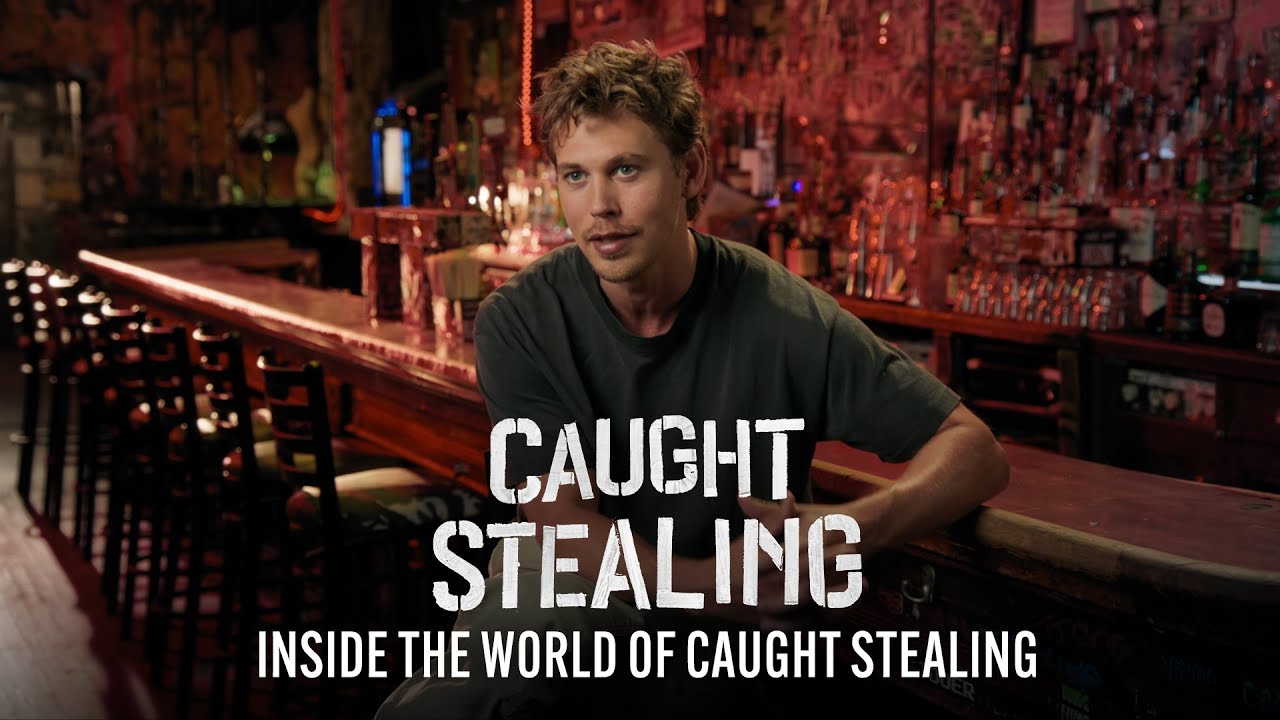
Austin Butler’s role as the central character marked another interesting chapter in his evolution as an actor. Coming off the intensity of Dune and his transformative work in previous projects, Butler brought a restless energy to what could have been a one-dimensional role. He plays a character caught between desperation and dark humor, and Butler finds the humanity in those contradictions. His performance suggests a depth that the 6.9/10 critical rating doesn’t entirely capture—sometimes the most interesting acting choices are ones that critics struggle to articulate in traditional scoring systems.
The supporting cast deserves particular attention here. Regina King and Zoë Kravitz elevated the ensemble significantly:
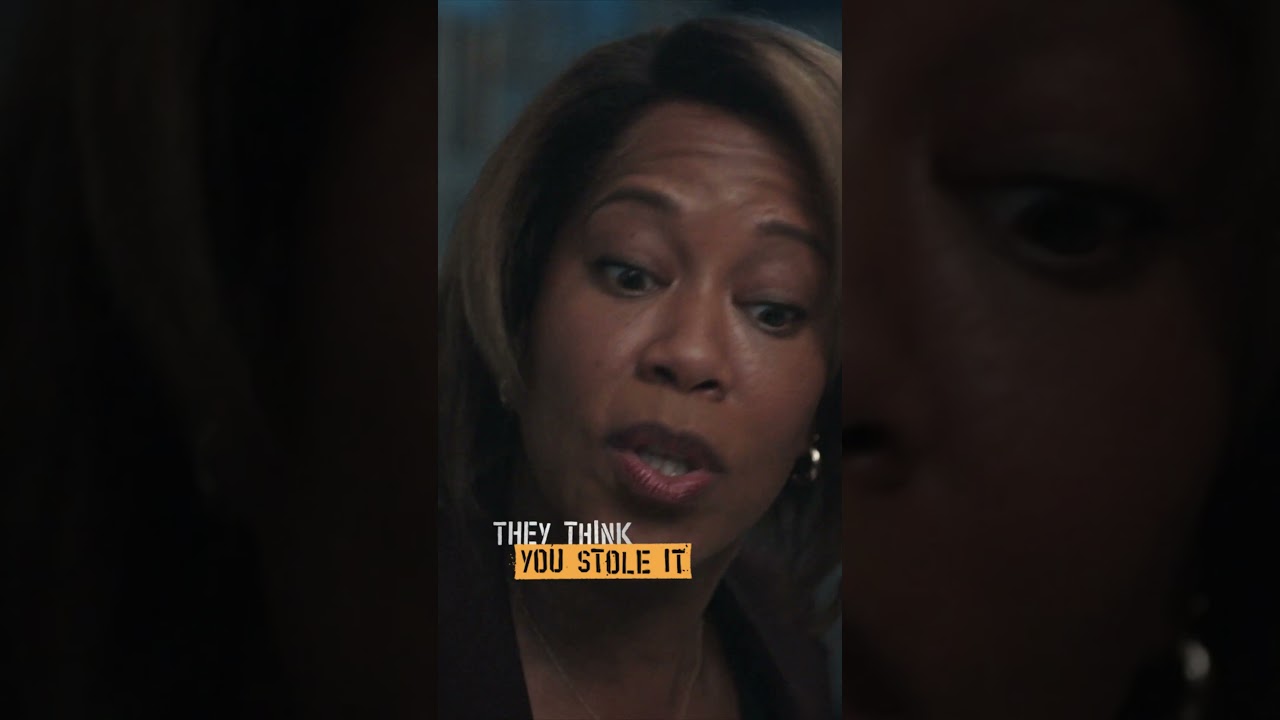
- Regina King brought gravitas to what easily could have been a stock role, infusing her character with a weariness and moral complexity that anchored the film’s darker moments
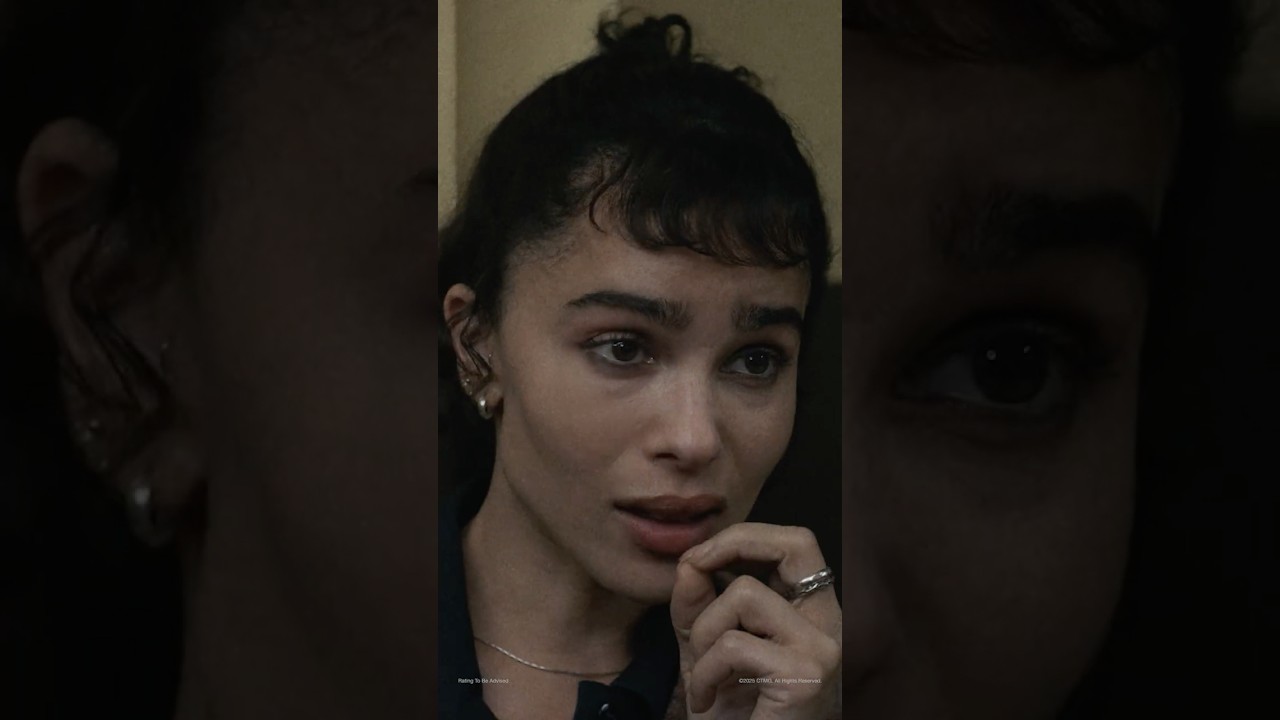
- Zoë Kravitz provided a counterweight with sharp comedic timing, suggesting that the film understood how to balance its competing tones through casting as much as through direction
- The chemistry between these actors created moments of genuine tension and unexpected warmth that compensated for narrative shortcuts elsewhere
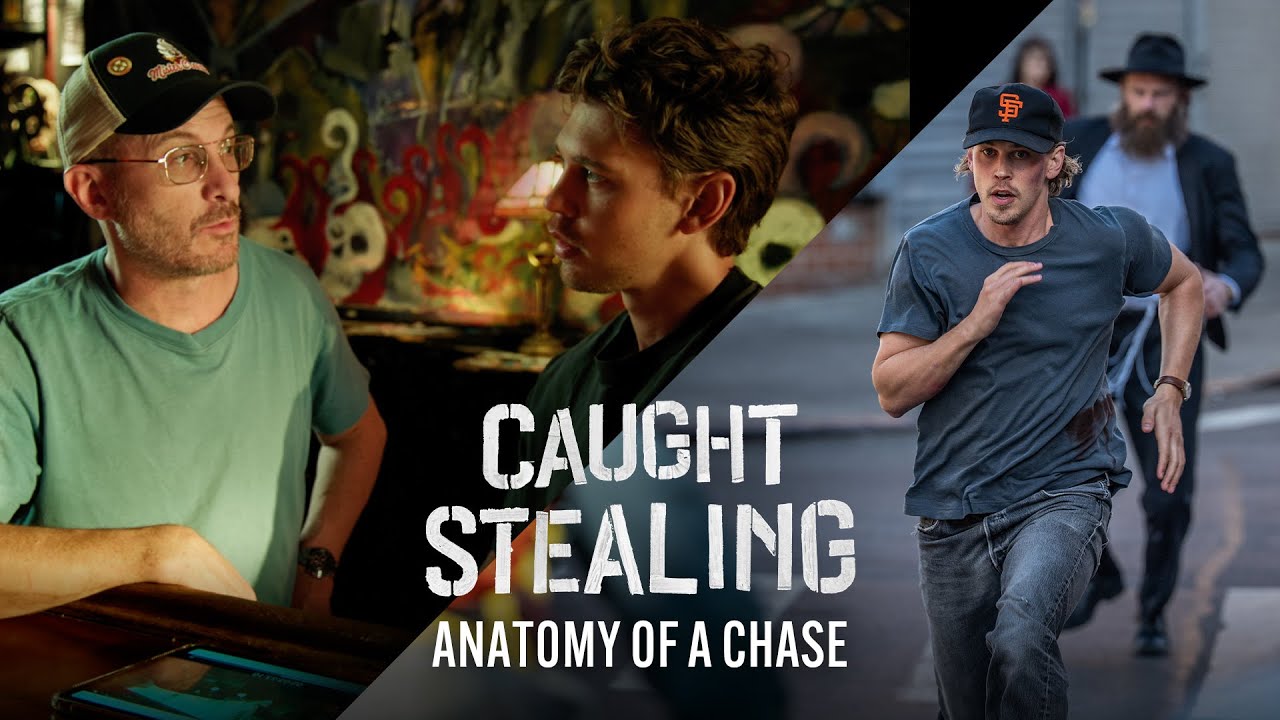
Aronofsky’s involvement is where this project becomes genuinely fascinating from a filmmaking perspective. This director has spent his career exploring obsession, paranoia, and the human psyche through increasingly elaborate visual frameworks. With Caught Stealing, he brought that sensibility to a genre space that traditionally rewards different instincts. The result is uneven in some ways—you can feel the director’s ambitious vision sometimes straining against the confines of a heist-comedy structure—but that tension is precisely what makes the film memorable.
> What matters about Caught Stealing isn’t that it conquered audiences en masse, but that it attempted something genuinely difficult: to be both wildly entertaining and formally interesting without sacrificing either quality.
The box office performance tells a particular story about contemporary cinema. A $40 million film that earned $32.7 million is technically a disappointment in studio accounting terms, but that modest shortfall occurred during a release period when major tentpoles were dominating screens. More importantly, it suggests that audiences found the film’s stranger edges either appealing enough to seek out or, conversely, too uncommercial for the usual blockbuster audience. Neither interpretation diminishes what’s actually on screen.
Critically, the 6.9/10 rating reflects something genuine about the film’s nature as a transitional work. It’s not quite radical enough to satisfy avant-garde sensibilities, and it’s not conventional enough to be a comfort-food thriller. That middle space is where the most interesting cinema often lives, though it’s rarely the space that generates consensus. The 704 votes behind that rating suggest a film that developed a devoted audience despite not achieving mainstream breakthrough status.
What Caught Stealing reveals about 2025 cinema includes:
- The increasing willingness of prestige directors to engage with genre material on their own terms rather than compromising vision for broader appeal
- The viability of ensemble casts working at a mid-budget level, where financial constraints force creative problem-solving
- An audience appetite for films that don’t neatly fit into predetermined categories, even if that audience remains relatively niche
The film’s legacy may ultimately rest less on immediate recognition and more on its influence on how future filmmakers approach tone. In a creative landscape where genre purity remains a commercial strategy, Caught Stealing argues—sometimes eloquently, sometimes messily—that the most human stories emerge when we allow comedy and darkness to coexist without either overwhelming the other.
By any measure beyond pure box office dominance, Aronofsky’s 2025 project represents a kind of success: it’s a film that committed artists made with conviction, that found an audience even without mainstream saturation, and that continues to reward repeated viewings with layers most viewers initially missed. That’s worth more than a few hundred million dollars in an industry increasingly built on certainties and franchises.




















![Benito Martu00ednez Ocasio as Colorado [Subtitled]](https://img.youtube.com/vi/AIlzWMceX8o/maxresdefault.jpg)