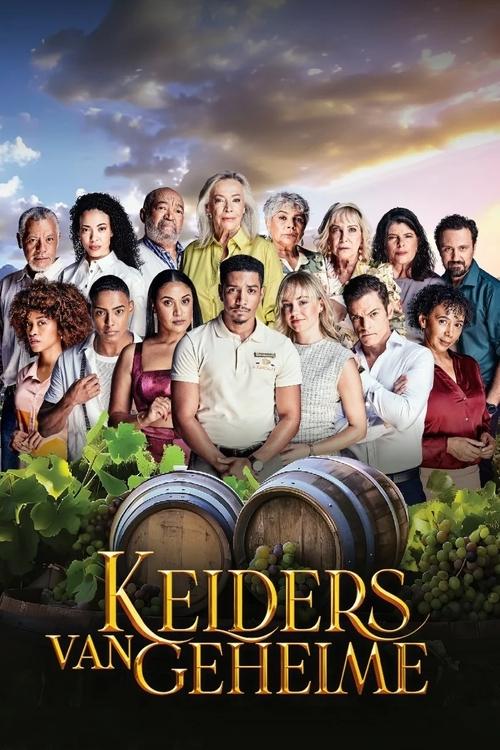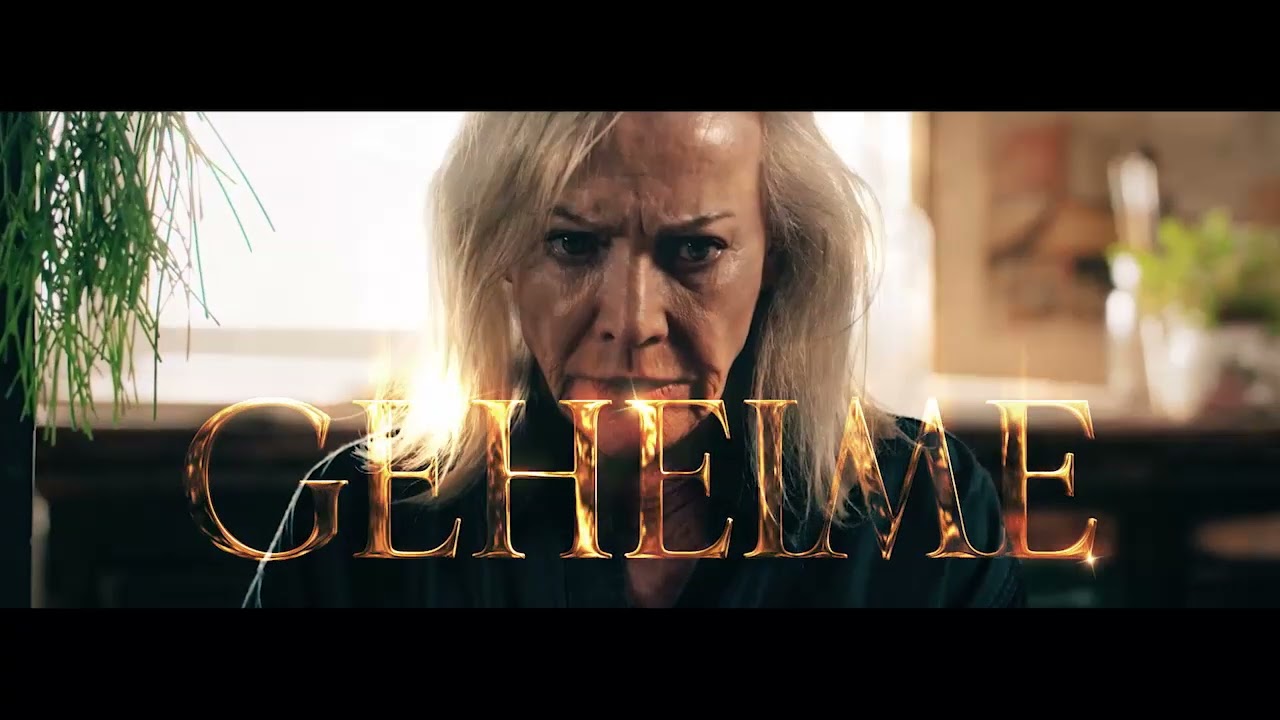
When Kelders van Geheime premiered on May 6th, 2024, it arrived with an ambitious mission: to capture the messy, interconnected lives of three families navigating power, ambition, and survival within the tight-knit community of a South African wine farm. What creators Karen Meiring and Theltom Masimila delivered was a genuine attempt to bring fresh storytelling to the soap genre—and while the journey has been uneven, the show’s commitment to exploring genuine community dynamics deserves serious recognition.
The most striking aspect of Kelders van Geheime is its setting and cultural specificity. Rather than relying on the glamorous backdrops that often define the soap genre, the show grounds itself in the Soebatskloof wine farm community, where class tensions, economic vulnerability, and generational conflict play out with tangible stakes. The wine farm becomes more than mere backdrop; it’s a character unto itself, representing both opportunity and entrapment for those whose livelihoods depend upon it. This was genuinely bold territory for a soap narrative to explore.
> The show’s real strength lies in its willingness to tackle economic anxiety alongside romantic intrigue and family drama—a combination that grounds the storytelling in recognizable human conflict rather than pure melodrama.
Across two seasons spanning 520 episodes, Kelders van Geheime built something that clearly resonated with audiences on e.tv and e extra, despite earning a 6.0/10 rating that honestly reflects the creative challenges the show faced. That rating, while perhaps lower than the creators hoped, tells an interesting story. It suggests a show that ambitious, ambitious enough to inspire both passionate engagement and legitimate criticism—not a series that left viewers indifferent.
The narrative architecture reveals where the show’s true interests lay:
- Class conflict emerging when the possible sale of the wine farm threatens worker stability and prosperity
- Three family dynamics creating natural friction points and alliance-building opportunities
- Community solidarity versus individual ambition, with characters forced to choose between collective welfare and personal gain
- The wine industry as backdrop for exploring generational wealth, inheritance, and economic power
What becomes apparent when examining the show’s 520-episode run is that Meiring and Masimila were attempting something genuinely complex: balancing the emotional intensity and serialized drama that soap audiences crave with grounded social commentary about economic structures and class. That’s notoriously difficult territory. The unknown episode runtime likely contributed to this tonal challenge—without fixed commercial breaks or strict time constraints, the show had to discover its own rhythm, its own sense of pacing and emphasis.
The cultural conversation Kelders van Geheime sparked within South African television circles was particularly noteworthy. In an entertainment landscape often dominated by imported programming, the show represented a significant investment in Afrikaans-language storytelling. It wasn’t simply a translation or adaptation of existing IP; it was an original creation rooted in specific cultural and geographical contexts. For audiences seeking representation of their own communities and their own languages in primetime drama, that mattered tremendously.
However, critical responses highlighted a genuine creative struggle. TVSA’s review captured something essential: the show had a genuinely good foundational idea, but the execution revealed difficulty in balancing tonal registers. How do you maintain soap opera melodrama while also exploring real economic hardship? How do you keep romantic intrigue compelling while genuinely examining class conflict? These aren’t simple problems to solve, and Kelders van Geheime sometimes stumbled in the attempt.
What’s particularly interesting about the show earning its returning series status is what that signals about its actual audience performance versus critical assessment. Yes, the rating sits at 6.0/10, which reflects legitimate creative inconsistency. But the network’s decision to continue signals that viewers were engaged enough to keep coming back, that they’d invested in these characters and their fates enough to stay through two seasons and 520 episodes. That’s not nothing—that’s the kind of durability that matters in television.
The creative achievement here deserves recognition precisely because it tried and partially failed. Too many shows play it safe, stick to proven formulas, and never risk the kind of tonal complexity that Kelders van Geheime attempted. The show’s willingness to ground soap opera storytelling in genuine economic anxiety, to make the wine farm’s potential sale a real threat rather than mere plot device, to explore what it actually means for a community to face collective crisis—these choices reflect creators willing to ask more of the genre.
For viewers who connect with Kelders van Geheime, the show likely resonated precisely because it refused to pretend that family drama exists in an economic vacuum. The wheeling and dealings of these three families aren’t mere personal ambition; they’re survival strategies within systems of power and privilege. That specificity, that grounding in real stakes, is what distinguishes this from countless interchangeable soap narratives.
As the show continues in its returning series status, there’s real potential for it to find better balance between its competing impulses. The foundation is there—compelling characters, high stakes, a community worth caring about. The question moving forward isn’t whether Kelders van Geheime deserves attention; it’s whether creators can harness what makes this story worth telling and refine the execution. For viewers interested in original South African storytelling, in soaps that dare to be about something beyond pure romance and revenge, the show remains genuinely worth your time.