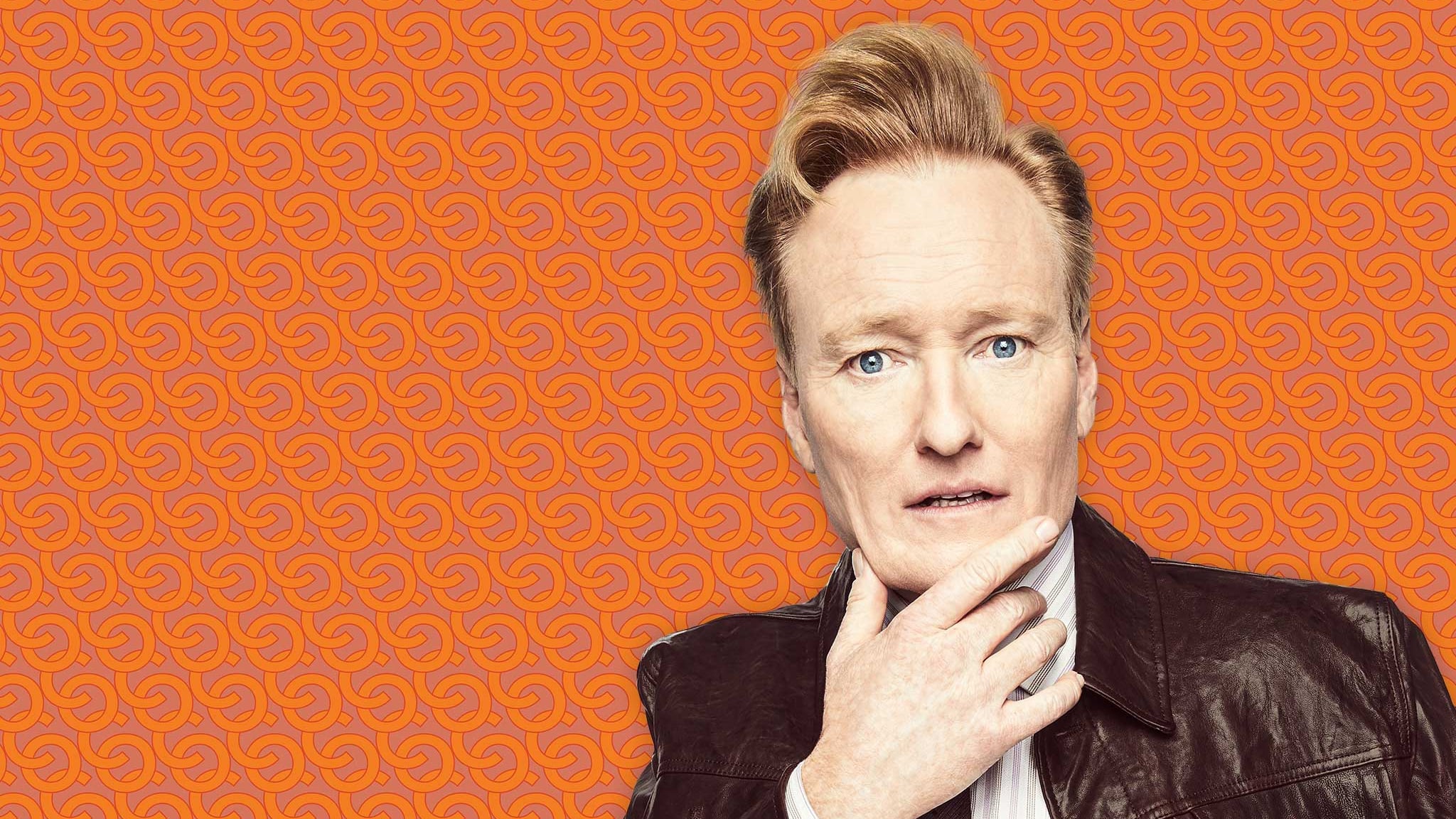
When Conan O’Brien debuted his self-titled talk show on TBS back in November 2010, he was embarking on something genuinely different for late-night television. After his high-profile exits from network television, moving to cable felt like a creative reset—a chance to reimagine what a talk show could be without the weight of broadcast constraints. What followed was an 11-season run that, while it had its ups and downs, proved that O’Brien’s particular brand of intellectual comedy and genuine curiosity about his guests could sustain an audience for over a decade and nearly 1,500 episodes.
The show’s premise was straightforward enough: O’Brien and his longtime collaborator Andy Richter would sit down to discuss the day’s news and interview celebrities, all within a 60-minute window. But here’s what made it matter—in an era when late-night was becoming increasingly fragmented and ratings-obsessed, Conan maintained a steady 7.1/10 rating across its entire run, which speaks to a devoted core audience that valued what the show was doing. That’s not flashy, sure, but it’s consistency in an industry that usually demands it.
> The real magic of Conan was its willingness to be smart without being pretentious, and funny without relying on the manufactured outrage that was increasingly dominating cable news commentary.
What distinguished Conan from its network competitors was its approach to the talk show format itself. The 60-minute runtime allowed for something increasingly rare in late-night television—actual breathing room. Interviews didn’t need to be punchy soundbites; they could develop naturally. O’Brien could go deeper with his guests, explore unexpected tangents, and let comedy emerge from genuine human interaction rather than scripted zingers. This format philosophy became the show’s signature strength, particularly as social media fragmentation made long-form television feel almost radical.
The show’s cultural footprint came less from viral moments and more from creating a kind of alternative space for conversation. While other late-night shows were increasingly tethered to hot-button political topics and celebrity gossip cycles, Conan carved out room for oddball humor, experimental sketches, and interviews that felt like they were happening in real-time rather than being performed. O’Brien’s willingness to acknowledge the show’s own limitations—joking about ratings, about being on cable, about the shrinking audience for traditional late-night—became part of its charm.
Key elements that defined the show’s approach:
- Andy Richter’s role as genuine foil and collaborator, not just sidekick
- Absurdist comedy bits that felt playful rather than desperate
- A commitment to interviewing a wide range of guests beyond just the A-list promotional circuit
- News commentary that came from genuine curiosity rather than political positioning
- Willingness to experiment with format and not take the show too seriously
Looking at the ratings trajectory across its 11 seasons tells an interesting story. The show debuted strong (Season 1 pulling a 7.8 rating), but like most television, it settled into a more stable viewership by mid-run, eventually declining to a 6.8 by Season 7 and continuing downward from there. This wasn’t unique—it’s the normal pattern for television—but what’s notable is how the show maintained its creative voice throughout that descent. O’Brien wasn’t chasing trends or desperately trying to boost numbers through clickbait segments. The show remained fundamentally itself.
The decision to move to cable also proved significant for how the show could operate. Network television’s regulatory requirements and advertiser sensitivities would have constrained some of what made Conan distinctive. On TBS, O’Brien had more freedom to be weird, to let conversations meander, to take creative swings that might not land. Not every experiment worked, but the willingness to try things differentiated the show in a landscape where many competitors felt increasingly formulaic.
The creative achievement shouldn’t be underestimated:
- Sustaining a comedy voice for 1,510 episodes without becoming parody of itself
- Building a show that felt genuinely live and unpredictable in an era of pre-taped everything
- Maintaining a comedic sensibility rooted in intelligence and absurdism when the culture was shifting toward snark and outrage
- Creating a genuine collaboration with Andy Richter that lasted the entire run—a partnership built on genuine chemistry rather than contractual obligation
What made Conan endure was precisely what might have limited its mass appeal: it wasn’t trying to be everything to everyone. It wasn’t aggressively pursuing viral moments or reinventing itself to chase trending topics. O’Brien’s sensibility—informed by his decades in comedy writing, his time on Saturday Night Live, and his previous network late-night gigs—remained consistent. The show trusted that there was an audience for intelligent, playful comedy that didn’t feel obligated to comment on every political development within 24 hours.
By the time the show concluded its run in 2021, it had accumulated an impressive catalog. Not every episode was gold—that’s the nature of doing nearly 1,500 episodes of television—but the best episodes showcased what O’Brien does better than almost anyone in television: creating an environment where smart people can be funny together, where celebrity interviews feel like genuine conversations, and where comedy emerges from character and observation rather than cynicism.
Conan didn’t revolutionize television or rack up endless awards, and maybe that’s okay. What it did was prove that there’s still room in the landscape for a show that respects its audience’s intelligence, maintains its creative integrity, and values the craft of comedy over the pursuit of viral moments. That’s its real legacy.