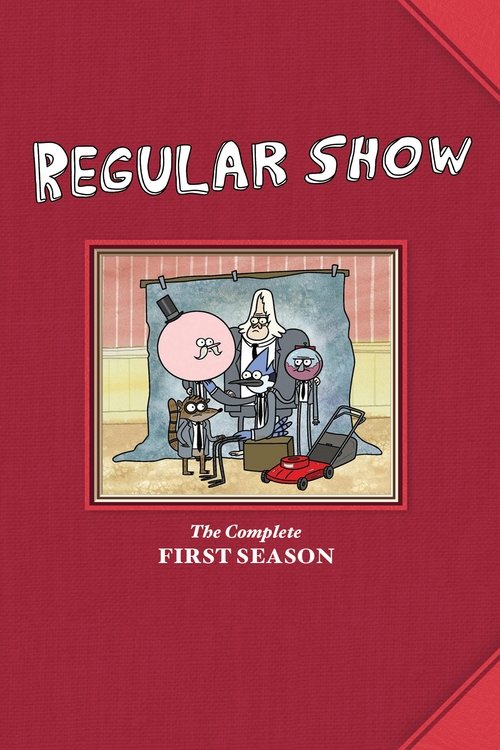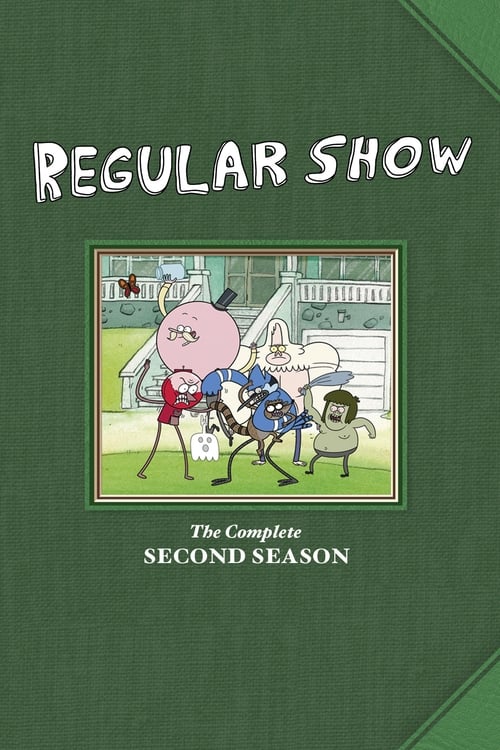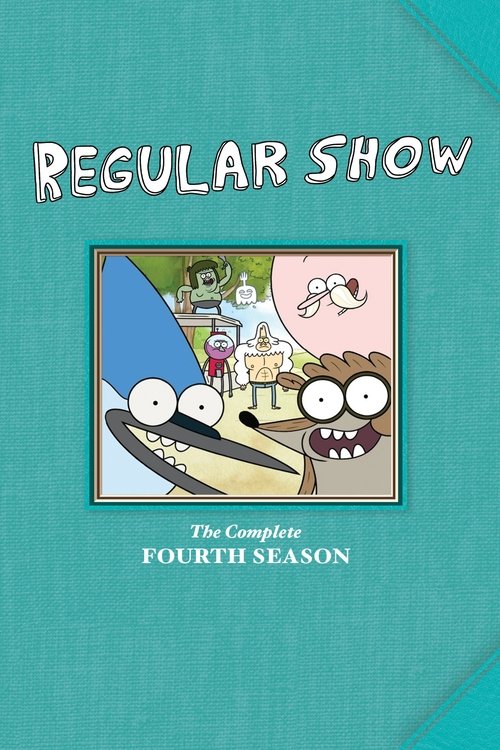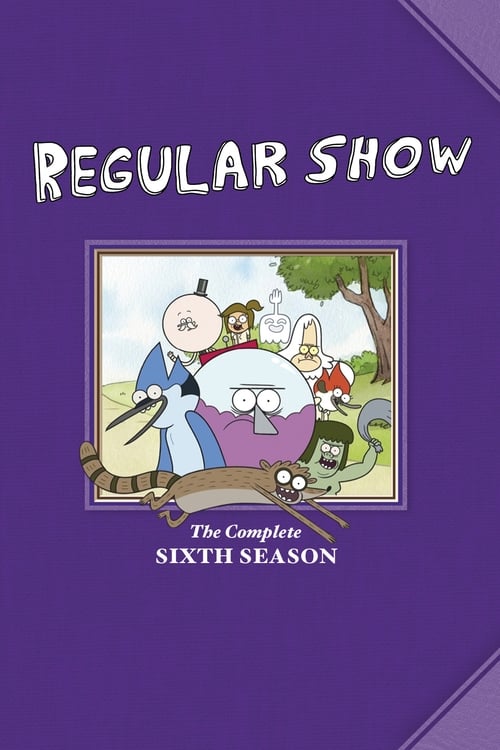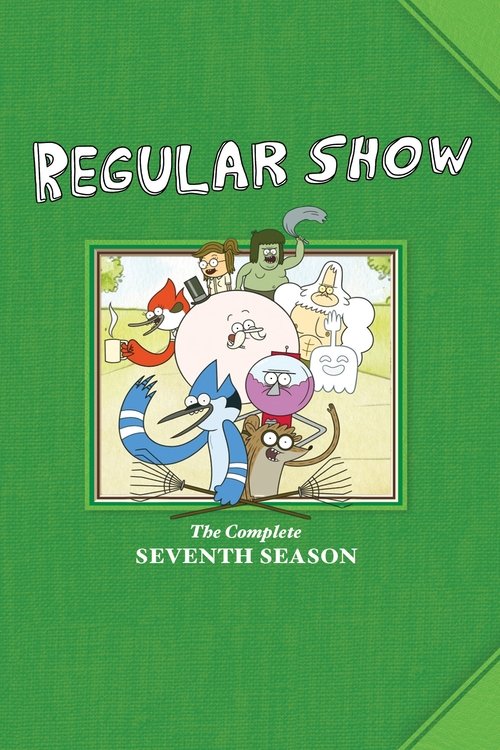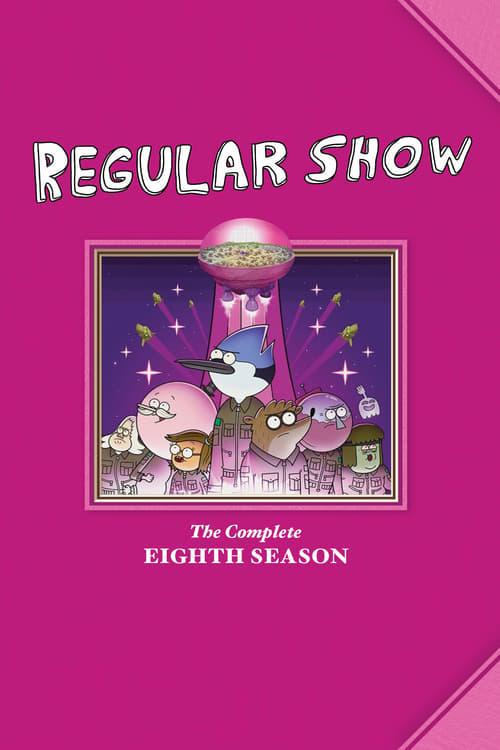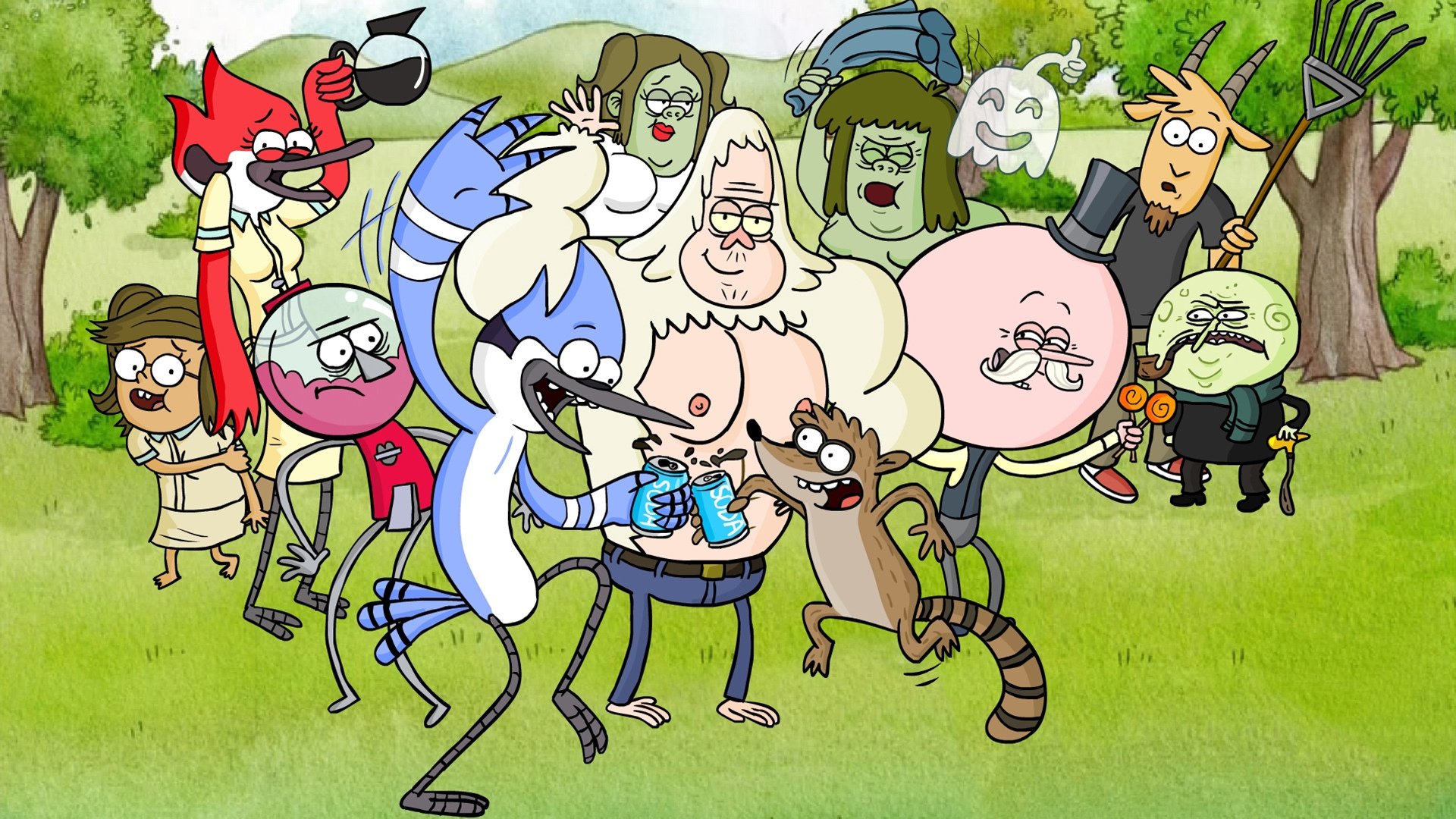
When Regular Show premiered back in September 2010, it arrived as something deceptively simple: a show about two groundskeepers at a park trying to get through their shifts. A blue jay named Mordecai and a raccoon named Rigby clocking in, doing their job, going home. On paper, it sounds like the setup for a straightforward comedy about the mundane. But creator J.G. Quintel had something far more ambitious in mind, and what unfolded over eight seasons and 245 episodes became one of Cartoon Network’s most distinctive and beloved achievements.
What made Regular Show special wasn’t just its premise—it was its willingness to operate on multiple levels simultaneously. Within that tight 11-minute runtime, Quintel and his team managed to pack genuine character development, absurdist humor, surprisingly touching moments, and escalating stakes that would feel at home in a serialized drama. The show understood that you could start with a mundane conflict (needing coffee to stay awake for overtime) and let it spiral into something completely unhinged, yet still maintain emotional authenticity. That tonal balance is harder to achieve than it looks, and it’s a big part of why the show maintained an impressive 8.6/10 rating across its entire run.
> The genius of Regular Show was that it never talked down to its audience. Kids enjoyed the surface-level absurdity and humor, while adults connected with the show’s deeper exploration of friendship, responsibility, mortality, and the fear that life wasn’t going anywhere.
The early seasons set the template beautifully. In those first couple of years, the show was firing on all cylinders—Season 2’s 8.7 rating wasn’t an accident. Quintel had found the perfect rhythm: establish a relatable problem, escalate it through increasingly surreal circumstances, and resolve it in a way that somehow made emotional sense. Whether it was Unicorns or countless other early episodes, the show proved it could be both hilarious and heartfelt without feeling inconsistent. That consistency became the show’s calling card.
What’s fascinating about Regular Show‘s cultural footprint is how it influenced the broader animation landscape. The show demonstrated that Cartoon Network had room for something that didn’t fit neatly into existing boxes—it wasn’t quite a standard sitcom, not purely absurdist comedy, and definitely not a traditional action cartoon. It was its own thing, and networks started paying attention. The success of Regular Show helped open doors for other experimental animated projects, showing that audiences had appetite for something smarter and weirder than conventional wisdom suggested.
The show also became a masterclass in character-driven storytelling. Mordecai and Rigby’s friendship felt genuine because it had real texture to it—they annoyed each other, supported each other, and genuinely cared about one another in ways that animated comedies often glossed over. The supporting cast was equally rich: Benson’s exasperation, Pops’ innocent wisdom, Muscle Man’s relentless humor, Hi-Five Ghost’s earnestness, and Skips’ mysterious competence all created a world that felt lived-in and real.
Key elements that defined the show’s appeal:
- The 11-minute constraint forced economical storytelling; every scene had to earn its place
- Escalation logic that made sense within its own internal rules, no matter how surreal
- Character arcs that developed gradually across seasons rather than resetting each episode
- Emotional honesty underlying even the most ridiculous premises
- A sense of humor that worked across age demographics without being cynical
What’s particularly impressive is how the show evolved without losing its identity. Even as it matured and began exploring heavier thematic territory—questions about mortality, legacy, and what it means to move forward in life—it never abandoned the core sensibility that made it special. The later seasons, even when ratings dipped slightly (a natural occurrence for long-running shows), maintained the integrity of Quintel’s vision.
The ending itself deserves mention. When Regular Show concluded on January 16, 2017, it did so on its own terms, having completed a full eight-season arc. That’s increasingly rare in television, animated or otherwise. The show told the story it wanted to tell and then stopped, rather than overstaying its welcome or getting abruptly cancelled. There’s a maturity to that choice that reflects the show’s overall sensibility.
Beyond the numbers and accolades, Regular Show mattered because it trusted its audience. It didn’t explain every joke, didn’t shy away from weird ideas, and believed that viewers could handle stories that blended tones and didn’t follow traditional narrative structures. In an era where algorithm-driven content often plays it safe, Regular Show remained gloriously, deliberately itself—a show that knew exactly what it was and executed that vision with precision and heart.
If you’re looking for animation that respects your intelligence while making you laugh, that can break your heart one episode and have you in stitches the next, Regular Show remains available on Hulu and YouTube TV. It’s a complete story, perfectly preserved, waiting to introduce new audiences to two best friends trying to get through their day at the park—and somehow saving the universe in the process.