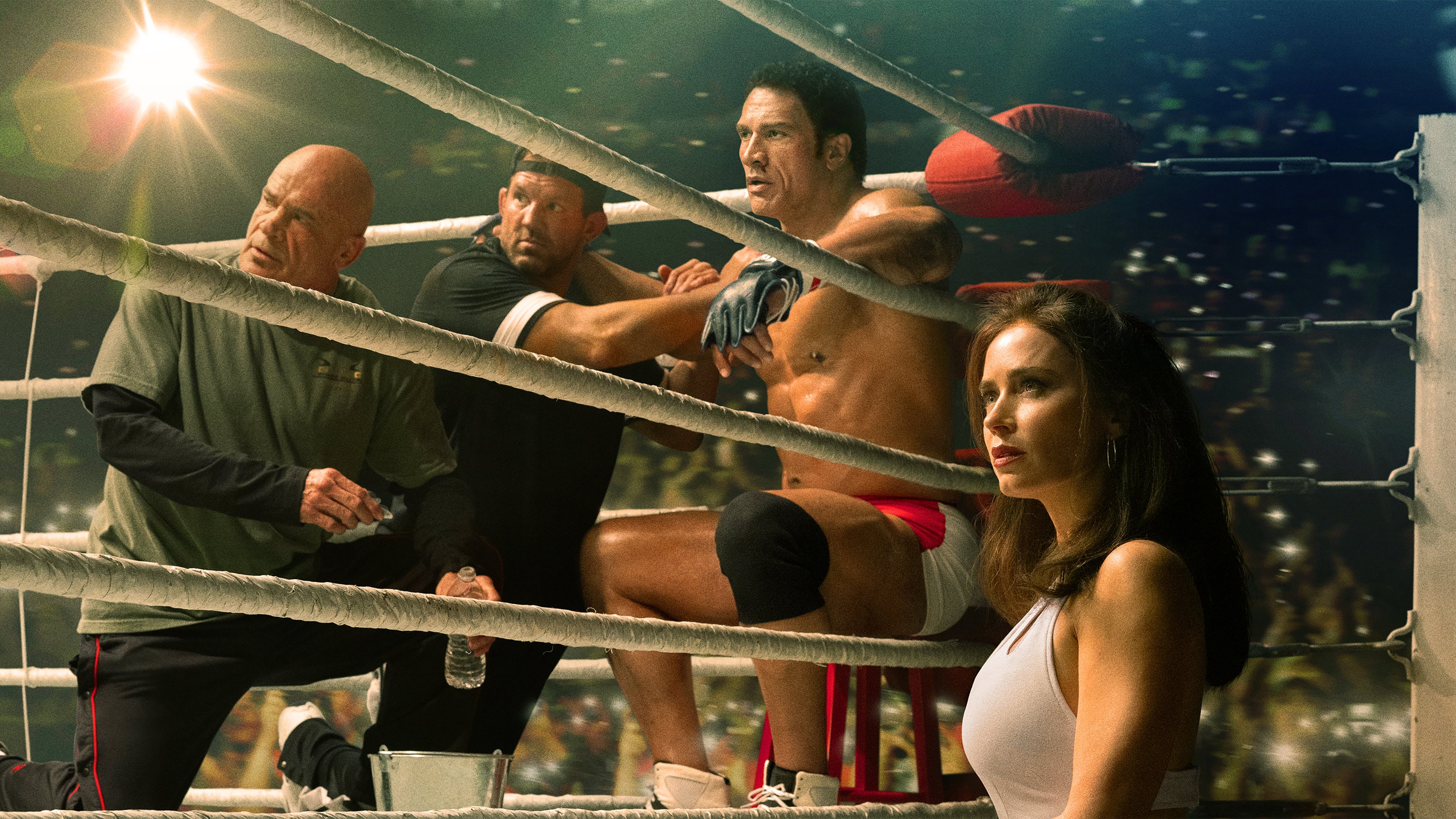
When The Smashing Machine premiered in October 2025, it arrived with considerable expectations. Here was Benny Safdie, a director known for his frenetic energy and psychological depth, tackling the true story of UFC legend Mark Kerr with a $50 million budget and a star-studded ensemble featuring Dwayne Johnson, Emily Blunt, and Ryan Bader. Yet the film stumbled at the box office, earning just $21.1 million domestically and internationally combined—a significant shortfall that sparked immediate conversations about why such an ambitious, well-funded sports drama failed to connect with mainstream audiences. But here’s the thing: box office numbers don’t tell the whole story of what The Smashing Machine accomplished as a piece of cinema.
What makes this film genuinely significant is its willingness to dig into the psychological unraveling of an athlete consumed by obsession. Rather than delivering the triumphant sports movie we’ve grown accustomed to—the kind where determination conquers all—Safdie crafted something darker and more unsettling. The film’s 2-hour-3-minute runtime works as a claustrophobic descent into Mark Kerr’s mind, exploring how the very drive that made him a champion nearly destroyed him. This is Requiem for a Dream meets The Wrestler, a brutal examination of what happens when ambition metastasizes into something toxic.
The creative collaboration here deserves serious attention:
- Benny Safdie’s direction brings his signature intensity—those jarring cuts, the propulsive editing, the way he makes internal struggle feel physically tangible on screen
- Dwayne Johnson’s performance strips away the charisma we expect from him, revealing vulnerability and desperation in ways his earlier dramatic roles hadn’t quite demanded
- Emily Blunt’s presence anchors the film emotionally, serving as the moral conscience and emotional lifeline in a narrative that could easily veer into exploitation
- Ryan Bader’s casting as a fellow fighter adds authenticity that prevents the fight choreography from feeling like spectacle
- Safdie’s collaborative team—the cinematography, sound design, the pulsing score—creates an atmosphere of suffocating pressure
At its core, The Smashing Machine is about the gap between the person we become and the person we actually are. Mark Kerr’s legendary status came at a cost most people never see—addiction, depression, fractured relationships, the terrifying vulnerability of someone whose identity is entirely bound up in physical dominance. That’s not comfortable viewing, and it’s definitely not the crowd-pleasing narrative that typically fills $50 million budgets.
> The film’s failure at the box office reveals something important about audience expectations: we want our sports heroes triumphant, our stars radiant, not broken and struggling with demons. The Smashing Machine refused to play that game.
The critical reception—a 6.5/10 rating based on 379 votes—reflects the film’s peculiar position: it’s undeniably accomplished as cinema, yet it alienates viewers expecting traditional sports drama. Some critics found it uncompromising to the point of harshness; others recognized it as exactly the kind of risk-taking that cinema desperately needs. The film wasn’t made for universal appeal, and that’s precisely what makes it matter.
What’s particularly interesting is what happened after the theatrical release failed to ignite. When The Smashing Machine arrived on HBO Max in January 2026, it found an entirely different audience. The streaming platform’s algorithmic nature and lower barrier to entry allowed viewers curious enough to explore Safdie’s psychological drama to discover it on their own terms. This delayed discovery has become increasingly common—the theatrical marketplace has become so focused on immediate returns that genuinely ambitious work gets discarded before its actual audience finds it.
The film’s Oscar snub—reduced to a single makeup nomination—stings because it suggests the Academy couldn’t quite categorize what Safdie had created. It’s not a typical biopic. It’s not quite a character study in the literary sense. It’s something stranger and more challenging: a visceral, almost experimental dive into obsession that uses the UFC and Mark Kerr’s story as a framework for exploring something universal about ambition and self-destruction.
Why this matters for cinema’s future:
- It demonstrates that major studios will still fund ambitious, R-rated dramas from proven directors
- It shows the disconnect between theatrical audiences and what streaming subscribers actually want
- It proves that Dwayne Johnson has the range for roles beyond his star persona
- It reminds us that box office failure doesn’t equal artistic failure
The Smashing Machine belongs to that unfortunate lineage of films that were ahead of their audience—not in a pretentious way, but in their refusal to compromise. Benny Safdie could have made a conventional sports drama. He could have given us triumph and redemption with a tidy three-act structure. Instead, he made something that lingers, that unsettles, that asks difficult questions about the price of greatness. That’s the kind of film that becomes more relevant with time, as viewers discover it and recognize it for what it truly is: a courageous, unflinching piece of cinema that refused to look away.