When The First Ride premiered in late October 2025, it arrived at a moment when Korean cinema was hungry for something refreshingly unpretentious—a film that didn’t need to save the world or break hearts in catastrophic ways, but simply wanted to take audiences on a journey. Director Nam Dae-joong understood this perfectly, crafting a road-trip comedy that felt both timely and timeless in its exploration of friendship, spontaneity, and the moments that change us when we least expect them. The film’s tagline, “Friends on board,” promises something deceptively simple, yet what unfolded on screen proved to be far more resonant than critics initially anticipated.
The film’s opening week performance told an immediate story about its cultural impact. Debuting at number one on the Korean box office with $1.56 million from 230,810 admissions and commanding nearly 29% of the market share, The First Ride wasn’t just a commercial success—it was a phenomenon driven by word-of-mouth enthusiasm. The fact that it sustained its box office lead for three consecutive days, even surpassing the highly anticipated Chainsaw Man: Reze Edition, suggested something remarkable was happening in theaters. Audiences were responding not just to the film itself, but to what it represented: a return to character-driven narratives in an era increasingly dominated by spectacle and franchise filmmaking.
What makes Nam Dae-joong’s vision particularly noteworthy is his restraint. In a runtime of just 1 hour 57 minutes, he manages to build genuine emotional architecture without ever feeling rushed. The film respects both its story and its audience’s intelligence, trusting that the chemistry between characters would carry more weight than elaborate set pieces or contrived plot mechanics.
The ensemble cast deserves significant credit for bringing this vision to life. Kang Ha-neul, Kim Young-kwang, and rising star Cha Eun-woo formed a chemistry that felt lived-in and authentic—the kind of ensemble dynamic that makes you believe these people have history together, even if you’re meeting them for the first time. Here’s what made this casting particularly brilliant:
- Kang Ha-neul brought his characteristic warmth and vulnerability, anchoring the narrative with the kind of quiet introspection that makes him one of Korean cinema’s most reliable emotional centers
- Kim Young-kwang provided the comedic energy and unpredictability that keeps a road-trip narrative from becoming predictable
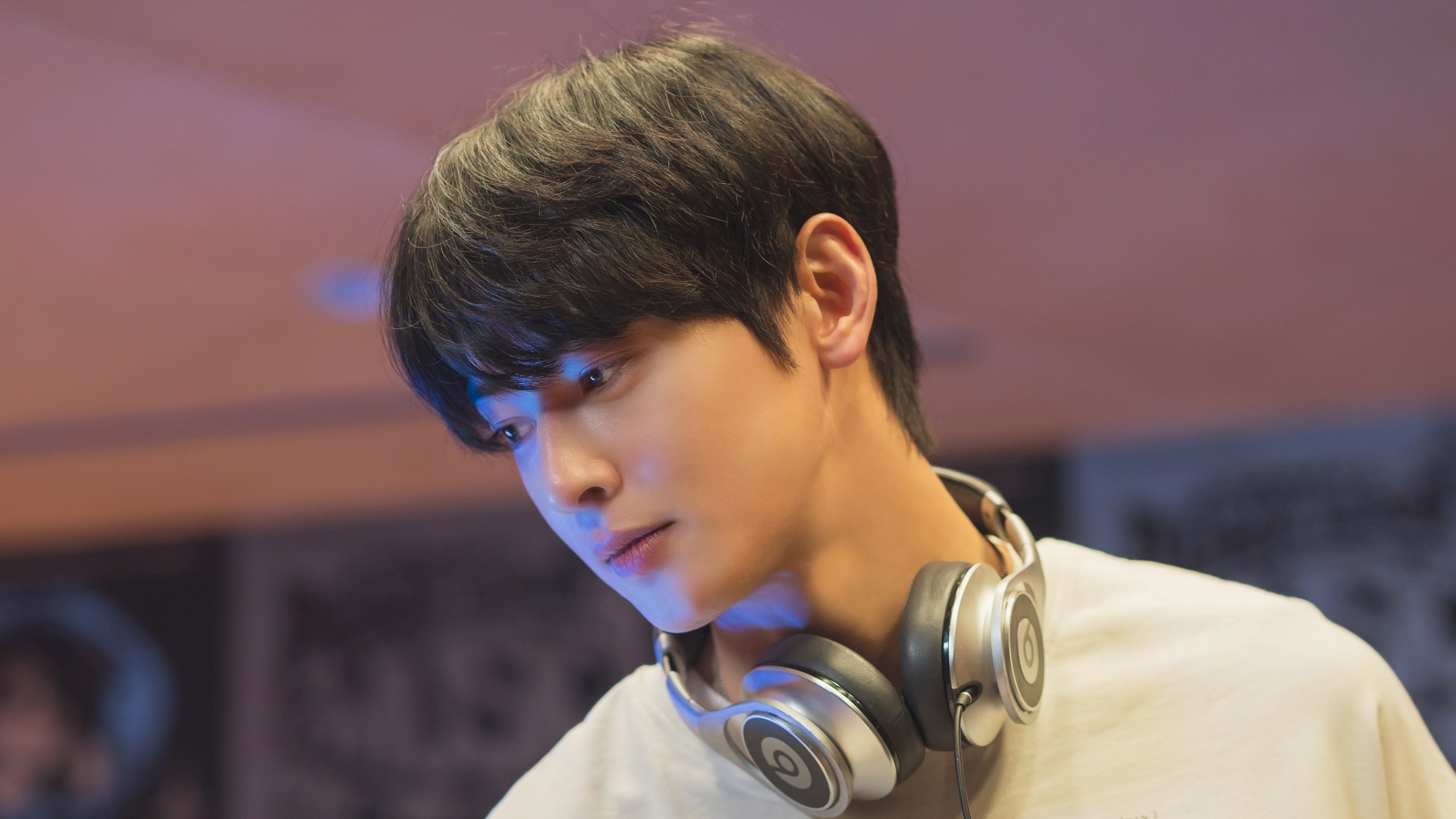
- Cha Eun-woo, transitioning from his K-pop fame into serious acting, demonstrated a naturalism that suggested he’s far more than a celebrity vehicle—he’s a genuine actor finding his footing
The interplay between these three created something that elevates the film beyond its premise. This wasn’t three actors performing a script; it was three people embodying a friendship with all its contradictions and unspoken understandings intact.
> The First Ride occupies a unique space in contemporary Korean cinema—it’s a film that understands the comedy in human connection without needing to mock its characters for their vulnerabilities.
What’s particularly interesting about The First Ride‘s critical reception is how it reflects the evolving relationship between critical consensus and audience response. The 6.6/10 rating, based on a modest number of votes, doesn’t capture the fuller picture of what the film accomplished. Critical ratings, especially in early stages, often struggle to quantify the intangible quality of a film that simply feels right—one that knows exactly what it is and executes that vision with precision. In this case, the disparity between critical scores and audience enthusiasm speaks volumes.
The film’s cultural significance lies primarily in its reaffirmation of a particular kind of storytelling. At a moment when Korean cinema has been rightly celebrated for its genre-bending ambition—think Parasite, Burning, or The Wailing—The First Ride reminds us that there’s still enormous power in simplicity. It’s a film about three friends taking a trip together, and that’s enough. The understated nature of its narrative becomes its greatest strength, allowing audiences to project their own experiences of friendship and spontaneous adventure onto the screen.
Nam Dae-joong’s direction demonstrates a mature understanding of comedic timing and dramatic beat construction. Rather than shouting for laughs, he creates spaces where humor emerges naturally from character and situation. The road-trip setting itself becomes almost a character—a liminal space where normal rules don’t quite apply, where people can be more themselves precisely because they’re removed from their everyday contexts.
- The film’s legacy likely won’t be measured in awards or critical accolades, but in something more durable: it’s the kind of movie people recommend to friends without needing to justify why
- It proved that ensemble-driven narratives could still command box office attention and audience loyalty in an era of franchise dominance
- It demonstrated that Cha Eun-woo and the supporting cast deserved serious consideration as dramatic actors, not just celebrities cashing in on their fame
Looking forward, The First Ride will probably influence how studios approach the road-trip comedy genre in Korean cinema—not through imitation, but through the implicit permission it grants for simplicity and character focus. It’s a film that trusts its audience, and that trust was repaid with enthusiastic box office performance and genuine cultural resonance. In an industry constantly chasing the next viral moment or critical darling, there’s something quietly revolutionary about a film that simply wants to spend two hours with its characters, and nothing more.