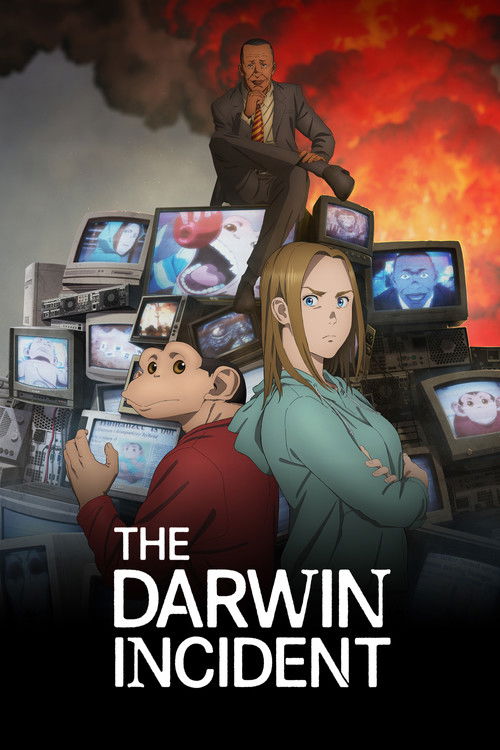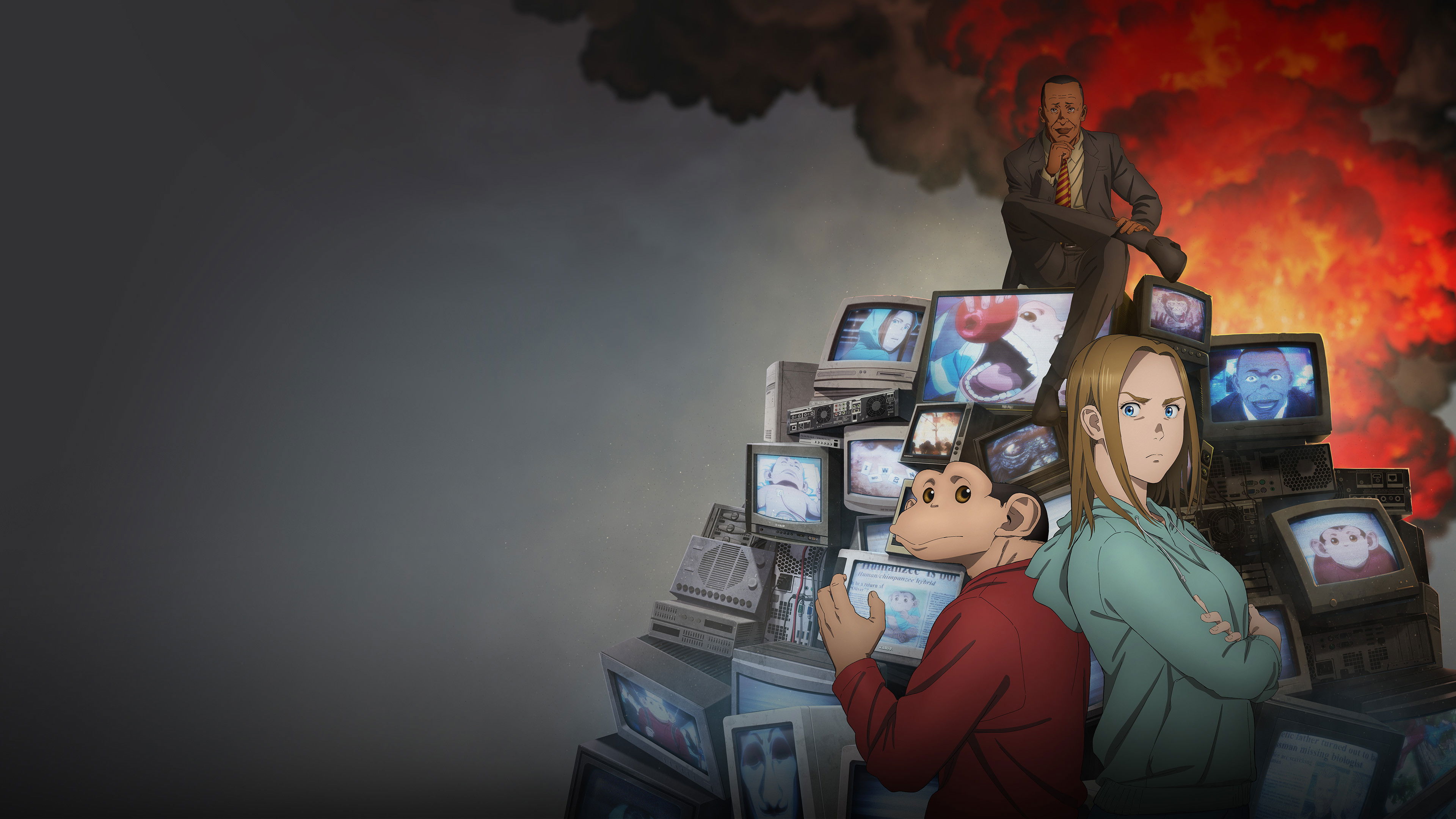
When The Darwin Incident debuted on January 7, 2026, it arrived with the kind of quiet confidence that separates genuinely ambitious projects from the usual streaming fare. This wasn’t a show that announced itself with massive marketing campaigns or franchise pedigree—it simply premiered across Japanese networks and Prime Video with a premise so compelling and unsettling that word-of-mouth became its greatest weapon. Within weeks, it had cultivated a devoted fanbase that’s still dissecting every frame, every implication, every moral quandary the narrative throws at us.
What makes The Darwin Incident such a standout is how it leverages animation as a medium for serious speculative fiction in ways that live-action television often struggles to achieve. The 24-minute episode format, which could have felt limiting, instead becomes a masterclass in narrative economy. Each episode is a perfectly calibrated blend of character development, world-building, and philosophical inquiry—there’s no wasted space, no filler dialogue. The creators understood that in science fiction, especially when dealing with morally complex subject matter, sometimes less visual spectacle allows for more intellectual and emotional impact.
The show’s premise—centered around a “humanzee,” the impossible offspring of human and chimpanzee genetics—serves as the perfect vehicle for exploring questions that our current moment desperately needs to grapple with:
- What defines humanity, and where do we draw ethical lines?
- Who gets to decide the fate of beings that challenge our categorical thinking?
- How do institutions respond when confronted with something they can’t easily classify or control?
- What happens when animal rights advocacy collides with existential fear?
These aren’t abstract philosophical puzzles; they pulse through every episode with genuine stakes and emotional authenticity.
> The Darwin Incident operates in that sweet spot where genre conventions serve larger thematic ambitions rather than constraining them.
The first episode, “Humanzee,” established the show’s tonal DNA immediately—grounded, unsettling, and deeply humanistic despite (or perhaps because of) its fantastic premise. That 7.5/10 rating doesn’t reflect a weakness; it reflects how the show refuses to make any character or faction entirely villainous or heroic. The ALA (Animal Liberation Alliance) introduced in Episode 2 isn’t simply “the good guys trying to save an innocent”—they’re activists whose methods and motivations are as complicated as anyone else’s. By Episode 3, “Heterosis,” the show had already elevated its critical reception to 8.9/10, a jump that suggests viewers were increasingly appreciating how skillfully the narrative navigates moral gray areas.
The series’ 8.1/10 overall rating across its 13-episode run speaks to something important: this is a show that satisfied viewers not through bombastic spectacle or easy answers, but through genuine engagement with difficult ideas. Anime and animation more broadly have been making space for sophisticated storytelling for years, but The Darwin Incident proved there’s an international audience hungry for animated science fiction that doesn’t condescend to its viewers. The fact that it premiered simultaneously across multiple Japanese networks and found its way to Prime Video demonstrates how regional productions can achieve genuine global significance.
What’s perhaps most fascinating is how the show sparked ongoing conversations about scientific ethics, genetic engineering, and institutional power structures. Social media exploded with threads analyzing the implications of the premise, with viewers bringing expertise from biology, philosophy, law, and activism to bear on the narrative. The show didn’t settle for being merely entertaining—it became a genuine cultural conversation starter, the kind of piece that makes you see the world slightly differently after watching.
The announcement that The Darwin Incident is returning for additional seasons is genuinely thrilling, and it’s well-deserved. A 13-episode first season is increasingly rare in the streaming era, which makes the restraint here even more notable. The creators could have stretched this out, could have padding and filler and unnecessary romantic subplots. Instead, they delivered a complete artistic statement that respects viewer intelligence while leaving plenty of room to explore the implications and aftermath of what Season 1 set in motion. That’s the work of creators who understand that quality matters more than quantity.
The creative achievement here extends beyond just the writing. The animation brings a clinical, observational quality to proceedings that perfectly complements the show’s thematic concerns. This isn’t flashy action-adventure animation—it’s purposeful, precise, and deeply attentive to character expressions and behavioral detail. A humanzee being difficult to categorize visually mirrors the show’s larger philosophical preoccupations.
Looking at the trajectory from that January 7 premiere to its current status as a returning series, The Darwin Incident represents something genuinely important emerging in global television: animated science fiction willing to wrestle with complexity, to refuse easy answers, and to trust its audience completely. In a landscape often dominated by spectacle and franchise loyalty, that’s genuinely revolutionary. This show matters, and it only gets more interesting from here.