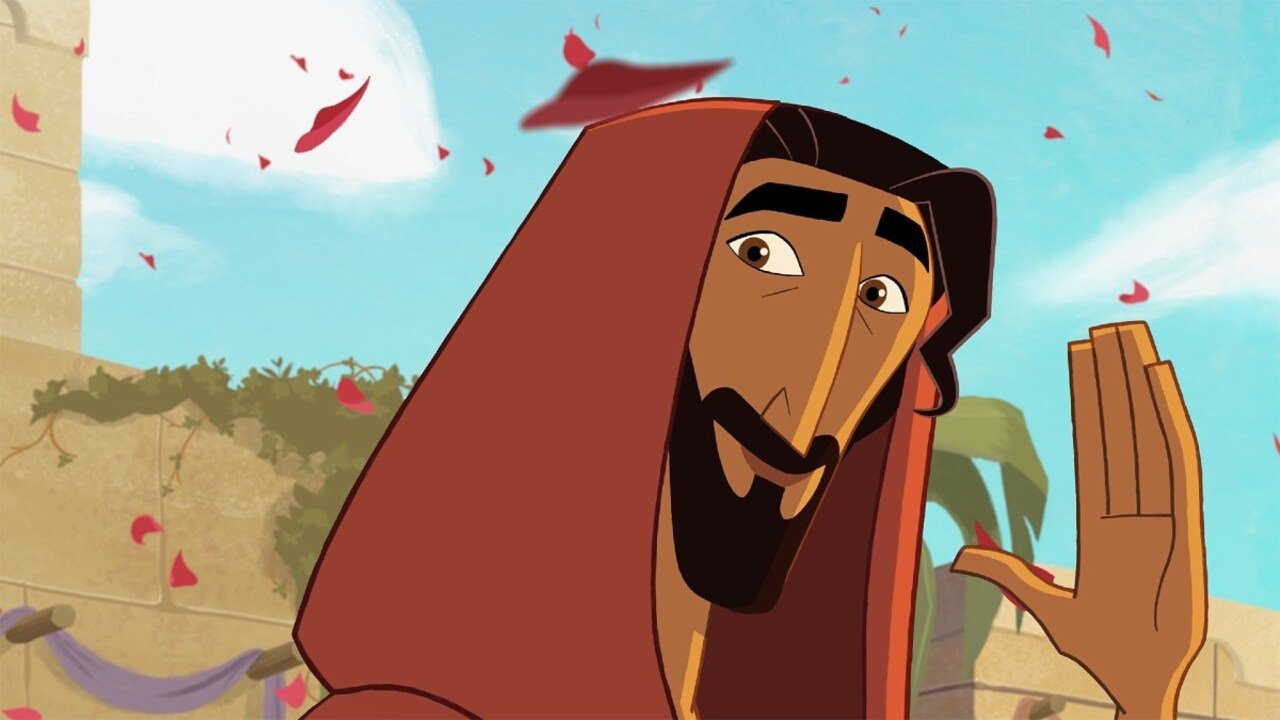
When Light of the World premiered on September 4, 2025, it arrived as something genuinely unexpected in the animated landscape—a faith-driven narrative feature from the Salvation Poem Project that dared to tackle one of humanity’s most significant stories through the lens of animation. Director Tom Bancroft, working alongside studios Epipheo and Lighthouse Studios, created a film that exists in a fascinating space between artistic ambition and grassroots passion, ultimately telling us something important about what modern cinema can achieve when creative vision aligns with genuine conviction.
The film’s commercial performance reads like a lesson in how we measure success in contemporary filmmaking. Against a $20 million budget, Light of the World earned $2.6 million at the box office—numbers that would make traditional studio executives wince. Yet this narrative obscures a more nuanced reality. The film landed in the top 10 during its theatrical run, competed alongside juggernaut releases like Hamilton, and built something far more valuable than immediate revenue: a dedicated, passionate audience that connected with its message on a visceral level. Sometimes the most significant films aren’t the ones that break box office records; they’re the ones that break through in other ways.
What makes Light of the World cinematically significant isn’t its budget or its earnings—it’s what it represents for animated storytelling itself. The 1 hour 24-minute runtime is deliberately compact, stripping away excess to focus on the essential narrative. Rather than sprawling across multiple hours, Bancroft and his team chose restraint, crafting something that feels almost like a visual poem. This approach to pacing matters because it reflects a creative confidence that the story itself—Jesus’s life from ministry through resurrection, witnessed through Apostle John’s perspective—carries enough weight without embellishment.
The voice cast assembled for this project includes Ian Hanlin, Benjamin Jacobson, and Vincent Tong, performers who understood they weren’t simply voicing characters but embodying spiritual archetypes. When you’re asked to lend your voice to figures this culturally and religiously significant, the responsibility shifts. These actors weren’t chasing blockbuster recognition; they were participating in something with explicit meaning. That distinction shapes how the performances resonate—there’s an earnestness throughout that mainstream animated features sometimes lack, a willingness to be sincere without irony.
> The critical reception—a solid 8.5/10 rating from 27 votes—reflects something worth examining. This wasn’t a film that divided audiences harshly. Instead, those who engaged with it found something worth praising.
What’s particularly interesting about Light of the World‘s cultural positioning is how it emerged during a moment when religious storytelling in major media felt increasingly sidelined. The film’s existence alone—conceived and funded through a non-profit committed to faith-based narratives—signals a shift in how these stories might reach audiences. In an industry where studio executives often shy away from overtly spiritual content, the Salvation Poem Project created space for exactly that. The world premiere at the 2025 THSC State Convention positioned the film not as a tentpole release chasing mainstream crossover, but as a community gathering point—perhaps more valuable for long-term cultural impact.
The creative vision Tom Bancroft brought to the project deserves particular attention. Animation directors working in faith-based spaces often face a dual challenge: creating something artistically substantial while serving narrative and theological purposes simultaneously. Bancroft navigated this with apparent grace, understanding that authenticity to the source material doesn’t require sacrificing visual creativity or emotional depth. The animation style itself becomes a statement—choosing animation over live-action for this particular story suggests something about how we process sacred narratives through modern media.
The legacy of Light of the World will likely unfold in ways that box office numbers miss entirely:
- It demonstrated that animated religious narratives can reach audiences when executed with sincerity
- It proved that non-traditional funding models (non-profit organizations rather than major studios) can produce theatrical releases with measurable reach
- It established that contemporary animation doesn’t require billion-dollar budgets to find its audience
- It showed how voice acting, even from less recognizable performers like Hanlin, Jacobson, and Tong, can create genuine emotional connection
Looking ahead, this film’s influence may appear in the next generation of faith-based animated projects—studios will note that Light of the World found its audience, earned critical respect, and generated conversation. The trajectory suggests a future where religious storytelling in animation isn’t an anomaly but a recognized space with its own audience expectations and creative opportunities.
The real significance of Light of the World lies in what it asks us to reconsider about cinema’s purpose. In a landscape obsessed with franchise extensions and algorithm-driven content, here’s a film that simply wanted to tell a sacred story through animation, to reach people who cared about that story, and to do so with artistic integrity. It didn’t achieve blockbuster status, but it achieved something increasingly rare: it remained faithful to its vision while finding its people. Sometimes, that’s the most lasting kind of success cinema can offer.