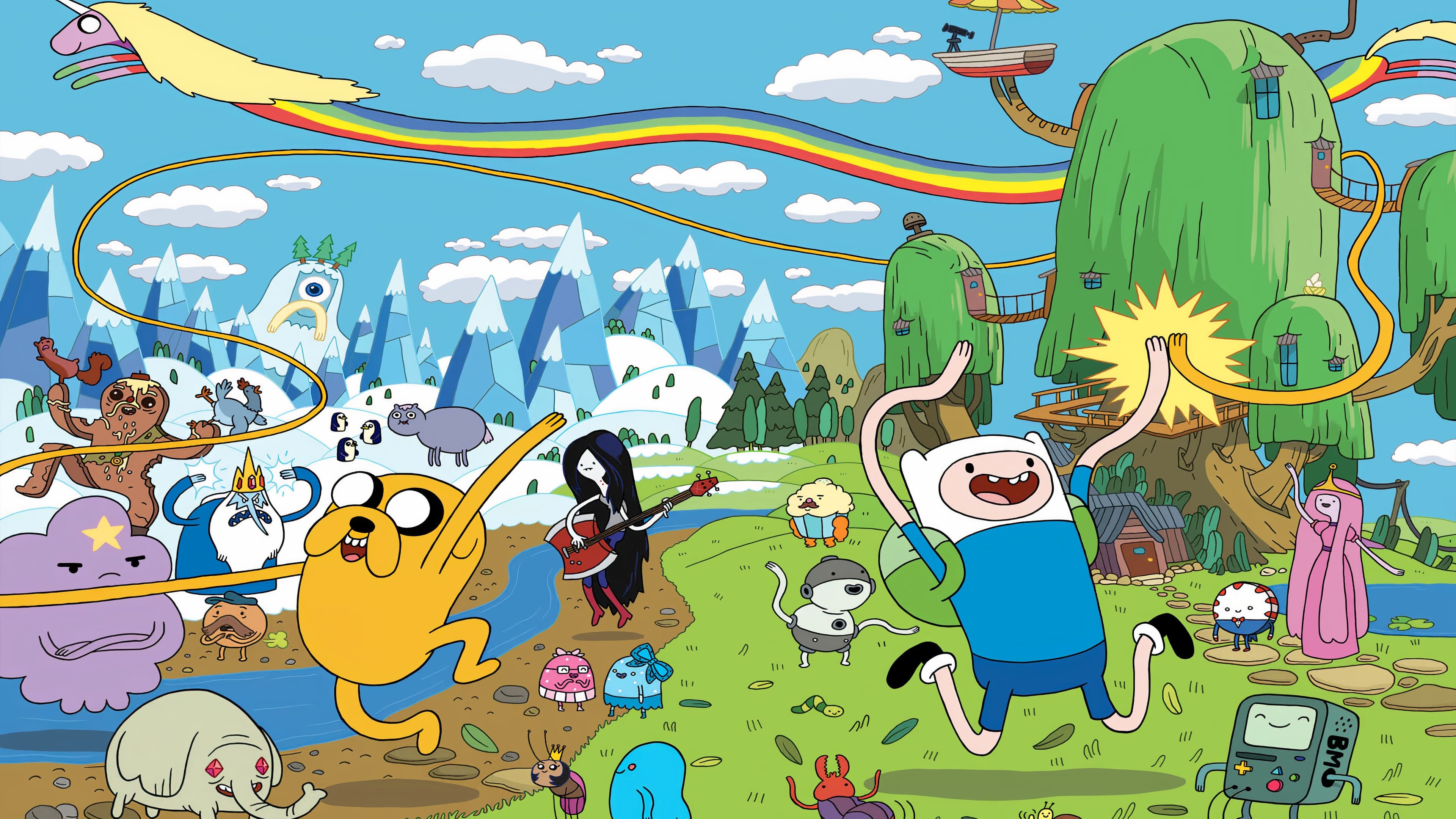
When Adventure Time premiered on Cartoon Network back in April 2010, it arrived as something deceptively simple: a show about a boy and his magical dog exploring a post-apocalyptic candy kingdom. But what Pendleton Ward created was far more ambitious than that elevator pitch suggested. Over ten seasons and 279 episodes, the series evolved into something that fundamentally changed how animated storytelling could work on television, proving that shows aimed at younger audiences could tackle genuinely complex themes without losing their humor or heart.
The genius of Adventure Time lies partly in its format. Those 11-minute episodes might seem like a constraint, but Ward and his team weaponized that brevity into something powerful. Each installment had to earn its laughs immediately while layering in genuine emotional weight, character development, and world-building that unfolded across seasons. It’s the kind of structure that demands tightness and clarity—there’s no room for filler when you’ve only got eleven minutes. This meant every joke landed harder, every character moment hit deeper, and the show’s ability to shift tone from comedy to genuine melancholy felt earned rather than manipulative.
What truly set Adventure Time apart was its willingness to let consequences matter. Here was a Cartoon Network show that didn’t reset everything each week. Characters changed. Relationships evolved. The world itself transformed. The Candy Kingdom wasn’t just a colorful backdrop—it was a fully realized civilization with its own politics, conflicts, and moral ambiguities. Princess Bubblegum wasn’t simply a friendly character to visit; she was a complex leader making difficult decisions that sometimes veered into ethically murky territory. This depth gave the show legs that carried it through its entire run, culminating in Come Along With Me, the series finale that achieved a remarkable 8.6/10 rating and gave audiences a conclusion that actually felt earned.
> The show’s 8.5/10 rating across its run reflects something remarkable: consistency in quality across a decade of television, in an industry where most shows struggle to maintain momentum after three or four seasons.
The characters themselves became iconic touchstones of animation. Finn and Jake’s friendship anchored the entire series, but it was never static—it matured alongside the show’s audience. The supporting cast operated at a level of depth you rarely saw in animated television:
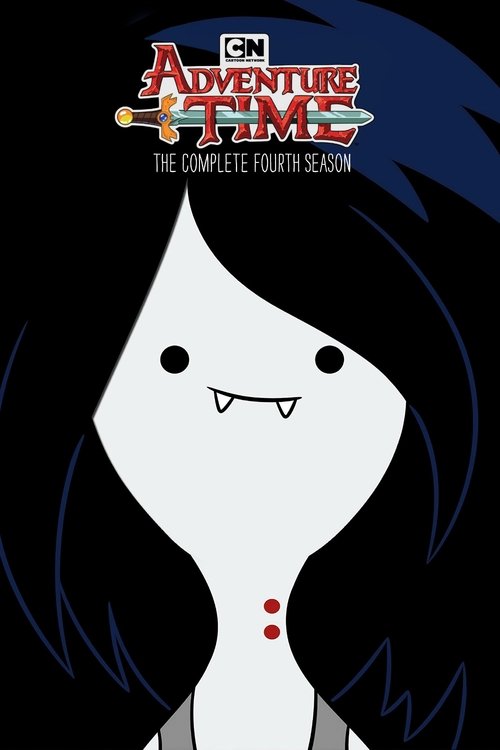
- Marceline the Vampire Queen transformed from a throwaway antagonist into one of television’s most compelling characters, with Stakes, her origin story miniseries, becoming a high point that showed what the format could achieve
- Princess Bubblegum defied the “damsel” archetype entirely, becoming a flawed leader grappling with utopia and control
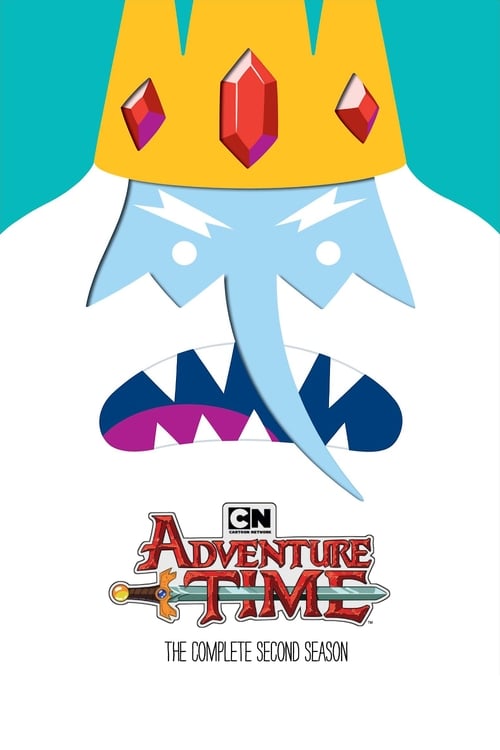
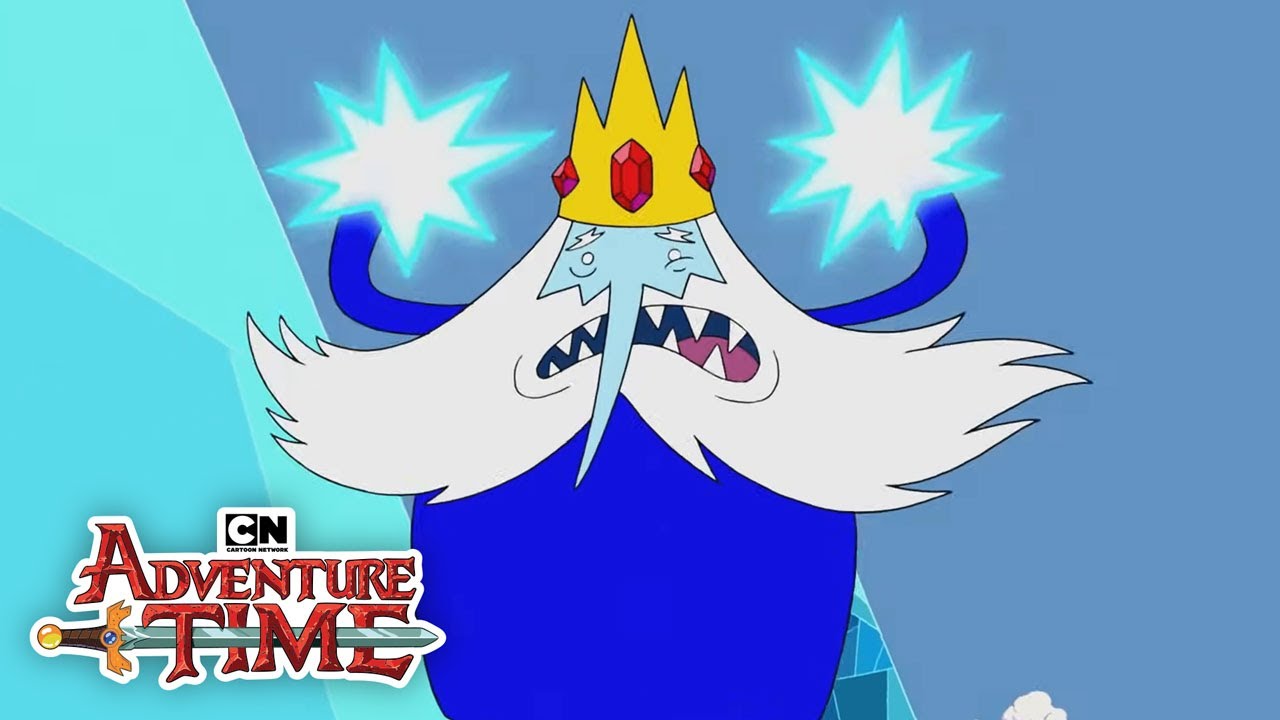
- The Ice King started as comic relief but gradually revealed himself as a tragic figure trapped by circumstances beyond his control
- Simon Petrikov’s full story, connecting to the Ice King’s past, remains one of animation’s most heartbreaking narratives
The show’s evolution across its seasons tells an interesting story through the ratings themselves. After starting at a solid 7.5 in its first season, Adventure Time climbed steadily, hitting 7.8-7.9 across the middle seasons before hitting 8.2 by Season 7. That upward trajectory wasn’t accidental—Ward and crew were becoming more confident in pushing the show’s mythology, taking bigger narrative risks, and trusting their audience to follow them into darker, more complex territory.
The genre classification of Animation/Comedy/Sci-Fi & Fantasy doesn’t quite capture what made Adventure Time special. Yes, it was funny—genuinely hilarious at times—but it was also genuinely moving. It could be whimsical and grotesque in the same episode. It explored themes of mortality, identity, trauma, and redemption in ways that rivaled live-action drama, yet it never lost its sense of play and wonder. That tonal dexterity became the show’s superpower.
Culturally, Adventure Time became a phenomenon in ways that extended far beyond viewership numbers. The show sparked meaningful conversations about LGBTQ+ representation in children’s media, particularly through the relationship between Marceline and Princess Bubblegum. It inspired fan communities that rivaled any prestige drama in their passion and analysis. Fan theories about the show’s mythology, the nature of the post-apocalypse, and the deeper lore became genuine cultural moments. The show trusted its audience enough to weave mysteries across seasons that would pay off in ways both subtle and profound.
What really demonstrates Adventure Time’s cultural footprint is how it influenced the landscape of animated television that followed. Shows like The Owl House, Craig of the Creek, and numerous other animated series learned from Ward’s approach: that animation could be funny and heartfelt, that serialized storytelling could work within short-form television, and that audiences—especially younger ones—craved authenticity and complexity rather than the safe, reset-button narratives of earlier eras.
The show’s availability across multiple platforms (Hulu, HBO Max, Cartoon Network channels) speaks to its lasting value in the streaming era. Networks and platforms continue to invest in making Adventure Time accessible because the show has proven it has genuine replay value and cross-generational appeal. Adults who grew up with the series watch it again and discover new layers, while new audiences discover why a show that ended in 2018 continues to matter.
Looking back at a show that ran from 2010 to 2018, Adventure Time represents a specific moment in animation history where creative ambition, network support, and cultural timing aligned perfectly. Pendleton Ward created something that respected its audience’s intelligence while maintaining genuine joy and wonder. It proved that you could tell important stories in eleven-minute chunks, that serialized narratives belonged on Cartoon Network, and that animation could be every bit as narratively sophisticated as any other medium. That’s why, nearly a decade after its finale, the show still resonates—because it fundamentally changed what television animation could be.