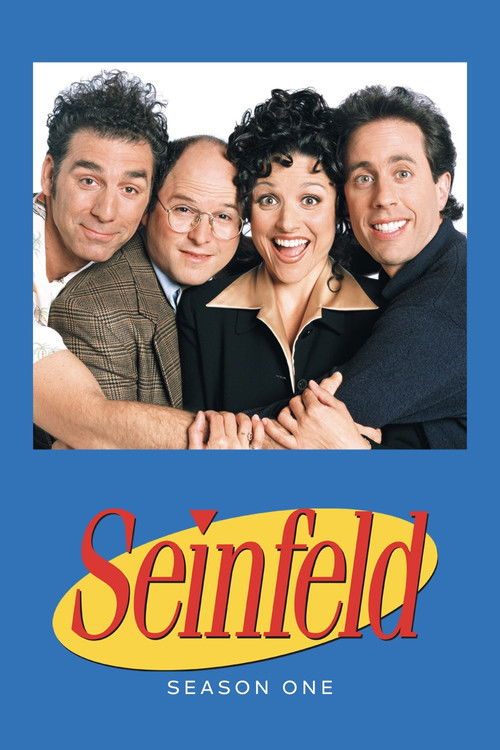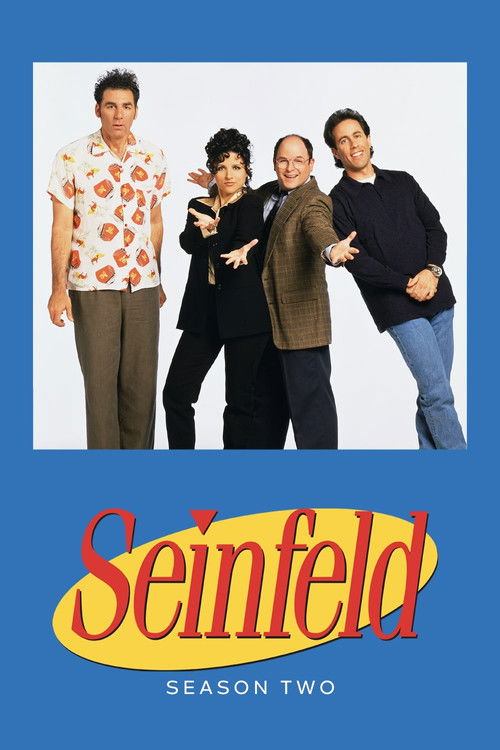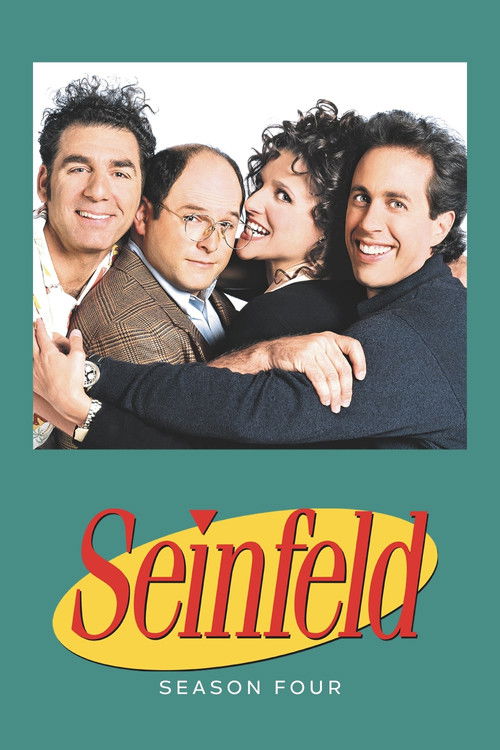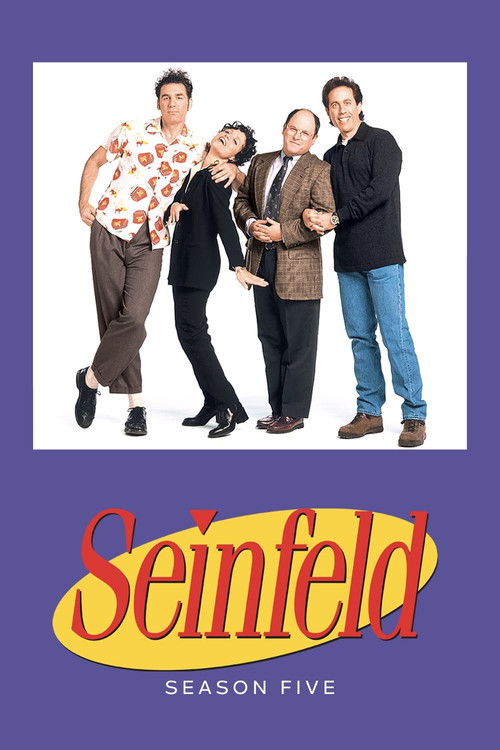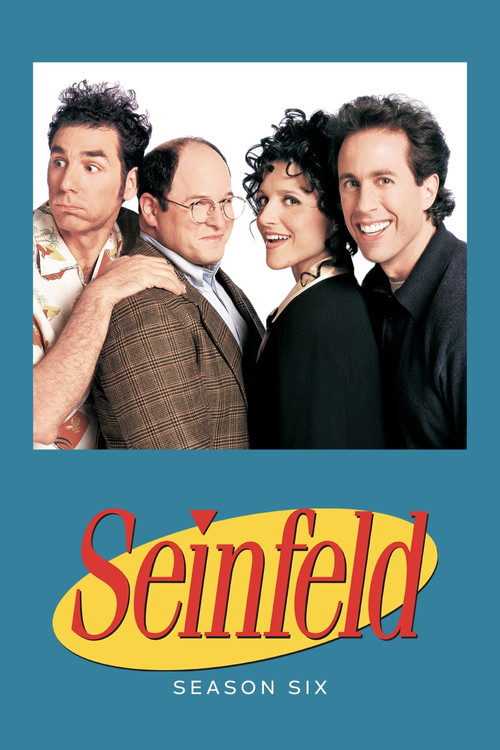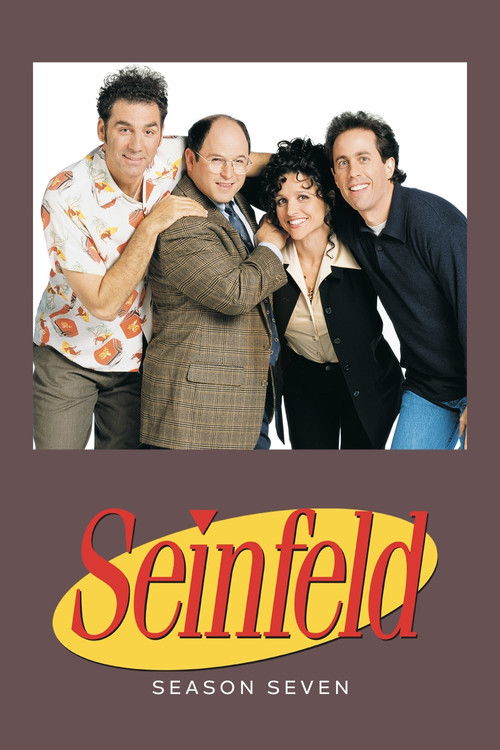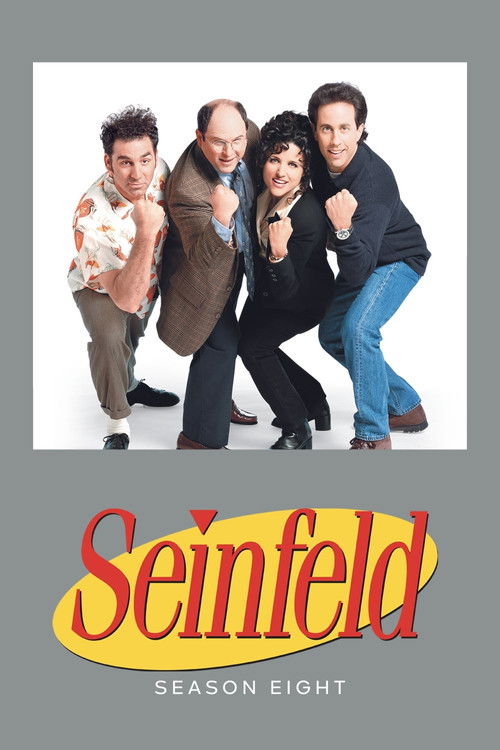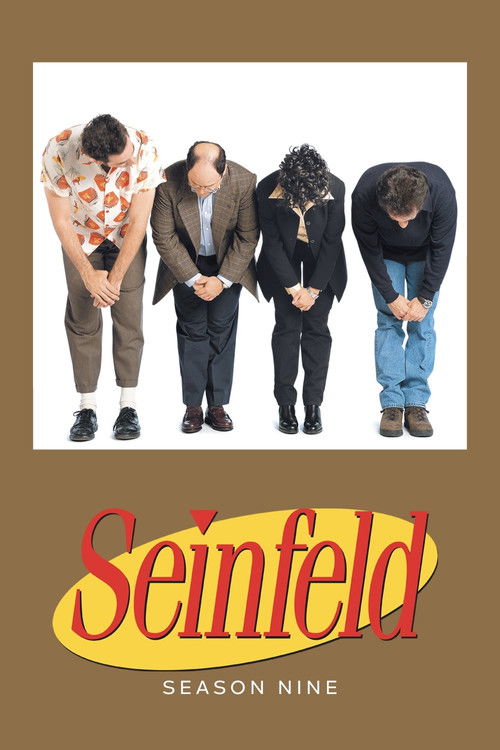
When Seinfeld premiered on NBC back on July 5, 1989, nobody quite knew what they were getting into. The show, which Jerry Seinfeld and Larry David had carefully crafted, arrived as The Seinfeld Chronicles—a modest entry into a crowded late-night comedy landscape. But what unfolded over the next nine seasons and 180 episodes was nothing short of a revolution in how television approached storytelling. The show’s eventual 8.3/10 rating tells part of the story, but the real magic was always something deeper—a fundamental shift in what audiences wanted from their comedy and how they were willing to laugh.
The genius of Seinfeld lay in its radical commitment to a simple premise: a show about nothing. While that sounds dismissive, it was actually liberation. By stripping away the high-stakes narratives and manufactured drama that defined most sitcoms, Seinfeld and David created space for something revolutionary—comedy grounded in the actual texture of everyday life. The show didn’t need a will-they-won’t-they romance driving the plot or a workplace crisis to resolve. Instead, it found humor in the minutiae: waiting for a table at a restaurant, the etiquette of standing while someone uses the bathroom, whether you should return a shirt you’ve worn once.
> “It’s about how these characters interact in their world, what makes them laugh, what annoys them. That’s the whole show.” This philosophy permeated every aspect of the series, from character development to episode structure.
What made this approach so groundbreaking was how it validated a specific kind of observational comedy that had existed before but never dominated network television. Jerry Seinfeld’s stand-up sensibility became the heartbeat of the show, and that outsider’s eye—noticing the absurd in the ordinary—gave the series permission to explore territory that felt genuinely new. The show didn’t preach or sentimentalize. It simply observed.
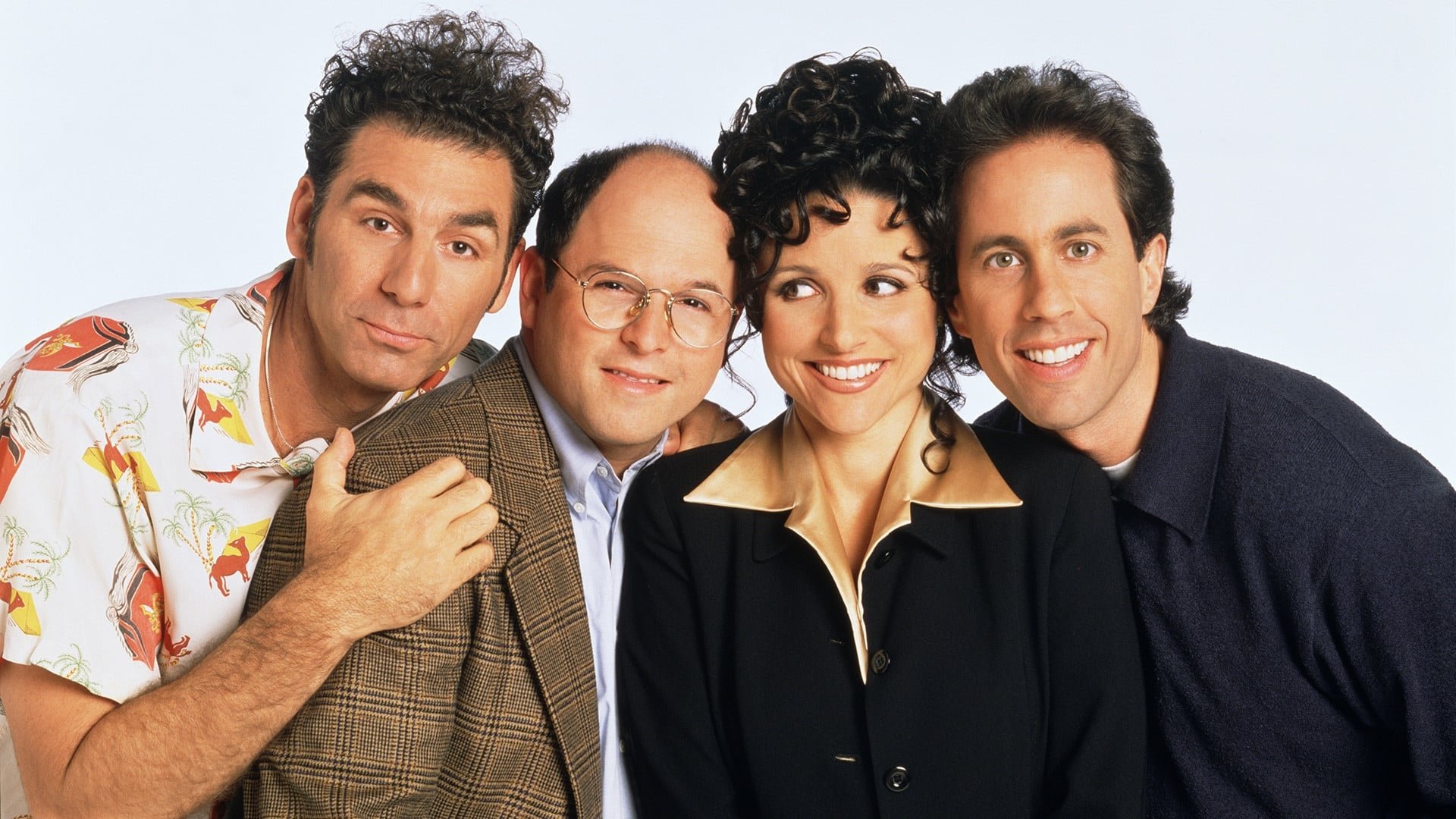
The supporting cast became just as essential to this vision. Kramer, George, and Elaine weren’t sidekicks or supporting players—they were fully realized characters with their own neuroses, contradictions, and arcs. George Costanza’s desperate social maneuvering, Elaine’s romantic misadventures, and Kramer’s chaotic energy created a perfect ecosystem for the show’s particular brand of humor. These characters felt real because they were allowed to be authentically flawed, without the redemption arcs that usually concluded sitcom episodes.
Looking at the show’s trajectory through its nine seasons reveals something interesting about quality and audience connection:
- Seasons 4-7 represented the show’s creative and ratings peak, consistently hitting the 8.4 rating mark
- Season 1 started modestly but established the foundational voice
- The middle seasons saw the show’s supporting cast become increasingly developed and complex
- Later seasons occasionally felt formulaic but maintained the core appeal that had built such loyalty
The cultural footprint Seinfeld left behind extended far beyond the television set. The show generated phrases and references that became part of the cultural lexicon: “Master of Your Domain,” “Not that there’s anything wrong with that,” “giddy-up,” “yadda yadda yadda.” But more importantly, it sparked conversations about representation, social norms, and what we actually find funny. Certain episodes became cultural touchstones—discussions about an episode didn’t fade after the week it aired; they persisted, evolved, and deepened.
What truly distinguished Seinfeld was its influence on the entire television landscape. The show essentially created a template for the modern sitcom: serialization within episodic structure, character consistency across seasons, the willingness to let humor come from character rather than plot mechanics. Shows that came after—from Curb Your Enthusiasm to contemporary comedy series—owe a direct debt to what Seinfeld and David pioneered. The idea that a comedy could be sophisticated, adult-oriented, and wildly popular on network television seemed almost impossible before this show proved otherwise.
The creative achievement shouldn’t be understated either. With an unknown runtime that could flex based on storytelling needs, the show had remarkable freedom in how it structured comedy. Sometimes a cold open could be just two or three minutes; sometimes a scene could breathe and develop. This flexibility allowed for a kind of comedy that felt almost improvisational, even though everything was meticulously written. The show earned its reputation not through broad physical comedy or easy sentimentality, but through sharp writing and genuine character work.
As the series ended its run, having completed its nine-season arc, Seinfeld proved that a show built on observation and character could sustain itself at the highest levels of network television. The fact that it now streams on Netflix and Netflix Standard with Ads means new generations continue discovering why this “show about nothing” became the show that defined a generation’s sense of humor. That 8.3/10 rating isn’t just a number—it represents the enduring appeal of comedy that respects its audience’s intelligence and recognizes that the real drama of life exists in the small, everyday moments we all experience.