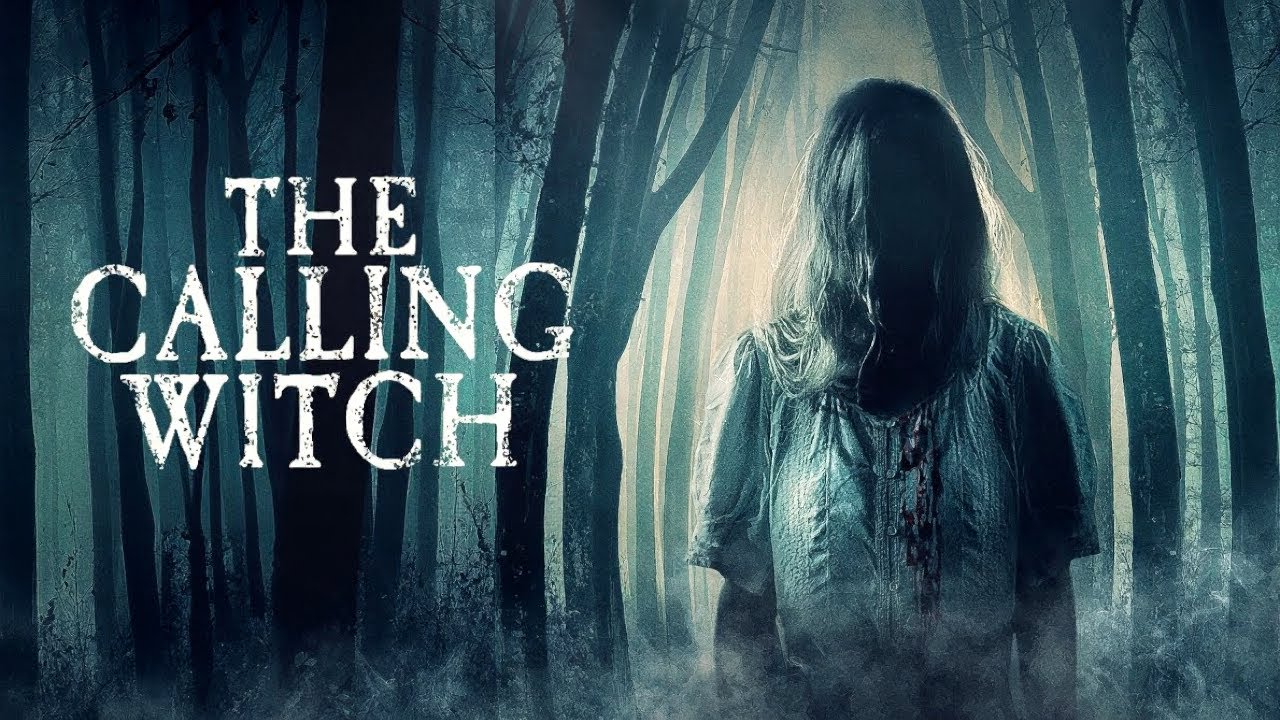
When Mark Wilson’s The Calling Witch premiered on January 20, 2026, it arrived during a crowded season for horror cinema—a time when audiences had grown increasingly skeptical of supernatural stories that relied too heavily on jump scares and tired tropes. What Wilson delivered instead was something more psychologically fractured: a film that uses the familiar setup of a haunted-house narrative but turns it inward, making the real terror come from grief, guilt, and the way stories themselves can consume us.
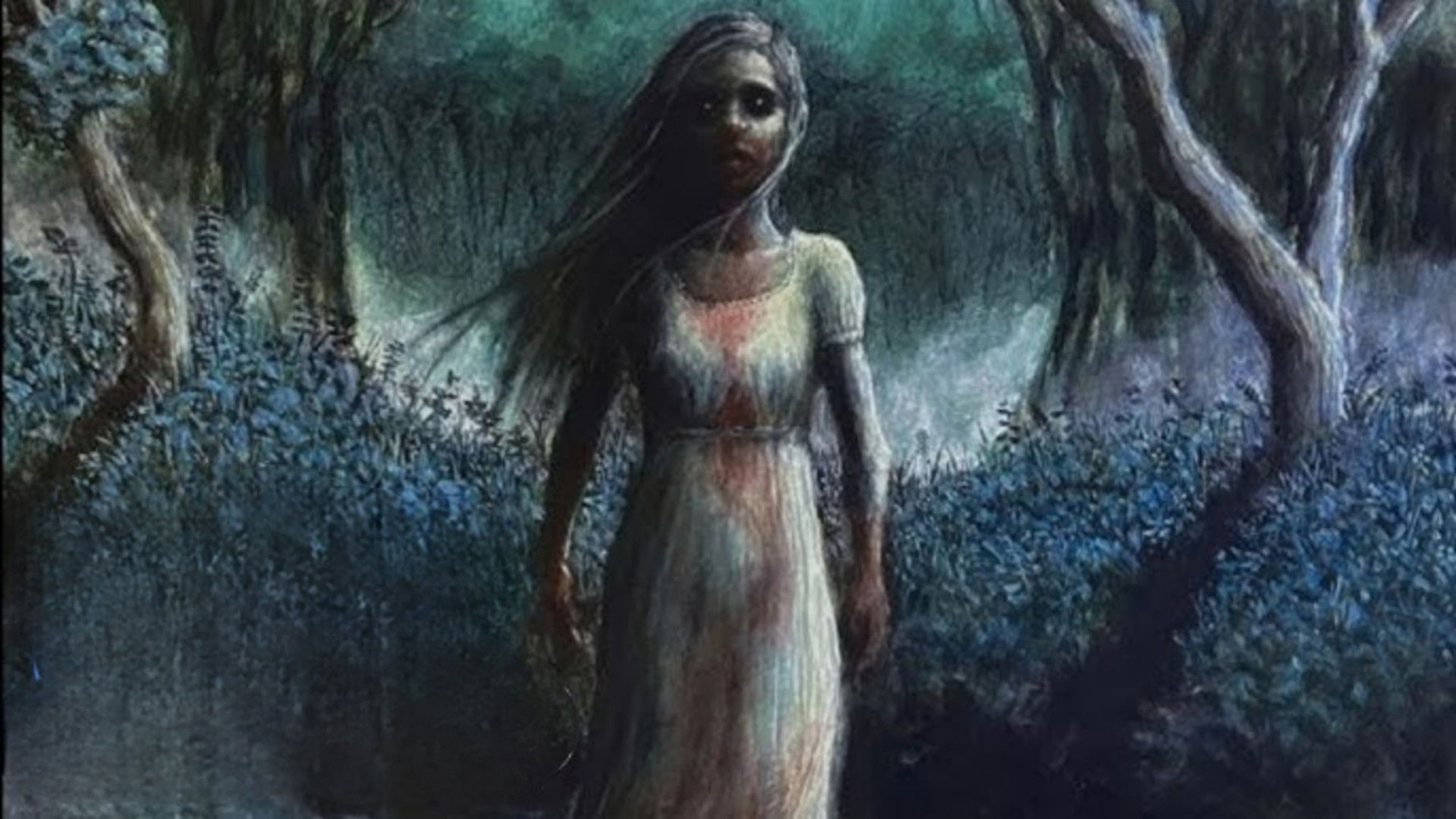
The premise is deceptively simple. A brother and sister find themselves stalked by what appears to be their deceased mother’s most terrifying literary creation—a entity known as the Calling Witch. But Wilson and screenwriter Chris Retts aren’t interested in the straightforward monster-movie angle. Instead, they’re exploring something messier: the idea that our parents’ legacies can haunt us literally and figuratively, that the fictions people create can take on a life of their own, and that sometimes the scariest thing isn’t what’s chasing you, but what you’re running from inside your own mind.
With a runtime of just 98 minutes minutes, the film moves with a lean efficiency that serves it well. There’s no fat here, no unnecessary scene-setting. Wilson trusts his audience to fill in gaps and sit with discomfort. That’s both the film’s strength and, for some viewers, its weakness.
The Cast and Their Dynamics
Danika Golombek carries much of the emotional weight as the sister grappling with her mother’s complicated legacy. She brings a rawness to the role that avoids melodrama—this isn’t a character performing trauma for the camera, but someone genuinely trying to survive and make sense of inexplicable events. Grayson Eddey, as her brother, provides an interesting counterpoint: where Golombek’s character leans into the emotional reality of their situation, Eddey’s sibling responds with skepticism and rationality, at least initially. Their dynamic creates natural friction, and the film mines real drama from their conflicting interpretations of what’s happening to them.
Nathalie Söderqvist appears primarily as the specter of their late mother, and in this role she does something fascinating—she makes the mother simultaneously sympathetic and menacing. You understand why these siblings are drawn to her, even as the presence terrifies them.
Reception and Reality
The film earned a 6.1/10 rating from 7 votes on this database, which tells you something important: reactions were divided. This isn’t the kind of movie that polishes itself to universal approval. User reviews on IMDb reveal the split starkly. Some praised Wilson for subverting expectations and refusing to deliver the home-invasion thriller the marketing suggested. Others felt genuinely betrayed—they came for a creature feature and got a family tragedy wrapped in horror-film clothing instead.
That tension between marketing and delivery is worth examining. The tagline “Stay Out of the Woods” promises a creature-in-nature threat. The trailers suggested a pulp horror experience. What arrived was more of a character study masquerading as a thriller—and that bait-and-switch either works for you or it doesn’t. There’s legitimate criticism in the complaint that the Calling Witch herself receives minimal screen time. But that’s also partially the point. The creature is almost secondary to the psychological unraveling of the siblings as they confront what their mother’s art meant, what it cost her, and what it’s costing them.
The Deeper Layers
What makes Wilson’s approach interesting is how it refuses easy answers. The film doesn’t clearly establish whether the supernatural threat is real, psychological, or something that exists in the space between the two. By the conclusion, you’re left uncertain in a way that feels deliberate rather than muddled. Some will call this ambiguous filmmaking; others will call it frustrating. Both reactions have merit.
The influence of The Calling Witch on contemporary horror may not be immediately obvious, partly because the film existed in that awkward middle space—not quite mainstream enough to dominate conversation, but inventive enough to matter to people paying attention. In a genre often dominated by franchises and IP, Wilson proved that original stories could still find an audience, even if that audience was smaller and more fractured than studios might prefer.
Why It Matters
What lingers about The Calling Witch isn’t a specific scare or a memorable creature design. It’s the unsettling idea that the art we create outlives us, that it carries weight and intention we might not fully control, and that sometimes the most frightening thing is recognizing ourselves in our parents’ darkness. Wilson made a film about inheritance—not just of trauma, but of narrative itself. The mother’s stories are alive in a way that transcends the supernatural mechanics of the plot.
The collaboration between Wilson, Golombek, Eddey, and Söderqvist created something that refuses to be pinned down as purely this or that. It’s not quite the film audiences expected, and maybe that’s exactly why it deserves a second look. In five years, when horror discourse has moved on to the next wave of trends, The Calling Witch will still be the kind of film people stumble across and argue about—not because it’s perfect, but because it actually has something to say.