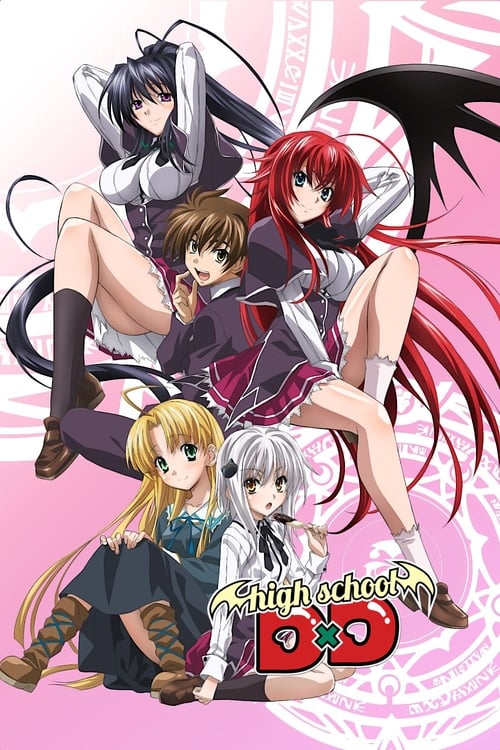
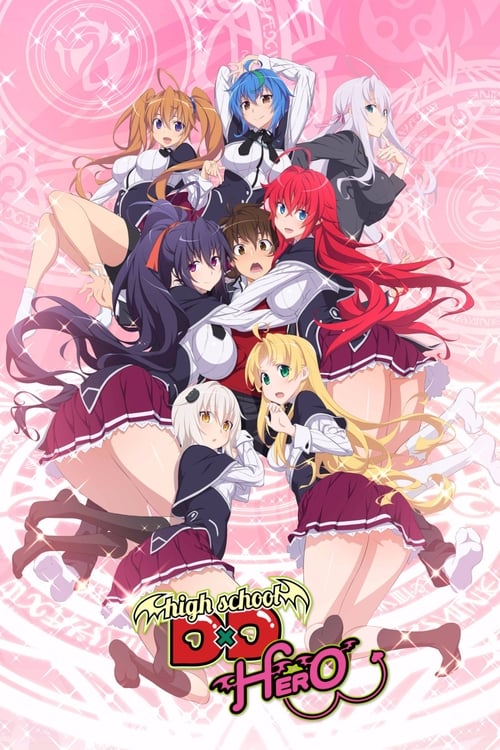
When High School D×D premiered on AT-X back in January 2012, nobody could have predicted it would become the unexpected phenomenon that kept audiences talking for nearly a decade. What started as a seemingly disposable ecchi comedy with a ridiculous premise—a perverted high school boy gets killed on his first date and reincarnated as a devil—evolved into something with real narrative depth and characters that audiences genuinely cared about. Across 4 seasons and 49 episodes, the show earned a 8.5/10 rating that reflects something interesting: viewers recognized there was substance underneath the surface-level fan service that initially drew them in.
The premise itself is deliberately absurd, which is part of why it works. Issei Hyodo isn’t some generic protagonist with hidden powers and a tragic backstory. He’s just a hormonal teenager whose greatest ambition is to create a harem, and when a girl he’s interested in turns out to be a fallen angel bent on killing him, well, his entire life gets turned upside down. What’s remarkable is how the show takes this dopey setup and uses it as a genuine foundation for exploring themes of loyalty, growth, and finding your place in a world that doesn’t quite fit your expectations. His senpai and master, Rias Gremory, initially seems like pure fan service material, but the show gradually reveals genuine emotional complexity in her character and her motivations.
> The trick that High School D×D pulled off was making you actually invest in its characters while never apologizing for what it fundamentally is—a show that loves to indulge in comedy and fanservice alongside its action and supernatural intrigue.
The show’s approach to blending genres is where it really distinguishes itself from typical anime fare. You get genuine action sequences with high stakes, apocalyptic mythology involving demons, angels, and fallen angels waging complex wars. But then it immediately cuts to comedy beats that range from slapstick to awkward sexual humor. Some viewers couldn’t get past that tonal whiplash—and that’s valid. But for audiences who rolled with it, the show’s willingness to move between serious dramatic moments and ridiculous comedy created a unique rhythm. One episode might end with a shocking character death or major revelation, and the next opens with physical comedy that undercuts any pretension.
The creative achievement here comes from the production team’s understanding of their source material and audience. Directed by Tetsuya Yanagisawa and written by Takao Yoshioka, the adaptation made smart choices about what to emphasize and what to tone down from the original light novels. The animation itself, produced by TNK, isn’t the most technically impressive work ever made, but it’s consistent and serves the story well. The character designs are appealing, and when it needs to deliver action, it does so effectively. This practical approach to production meant the show could focus on narrative pacing and character development rather than chasing visual spectacle.
What genuinely changed the landscape was how High School D×D demonstrated that a show could acknowledge its own fanservice openly, even celebrate it, while still telling a story that earned emotional weight. There were no apologies here. The show knew exactly what it was, and that confidence is almost refreshing compared to anime that tries to hide its intentions behind layers of plausible deniability. The sexual comedy isn’t deployed as a distraction from a weak story—it’s integrated into the narrative in ways that reveal character dynamics and relationships.
The show’s journey from debut to conclusion across nearly six years reflects something important about anime production cycles and audience loyalty:
- Season one established the premise and introduced the core cast while establishing tone
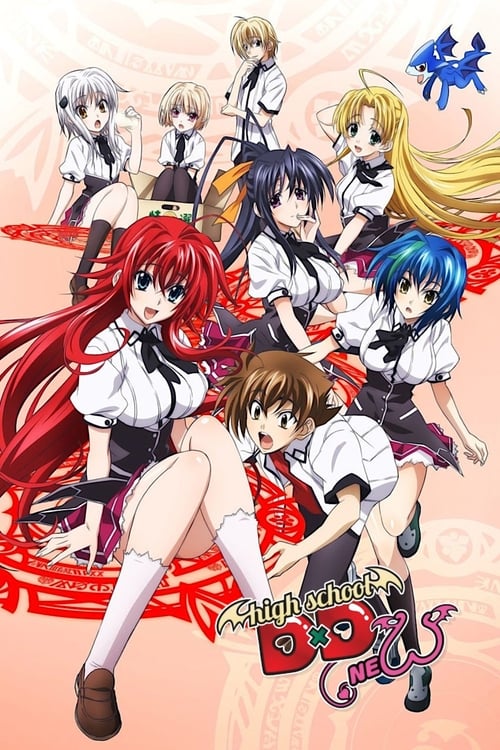
- Season two (released in 2013 as “New”) expanded the world and mythology significantly
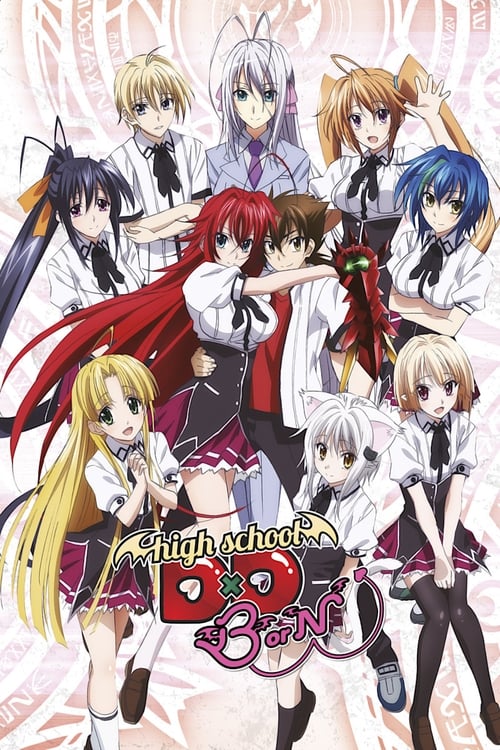
- Season three and season four continued escalating stakes while maintaining character focus
- The extended run allowed for genuine character arcs and relationship development that many anime simply can’t achieve in shorter runs
The cultural impact extended into genuine fandom engagement. High School D×D became referenced in anime communities as a show that successfully walked the tightrope between self-aware comedy and genuine storytelling. You saw endless discussions about whether the fanservice undermined the narrative or enhanced it. Some people couldn’t get past it, and that’s understandable. Others recognized that the show was using sex comedy as a tool for character development and establishing relationships in ways that felt organic rather than gratuitous.
What strikes you looking back is how the show managed to sustain audience interest across 49 episodes without relying on the same tricks repeatedly. The supernatural mythology deepens as the series progresses. New factions are introduced with their own political complexities. Character relationships evolve in ways that feel earned rather than manipulated. Issei grows as a person, even as the show never stops being genuinely funny about his perversity. That’s harder to pull off than it sounds.
The ending of the series leaves room for continuation—which is why fans periodically hope for revival announcements—but Ended, the show concluded with a sense of completion. The main conflicts reach resolution, character arcs get closure, and the world feels stable in a way that satisfies viewers. You don’t feel abandoned or frustrated by the conclusion, which matters tremendously for long-running series.
Ultimately, High School D×D deserves attention because it’s a show that understood its identity completely and executed on that identity with consistency across four seasons. It didn’t try to be something it wasn’t. It didn’t apologize for its interests. And beneath the surface-level appeal, it constructed a world with real stakes, genuine character relationships, and action that mattered. That combination—shameless fun layered over actual substance—is rarer than you might think.



![New Opening | Sympathy - Larval Stage Planning [Subtitled]](https://img.youtube.com/vi/KOc9GDuoxPo/maxresdefault.jpg)