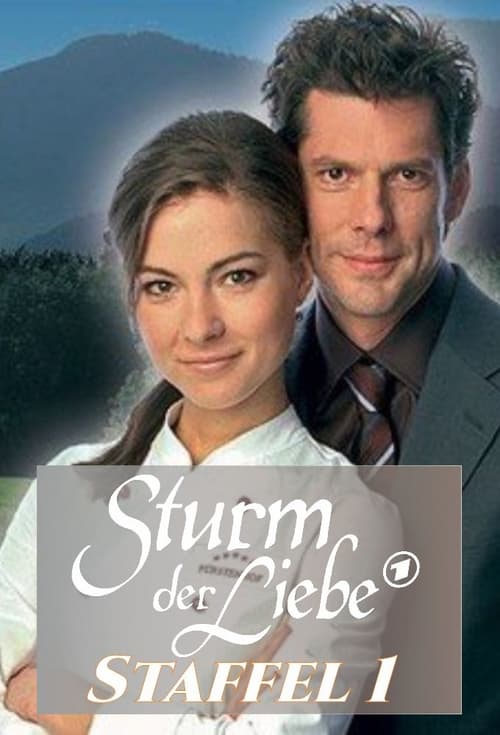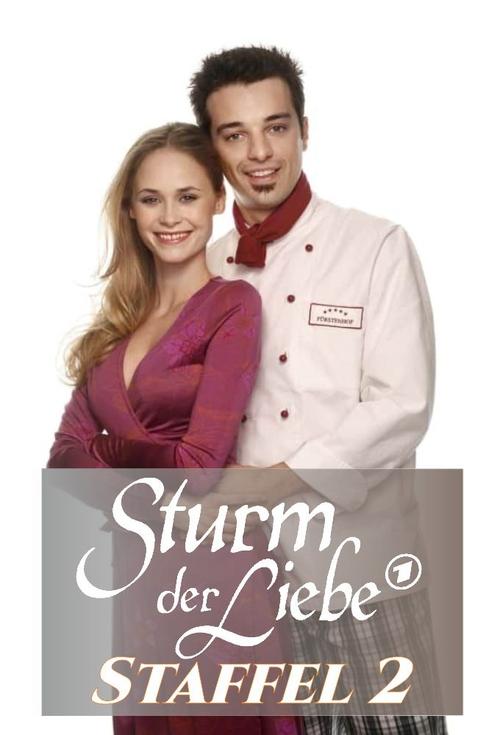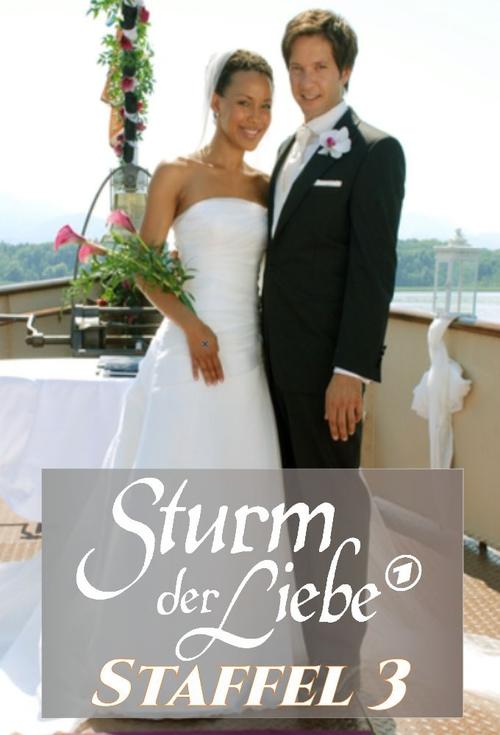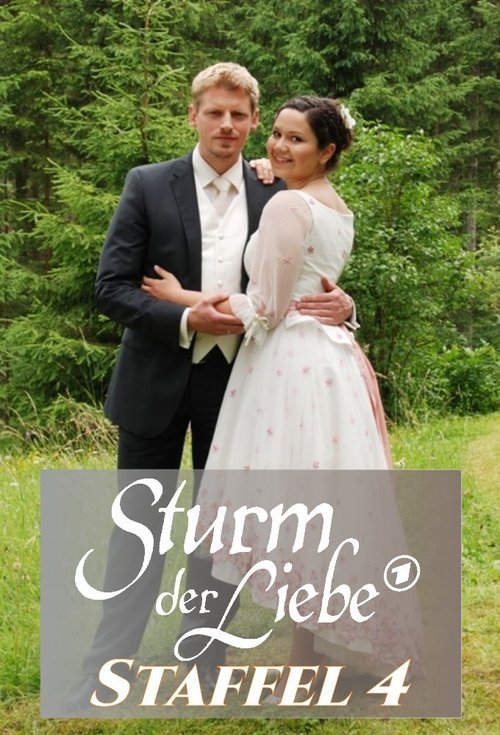
When Sturm der Liebe premiered in 2005, German television was about to welcome a soap opera that would defy the typical shelf life of the genre. Twenty-two seasons and over 4,500 episodes later, creator Bea Schmidt’s vision remains remarkably intact—a testament to the show’s carefully constructed world and its understanding of what keeps viewers invested across decades. The Fürstenhof hotel is more than a setting; it’s a character itself, a five-star backdrop where the messy realities of love, ambition, and family drama play out with the precision of a well-oiled machine.
What makes this show worth discussing isn’t its pursuit of flashy storytelling. Instead, it’s the opposite: Sturm der Liebe understands the power of consistency. The 50-minute episode format creates natural breathing room for character development without the bloat that can plague soap operas. This runtime is crucial to the show’s identity. It’s long enough to develop multiple story threads within a single episode, yet short enough that pacing remains tight. Within those 50 minutes, you’re tracking the personal lives of hotel staff, the internal politics of the Saalfeld family ownership, and whatever romantic entanglements are currently fracturing the hotel’s social hierarchy.
> The show’s real achievement is in how it treats relationships as genuinely complicated—not as plot devices to be resolved, but as ongoing negotiations between flawed people trying to coexist in close quarters.
The longevity speaks for itself, though a 6.0/10 rating from 38 votes reveals something interesting about how audiences engage with this type of content. Soap operas don’t typically chase universal acclaim. They’re relationship-driven narratives that ask viewers to invest in characters across years, sometimes decades. That rating reflects a show that knows its audience and serves them consistently rather than chasing critical validation.
The cultural footprint of Sturm der Liebe within German-speaking television is substantial, even if international recognition remains limited. The show premiered on Das Erste at a time when German television was recalibrating what daytime drama could be. It wasn’t trying to compete with international prestige television. Instead, it carved out its own space—a place where serialized storytelling about ordinary people navigating extraordinary emotional challenges could sustain itself through sheer character work and narrative density.
What’s particularly clever about the show’s structure is how it uses the hotel setting to create natural reasons for character intersections. You can’t escape conflict in a workplace hotel. You can’t hide your past from your colleagues. Every romantic complication inevitably collides with professional consequences. This isn’t a flaw in the writing—it’s the entire engine of the storytelling. Bea Schmidt designed a setting that generates drama organically rather than requiring increasingly contrived plot twists.
The show’s approach to relationship storytelling deserves particular attention. Rather than treating love as a destination—a moment where two characters finally kiss and the story ends—Sturm der Liebe treats relationships as processes. Getting together is one chapter. The real drama comes from two incompatible people trying to build something functional, from betrayals that challenge trust, from love that exists alongside ambition or family obligation. This is closer to how people actually experience relationships.
Consider what the show accomplishes with its 4,544 episodes across 22 seasons: that’s not just quantity. That’s time to let relationships breathe, to show character growth that’s measured in seasons rather than episodes. A character can make a mistake, face consequences, attempt redemption, fail, try again—all across months of storytelling. By the time resolution arrives, it feels earned because you’ve watched the actual work of change happen.
The streaming accessibility question that surrounds the show is telling. While older episodes remain difficult to access outside Germany, the fact that viewers seek out this content speaks to its reputation. The ARD Mediathek keeps recent episodes available, but that doesn’t satisfy longtime fans who want to revisit earlier seasons. This friction between availability and demand is actually a compliment—people want this show enough to be frustrated when they can’t find it.
What makes Sturm der Liebe endure:
- Consistent character work that treats people as having interior lives beyond their current romantic status
- A setting that naturally creates reasons for characters to interact professionally and personally
- Pacing that respects both individual episodes and long-term narrative arcs
- A commitment to serialized storytelling that doesn’t rely on artificial cliffhangers or melodrama
- Recognition that the audience is intelligent enough to follow complex, overlapping relationship stories
The Returning Series status tells you this show still has life in it. Nineteen years after its debut, networks and audiences both consider it worth continuing. That’s not luck. That’s the result of understanding what a specific audience needs from their television and delivering it with reliability.
If you dismiss Sturm der Liebe as “just a soap opera,” you’re missing what makes it worth your time. It’s a masterclass in understanding your audience and meeting them where they are, not where critics think they should be. For anyone interested in how long-form television storytelling actually works—how to maintain momentum across hundreds of episodes without losing character specificity—this show is genuinely instructive.