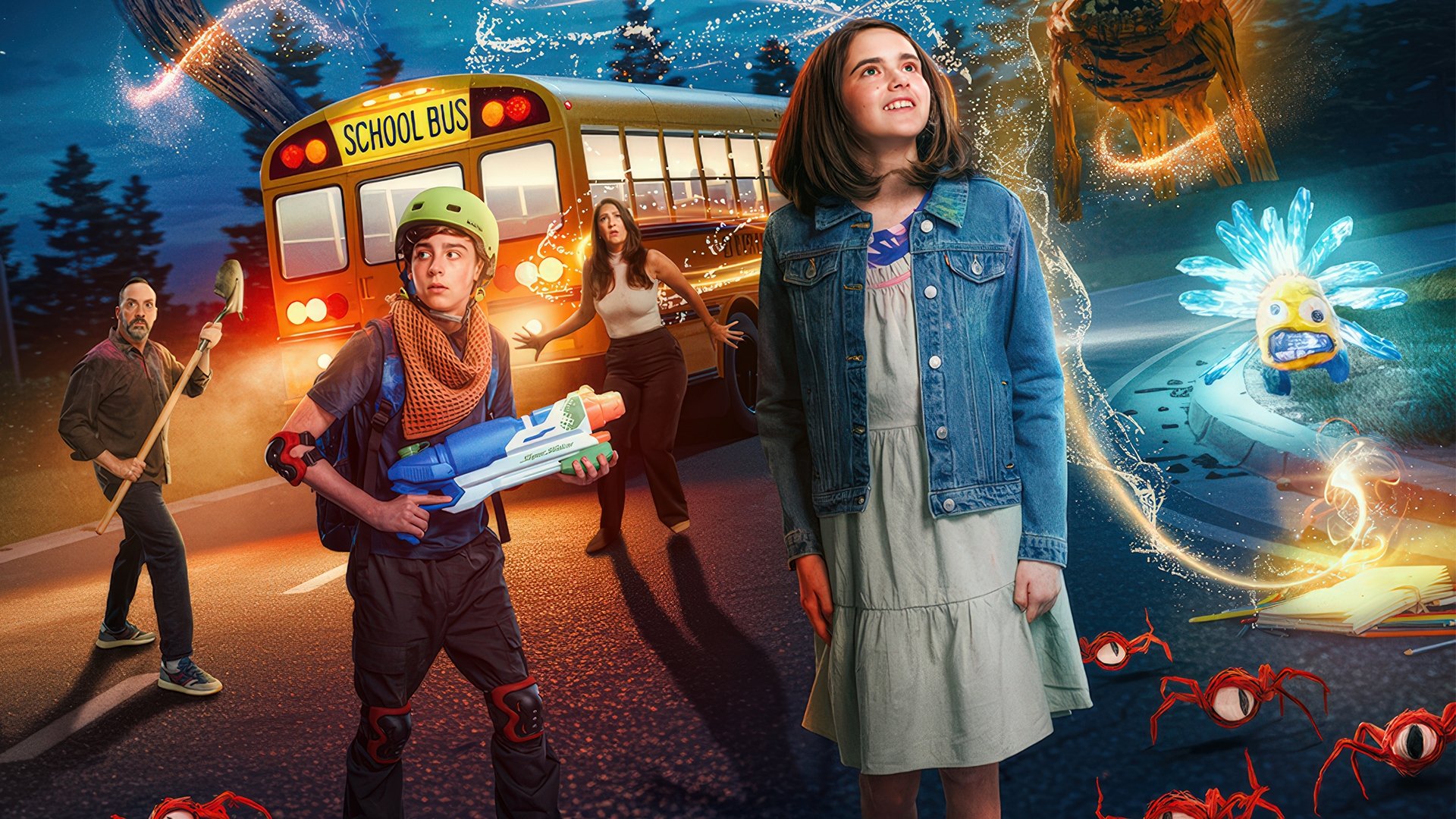
When Seth Worley’s Sketch was released in August 2025, it arrived with modest expectations but a genuinely charming premise. A young girl’s sketchbook falls into a mysterious pond, her drawings materialize into chaotic, living creatures, and suddenly the entire town is dealing with the consequences of unleashed imagination. It’s the kind of concept that could easily collapse under its own whimsy, but what Worley managed to pull off was something more careful and considered than typical family fantasy fare.
The film earned $10.76 million against a $4.80 million budget, which tells you something interesting right away. It didn’t become a blockbuster phenomenon, but it found its audience and turned a solid profit. For a directorial debut in the crowded family film market, that’s respectable. More importantly, it achieved a 7.1/10 rating from 94 votes—not perfect, but honest. That kind of score suggests a film that audiences genuinely connected with, even if critics remained somewhat reserved.
What makes Sketch work is its understanding of family dynamics as the actual dramatic spine. Tony Hale carries the film with the kind of earnest desperation he does so well. There’s something about Hale’s ability to make a parent’s panic feel both comedic and genuine that makes this film tick. He’s not winking at the camera about how ridiculous the situation is; he’s actually dealing with the fallout of his daughter’s imagination running wild. D’Arcy Carden brings a different energy—sharper, more pragmatic—and the tension between these two approaches to crisis management becomes the real heart of the story.
But the real surprise is Bianca Belle as the young artist at the center of everything. Rather than making her a passive protagonist caught in chaos, Worley gives her agency in the problem and agency in the solution. She’s not just a plot device; she’s the emotional core. This choice—letting the child character think and act rather than simply react—is what separates Sketch from more forgettable entries in the genre.
The film’s 93 minutes runtime is lean and purposeful. There’s no padding here. Worley doesn’t waste time on unnecessary exposition or extended set pieces. Instead, he builds momentum steadily, escalating from the initial strangeness of the sketches coming to life to genuine stakes for this family unit. That brisk pacing is particularly smart for a family film; it keeps younger viewers engaged without exhausting older ones.
What’s interesting about Sketch in the broader context of 2025 fantasy cinema is how it treats its concept with deadpan seriousness. Rather than leaning into the absurdity, Worley plays the situation straight. The drawings are weird and occasionally grotesque, but nobody’s making jokes about it. The family isn’t commenting on how surreal it all is. They’re just… dealing with it. That restraint is almost radical for a film that could easily have become a comedy about how ridiculous it is to have sketches running around town. Instead, it’s a genuine story about consequences and responsibility.
The creative team clearly understood something fundamental: kids don’t need films to spell out the jokes for them. They can handle real tension and actual stakes. Sketch trusts its audience in that way. The fantastical elements serve the story rather than the story serving the spectacle.
> The film’s approach to family conflict feels genuine because nobody’s really wrong. The parents aren’t incompetent fools. The daughter isn’t being reckless on purpose. They’re all just responding to an impossible situation with whatever tools they have.
Looking at legacy, Sketch probably won’t revolutionize how we make family films. It’s not a watershed moment. But it’s the kind of movie that creatives point to when they want to discuss how to handle stakes in family entertainment. It proved that you don’t need elaborate world-building or franchise potential to tell a satisfying story. Sometimes a simple concept—executed with clarity and emotional honesty—is enough.
The film also arrived at an interesting cultural moment. In an era where family content often plays things extremely safe, Sketch took some genuine risks with tone. The drawings aren’t all cute or funny. Some of them are unsettling. The situation escalates in ways that feel dangerous. That willingness to trust that families can handle some real darkness makes the film feel more honest than much of its competition.
In five years, people will remember Sketch not as a massive phenomenon, but as one of those films that quietly did its job really well. It told a complete story with real characters, didn’t overstay its welcome, and earned its emotional beats. In a landscape crowded with sequels, reboots, and extended cinematic universes, that’s becoming increasingly rare. What Worley created was something straightforward and genuine—a film about imagination and family and consequences, told without cynicism or condescension.
That might be the film’s lasting significance. Not that it was revolutionary, but that it was honest. In family entertainment especially, honesty is a gift.