When David Michôd’s Christy came out in November 2025, it arrived quietly—almost defiantly. This is a film about grit and survival that itself struggled to find an audience, earning just $1.31 million against a $15.00 million budget. Yet there’s something worth examining here beyond box office numbers, something about why this particular story, told this particular way, matters.
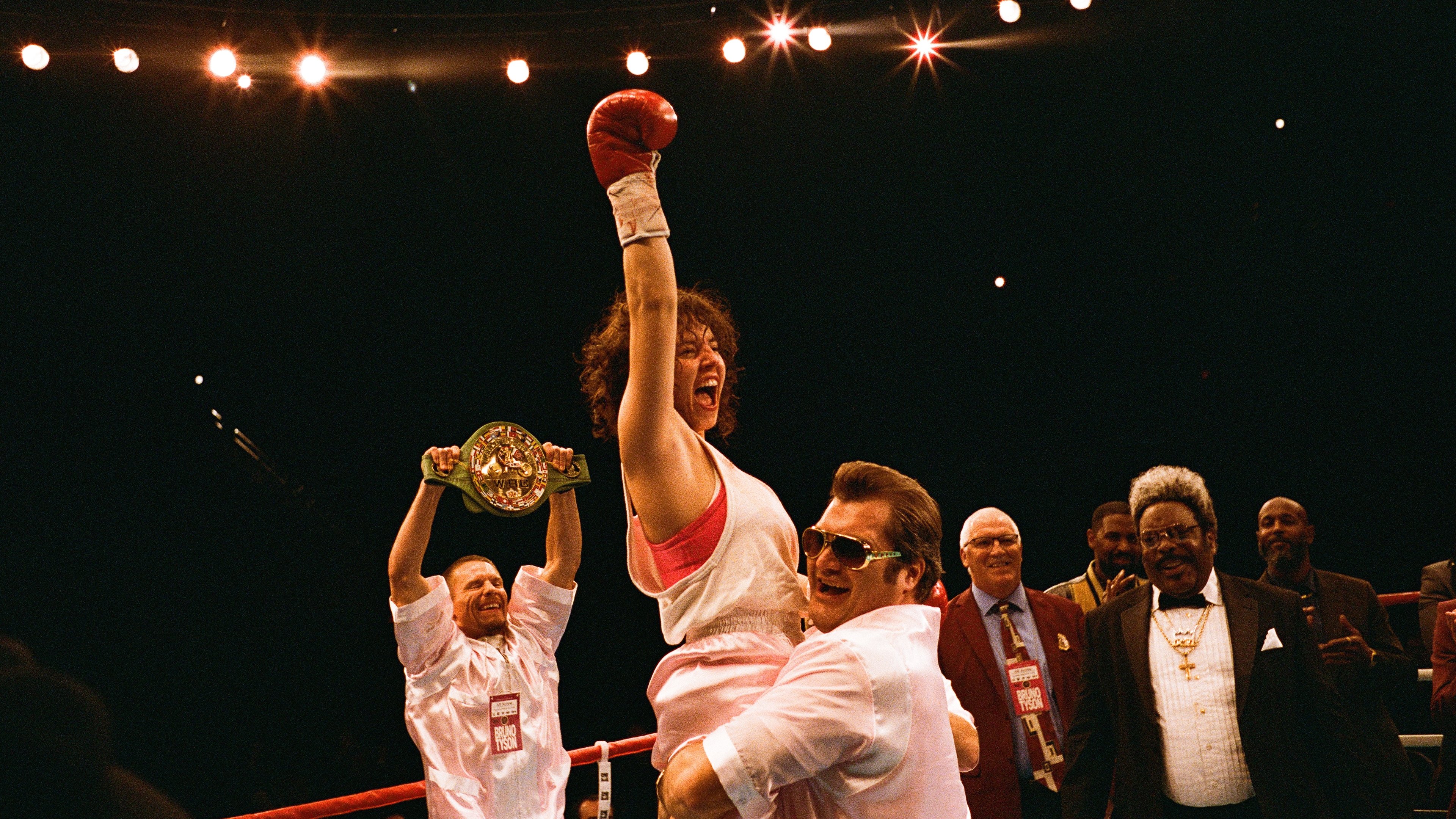
The film tells the true story of Christy Martin, a boxer from West Virginia who defied every expectation placed on her. She wasn’t supposed to leave her small town. She definitely wasn’t supposed to become a champion. But Martin did both—and her journey forces us to reckon with questions about identity, ambition, and the cost of becoming someone you never imagined you could be. What makes Michôd’s approach interesting is that he doesn’t mythologize her. There’s no triumphant sports movie montage here, no moment where the underdog punch lands and everything changes. Instead, there’s the grinding reality of fighting—in the ring and far more dangerously, at home.
Sydney Sweeney carries the film with a kind of controlled intensity that’s genuinely different from her television work. She doesn’t play Christy as likable or sympathetic in the traditional sense. Sweeney lets her character be difficult, driven, and sometimes cruel—and that choice demands something from us as viewers. We can’t relax into easy identification. Ben Foster, as Jim Martin (trainer, manager, husband), occupies the morally murky space of someone who builds her up and tears her down in equal measure. The relationship between these two characters—complicated, codependent, and ultimately dangerous—is what the film really investigates beneath its boxing exterior. Merritt Wever rounds out the cast with quiet, observational work that feels lived-in.
At 135 minutes, the film takes its time. Michôd doesn’t rush through Christy’s rise or her personal crises. Some will find this pacing deliberate and purposeful; others will find it slow. The critical response was respectably split, earning a 7.3/10 from 72 votes—the kind of middling score that suggests people saw something worth discussing, even if they disagreed on how much it worked.
Here’s what Christy does that matters culturally:
-
It refuses the sports movie formula. We’re so conditioned to expect certain beats in boxing films—the training montage, the big fight, the redemption. Michôd deliberately avoids these moments, making us sit with discomfort instead.
-
It centers female violence without apology. Christy Martin was a real boxer who accomplished real things, and the film doesn’t diminish her achievements or soften her aggression. She hits things and people, and the camera watches this without flinching.
-
It examines intimate abuse through the lens of power dynamics in sport. Jim Martin’s control over Christy isn’t separable from his role in her career. The film understands that in small-town contexts, these worlds collapse into each other.
-
It takes a West Virginia story seriously. There’s no condescension here toward rural America, no poverty-porn aesthetics. This is just where these people are from and what they do.
The film’s limited box office performance tells us something important about contemporary cinema: stories about damaged people working through damaged relationships, told without heroic oversimplification, don’t move audiences in the way studios hoped they would. Christy arrived in a marketplace saturated with franchise content and feel-good narratives. It offered neither. It offered a two-hour examination of a woman building something, fighting everything, and discovering that winning doesn’t solve the problems that matter most.
> That’s not a pitch that sells tickets. But it’s a pitch that lingers.
What makes Michôd’s body of work interesting is his commitment to moral complexity. Whether in Animal Kingdom or The Rover or The King, he’s consistently drawn to stories where heroes don’t exist and choices rarely feel clean. Christy fits naturally into this trajectory—it’s a film about someone who becomes exceptional at something, and exceptional people don’t always become good people. They sometimes become more themselves, which can be terrifying.
The collaboration between Michôd, Sweeney, and Foster created something that feels distinct from typical prestige drama. There’s no score swelling to tell you how to feel. There’s no manufactured catharsis. There’s just Martin in her corner, trying to figure out who she is when the only thing she’s ever been good at is fighting, and the person teaching her to fight might be destroying her. That’s a smaller story than we’re used to seeing elevated to dramatic weight, but it’s the more important one—the one about interior violence and the ways systems built around ambition can become prisons.
Was Christy the film that changed cinema in 2025? No. But it was the kind of film that reminds us why we watch films at all—not for reassurance, but to see the messy, difficult parts of human experience taken seriously on screen. That alone is worth paying attention to, even if the box office couldn’t quite figure out why.