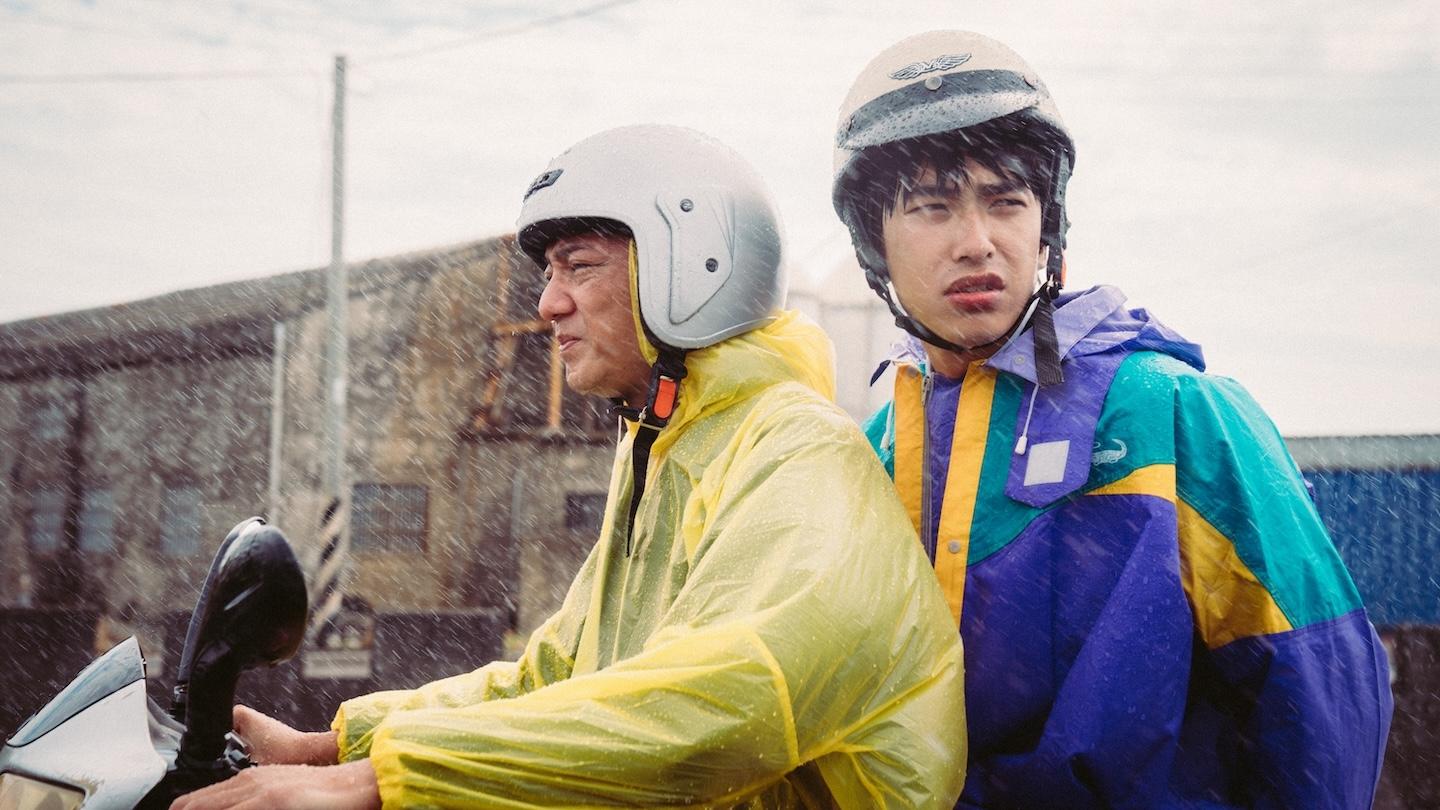
When Family Matters premiered in September 2025, it arrived quietly—the kind of film that doesn’t necessarily announce itself with massive marketing campaigns or astronomical box office expectations. Yet there’s something genuinely compelling about what director Ke-yin Pan managed to accomplish in just 99 minutes. This is a drama that understands the messy, complicated terrain of family relationships, and it does so with the kind of specificity that makes you feel like you’re watching something deeply personal rather than manufactured.
The genius of Pan’s approach lies in the film’s restraint. Rather than going for melodramatic sweeps or heavy-handed emotional beats, Family Matters trusts its audience to read between the lines. The relatively compact runtime becomes an asset here—there’s no wasted space, no indulgent subplots. Every scene carries weight, and Pan clearly made deliberate choices about what to show and what to leave unsaid. This precision is exactly what the family drama genre has been missing in recent years, a return to the idea that sometimes what you don’t see is far more powerful than what you do.
What makes this film particularly interesting is how it sits within the contemporary landscape of Taiwanese cinema. The production brings together Key In Films Ltd., KOKO Entertainment, and TAICCA support, which signals something meaningful about the film’s cultural positioning. It’s not an international co-production chasing global appeal, but rather a distinctly local story that trusts in its specificity. There’s a confidence in that choice, a belief that audiences will connect with these characters and their struggles not despite their particularity, but because of it.
The performances from Lan Wei-Hua, Alexia Kao, and Tseng Jing-Hua form the real heart of what makes Family Matters work:
- Lan Wei-Hua carries the emotional center of the film with a quiet intensity that suggests years of unspoken resentments and unresolved tensions
- Alexia Kao brings a different energy—there’s a brittleness to her performance that speaks to generational conflict and the difficulty of truly understanding one another
- Tseng Jing-Hua grounds the ensemble with an authenticity that prevents the family dynamics from ever feeling like theatrical artifice
The chemistry between these three feels earned rather than manufactured. You believe these are people who have a history together, people who love each other but struggle to express it in ways that actually land.
> “Family Matters” understands something fundamental: that the greatest conflicts aren’t often resolved, they’re simply endured and renegotiated across a lifetime.
The film’s critical reception settled at 7.0/10, which honestly feels about right for a work of this nature. It’s not a masterpiece that’s going to reshape how we think about cinema, but it’s a genuinely solid, thoughtfully crafted drama that does exactly what it sets out to do. In an era where ratings tend to be either enthusiastically high or dismissively low, that middle ground actually suggests something worth investigating—this is a film that respects your intelligence and doesn’t feel the need to manipulate your emotions into submission.
What’s particularly noteworthy is how Pan uses the family setting not as mere backdrop but as the actual subject matter. The conflicts aren’t about plot twists or external drama—they’re about the accumulated weight of small misunderstandings, unexpressed needs, and the gap between who we are and who our families believe us to be. This is intimate cinema, the kind that works best when you have space to reflect on it afterward. The 1h 39m runtime gives you that space rather than exhausting you with three-hour epics that tell you exactly how to feel.
Without knowing the specific box office numbers, it’s safe to say Family Matters likely found its audience through word-of-mouth rather than opening weekend spectacle. These films often do—they build slowly, develop passionate admirers, and become the kind of movies people recommend to friends with genuine enthusiasm. There’s something valuable about that trajectory, especially in a film landscape increasingly dominated by franchise films and prestige productions designed to sweep awards seasons.
Looking at legacy and influence, Family Matters arrives at an interesting cultural moment. Taiwanese cinema has been experiencing a real creative renaissance, and Pan’s film fits neatly into that conversation about how to tell distinctly local stories with universal resonance. The film doesn’t need international recognition to matter—though it would certainly deserve it. What matters is that it exists as a genuine artistic statement, a director’s clear vision executed with capable actors and real emotional intelligence.
The collaboration between Pan and this cast clearly brought out something special. These kinds of intimate ensemble pieces require a director with tremendous clarity of vision, and Pan’s restraint suggests someone who knows exactly which moments need amplification and which need silence. In the hands of a less confident filmmaker, this material could easily tip into melodrama or emotional manipulation. Instead, it holds steady, observing these characters with compassion but without sentimentality.
Family Matters isn’t going to revolutionize cinema or win you over through spectacle. What it does is something perhaps more valuable—it reminds us that sometimes the most meaningful stories are the ones that happen in ordinary rooms between people who care about each other but struggle to bridge the distance between them. That’s a gift worth recognizing, and a film worth seeking out.