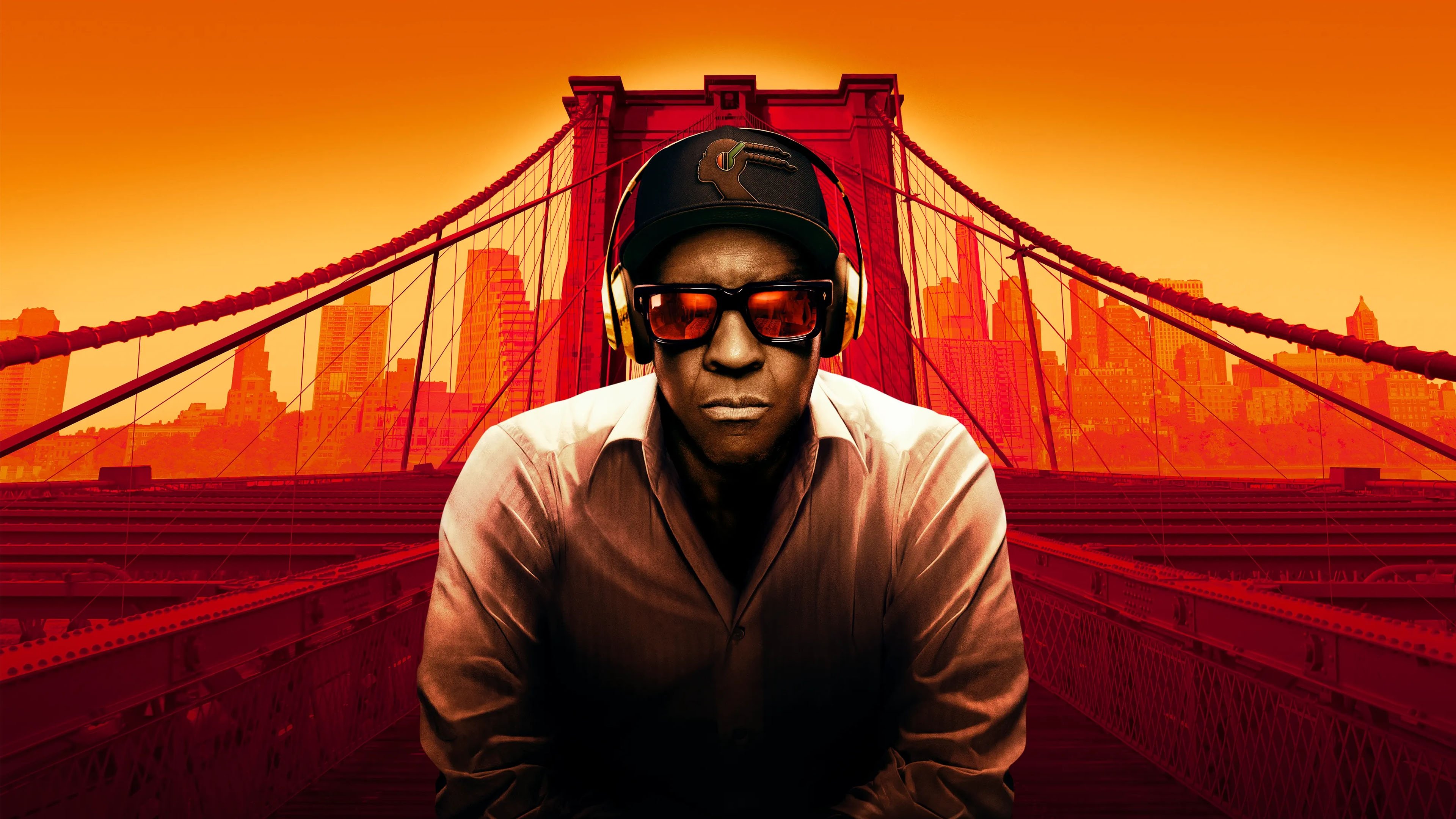
When Spike Lee’s Highest 2 Lowest premiered in August 2025, it arrived carrying the weight of expectation that comes with both a legendary director and a powerhouse cast led by Denzel Washington. The film’s central thesis—captured perfectly in its tagline, “All $$ ain’t good $$”—promised to explore the moral complexities of money, ambition, and corruption in ways that only Lee could deliver. Yet what unfolded was a sobering reminder that even the most talented filmmakers can’t always control how audiences respond to their work, or how the industry measures success.
The numbers tell a complicated story. With a $25 million budget, this was clearly a film made with serious resources and serious intent. Yet it limped out to just $1.5 million at the box office, a devastating gap that sparked immediate conversations about Lee’s place in contemporary cinema. This wasn’t a failure of ambition—it was something more complex, a film that seemed to arrive at exactly the wrong moment culturally, or perhaps arrived asking questions audiences weren’t quite ready to engage with in the way Lee was presenting them.
> The real tragedy isn’t that Highest 2 Lowest failed commercially. It’s that a film this intellectually rigorous was caught between the arthouse crowd who might have championed it and the mainstream audience that never showed up.
What makes this failure worth examining, though, is the film itself. At 2 hours and 13 minutes, Lee crafted something deliberately paced and thematically dense—a thriller that moves like crime drama on the surface but functions as social commentary underneath. It’s the kind of film that demands you sit with it, that doesn’t offer easy answers or comfortable resolutions. In 2025, when audiences have been trained by algorithm and marketing to expect immediate gratification, a film that takes its time and trusts its audience’s intelligence becomes a harder sell than it should be.
The Creative DNA
Spike Lee brought his signature style to every frame. The collaboration with Denzel Washington created a dynamic that few filmmakers get to explore—two masters of their craft, understanding each other’s language, pushing the narrative into territory that feels both urgent and timeless. Washington plays a character navigating the ethical collapse of his own success, and the actor brings a weariness to the role that suggests years of compromise finally catching up with him. It’s the kind of morally complex turn that reminds you why Washington remains one of cinema’s most compelling performers.
Jeffrey Wright, meanwhile, anchors the film’s moral center. There’s an intelligence in his work here, a way of playing scenes that suggests layers beneath what’s being said aloud. Ilfenesh Hadera rounds out the principal cast, bringing an intensity that grounds the thriller elements and prevents the film from becoming too abstract in its philosophical wrestling. The three of them create a dynamic tension that sustains the narrative through its considerable runtime.
Lee’s directorial choices throughout the film show a filmmaker still experimenting, still willing to take formal risks:
- Visual language: The cinematography reflects the moral descent of the protagonist through color and composition choices that grow increasingly claustrophobic
- Sound design: The score works against expectations—building tension where you’d expect resolution, creating unease during moments of apparent triumph
- Pacing: Rather than standard three-act structure, Lee allows scenes to breathe, to extend beyond what feels comfortable
- Dialogue: Sharp, economical exchanges that reveal character through what’s not said as much as what is
Why It Matters Despite Everything
Here’s the thing about Highest 2 Lowest that keeps gnawing at you after the credits roll: the film’s commercial failure actually proves its point. A movie about the moral compromises required by capitalism, the ways money corrupts intention, and how ambition eats its own—released by a coalition of studios including A24 and Mandalay Pictures, directed by a legendary Black filmmaker, starring one of our greatest actors—somehow couldn’t find its audience. There’s an irony there that’s almost too perfect, and probably intentional on Lee’s part.
The 5.5/10 rating from audiences reflects something real but also something frustrating. It suggests a film that didn’t satisfy on the level most viewers expected. Whether that’s a failure of execution or a failure of expectation-setting is genuinely worth debating. What seems clear is that Highest 2 Lowest doesn’t deliver the kind of entertainment most people go to movies for. It doesn’t comfort. It doesn’t resolve neatly. It leaves you thinking about uncomfortable truths rather than feeling entertained.
The Legacy Question
Will Highest 2 Lowest be rediscovered? Possibly. Lee’s filmography includes works that were initially dismissed or underappreciated that have gained stature over time. The formal ambition here, the thematic weight, the performances—these don’t disappear just because box office numbers disappointed. In 10 years, critics and filmmakers might look back at this as a film ahead of its moment, or at least out of step with it.
What we can say with certainty is that the film refused to compromise its vision for commercial palatability. In an industry increasingly driven by algorithmic decision-making and franchise safety, there’s something genuinely radical about that refusal, even if—or perhaps especially if—audiences rejected it. Lee made the film he needed to make, with collaborators who understood what he was attempting. The world wasn’t quite ready for it, but the film exists now, uncompromised and challenging.
That’s not nothing. That might actually be everything.