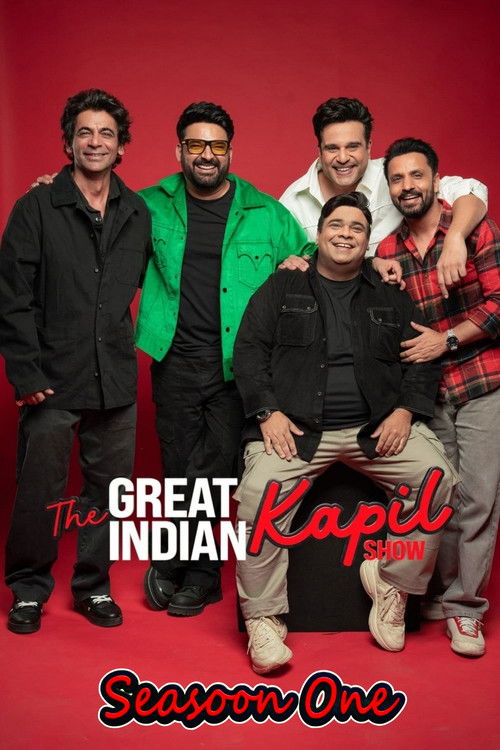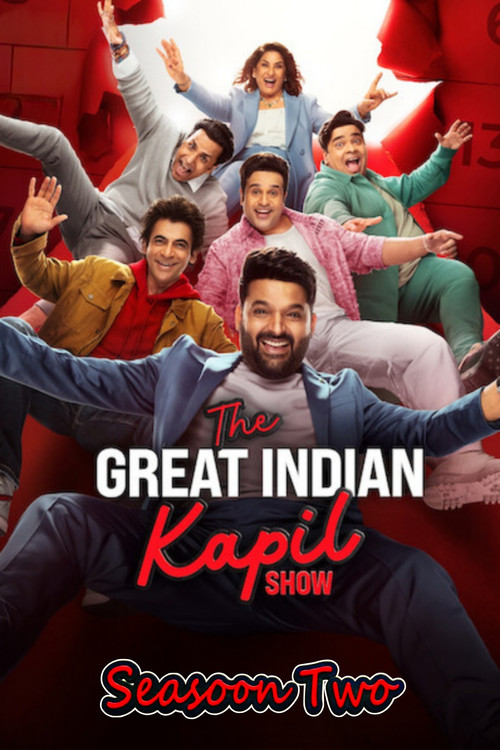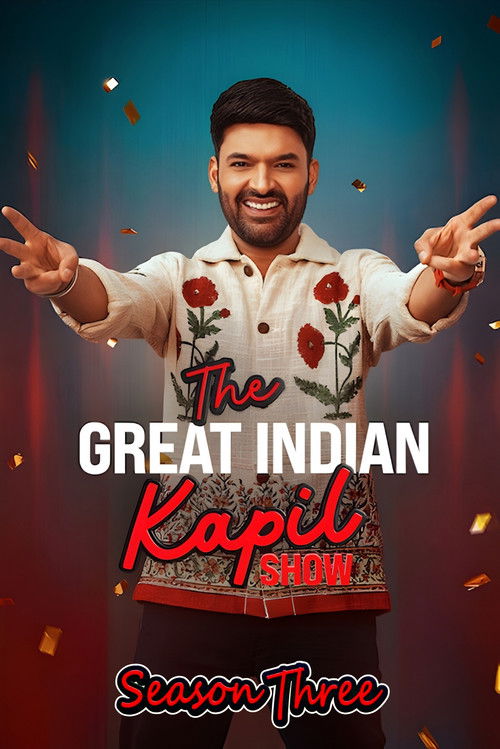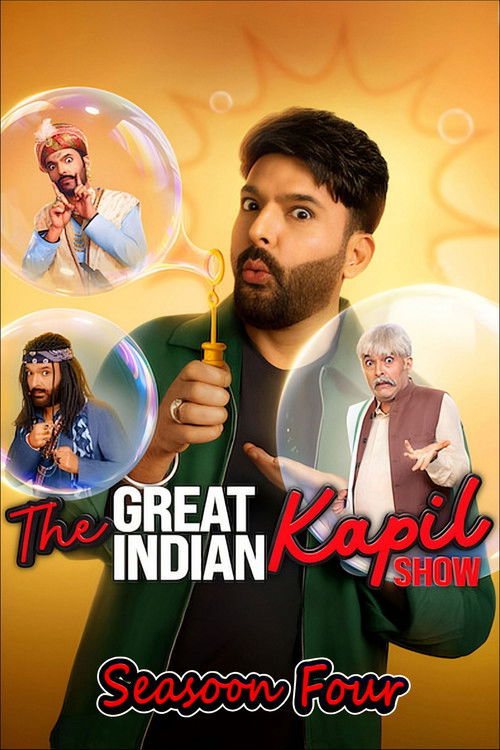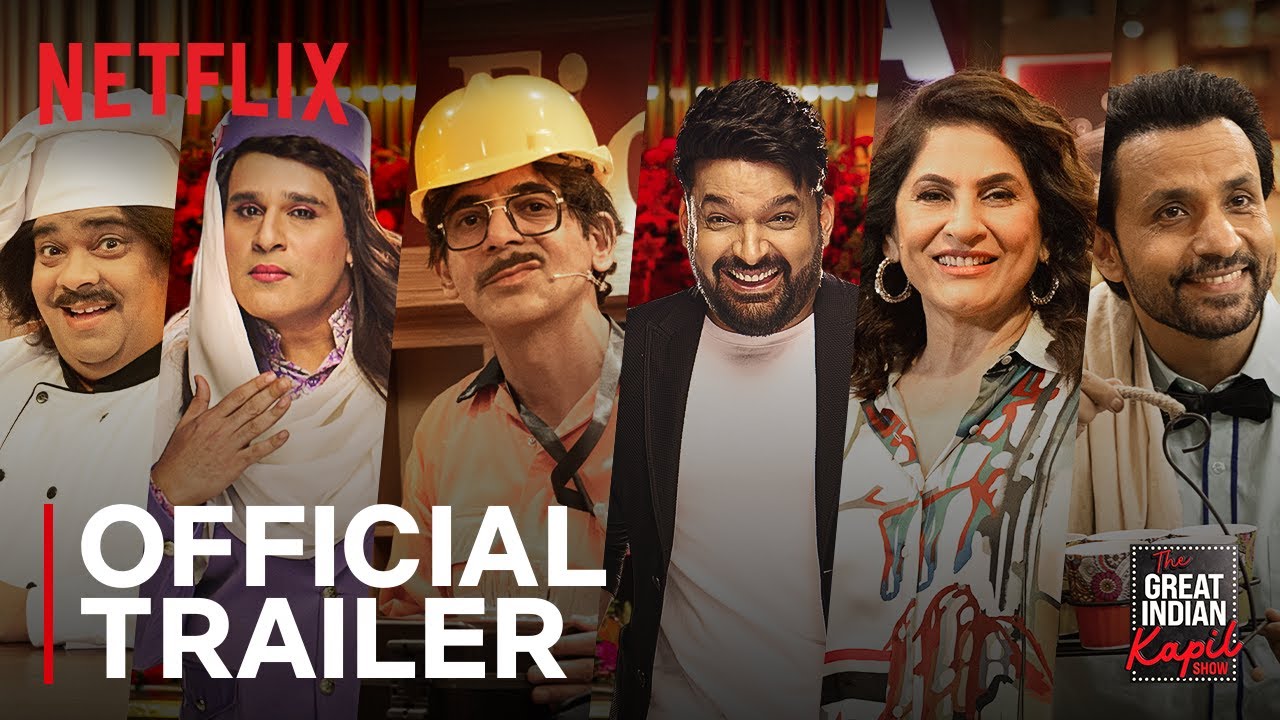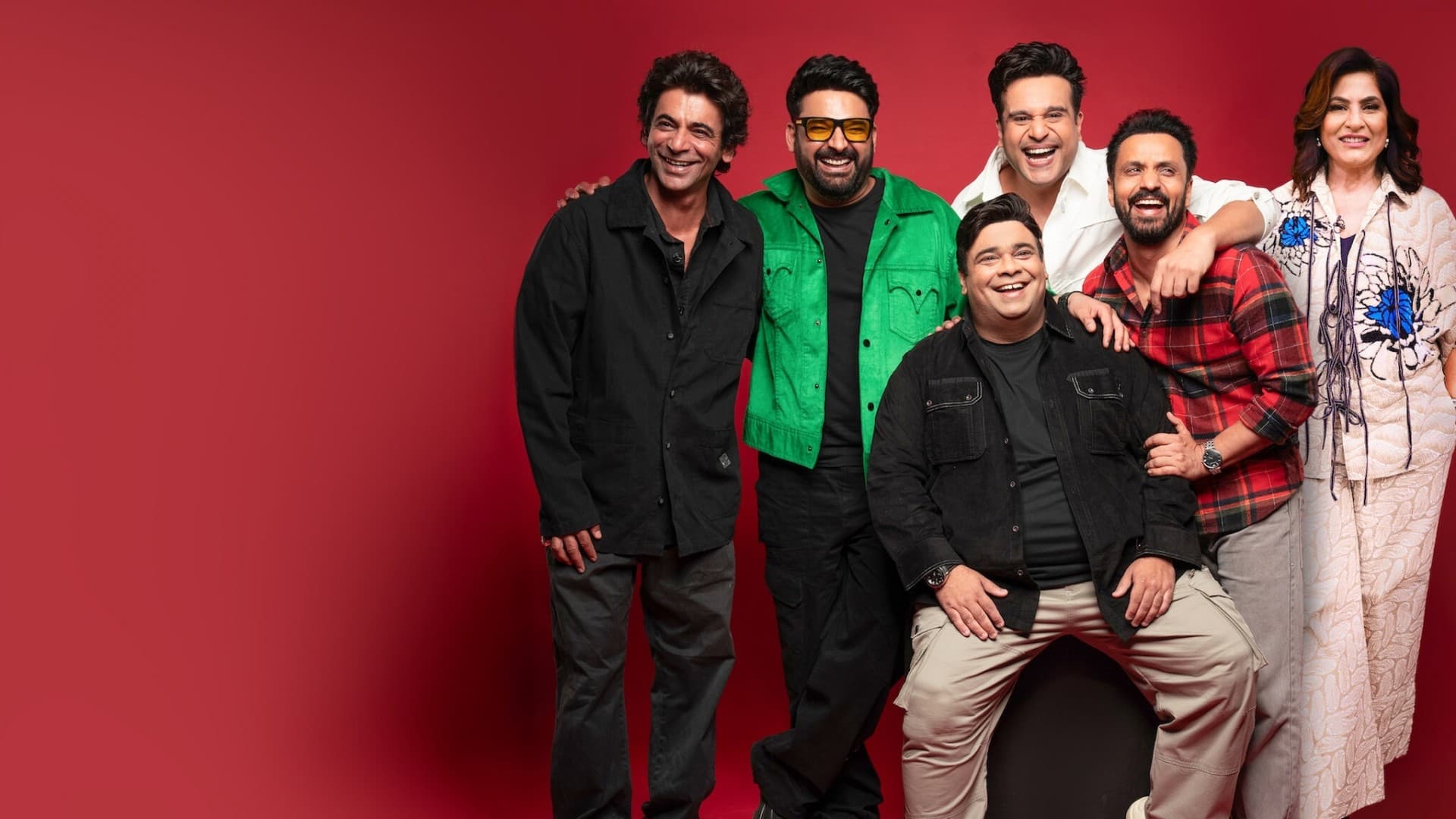
When The Great Indian Kapil Show premiered on Netflix in March 2024, it arrived at a fascinating moment in television history—one where talk shows were being reimagined for streaming audiences, and comedy was becoming increasingly personal and intimate. Kapil Sharma’s venture into this space felt like a natural evolution, but what made it genuinely compelling was how he managed to blend the spontaneity of traditional Indian comedy with the production polish that Netflix demands. The show didn’t just capitalize on his existing fanbase; it created something that felt fresh, even for those who’d followed his career across previous platforms.
What strikes you immediately about the show’s approach is how intelligently it uses its 60-minute runtime. Rather than cramming in as many jokes and segments as possible, Sharma and his team recognized that streaming audiences crave depth. Those hour-long episodes allowed conversations to breathe, for chemistry to develop between guests and host, and for comedy to emerge naturally from genuine interaction rather than scripted punchlines. This wasn’t a race against time—it was a masterclass in pacing that respected both the audience’s intelligence and their investment in watching celebrities open up.
The structural genius of the show lies in how it balances accessibility with cultural specificity. Here’s what makes The Great Indian Kapil Show stand out in the crowded talk show landscape:
- A distinctly Indian sensibility without the constraints of broadcast television standards
- Extended conversations that allow for meaningful storytelling, not just promotional sound bites
- Blended entertainment mixing traditional comedy with contemporary social commentary
- Guest-driven narratives where celebrities share stories beyond their usual media training
The show’s 7.6/10 rating tells an interesting story—it’s solid, well-regarded, but not universally beloved, which actually makes it more credible. Perfect ratings often suggest a show is playing it safe or preaching only to the converted. A 7.6 indicates that The Great Indian Kapil Show is ambitious enough to challenge viewers, honest enough to take risks, and secure enough not to chase every demographic. Four seasons and 47 episodes represent a show that found its audience and held onto them, building momentum through consistency rather than spectacle.
> The show’s greatest achievement isn’t making us laugh—it’s making us feel like we’re eavesdropping on genuine conversations between friends.
What really crystallized the show’s cultural footprint was how it became a platform for conversations that mattered. Bollywood actors, cricketers, musicians, and public figures appeared not just to promote projects, but to discuss their journeys, vulnerabilities, and perspectives on contemporary India. The intimacy of these conversations sparked discussions beyond the show itself—clips went viral for moments of unexpected honesty, not just punchlines. This organic virality suggested something deeper was happening: people were connecting with authenticity in an age of carefully curated personas.
The creative achievement here deserves specific attention. Kapil Sharma’s evolution as a performer and producer reflects a maturity in understanding what audiences actually want from entertainment. He’s created a show where his comedic talents serve the conversation rather than dominating it. There’s restraint in moments where he could easily take over, wisdom in knowing when to let a guest’s story shine. This restraint—choosing not to perform at every opportunity—is paradoxically what makes the performance so compelling.
Netflix’s platform proved crucial to this show’s identity. Unlike his previous television ventures that operated under broadcast constraints, The Great Indian Kapil Show had the freedom to explore topics, use language, and develop narratives that traditional networks might have resisted. The streaming environment allowed for experimentation with episode structure, production design, and guest variety that created a distinctive aesthetic. Whether accessing it through Netflix Standard with Ads or higher-tier subscriptions, the availability across different price points meant reaching audiences beyond premium subscribers.
The show’s Returning Series status speaks to something important: in an era of shortened seasons and cancelled shows, four seasons represent genuine sustainability. Kapil Sharma and his team built something that audiences continued choosing, that Netflix continued investing in, and that didn’t need to depend on one viral moment or trending topic. This durability suggests the show tapped into something fundamental about what viewers seek in talk show entertainment.
Looking at what made specific moments resonate, the show succeeded because it understood a crucial truth about contemporary comedy and talk entertainment:
- Authenticity beats polish — viewers can sense when conversations are genuine versus rehearsed
- Length creates opportunity — 60 minutes allows for narrative arcs within single episodes
- Cultural specificity creates universal appeal — Indian stories and sensibilities reached global audiences through Netflix
- Comedy works best when it serves connection — jokes land harder when built on established rapport
The 47 episodes across four seasons also reveal something about pacing and production philosophy. Rather than stretching seasons with filler episodes, the show maintained quality control. Each episode had to earn its runtime, had to bring something worthwhile to viewers’ screens. This selectivity elevated the entire viewing experience.
As The Great Indian Kapil Show continues its run as a Returning Series, it represents a particular kind of television success—one measured not just in ratings but in cultural resonance. It proved that talk shows could thrive on streaming platforms, that Indian comedy could command global attention, and that audiences hunger for authentic connection disguised as entertainment. Kapil Sharma didn’t just adapt his talents for a new platform; he created something that feels native to the streaming era while maintaining roots in the comedy traditions that made him famous. That’s the sweet spot where great television lives.