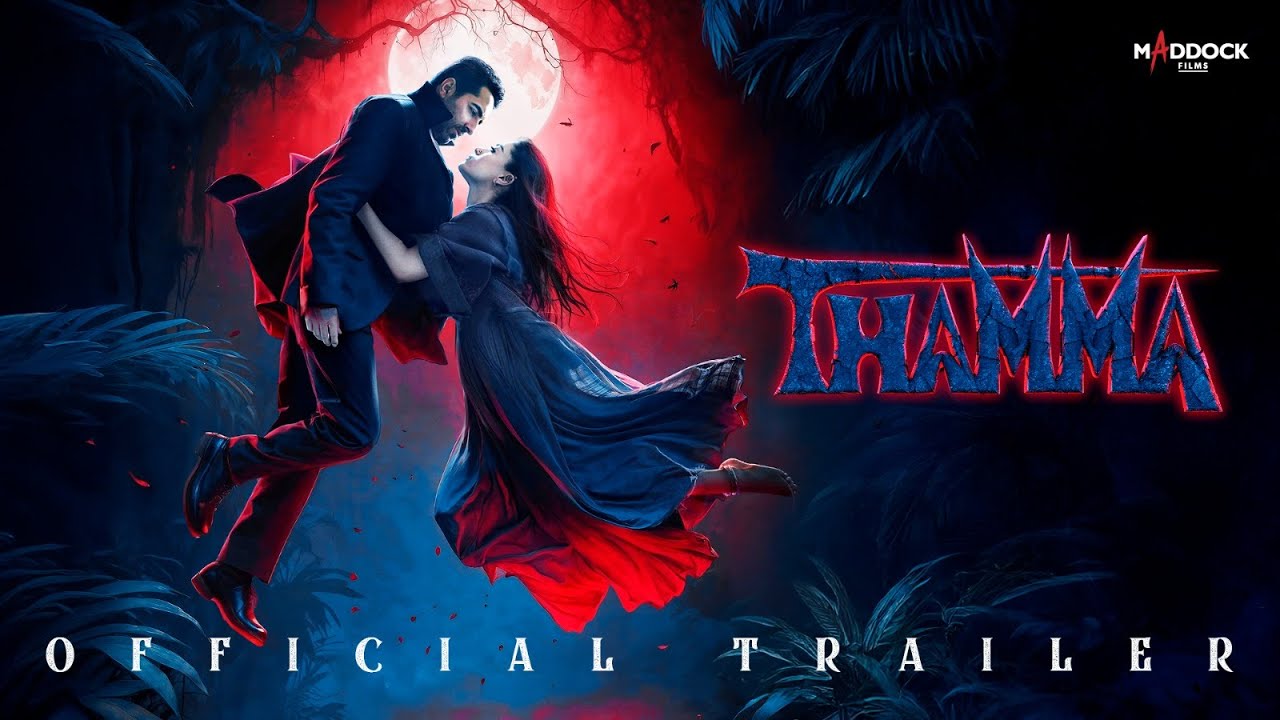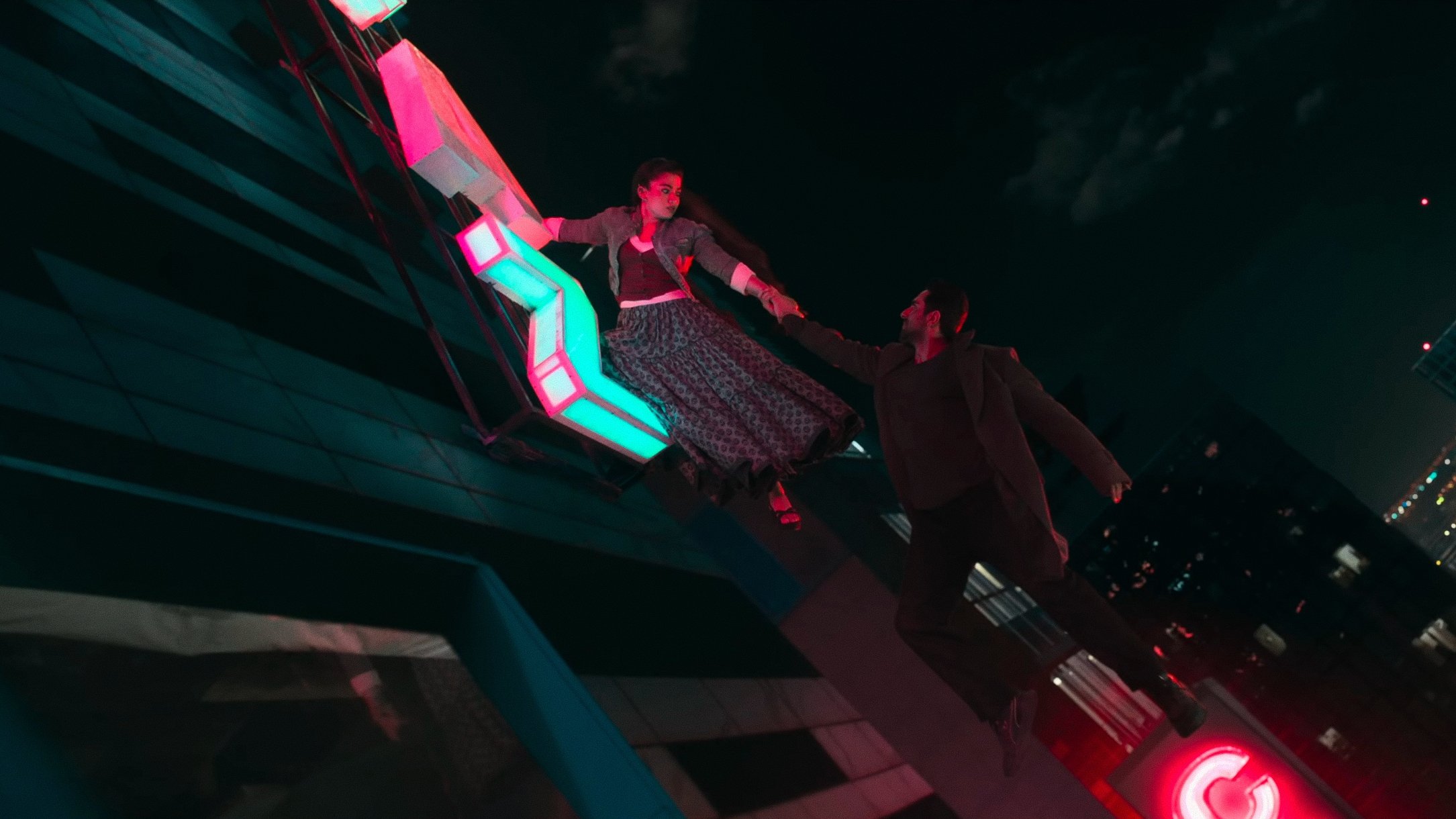
When Thamma came out in October 2025, it arrived at an interesting moment for Hindi cinema—a time when horror-comedies were becoming increasingly ambitious, yet still uncertain about their own identity. Aditya Sarpotdar’s film walked into that space with the kind of confidence that comes from knowing exactly what kind of story you want to tell. This wasn’t just another genre mashup trying to have it both ways; it was a deliberate exploration of how humor and genuine scares could coexist, how the absurd and the terrifying could live in the same frame.
What makes Thamma significant, honestly, is that it understood something fundamental about Indian audiences that many filmmakers miss: there’s something deeply funny about the familiar made uncanny. The very concept of a grandmother—a figure steeped in comfort, tradition, and safety in Indian culture—becoming a source of horror is inherently comedic. That tension between expectation and reality became the film’s thematic backbone, and it’s what gave the movie its unique flavor in an increasingly crowded horror-comedy landscape.
The Creative Vision Behind the Camera
Sarpotdar brought a visual sensibility to Thamma that was distinctly his own. Known for his work in the horror genre, he’d clearly spent time thinking about how to structure a film that’s 2 hours and 29 minutes long without losing momentum—that’s substantial runtime, and it requires discipline. Rather than padding the narrative, the director used that time to build atmosphere, to let scenes breathe, and to develop character dynamics that would make the horror beats land harder when they arrived.
The collaboration with his cast reveals why this mattered. Ayushmann Khurrana brought his trademark everyman charm to what could have been a one-dimensional lead character. There’s something about Khurrana’s screen presence—that mix of vulnerability and wit—that made audiences invested in his character’s predicament. He’s the kind of actor who can make you laugh in one scene and genuinely unsettle you in the next, which is exactly what a horror-comedy demands.
Rashmika Mandanna added another layer entirely. Rather than being relegated to the typical supporting role, she carried substantial screen time and used it to develop a character with real agency. In a film like this, the female lead could easily become a screaming bystander, but Mandanna and Sarpotdar seemed invested in making her matter—making her decisions drive the narrative forward. That choice, alone, speaks to the creative ambition here.
And then there’s Nawazuddin Siddiqui. Whatever role he occupied in this film, you knew it would be memorable. Siddiqui has this uncanny ability to find depth in unexpected places, to make audiences reconsider what they’re watching. His presence alone elevated the material, suggesting that Sarpotdar had assembled a cast that respected the material enough to bring their best work.
Reception and the Critical Conversation
The film landed at 6.6/10 on aggregated ratings, which is a curious score—respectable enough to indicate something worthwhile, yet not high enough to suggest universal acclaim. And honestly? That score probably tells you more about the nature of horror-comedies than it does about Thamma itself. These films are inherently divisive. What makes one person laugh might make another uncomfortable; what terrifies one viewer might feel silly to another. The rating likely reflects passionate defenders and frustrated detractors in roughly equal measure.
What’s interesting is that despite both budget and box office figures remaining unknown, the film clearly found its audience. In an era of inflated budgets and narrowing margins, a film that generates discussion, that gets people talking about its tonal balance and creative choices, is already succeeding at something beyond pure commerce.
> The real measure of Thamma‘s significance might not be in numbers, but in what it attempted: a genuine fusion of genres that respects both equally, rather than using one to excuse weakness in the other.
Cultural Impact and Legacy
Thamma arrived when Indian horror was experiencing a creative renaissance. But unlike some entries in that wave, this film seemed interested in cultural specificity. The grandmother figure, the household dynamics, the way Indian families navigate the supernatural—these weren’t just window dressing; they were central to understanding what made the horror work. That cultural grounding matters because it’s what makes cinema resonate beyond its moment of release.
The film’s legacy will likely be found in how it influences storytelling in the horror-comedy space. Filmmakers watching Thamma will see that:
- Tonal balance is achievable without sacrificing either the scares or the laughs
- Cultural authenticity strengthens genre films rather than limiting them
- Runtime is a tool, not an obstacle—two and a half hours can work if you have material that warrants it
- Casting matters enormously in films that ask actors to oscillate between registers
The production itself—backed by Jio Studios, Maddock Films, and Saregama Productions—represented a kind of industrial confidence in the project. These aren’t small players hedging their bets; they were backing a specific creative vision from a director who’d earned the right to make the film he wanted to make.
Why It Remains Relevant
What lingers about Thamma is that it asked questions rather than just providing answers. It examined family dynamics, tradition versus modernity, and what we inherit from our elders—both materially and spiritually—while never losing sight of the fact that it was, fundamentally, trying to entertain you. That balance, that refusal to choose between substance and entertainment, is what makes films endure.
In a cinematic landscape increasingly fragmented by streaming, by algorithm-driven recommendations, by films that seem designed to appeal to the broadest possible demographic, Thamma felt like it knew exactly who it was and what it wanted to say. That clarity, that creative confidence, is rare. It’s also what audiences respond to, even if they don’t always articulate it.
The film may not have become a cultural phenomenon, but it did something arguably more important: it proved that intelligent, culturally rooted horror-comedies could still find space in Indian cinema. That matters. That endures.