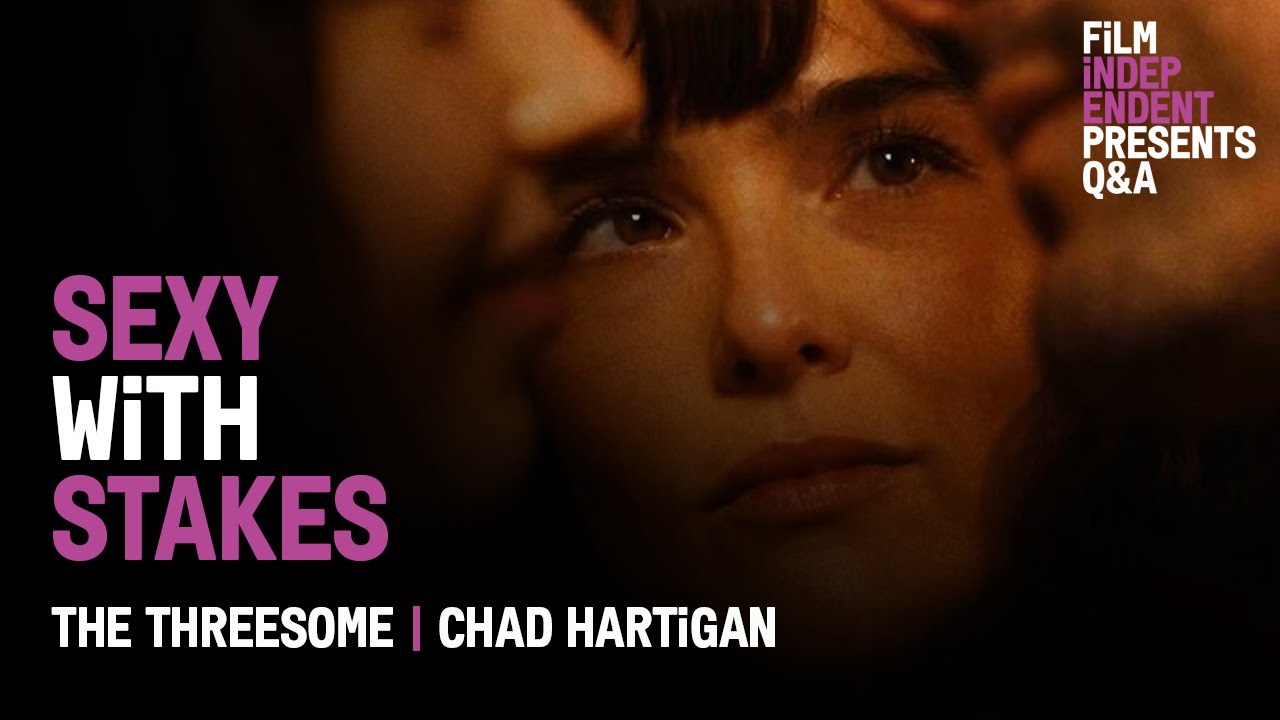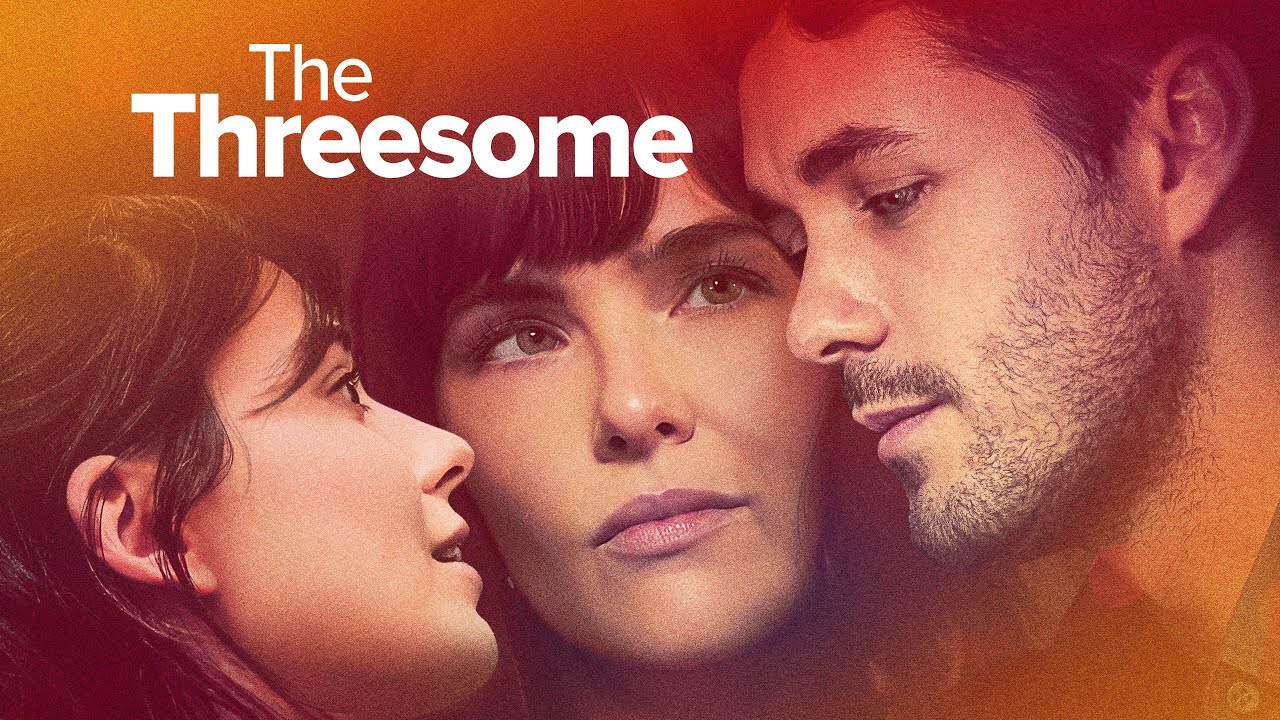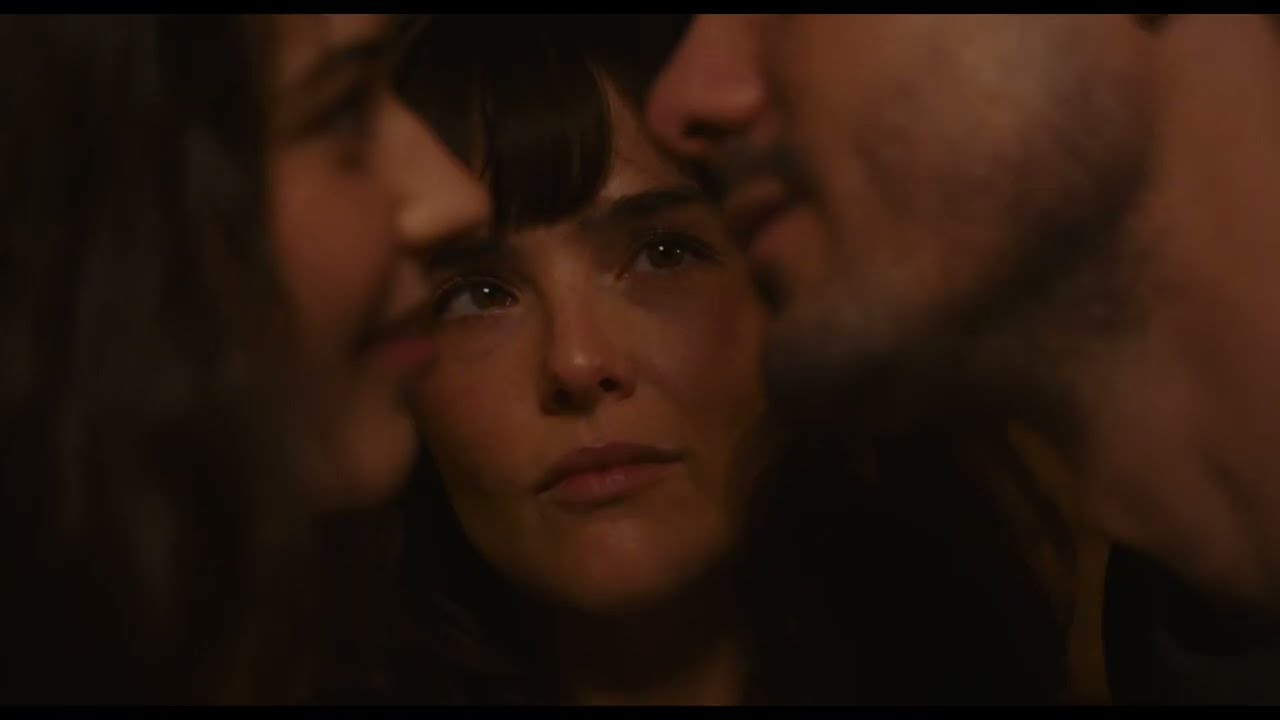
When Chad Hartigan’s The Threesome premiered in September 2025, it arrived quietly—almost apologetically, given its modest box office showing of $851,473. But here’s the thing about films that genuinely matter: they don’t always announce themselves with thunderous opening weekends. Sometimes they slip into the cultural conversation like a guest who wasn’t on the invitation list but somehow becomes the most interesting person in the room. That’s the trajectory this particular comedy-drama-romance hybrid has been on since its release, and it’s worth paying attention to why.
The film’s modest financial performance might initially suggest it failed to connect with audiences, and on a surface level, the numbers are what they are. But the real story isn’t told by box office returns alone. What Hartigan accomplished in this lean 1 hour and 52 minutes is something far more interesting than commercial success: he created a genuinely intimate exploration of modern relationships that refuses to play by the established rules of its genre. The tagline—”It was supposed to be fun”—isn’t just clever marketing; it’s the entire thesis of the film, a promise deliberately broken that becomes the foundation for something more meaningful.
> The film challenges viewers to sit with uncomfortable truths about desire, commitment, and the gap between what we want and what we actually need from each other.
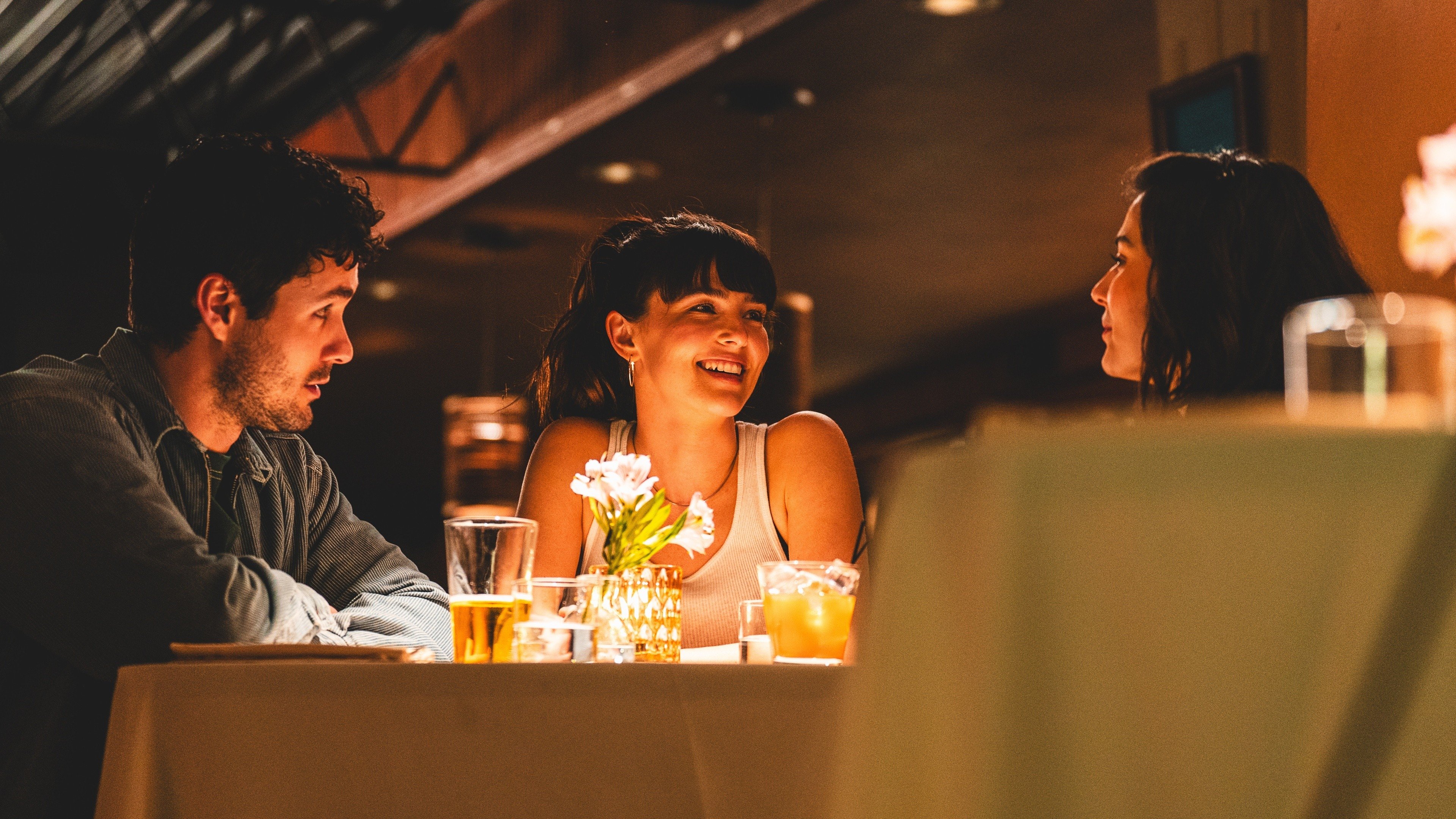
Let’s talk about what makes this film significant within the broader landscape of contemporary romantic cinema. The threesome premise, historically handled either as pure comedy fodder or dramatic catastrophe, becomes something else entirely in Hartigan’s hands. Rather than using it as a plot device to mine laughs or manufacture crisis, the director treats it as a genuine inciting incident—a moment where three people attempt to transform their relationships, with wildly varying results. It’s the kind of narrative risk that most mainstream films won’t take, which partly explains why the critical reception, hovering around 6.2/10, reflects a divided audience rather than universal acclaim.
The ensemble cast deserves serious credit for making this tightrope walk work:
- Zoey Deutch brings her characteristic intelligence and warmth to what could have been a thankless role, finding genuine vulnerability beneath the surface
- Jonah Hauer-King inhabits his character with visible internal conflict, refusing to play the part as simply a misguided lover or betrayer
- Ruby Cruz steals scenes with a performance that’s simultaneously playful and guarded, suggesting depths the script only occasionally explores
What these three actors accomplish together is a kind of conversational naturalism that makes the heavier moments land. They’re not performing about feelings; they’re inhabiting them in real time.
Hartigan’s directorial approach complements this ensemble work beautifully. In less than two hours, he manages to move through emotional registers that typically require feature-length exploration. The pacing never feels rushed—instead, it feels intentional, like a filmmaker who understands that sometimes the most meaningful stories don’t require three-hour runtimes to resonate. There’s an economy to the storytelling that’s increasingly rare in contemporary cinema, where bloat often masquerades as ambition.
The film’s cultural impact might not be measured in award nominations or box office records, but in something subtler and potentially more lasting: it opened a conversation about how comedy, romance, and drama can coexist in a single narrative without one genre cannibalizing the others. It demonstrated that you don’t need an enormous budget or star power to make something that challenges audiences’ expectations. The three production companies involved—Filmopoly, Jupiter Peak Productions, and Star Thrower Entertainment—took a genuine creative risk on a story that mainstream studios would likely water down or reject outright.
The critical response of 6.2/10 from initial viewers tells an interesting story in itself. That score doesn’t suggest universal failure; it suggests a film that divided viewers based on whether they were willing to accept its tonal complexity and emotional ambiguity. Some audiences wanted a cleaner resolution, a more traditionally comedic or dramatically satisfying ending. Others found that refusal to provide easy answers to be precisely what made the film worth experiencing. That tension between expectation and delivery is actually a sign of a film doing something distinct.
What’s particularly worth noting is how The Threesome refuses the temptation to moralize. It doesn’t position any of its three central characters as fundamentally wrong or right. Instead, it acknowledges that people can simultaneously want incompatible things, can care deeply for each other while still hurting one another, and can learn without everything working out neatly. That’s a mature perspective on relationships that cinema, especially romantic cinema, too often avoids.
The Legacy Worth Considering:
- It proves that unconventional relationship narratives can find an audience willing to engage seriously
- It demonstrates that strong ensemble work can carry a film further than star power alone
- It suggests that there’s still room in cinema for stories that resist genre categorization
Looking back at The Threesome from a vantage point beyond its initial release, what’s most striking is its quiet confidence. The film knows what it is and what it’s trying to do, and it executes that vision without apology or compromise. It may not have set the box office on fire, but it created something real—the kind of story that audiences discover years later and wonder why more filmmakers aren’t taking similar risks. In an industry often obsessed with immediate returns and broad commercial appeal, that kind of principled filmmaking deserves recognition, even if recognition arrives on a slightly delayed timeline.