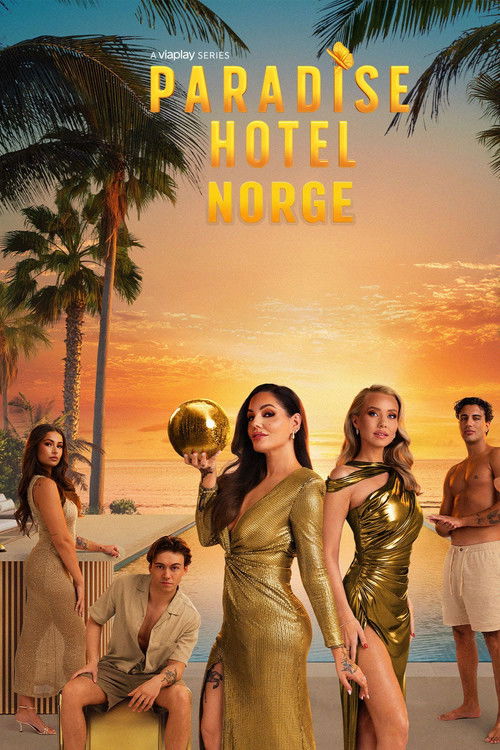
When Paradise Hotel debuted on March 9, 2009, it tapped into something fundamental about reality television that still resonates today: the voyeuristic pleasure of watching strangers navigate romance, alliance-building, and genuine human conflict under one glamorous roof. What started as a premise about singles competing in a luxurious resort setting has evolved into something far more significant—a cultural touchstone that has managed to stay relevant across 18 seasons and 729 episodes, maintaining a dedicated audience even as the reality TV landscape transformed around it.
The show’s longevity speaks volumes about its appeal, though the journey hasn’t been entirely smooth sailing. With its current 5.2/10 rating, it’s honest to acknowledge that Paradise Hotel has experienced fluctuation in critical reception and viewership. Yet those numbers tell only part of the story. What’s more telling is that the show kept reinventing itself—the ratings data reveals fascinating peaks, particularly in Seasons 14 and 15 when the show hit 7.5 and 8.2 respectively, suggesting that the creators found new narrative rhythms that resonated with audiences seeking something fresh within the format.
The Core Appeal: Luxury, Romance, and Strategic Gameplay
At its heart, Paradise Hotel operates within a deceptively simple framework: a group of single people live together in a luxurious hotel resort, competing to see who can stay the longest. But calling it simple misses the point entirely. The show’s genius lies in how the 42-minute runtime allows each episode to develop multiple story threads simultaneously—romantic entanglements, alliance formations, jealousy, betrayal, and strategic gameplay all weaving together in ways that feel both manufactured and genuinely unpredictable.
The hotel setting itself becomes more than just a backdrop; it’s a character. The confined luxury creates pressure that ordinary dating shows can’t replicate. Where other reality dating formats might split contestants across multiple locations, Paradise Hotel forces constant coexistence. You can’t escape the person who just rejected you romantically or strategically voted you toward elimination. That tension, that inescapability, is what keeps viewers invested across nearly two decades of television.
Cultural Moments and the Conversation It Sparked
What’s particularly interesting about Paradise Hotel is how it managed to spark conversations about dating culture, gender dynamics, and alliance-building during different cultural moments. The show premiered during the height of the reality TV boom, yet it distinguished itself by being willing to let storylines develop organically across multiple episodes rather than manufacturing dramatic climaxes each week.
Consider how the show evolved with its audience:
- Early seasons established the formula and introduced audiences to the dynamics of forced proximity and manufactured romance
- Middle seasons saw the show experimenting with new twists and competitive elements to refresh the format
- Recent seasons (Seasons 14-15 particularly) demonstrated that audiences still craved the fundamental appeal when the show tapped back into what made it work
The mechanics of who gets eliminated, who forms romantic bonds, and how alliances fracture have generated countless water-cooler conversations. These aren’t just manufactured moments—they’re genuine consequences of the artificial environment the show creates.
The Creative Achievement Behind the Scenes
Even without knowing the specific creator’s name, you can sense the intentionality in how Paradise Hotel structures its narrative. The 42-minute format is crucial here. It’s long enough to develop multiple character arcs and romantic developments within an episode, yet short enough to maintain momentum and leave viewers hungry for the next installment. This timing allows the show to balance intimate character moments with broader strategic gameplay.
The show’s format also demonstrates sophisticated understanding of how to film intimacy and conflict. We’re not just watching people interact—we’re given access to private conversations, confessionals, and moments that create psychological insight into why people make the choices they do. It’s a format that respects viewer intelligence enough to let us draw our own conclusions about character motivations while still providing enough context to understand the stakes.
> The true measure of Paradise Hotel’s success isn’t any single season’s ratings, but its ability to keep returning after nearly two decades, suggesting that both producers and networks believe there’s still an audience for this particular brand of romantic competition.
Why It Endures Across Streaming and Traditional Networks
The fact that Paradise Hotel has aired across both TV3 and Viaplay speaks to how the show has successfully navigated the shifting television landscape. It premiered during traditional television’s dominance and has managed to transition into the streaming era without losing its essential identity. That adaptability matters. Many reality formats from 2009 have faded from cultural consciousness, but Paradise Hotel remains a returning series, which suggests genuine staying power.
The show’s approach to reality television also feels increasingly sophisticated compared to some newer competition formats. There’s a focus on human relationship dynamics rather than pure spectacle. Romance remains central—we’re invested in whether Nanna and Alexander will successfully form a couple, not just in the mechanics of elimination. That emotional investment is what transforms a simple competition premise into something worth watching across 729 episodes.
What makes Paradise Hotel deserve your attention is precisely that it refuses to fit neatly into dismissible categories. It’s not high art, but it’s genuinely engaging television that understands its audience and respects their intelligence. Across 18 seasons, it’s created moments that matter, formed characters we cared about, and sparked conversations about how we navigate attraction, strategy, and human connection. In an era of Peak TV, that’s something worth celebrating.