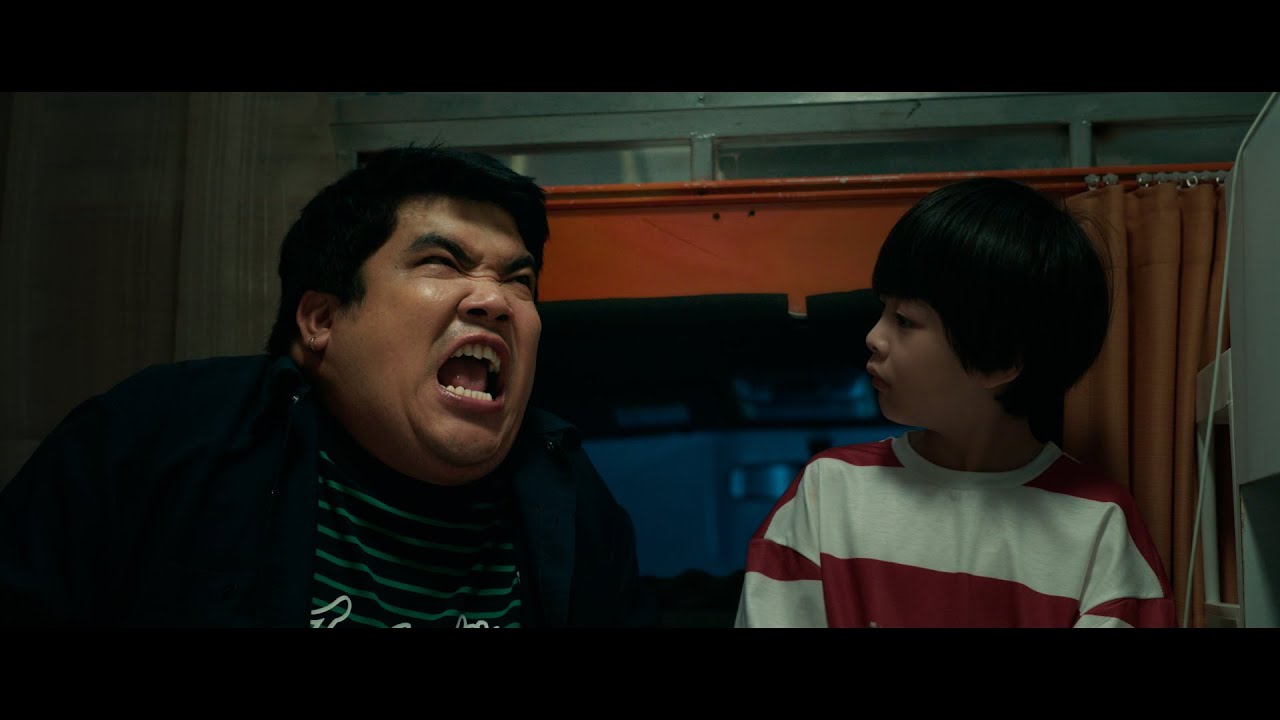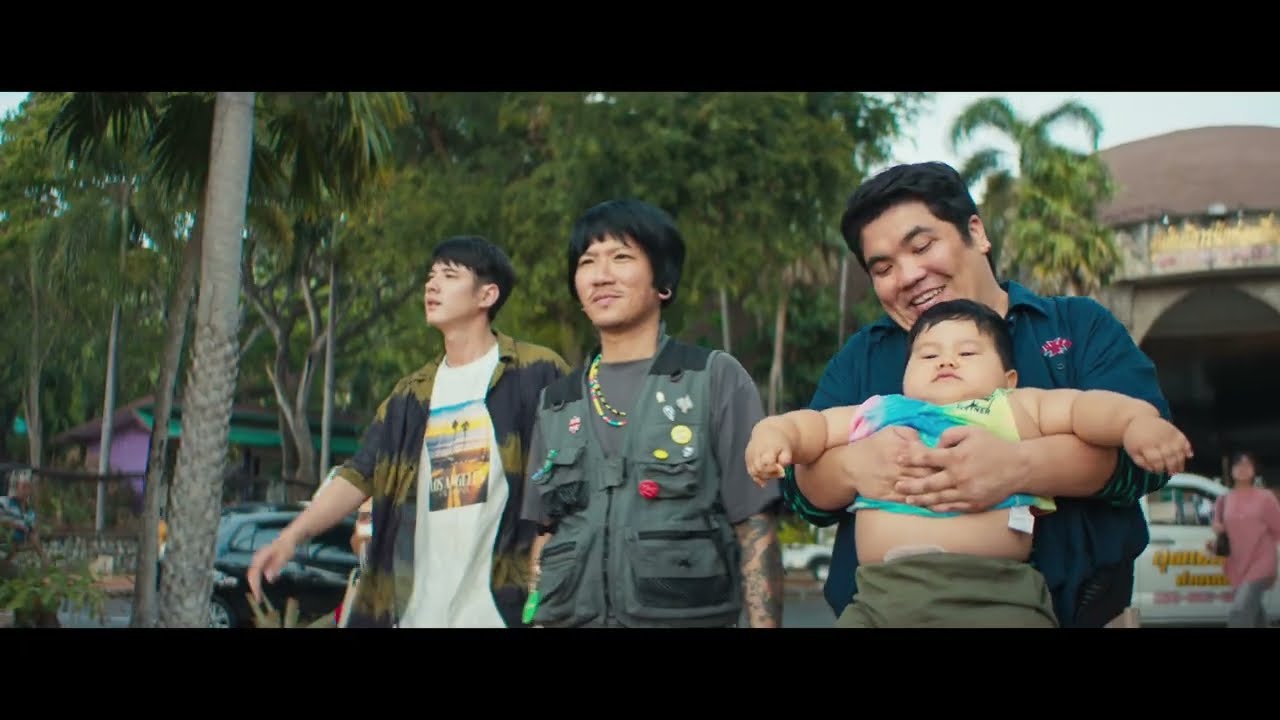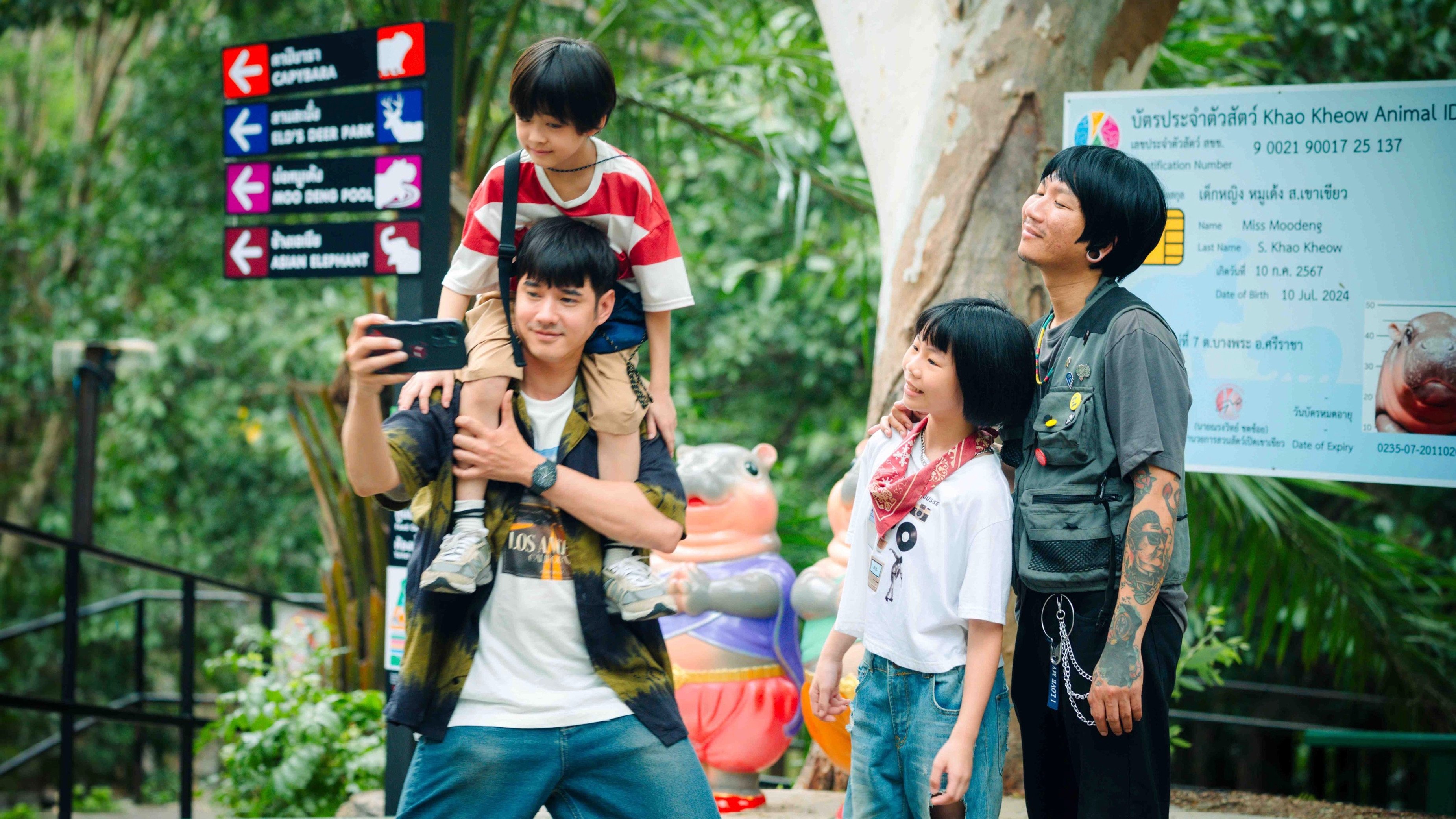
When Food Truck: Stolen Love… and Moo Deng premiered on August 28th, 2025, it arrived as something genuinely unusual in the contemporary romantic comedy landscape—a film that seemed to exist in its own peculiar space, blending street food culture, social media influencer narrative, and what can only be described as a deeply personal road movie. Director Chaleumpol Tikumpornteerawong wasn’t making a conventional rom-com, and that’s precisely what makes it worth discussing, even if the critical reception tells a more complicated story than the premise might suggest.
The film’s tagline—”Love is on the menu but every recipe has its secrets”—hints at something the runtime’s efficient 1 hour and 45 minutes actually delivers: a lean, focused narrative that doesn’t waste time on conventional setup. Instead, we’re thrown directly into the world of Mamiew, a TikToker who built his following through ASMR livestreams, a cultural phenomenon that the film uses as both character foundation and meta-commentary on how we consume intimacy in the digital age. It’s a smart hook that immediately situates the film in 2025 rather than some timeless rom-com space.
What makes Tikumpornteerawong’s vision particularly interesting is how he’s woven together multiple cultural and thematic threads:
- The food truck setting becomes more than just a cute backdrop—it’s a mobile space that forces characters into proximity and vulnerability
- The ASMR angle connects the protagonist to a very specific cultural moment around parasocial relationships and digital intimacy
- The mystery of the past that resurfaces through this journey gives the comedy genuine stakes
- The presence of Moo Deng, the beloved baby hippo, which transforms the film from romantic romp into something with a more whimsical, almost dreamlike quality
The cast collaboration here deserves attention because it wasn’t a conventional assembly. Mario Maurer, known for his work in Southeast Asian cinema, carries the film with a quiet vulnerability that could’ve easily become maudlin in less capable hands. But the real story is Choi Yu-lee’s acting debut—yes, a successful singer stepping into a dramatic role. There’s something refreshing about casting someone outside the traditional acting apparatus, because it means the character of whoever she plays comes without pre-established baggage or audience expectations built on previous roles.
> The film operates in that interesting space where technical competence and creative ambition don’t always align with critical consensus.
Here’s where we need to address the elephant in the room: the 3.5/10 rating on a database with only 2 votes tells us something crucial about how Food Truck: Stolen Love… and Moo Deng has landed with audiences. Unknown budget against unknown box office performance, a middling critical response—on paper, this sounds like a project that misfired. But that narrative oversimplifies what actually happened here.
The film arrived during an interesting moment in romantic comedy cinema, when audiences had grown increasingly sophisticated about genre conventions but also increasingly skeptical of films trying too hard to deconstruct them. Tikumpornteerawong’s approach was neither fully committed to earnestness nor entirely ironic. The food truck, the ASMR, the hippo, the past trauma resurfacing—these elements create genuine tonal whiplash if you’re expecting something more straightforward. And maybe that’s where some viewers checked out.
But there’s something worth preserving here about what the film was attempting:
- A sincere engagement with modern connection through digital culture without being condescending about it
- A road movie structure that trusts movement and change over expository dialogue
- A cast willing to be vulnerable in ways that contemporary blockbuster cinema often discourages
- A willingness to be weird in a genre that often feels formulaic and focus-grouped
The creative decision to make this a genuinely cross-cultural production—mixing Thai and Korean elements, setting it in a food truck, featuring an actual beloved internet celebrity (Moo Deng, the hippo)—suggests a filmmaker interested in capturing something specific about how culture moves and transforms in 2025. Whether that landed perfectly? The ratings suggest not universally. But cultural impact isn’t always measured in immediate critical approval.
What Food Truck: Stolen Love… and Moo Deng ultimately represents is a kind of creative risk-taking that feels increasingly rare in mainstream cinema. Tikumpornteerawong directed not just the film but appeared in it, suggesting a level of personal investment that goes beyond typical director-for-hire mentality. The entire production, from the studios involved (Shinesaeng Ad.Venture and Macgo) to the casting choices, feels like it emerged from actual creative conviction rather than market calculations.
In the broader landscape of romantic comedies, especially those emerging from Southeast Asian filmmaking, this film occupies an unusual position—not quite a success on conventional metrics, not quite a failure on artistic ones. It’s the kind of film that matters less for its immediate reception and more for what it suggests about where cinema can go when filmmakers trust their instincts over formulas. Whether audiences ultimately connect with Mamiew’s journey, whether they embrace the tonal shifts and strange beauty of the premise, Food Truck: Stolen Love… and Moo Deng exists as evidence that someone, somewhere, was willing to make something genuinely their own. In an industry increasingly defined by sequels and IP management, that commitment to vision—flawed though it may be—remains its own kind of significance.