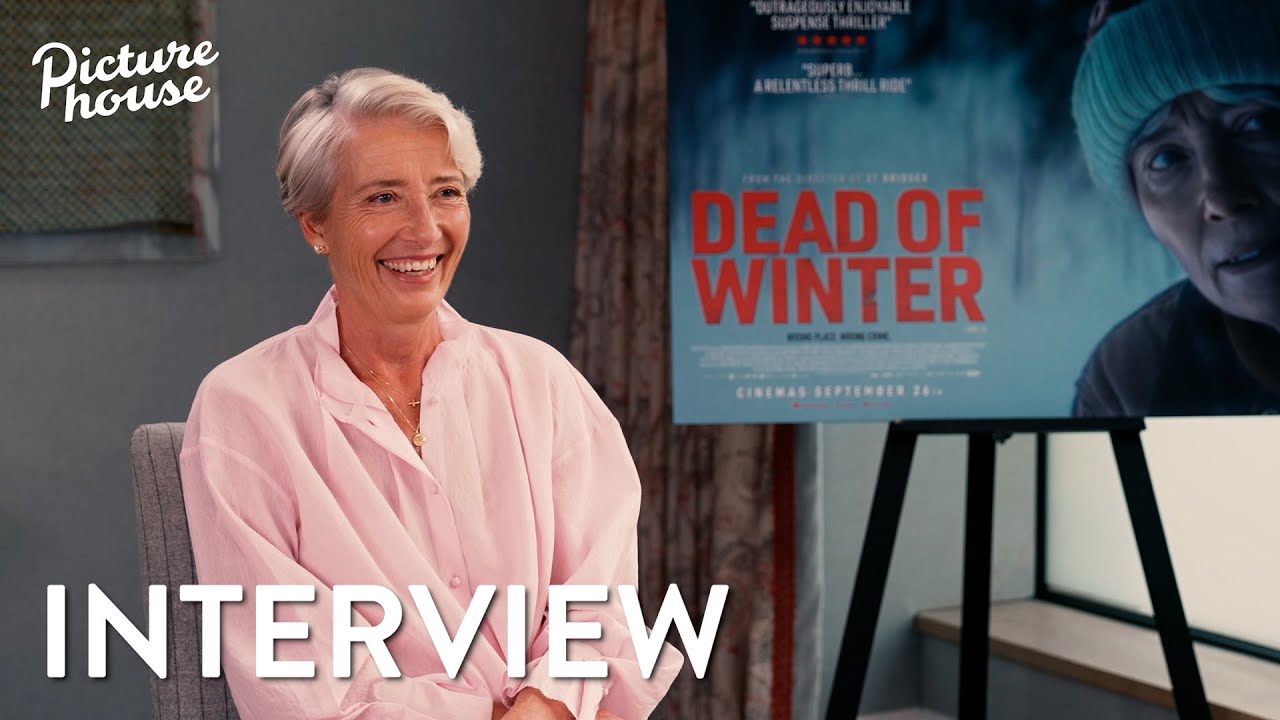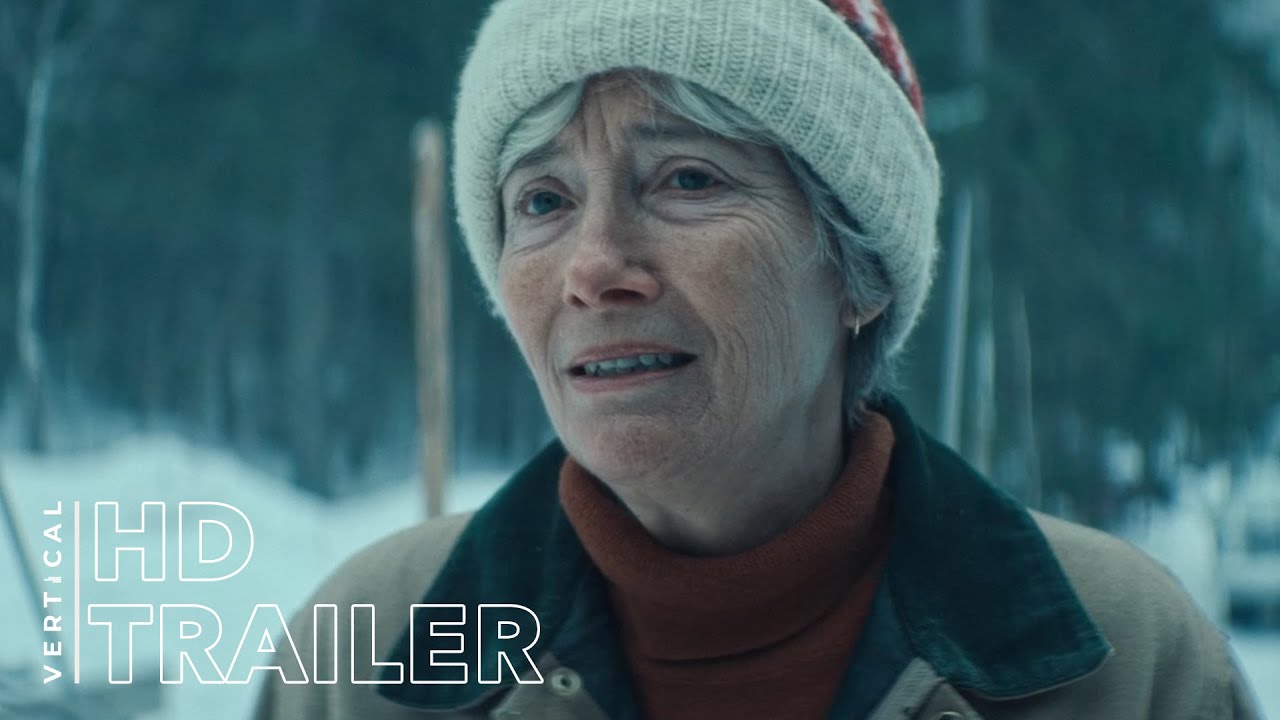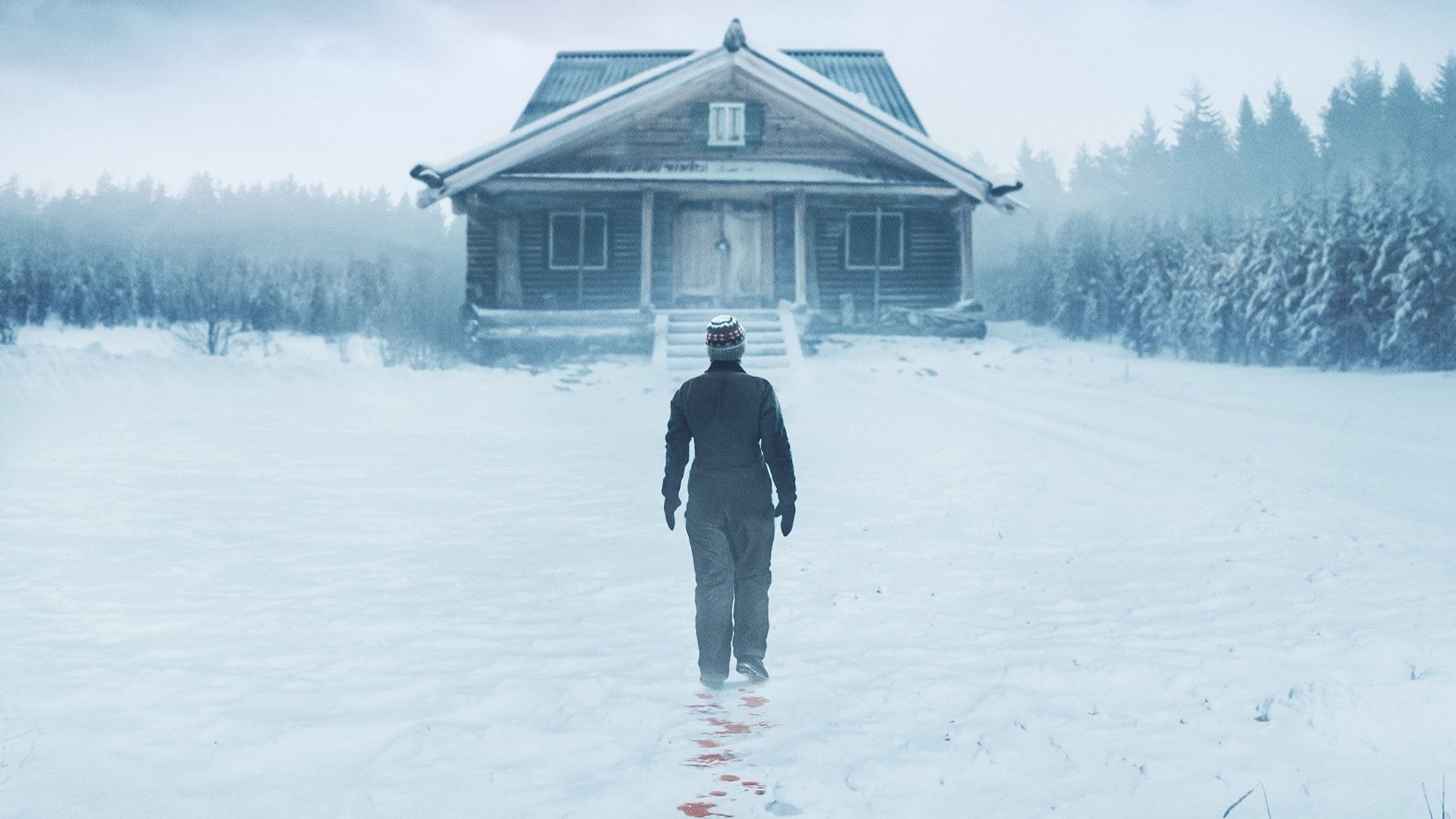
When Dead of Winter premiered at the Locarno Film Festival back in August 2025, it arrived quietly—the kind of thriller that doesn’t announce itself with massive marketing budgets or franchise names. What it did have was Emma Thompson, a director in Brian Kirk with a proven eye for tension, and that deceptively simple tagline: “Wrong place. Wrong crime.” Sometimes that’s all a thriller needs to hook an audience, and the film’s journey from festival darling to theatrical release tells an interesting story about where cinema is heading.
The premise itself is refreshingly unpretentious. Thompson’s character finds herself entangled in circumstances beyond her control, thrust into a crime she didn’t commit with nowhere to turn. It’s not a new concept—wrong-place-wrong-time narratives have powered countless films—but what matters isn’t the formula; it’s the execution. Brian Kirk, known for his work in television drama where he’s honed his ability to wring authenticity from character-driven moments, brought that sensibility to feature filmmaking here. In just 98 minutes, he constructs a narrative that doesn’t waste a single scene, which is exactly what modern thrillers demand.
> The film’s modest $1,030,111 box office take against an undisclosed budget speaks volumes about the current state of mid-budget genre cinema. This wasn’t a film designed to dominate multiplexes or compete with superhero tentpoles—it was positioned as a thinking person’s thriller, the kind that finds its audience through word-of-mouth and critical discovery rather than saturation marketing.
Emma Thompson’s casting was the real signal of intent here. She’s an actress with the gravitas to anchor a thriller, but she’s also someone who could have chosen safer projects. Her choice to dive into this genre exercise suggests she found something in Kirk’s vision worth committing to—a character with dimension, perhaps, or a script that trusted its audience’s intelligence. Judy Greer and Marc Menchaca complete the ensemble, two actors who’ve proven themselves excellent at playing morally complicated figures. The chemistry between Thompson and her co-stars creates an unpredictability that elevates the material beyond standard thriller beats.
What makes Dead of Winter culturally significant isn’t what it achieved at the box office, but what it represents:
- A genuine commitment to adult-oriented thriller cinema at a time when studios often retreat to IP or franchise safety
- The emergence of international co-production frameworks (with studios including ZDF and Leonine involved) that allow European sensibilities to influence English-language filmmaking
- A rejection of the false choice between artistic integrity and entertaining audiences
- Proof that character-driven narratives can still function as effective genre entertainment
The critical reception—a 6.5/10 rating from 162 voters—actually tells a nuanced story. This wasn’t universally beloved, nor was it dismissed. What it was, apparently, was engaging enough to get people talking. In an age of algorithmic recommendations and social media hot takes, a film that sparks genuine debate among viewers is doing something right. Not every film needs to be a masterpiece; some just need to be smart, efficient, and willing to ask uncomfortable questions about justice and culpability.
Kirk’s background in television—particularly his work on prestige dramas—clearly influenced how he paced this film. The 98-minute runtime isn’t a limitation; it’s a choice that respects the audience’s time while maintaining relentless forward momentum. There’s no bloat here, no unnecessary subplot that doesn’t service the central premise. In an era where thrillers often overstay their welcome, this economy of storytelling feels almost radical.
The international production structure deserves mention because it reflects how cinema actually works in 2025. Stampede Ventures, Augenschein Filmproduktion, ZDF, Leonine, and uMedia coming together to create this film speaks to a genuinely European approach to filmmaking—one where collaboration across borders is standard practice. That cross-pollination tends to produce stories with perspective and nuance that purely domestic productions might miss.
Where Dead of Winter matters most:
- For the industry: It proves there’s still room for thoughtful thrillers that don’t cost $100 million to make
- For genre evolution: It demonstrates how directors trained in television can bring character depth to feature film thrills
- For audiences: It offers an alternative to both the bloated tentpole and the completely arthouse experience—cinema for adults who want to be engaged, not lectured
The legacy of Dead of Winter won’t be measured in franchise sequels or cultural dominance. Instead, it’ll be found in the conversations it generates, in critics and viewers reassessing what a thriller can accomplish, and in the clear signal it sends to filmmakers that there’s still appetite for smart, character-driven genre work. In an industry constantly chasing the next big thing, sometimes the most radical act is simply making a competent, intelligent film and letting it speak for itself.