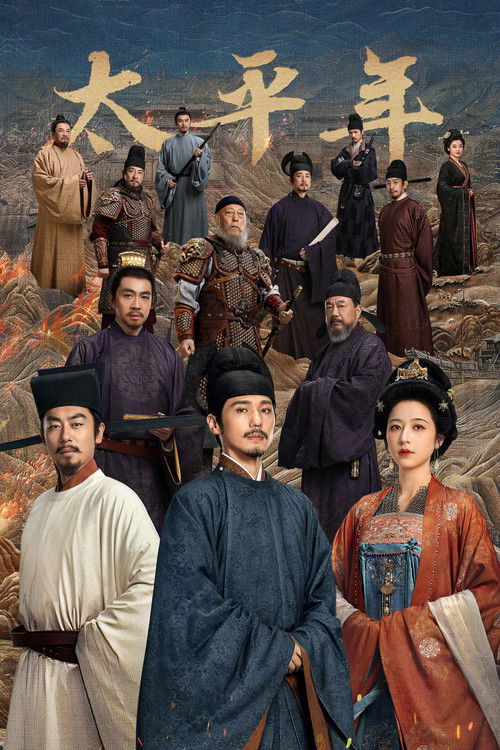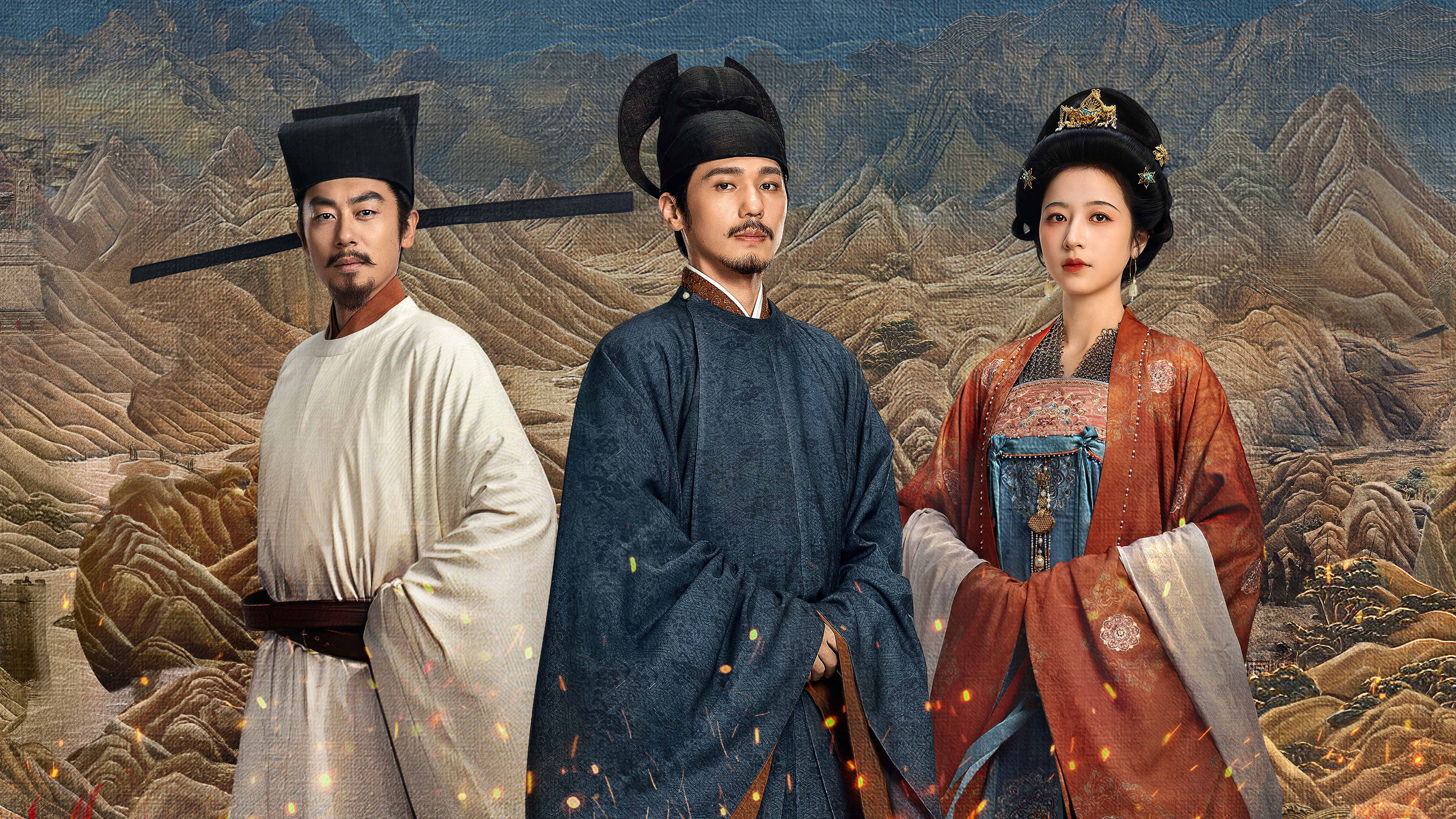
When Swords Into Plowshares premiered on January 23, 2026, it arrived at a moment when audiences were hungry for something that could blend intimate character drama with sweeping historical ambition. What unfolded across its 48-episode first season was nothing short of a masterclass in how to tell a story about power, legacy, and the weight of nation-building through the lens of one man’s impossible choices. The show debuted to immediate cultural resonance, and that 8.0/10 rating—earned through consistent viewership rather than inflated opening weekend enthusiasm—tells you something crucial: this wasn’t a flash in the pan. This was a series that audiences kept coming back to, week after week, because they genuinely cared about what happened next.
The premise, centered on Qian Hongchu and his quest to accomplish “Na Tu Gui Song” (bringing order to a fractured realm), could have been standard historical drama territory. But what made this series stand apart was its willingness to examine the human cost of nation-building. Rather than glorifying conquest or painting political maneuvering as chess moves divorced from consequence, the show grounded its narrative in genuine emotional stakes. Viewers weren’t just watching a young monarch navigate the treacherous landscape of the Five Dynasties and Ten Kingdoms period—they were watching him become the kind of leader such a fractured time demanded, often at personal cost.
The scale of this production was remarkable in itself. Breaking 1 million reservations by March 2025, before it even aired, demonstrated that audiences sensed something special was coming. But beyond the pre-release hype, what actually resonated was how the creative team managed the pacing across those 48 episodes. Without getting bogged down in exposition or losing momentum, the show allowed its narrative to breathe, developing secondary characters and subplots with genuine care. This wasn’t padding—it was world-building that made the Five Dynasties and Ten Kingdoms period feel alive and textured.
> The show’s approach to drama emphasized the internal struggles of leadership just as much as external conflicts, asking difficult questions about what’s required to unify a nation.
The multi-platform presence across iQiyi, CCTV-1, Mango TV, and Tencent Video meant the show reached audiences across different viewing ecosystems in China, each bringing their own perspectives to the material. What’s fascinating is that rather than fragmenting the cultural conversation, this wide distribution actually amplified it. Conversations sparked across communities—what might trend on one platform would quickly ripple to another, creating moments of genuine shared cultural significance.
Key thematic elements that resonated deeply:
- The tension between youthful idealism and the pragmatism required to survive in a fragmented political landscape
- The complicated relationships between brothers and rivals, loyalty and ambition
- The cost of peace-building on those tasked with the burden of unification
- How historical trauma shapes present decisions and future possibilities
What many overlooked initially was how the show treated its ensemble cast. Secondary characters didn’t exist merely to service the protagonist’s arc—they had their own moral dimensions, their own reasons for alliance or resistance. This created a drama that felt genuinely unpredictable because you understood the motivations of multiple parties, none of whom were purely villainous or heroic. The standout episode moments that went viral weren’t necessarily action sequences; they were conversations, realizations, moments where characters had to confront what they actually believed versus what circumstances required them to do.
The impact on the television landscape itself shouldn’t be understated. Swords Into Plowshares premiered in an era where Chinese historical dramas had become increasingly formulaic. This series helped demonstrate that audiences wanted something more thematically ambitious, more willing to engage with moral ambiguity. It raised the bar for what a period drama could achieve in terms of character depth and narrative sophistication.
The fact that it’s returning for more seasons speaks volumes about its staying power. In an industry obsessed with immediate metrics, a show that builds its audience gradually and maintains genuine engagement across 48 episodes has already proven its worth. The ratings remained steady throughout its run, which is notoriously difficult to achieve in serialized television. People weren’t just watching the premiere and moving on—they were invested in the long game, exactly as the narrative itself required them to be.
What made the storytelling approach so effective:
- Allowing character development to unfold naturally rather than through exposition-heavy dialogue
- Balancing intimate personal moments with larger historical forces at play
- Respecting audience intelligence by trusting them to understand complex political dynamics
- Creating genuine consequences for character choices rather than resetting stakes each episode
As we look ahead to its return, Swords Into Plowshares has already carved out its place as a significant entry in contemporary drama television. It proved that historical dramas could be both culturally grounded and universally compelling, that audiences were ready for stories about leadership that didn’t shy away from moral complexity, and that sometimes the most powerful television arrives quietly, earns its audience’s trust, and builds something that lasts.