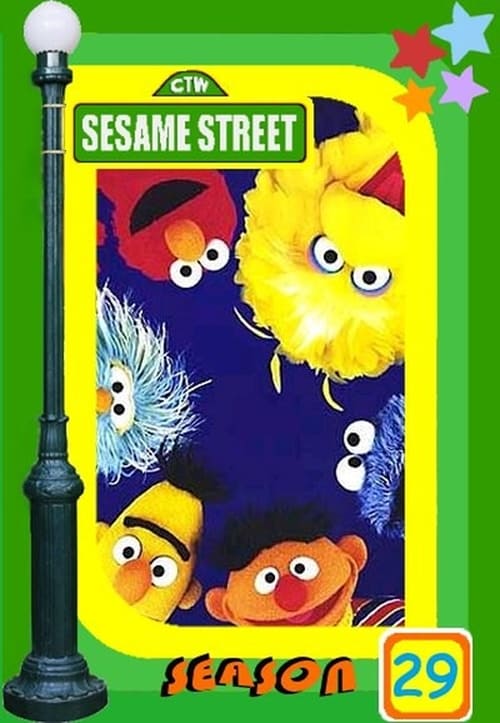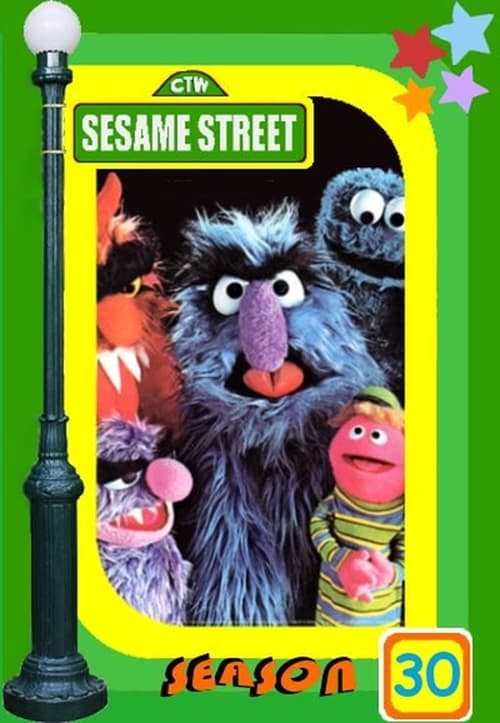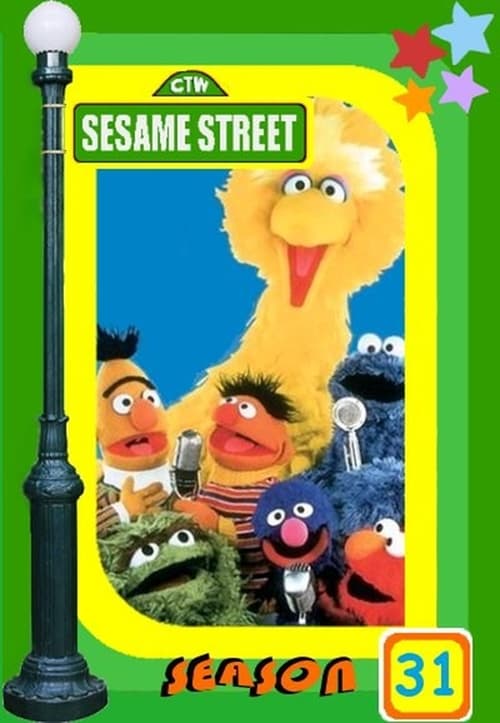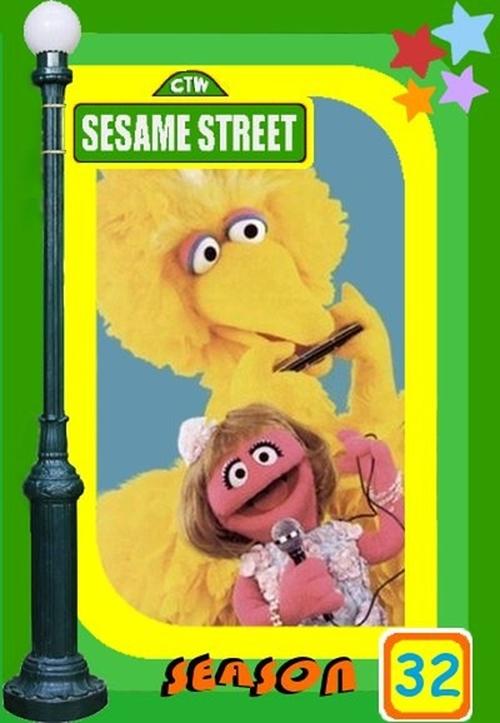
When Sesame Street debuted on November 10, 1969, it arrived with an audacious premise: that a television show could teach preschoolers their ABCs and basic social skills while genuinely entertaining them. What Lloyd Morrisett and Joan Ganz Cooney envisioned, brought to life through Jim Henson’s revolutionary puppetry, wasn’t just another children’s program—it was a complete reimagining of what kids’ television could accomplish. Over five decades later, with 56 seasons and 3,161 episodes under its belt, the show hasn’t just endured; it’s fundamentally shaped how we think about educational broadcasting.
The brilliance of Sesame Street lies in its structural elegance. Each 54-minute episode functions like a perfectly calibrated educational tool disguised as pure entertainment. Rather than lecturing to children, the show embedded learning into narrative moments, musical numbers, and comedy sketches. A character-driven scene might introduce the letter “B,” a quick animated segment would reinforce it, and a catchy song would cement it in memory. This layered approach meant that children weren’t just passively absorbing information—they were actively engaged in a world that felt authentic and alive.
The Show’s Cultural Phenomenon Status
What truly sets Sesame Street apart is how it transcended the typical boundaries of children’s television. Early on, it sparked genuine cultural conversations:
- Networks initially doubted whether educational content could compete with entertainment value
- Parents discovered they could trust the show to provide both learning and genuine laughs
- Educators recognized an entirely new pedagogical tool at their disposal
- The show’s depiction of a diverse, multi-racial community became a powerful statement during the civil rights era
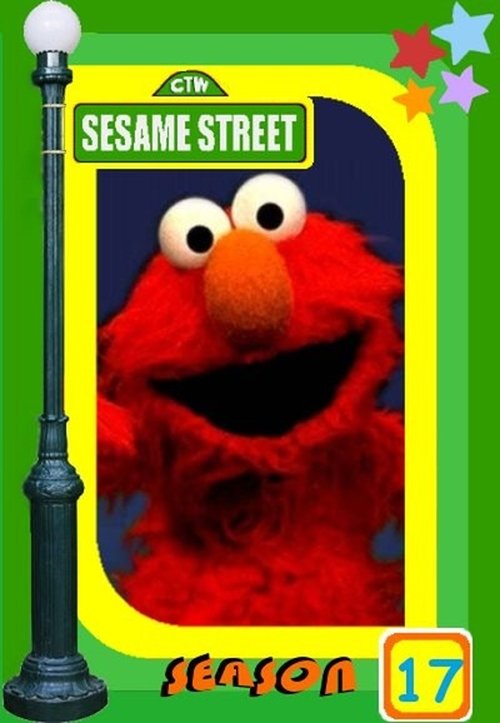
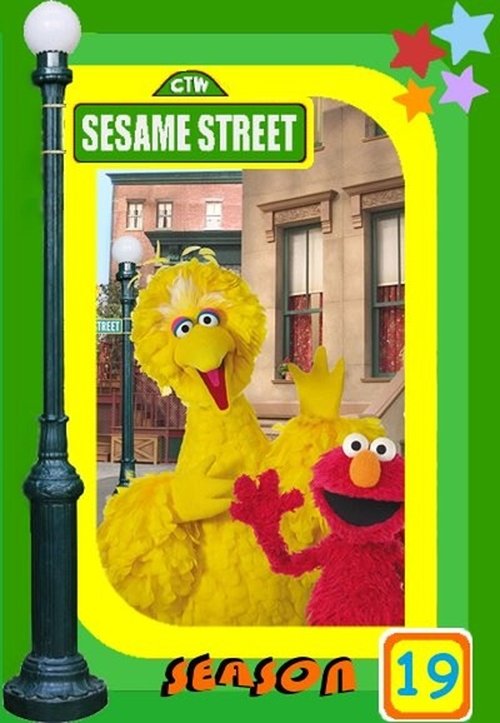
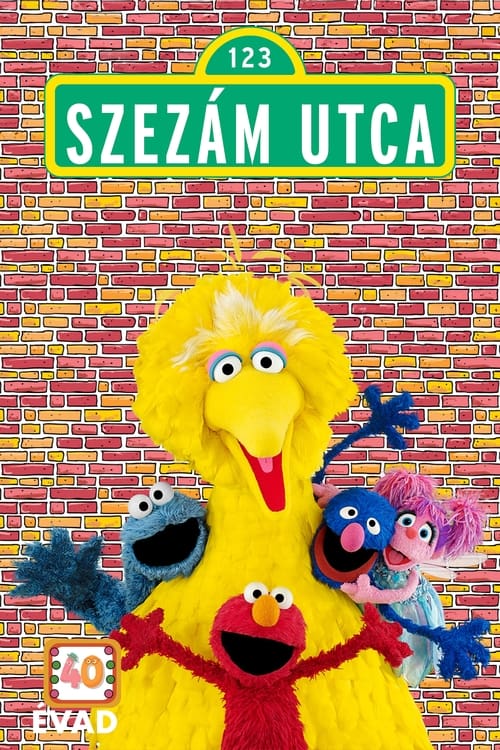
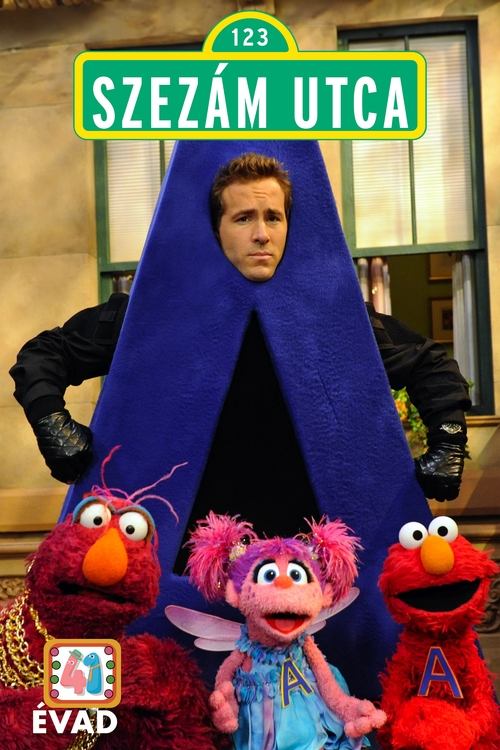
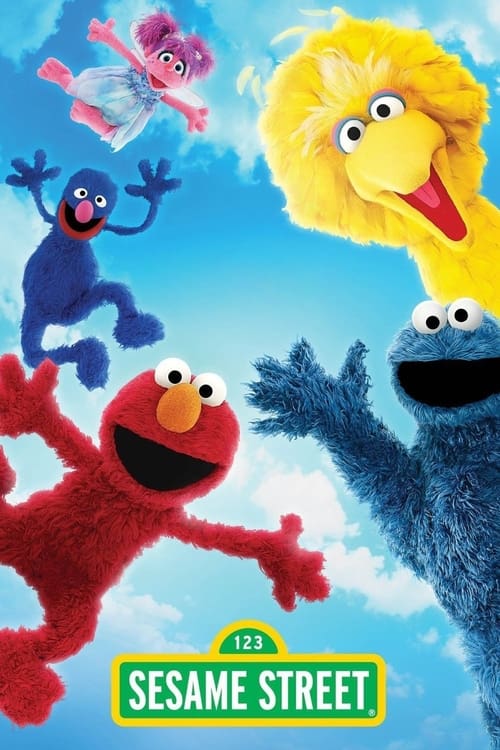
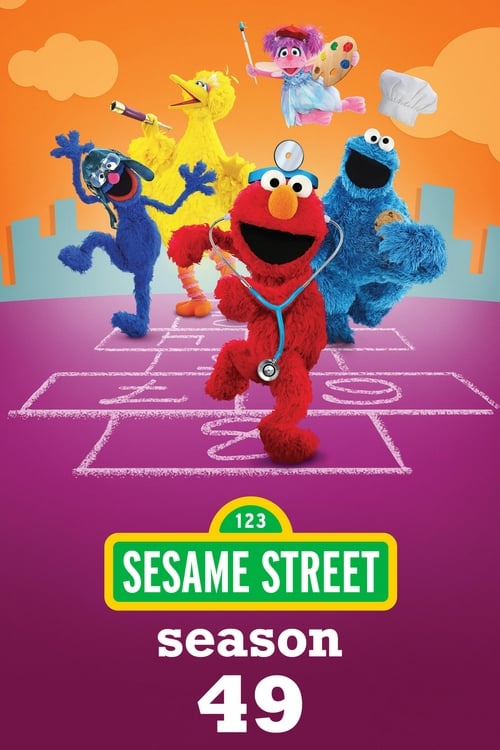
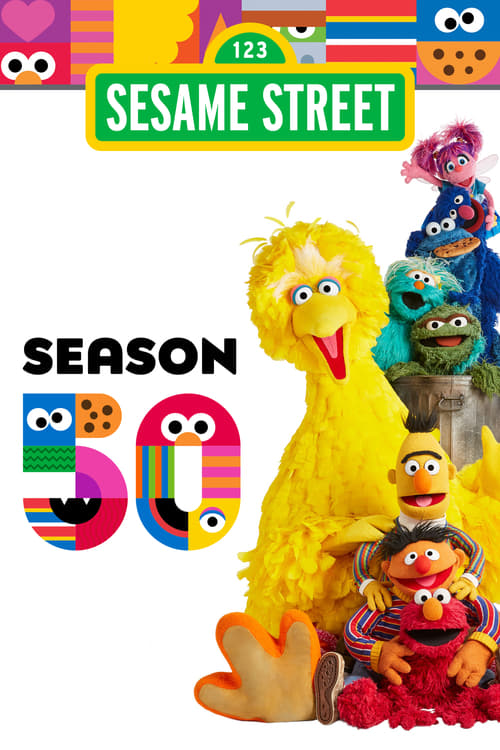
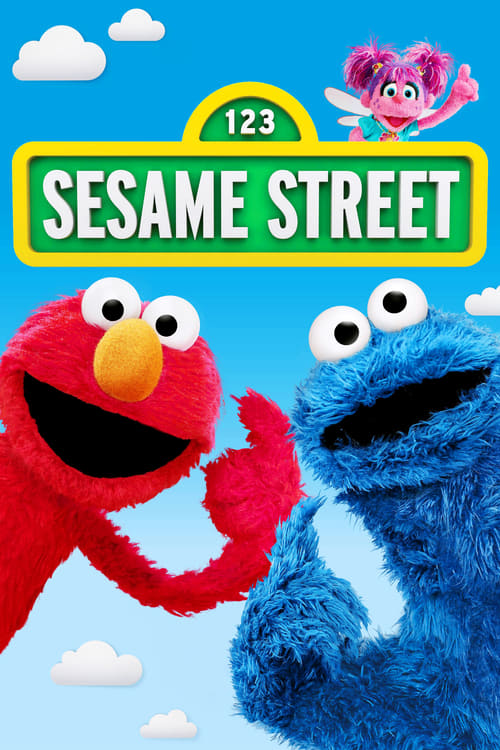
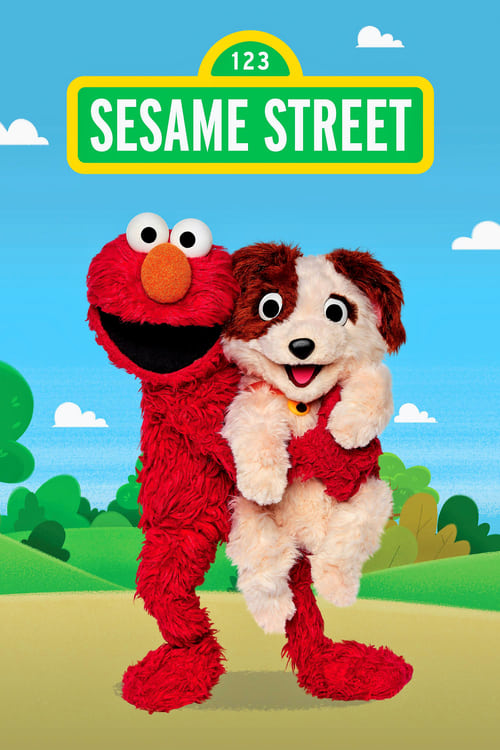
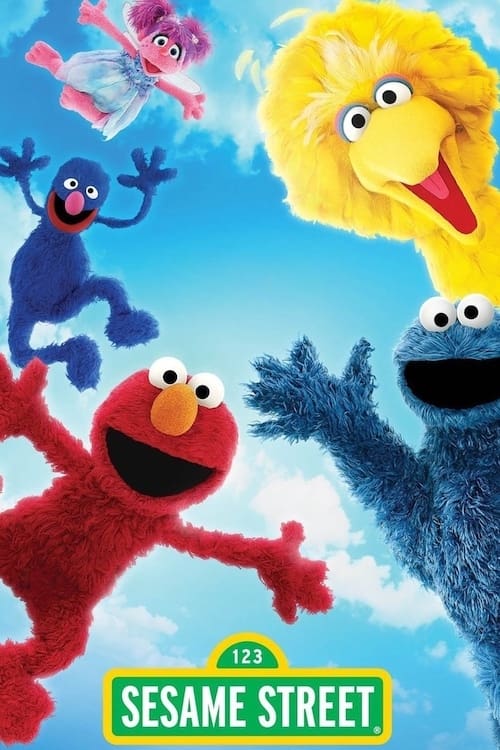
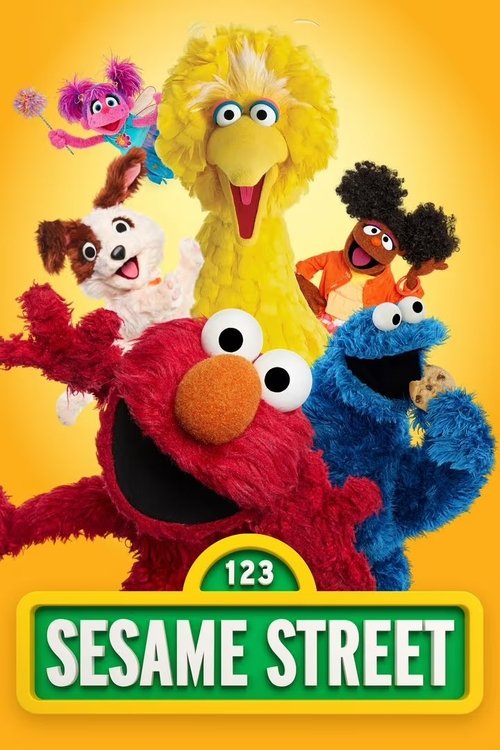
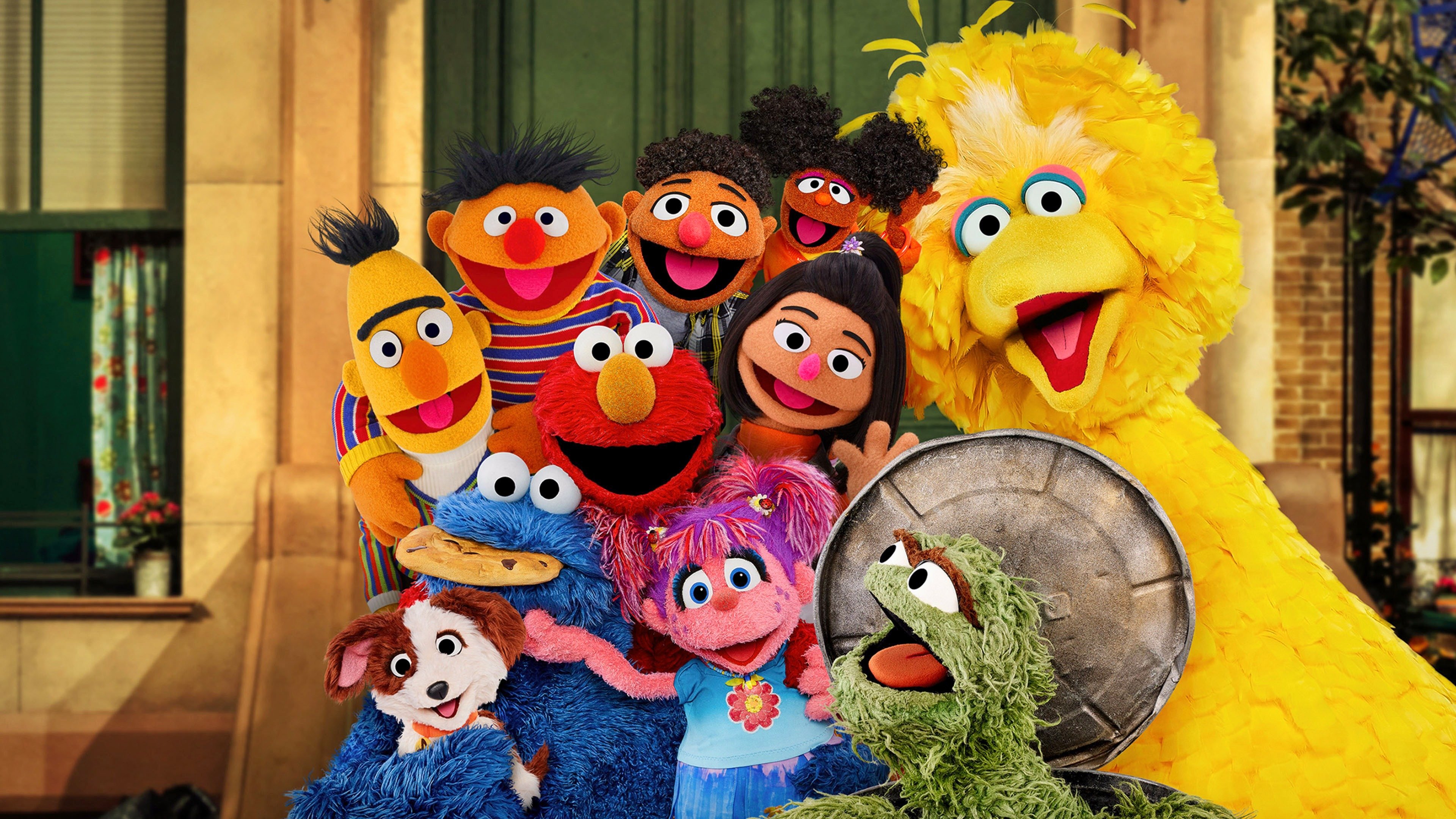
The presence of characters like Gordon, Susan, and Maria—human inhabitants of the street alongside iconic Muppets like Big Bird, Elmo, and Oscar the Grouch—created something revolutionary: a television neighborhood that reflected real urban diversity and social cohesion.
> The show understood something fundamental: children don’t need content to talk down to them. They need content that respects their intelligence while meeting them where they are developmentally.
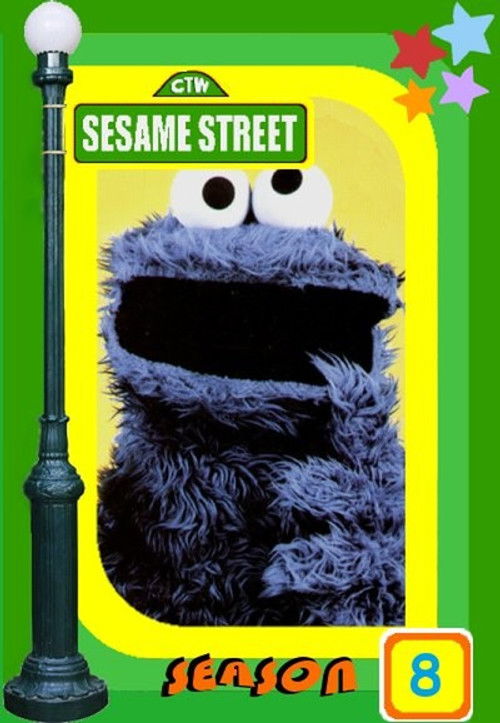
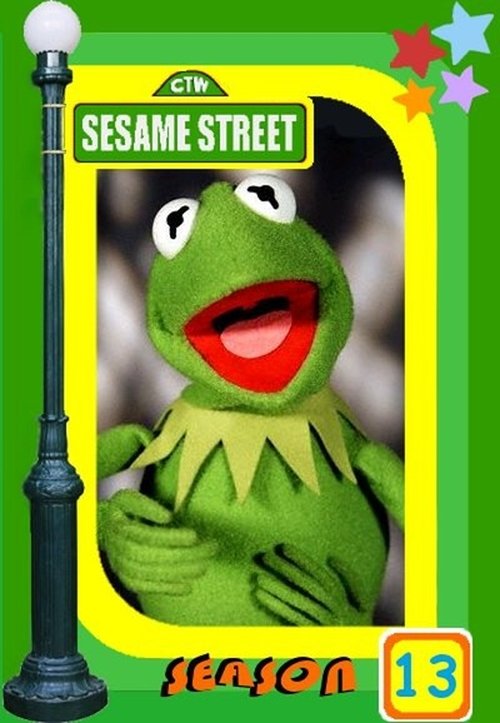
Jim Henson’s creative contribution deserves particular emphasis here. The Muppets weren’t simply cute additions to a educational framework—they were character-driven performers with genuine personalities, quirks, and emotional depth. Big Bird’s gentle confusion, Cookie Monster’s obsessive comedy, and Oscar’s crusty vulnerability gave children relatable emotional anchors. These characters felt real to their young audiences in ways that traditional animation simply couldn’t achieve at the time.
The Remarkable Longevity and Consistency
Sustaining a children’s educational show for 56 seasons while maintaining creative relevance represents an extraordinary achievement. The show’s ratings have remained remarkably consistent, hovering around 7.0-7.8 across its run, which speaks to both the quality of execution and its enduring appeal. Those numbers represent roughly 5.6 million households tuning in during an average week—a testament to how deeply embedded Sesame Street became in American childhood.
The show’s approach to evolution deserves recognition. Rather than becoming calcified around its original 1969 formula, Sesame Street has continually adapted:
- Early seasons established the foundational educational model and character dynamics
- Middle years expanded to address contemporary social issues—death, divorce, disability, prejudice
- Later seasons tackled modern challenges like environmental awareness and emotional literacy
- Recent years have embraced streaming platforms while maintaining the show’s core identity
This flexibility enabled the show to remain relevant across generations while never abandoning its core mission.
Why It Continues to Resonate
The genius of Sesame Street is that it works on multiple levels simultaneously. Children learn practical skills, but adults discover themselves in the humor and emotional resonance. Watch an episode with kids and you’ll notice parents laughing at jokes and moments clearly designed with adult sensibilities in mind. That dual-audience appeal is rare and valuable.
The show’s integration across multiple platforms—from traditional PBS broadcasts to HBO, Netflix, and Max—reflects not just commercial savvy but a determination to reach children wherever they are. The Returning Series status confirms what we already knew: there’s no endpoint to this story. The street remains open, the residents remain ready to welcome both newcomers and longtime visitors, and the educational mission continues evolving.
What makes Sesame Street truly significant, though, isn’t just its longevity or its impressive episode count. It’s that the show fundamentally proved educational television could be artistically excellent, creatively ambitious, and genuinely moving. It didn’t settle for being “good for kids”—it insisted on being good, period. After more than five decades, that ambition remains evident in every frame, every song, every carefully constructed moment of learning disguised as pure joy.