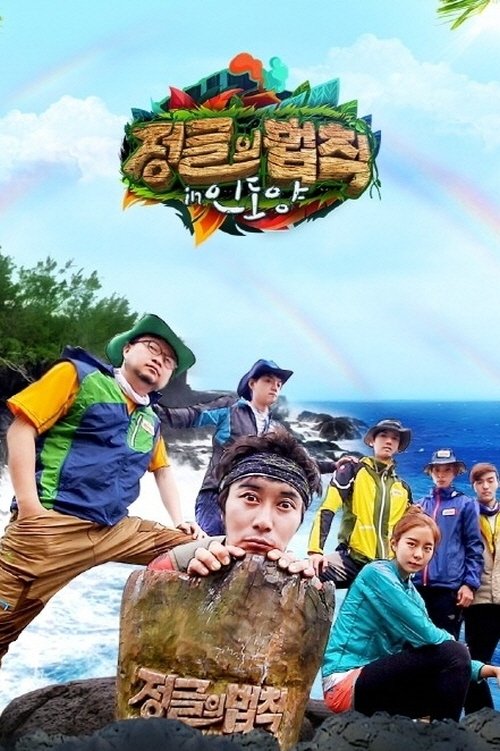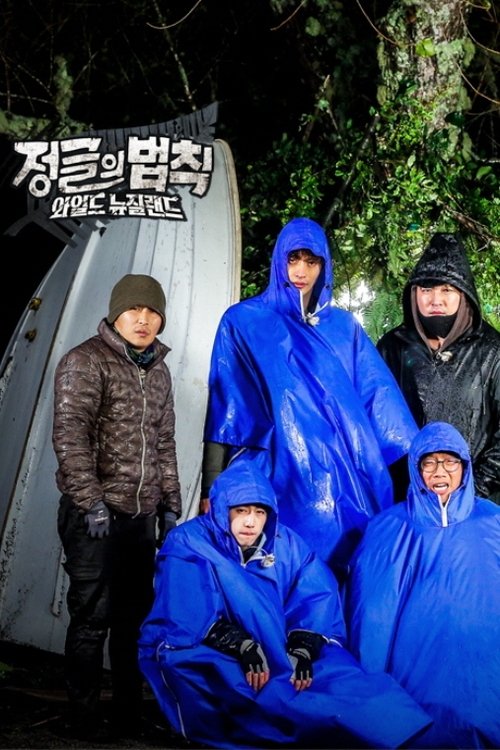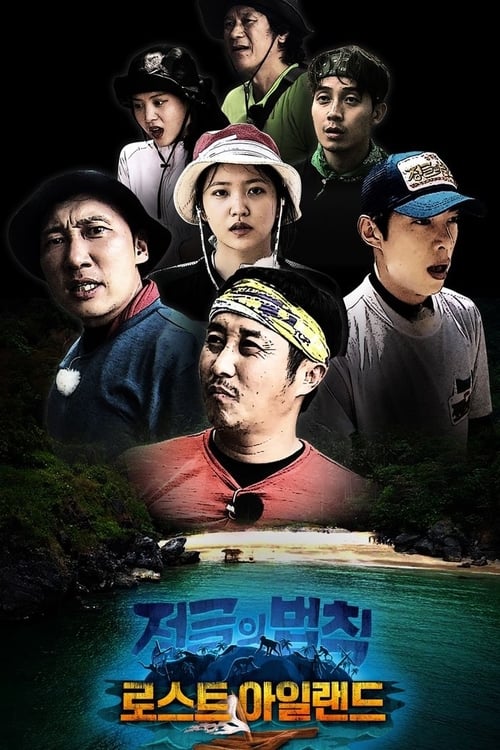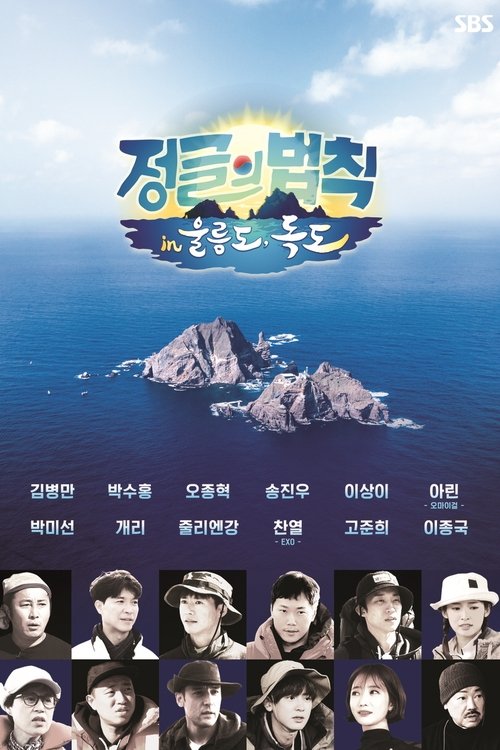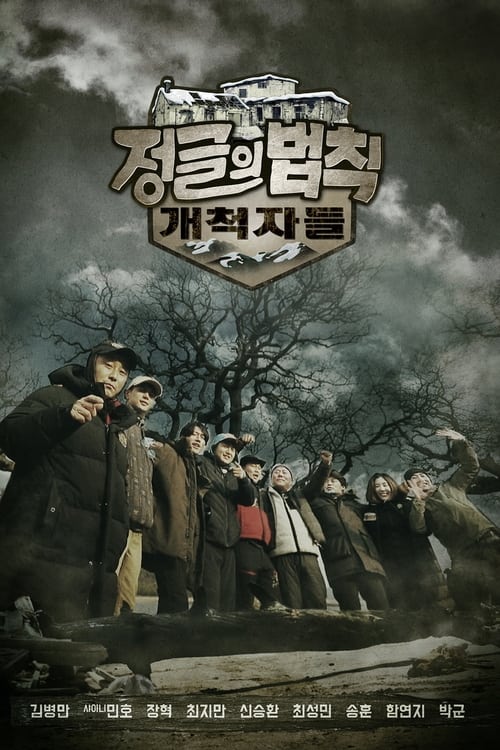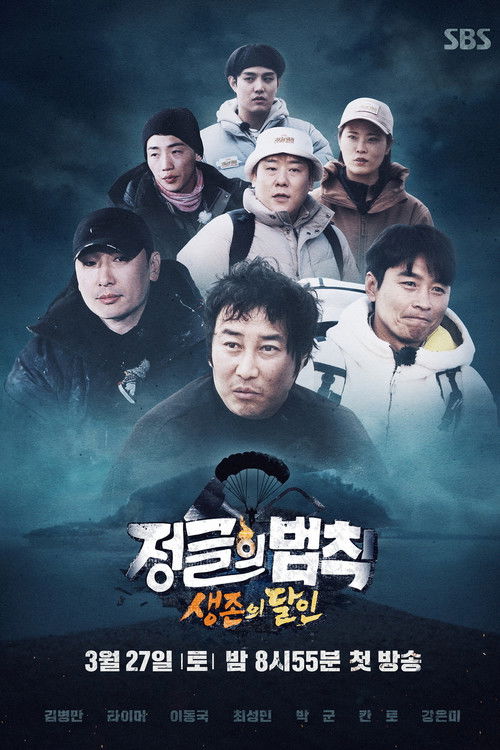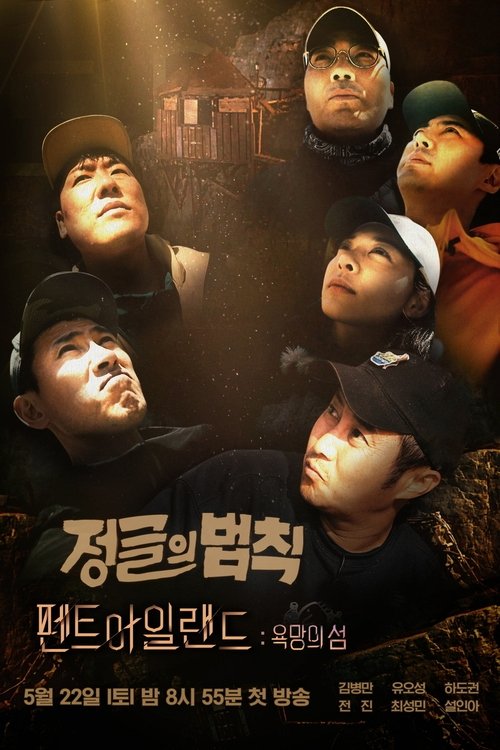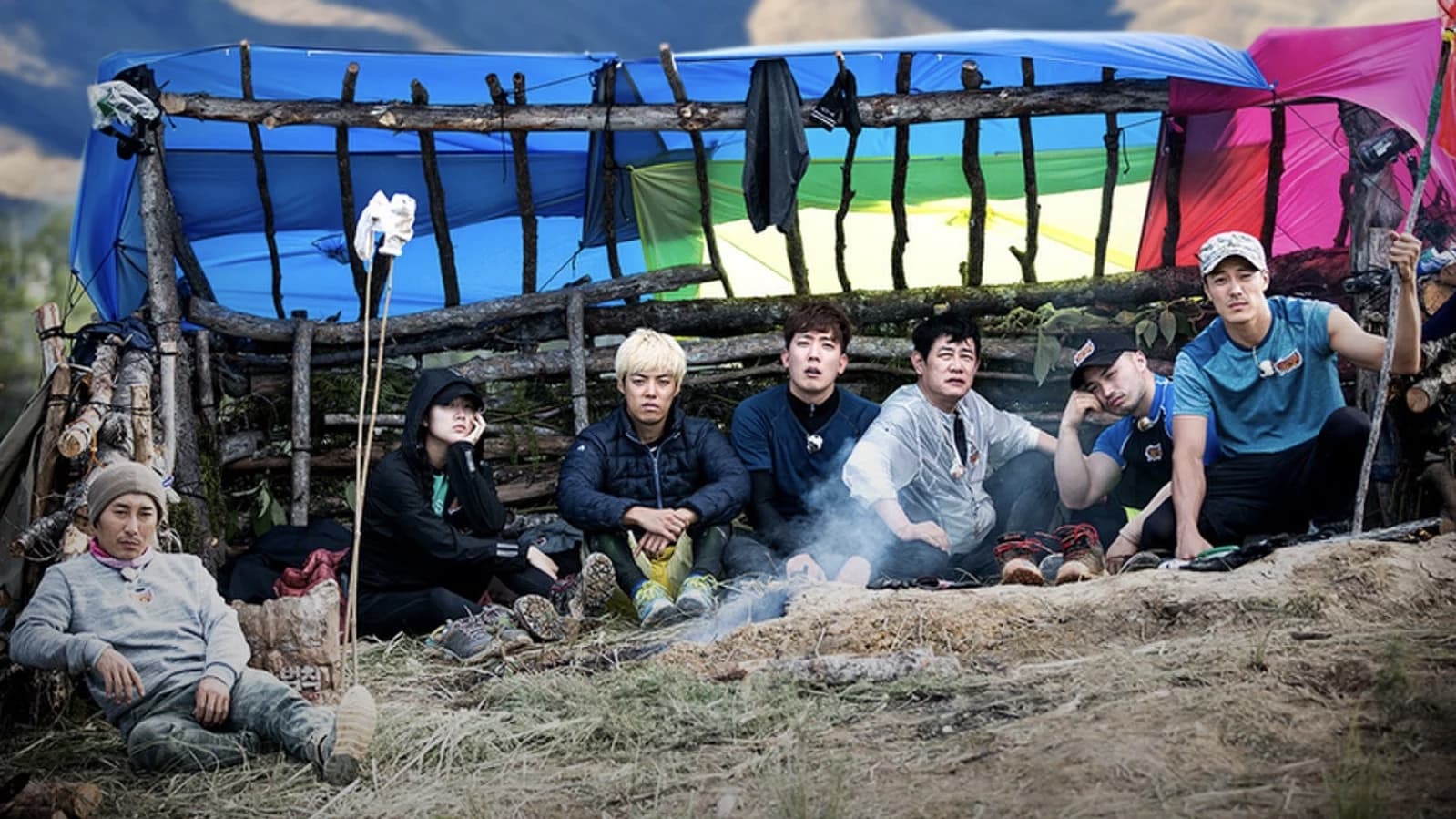
When Law of the Jungle premiered on SBS back in October 2011, few could have predicted it would become one of South Korean television’s most enduring reality programs. The concept was deceptively simple: take celebrities, drop them into remote and often hostile environments across the globe, and document their struggle to survive. Yet what began as a straightforward survival experiment evolved into something far more compelling—a decade-long examination of human resilience, celebrity vulnerability, and the raw tension between comfort and necessity.
Over its impressive 57-season run spanning 893 episodes, the show built a devoted international following that extended well beyond its native South Korea. The program’s staying power speaks volumes about its creators’ understanding of what audiences genuinely wanted to watch. Unlike scripted dramas that rely on predetermined narratives, Law of the Jungle offered something more authentic: real people facing real challenges without a safety net of scripts or convenient resolutions. That unpredictability became the show’s greatest strength.
What made the show genuinely innovative was its evolution beyond typical reality television.
The early seasons established the formula, but the show didn’t rest on that foundation. Instead, it continuously refined the concept by:
- Selecting increasingly remote and challenging locations worldwide, from African savannas to island paradises to arctic regions
- Rotating celebrity participants to maintain fresh dynamics and unexpected personality clashes
- Escalating survival challenges that pushed both physical and psychological boundaries
- Documenting the transformation that occurs when fame and privilege become irrelevant
The 6.0/10 rating, while not exceptional on paper, actually reveals something interesting about the show’s nature. It wasn’t trying to be universally beloved—it was trying to be honest. The uneven pacing of survival, the mundane stretches between dramatic moments, the sometimes-uncomfortable interpersonal dynamics: all of these remained unfiltered. Viewers who connected with the show’s authenticity became deeply invested, even if casual viewers occasionally found the pacing challenging.
> The show’s real genius lay in stripping away the artificial constructs that protect celebrities in their everyday lives. When you’re genuinely hungry, exhausted, and uncertain whether you’ll find clean water, the celebrity persona becomes a luxury you can’t afford.
The cultural impact of Law of the Jungle extended far beyond entertainment. It sparked genuine conversations about celebrity, privilege, and what happens when those boundaries dissolve. Iconic moments from the series became part of Korean pop culture dialogue—certain celebrities’ reactions to hardship, memorable alliance-building around the campfire, the dramatic moments when someone nearly gave up. These weren’t manufactured drama; they were authentic human responses to extreme situations, and audiences could sense the difference.
The show also proved influential in how subsequent reality programs approached survival and adventure programming. It demonstrated that audiences didn’t need perfect cinematography or dramatic music swells—they needed genuine stakes and genuine reactions. International formats would eventually emulate elements of Law of the Jungle‘s approach, recognizing that authenticity often trumps production value.
From a creative standpoint, the decision to keep episode runtimes flexible rather than locked into conventional structures was quietly revolutionary. Rather than forcing stories into 50-minute or 90-minute boxes, the show allowed episodes to breathe naturally. A day of struggling to build shelter might warrant extended coverage. A moment of genuine breakthrough might be captured in its entirety. This flexibility meant the show was always serving the story rather than the story serving the format.
The logistics of producing nearly 900 episodes across 57 seasons in diverse international locations represent an extraordinary creative achievement. The production team had to scout locations, coordinate with local authorities, manage celebrity schedules across continents, and ensure safety while maintaining genuine jeopardy. That infrastructure, built and maintained across a full decade, speaks to a production company with serious commitment to the show’s vision.
The show’s journey ultimately reflects something important about television as a medium. In an era increasingly dominated by streaming algorithms and niche targeting, Law of the Jungle succeeded by simply committing to one strong idea and executing it with integrity. It didn’t chase trends or dramatically reinvent itself with each season. It evolved thoughtfully while remaining true to its core concept: watching how humans actually respond when comfort is removed and survival becomes the only priority.
As the show concluded its run, it left behind a legacy that transcended its 6.0 rating or even its impressive episode count. It proved that reality television, done with genuine commitment to authenticity, could create meaningful moments that resonated across cultures and demographics. For anyone interested in understanding how television can capture the human condition—our strengths, our weaknesses, our capacity for both cruelty and kindness under pressure—Law of the Jungle remains an essential example of the medium at its most honest.