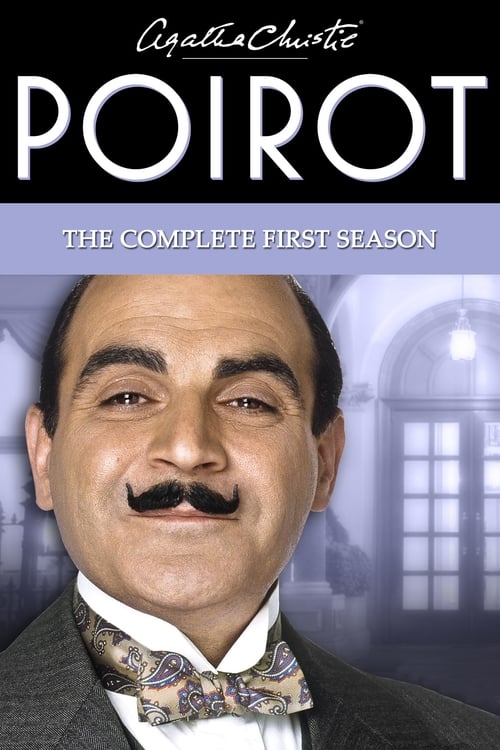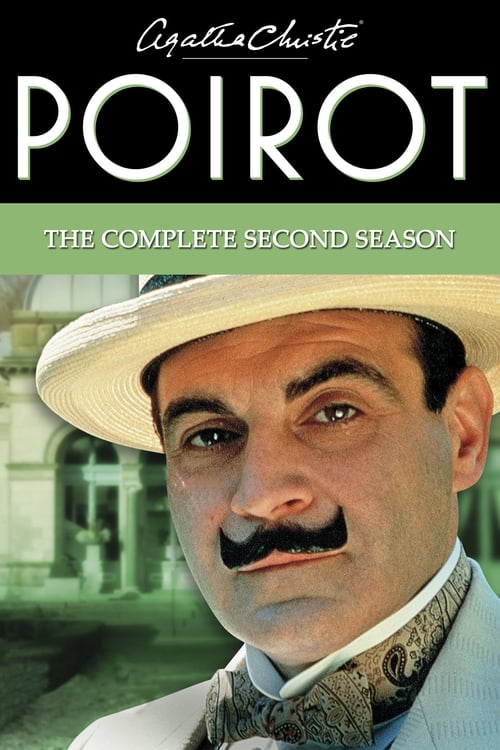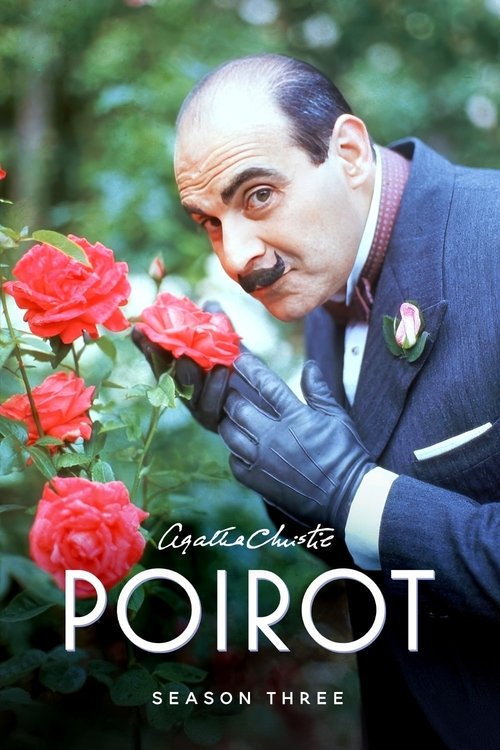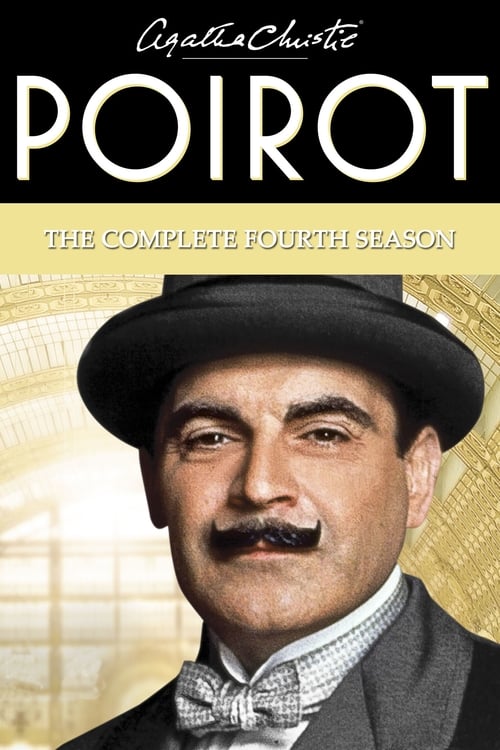
When Agatha Christie’s Poirot premiered on ITV on January 8, 1989, it arrived as something of a quiet revolution in British television. Here was a show that understood something fundamental: that audiences didn’t need constant action or sensationalism to stay engaged. They needed mystery, intelligence, and the company of an unforgettable character. What unfolded over the next 24 years—thirteen seasons, seventy episodes, and an 8.2/10 rating that reflects genuine, sustained viewer devotion—was nothing short of a masterclass in how to adapt literary source material with respect and artistry.
The genius of this adaptation rested largely on one transformative casting decision: David Suchet as Hercule Poirot. Suchet didn’t just play the famous Belgian detective; he inhabited him, bringing both the fastidious eccentricity and the genuine human vulnerability that Agatha Christie had embedded in her creation. Over nearly a quarter-century, Suchet aged into the role, and the show aged with him, creating an arc that few television series ever achieve. The character became so intrinsically linked to Suchet that it’s genuinely difficult to imagine anyone else delivering Poirot’s particular brand of methodical genius and theatrical deduction.
What made Poirot stand out in the crowded detective drama landscape was its commitment to storytelling discipline. Each fifty-minute episode was shaped like a perfectly constructed puzzle box. The runtime wasn’t a limitation—it was a feature. This wasn’t a show that needed to pad scenes with filler or stretch plots across multiple episodes for dramatic effect. Instead, writers and producers embraced the constraint, using it to deliver tightly wound narratives where every detail mattered, where the seemingly insignificant conversation in act one paid off devastatingly in act three. This approach harked back to the traditions of the mystery genre itself, where the pleasure comes from the intellectual satisfaction of solving the puzzle alongside the detective.
> The show understood that audiences didn’t need constant action—they needed mystery, intelligence, and the company of an unforgettable character.
The cultural footprint of Poirot became particularly evident as the series progressed. Certain episodes and seasons achieved iconic status among fans and critics alike, becoming touchstones in discussions about British television drama. The show sparked ongoing conversations about fidelity to source material versus creative interpretation, about how to honor a beloved literary character while making him distinctly television’s own. Season 4 and Season 6 emerged as particular fan favorites, with their higher ratings reflecting episodes that seemed to hit the perfect balance between Poirot’s theatrical presentation and genuine emotional depth.
The procedural structure of each episode gave the series an accessible, almost ritual quality. Viewers knew what to expect: Poirot would encounter a seemingly inexplicable crime, various suspects with compelling motives would be introduced, red herrings would be expertly planted, and then in the final scenes, Poirot would gather everyone and methodically dismantle the false assumptions, revealing the actual perpetrator through a combination of evidence, psychology, and that celebrated “little grey cells.” This formula never became tired because it was executed with such consistency and intelligence.
What elevated Poirot beyond mere procedural comfort was its approach to the Crime, Drama, and Mystery genres. Yes, it solved crimes, but it also explored the human dimensions of those crimes—the desperation, the passion, the weakness that drove people to terrible acts. Poirot himself became progressively less a figure of pure intellect and more a weary observer of human nature, someone who understood both the mechanics of crime and its tragic human toll. This deepening characterization kept the show feeling fresh even after seven decades of episodes.
The show’s production values deserved particular praise. Period settings were meticulously recreated, whether the stories took place in pre-war England, on ocean liners, or in exotic international locations. The visual storytelling was never ostentatious, but it was always precise—every frame contributed to the atmosphere and the puzzle. This attention to detail reinforced the sense that viewers were in the hands of craftspeople who cared about their work, who understood that respecting the audience’s intelligence meant respecting the material itself.
The decision to end the series rather than let it decline was itself significant. Poirot concluded when it still had storytelling left to offer, when David Suchet could still fully inhabit the character, and when audiences still wanted more. This restraint is rare in television, and it’s part of what has allowed the show to endure in the cultural memory with such affection.
Looking at the streaming landscape now—where Poirot is available across BritBox, Acorn TV, PBS Masterpiece, and multiple other platforms—it’s clear that the show has found new audiences while retaining its original fanbase. There’s something timeless about intelligent, carefully constructed mystery television, something that transcends the era in which it was produced. Decades after it premiered, Agatha Christie’s Poirot remains a benchmark for how to adapt literature for television with artistry, intelligence, and genuine love for the source material.