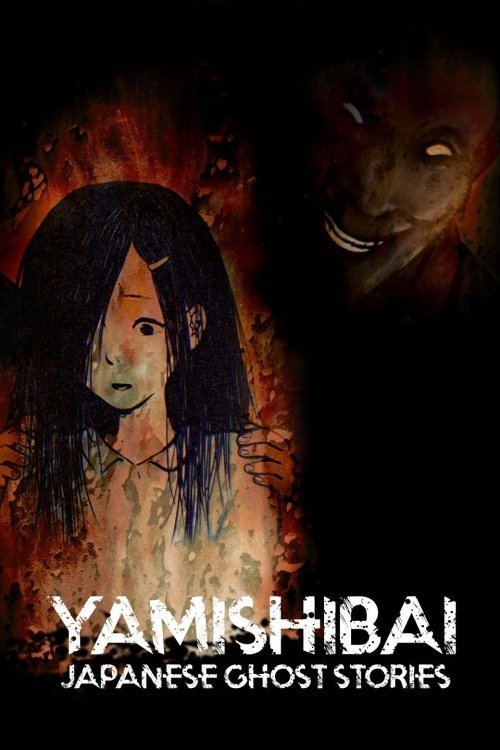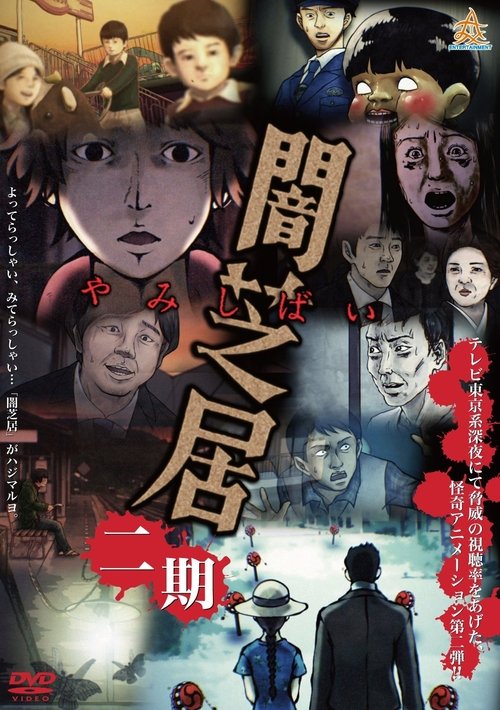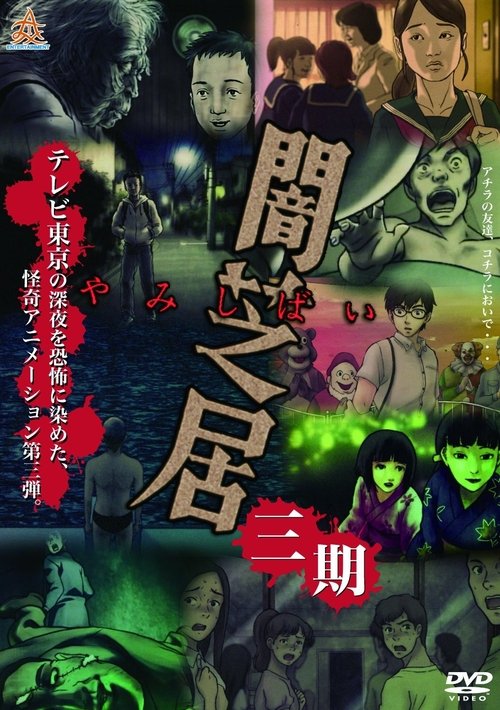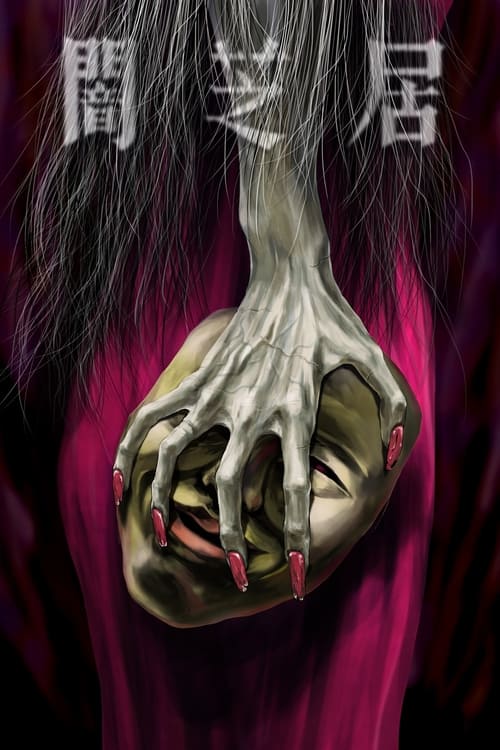
If you’re looking for a show that proves storytelling brilliance doesn’t require expansive runtimes or massive budgets, Theatre of Darkness: Yamishibai is your answer. When this series debuted on July 15, 2013, it arrived quietly—a four-minute animated series that seemed almost too brief to matter in the landscape of television. Yet over more than a decade, it’s amassed 199 episodes across 16 seasons, maintained a respectable 7.4/10 rating, and continues as a returning series, proving that sometimes the most unsettling stories come in the smallest packages.
What makes Yamishibai genuinely remarkable is how it weaponizes constraint as a creative tool. Each episode runs just four minutes—barely longer than a commercial break—yet within that narrow frame, the show consistently delivers narratives that burrow under your skin and stay there. The series draws from a distinctly Japanese tradition: yamishibai itself refers to paper dramas performed in shadow and darkness, a storytelling method with centuries of cultural weight behind it. By channeling that tradition through animation, the creators crafted something that feels simultaneously ancient and modern, folktale and contemporary horror.
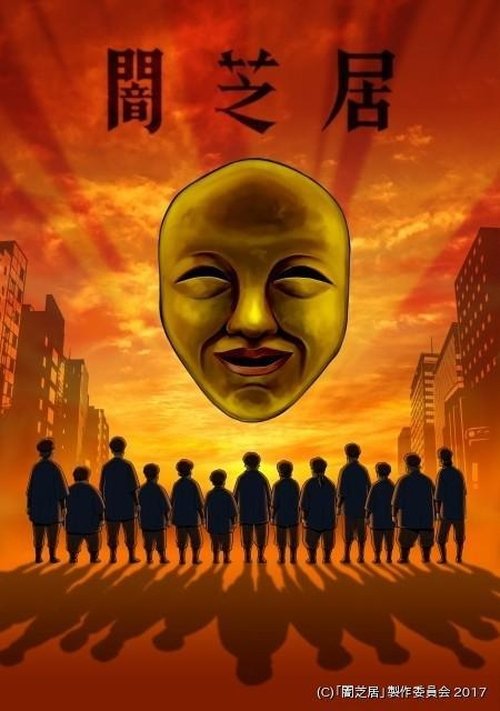
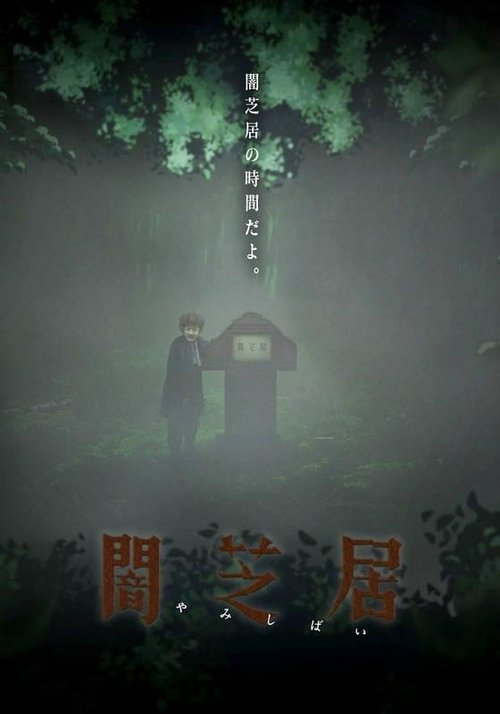
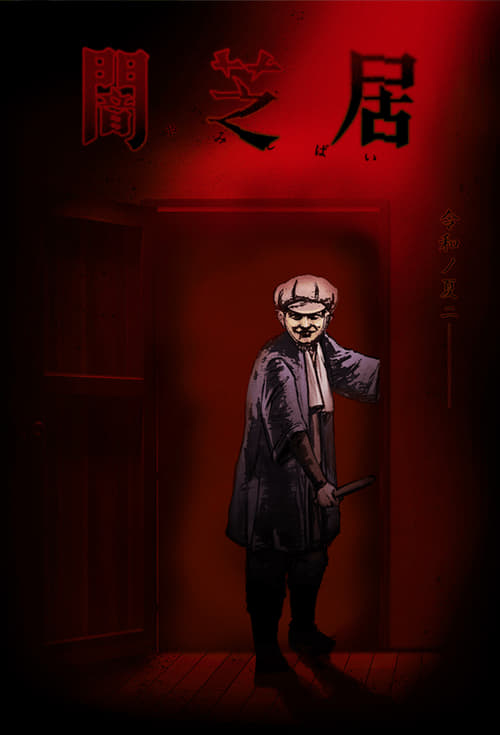
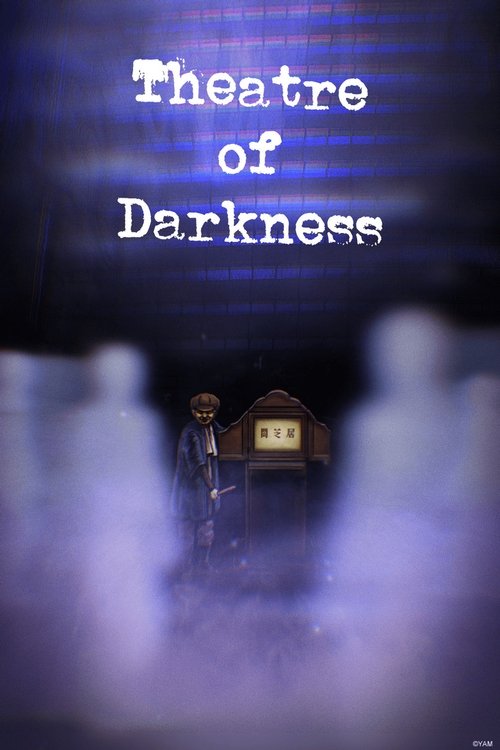
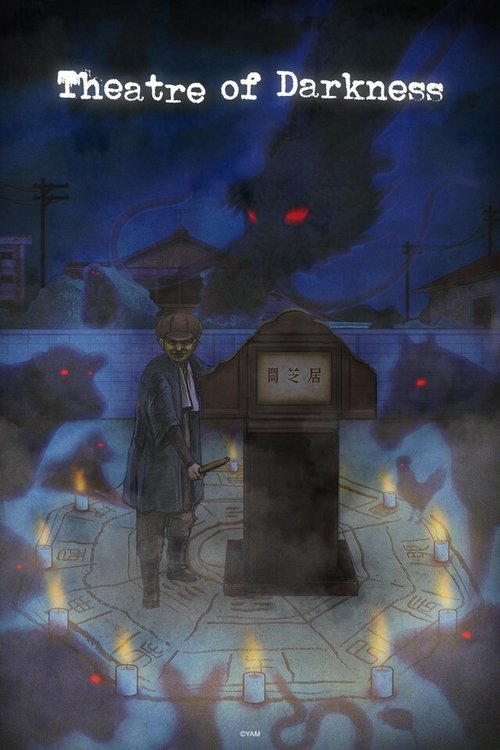
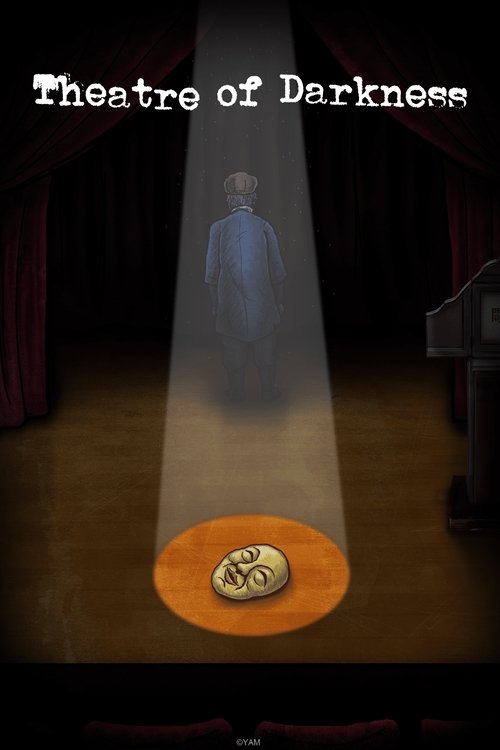
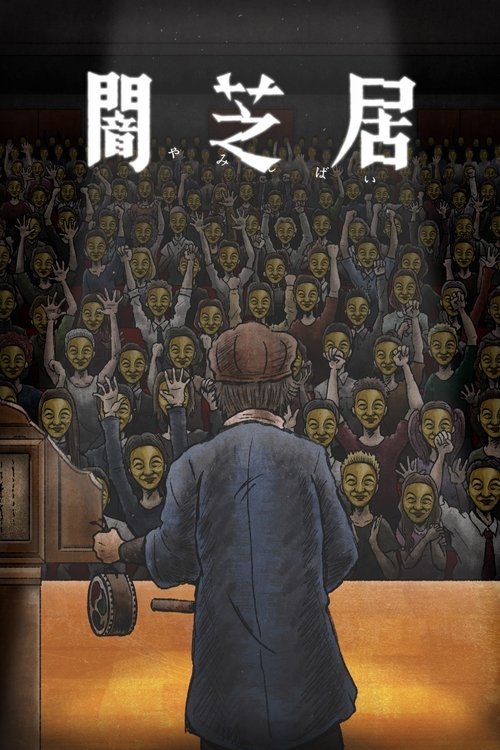
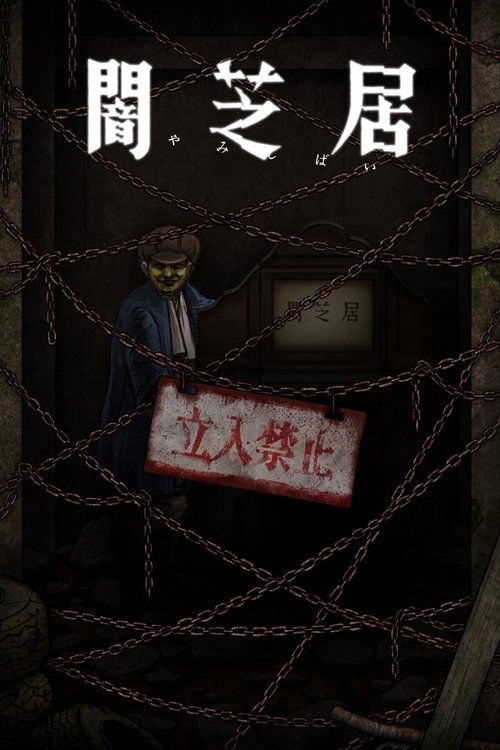
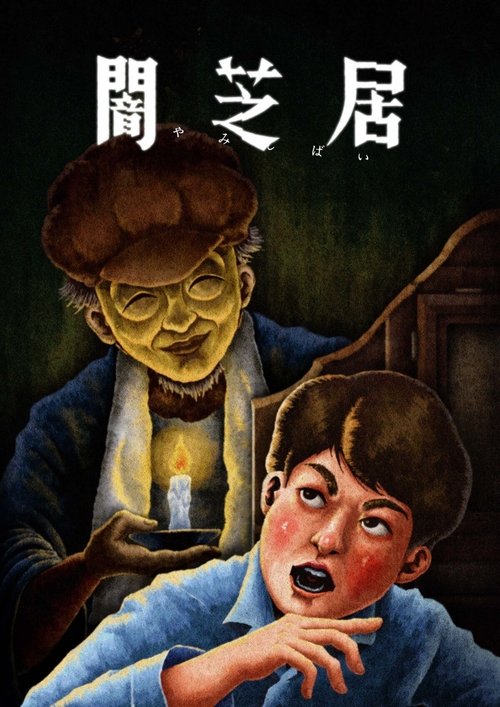
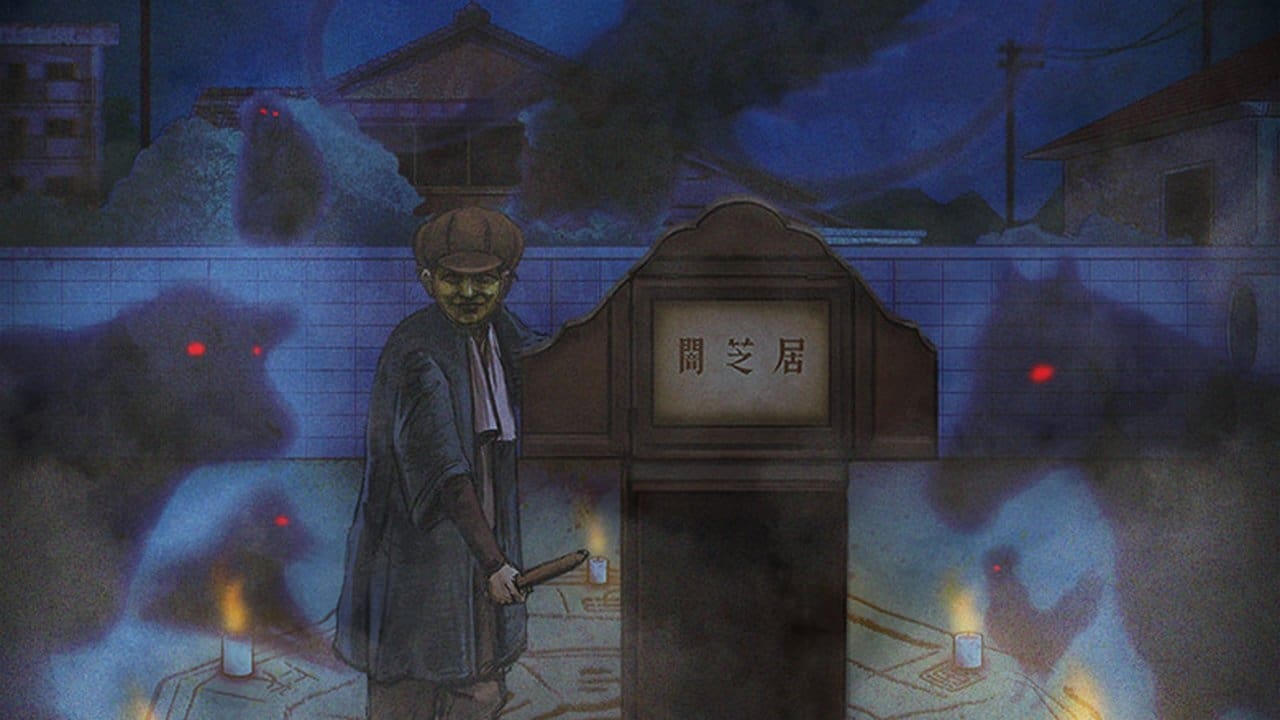
> The show’s central figure—an old man in a yellow mask who appears at children’s playgrounds to tell ghost stories—is deceptively simple. Yet this framing device becomes the perfect vehicle for exploring Japanese urban legends, myths, and rumors that have haunted the cultural consciousness for generations.
What’s particularly clever about Yamishibai’s approach is how the brevity actually enhances the horror. There’s no time for elaborate exposition or drawn-out tension building. Stories hit hard and fast, relying on:
- Unexpected twists that recontextualize everything you’ve just witnessed
- Cultural specificity that gives weight to narratives rooted in Japanese folklore
- Visual economy where every frame serves a purpose
- Psychological resonance that lingers long after the credits roll
The show debuted during a fascinating moment in anime and television more broadly—the streaming era was still consolidating, short-form content was finding its voice, and audiences were hungry for horror that didn’t need a 24-episode commitment. Yamishibai captured that moment perfectly. Its availability on Crunchyroll and the Crunchyroll Amazon Channel made it accessible to global audiences, but the show’s cultural specificity meant it appealed especially to viewers seeking something authentically Japanese, something that didn’t dilute its source material for mass appeal.
What’s fascinating about tracking Yamishibai across its 16-season run is how it’s managed to stay relevant. The series hasn’t rested on laurels or repeated the same formula endlessly. While maintaining its four-minute format and foundational premise, the show has explored varied narratives—some focusing on cursed objects, others on vengeful spirits, still others on the inexplicable wrongness lurking at the edges of everyday life. Episodes covering family visits to the countryside, mysterious warnings about particular houses, or tragic incidents at business trips all demonstrate the show’s range within self-imposed constraints.
The rating of 7.4/10 might seem modest, but it’s actually a strong indicator of devoted viewership. Unlike mainstream anime that shoots for broader appeal, Yamishibai has cultivated a specific audience: horror enthusiasts, folklore aficionados, and viewers who appreciate narratives that demand active engagement. The show doesn’t explain everything or provide comfortable resolutions. It trusts viewers to sit with ambiguity and unease.
Creatively, what the show achieves with animation deserves particular attention. The artistic choices—often minimalist, sometimes deliberately crude—serve the material perfectly. Rather than expensive character animation or elaborate backgrounds, the show prioritizes atmosphere and composition. Shadows become characters. Negative space generates dread. This isn’t animation in the service of spectacle; it’s animation as horror tool, where what you don’t see matters as much as what you do.
The show’s influence on the television landscape, particularly in how short-form horror content is conceived and distributed, shouldn’t be underestimated. Yamishibai proved that:
- Short format doesn’t mean short impact — four minutes can house genuinely disturbing narratives
- Cultural specificity has global appeal — audiences worldwide responded to specifically Japanese folklore and sensibilities
- Constraint breeds creativity — limitations in runtime forced innovative storytelling approaches
- Streaming changes possibilities — episodic content doesn’t need traditional broadcast structures to find audiences
The fact that the series returned for multiple seasons and continues in returning status speaks to something often overlooked in discussions of television: sustained cult appeal matters. Yamishibai built an audience that keeps coming back, year after year, for more stories whispered by a mysterious figure in a yellow mask.
Perhaps what makes Theatre of Darkness: Yamishibai most deserving of attention is simpler than all this analysis suggests: it respects your intelligence and your time. In an era of bloated runtimes and stretched narratives, here’s a show that says everything it needs to in four minutes and trusts you to feel the weight of what you’ve witnessed. That’s rare. That’s worth celebrating.