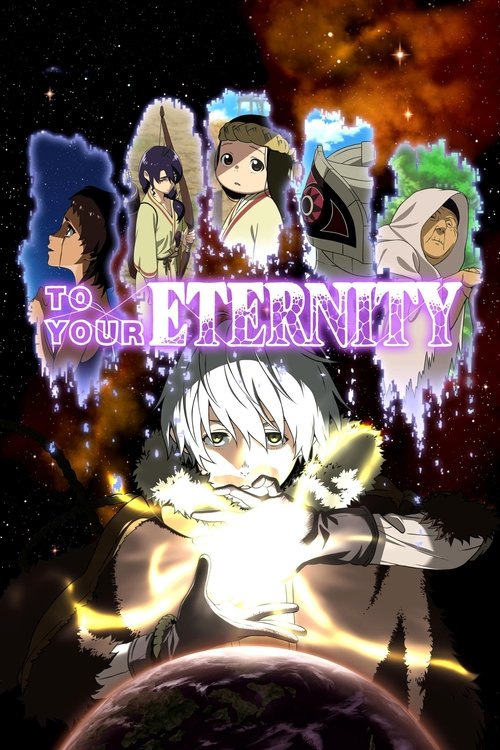
When To Your Eternity premiered on April 12, 2021, it arrived during a particularly crowded season of anime, yet it managed to cut through the noise in a way that felt genuinely special. This wasn’t just another action-adventure show riding on flashy animation and high stakes—it was something far more ambitious: a meditation on immortality, connection, and what it means to truly live that unfolded with the kind of emotional precision you rarely see in the medium. The show would go on to rack up an impressive 8.2/10 rating across its three-season run, but those numbers don’t quite capture why audiences became so deeply invested in this story.
What makes To Your Eternity stand apart is its willingness to take genuine narrative risks. The premise itself—following an immortal entity as it experiences countless lives across different eras and settings—could’ve easily become repetitive or gimmicky. Instead, the creative team used that immortality as a lens to explore profoundly human themes: grief, purpose, the weight of memory, and whether living forever is a blessing or a curse. Each arc feels essential rather than episodic, building toward something larger and more emotionally resonant than you might initially expect.
> The show’s true genius lies in understanding that the most compelling science fiction doesn’t come from spectacular world-building alone—it comes from asking the right questions about what makes life meaningful.
The 25-minute runtime deserves special mention here because it’s a format that could have felt constraining, but instead, the writers leveraged it brilliantly. There’s no fat in these episodes. Every scene carries weight, every conversation matters. This isn’t a show that meanders or pads runtime with filler. Instead, it treats those 25 minutes like precious real estate, packing emotional arcs and narrative development into spaces where lesser shows would stumble.
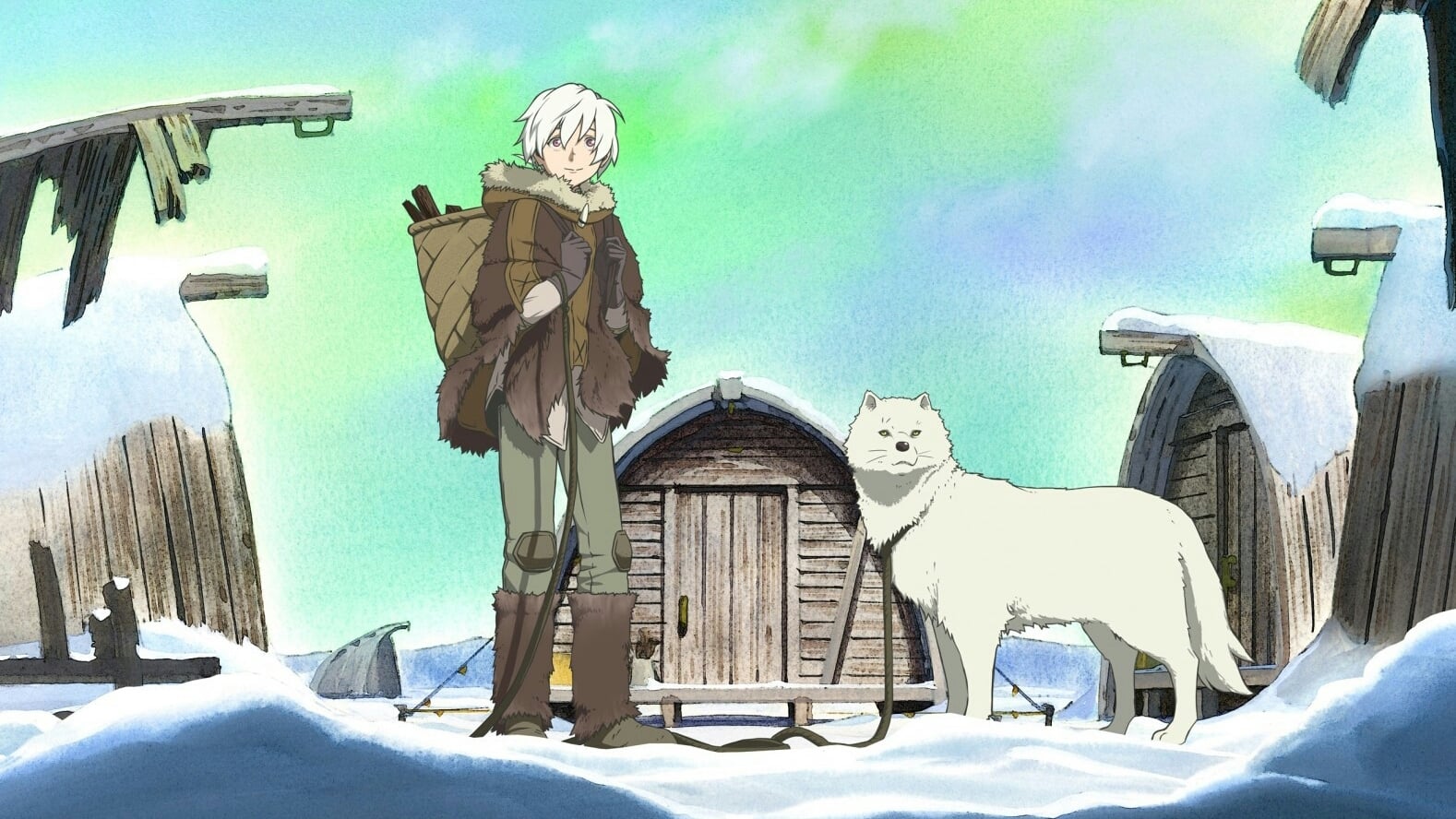
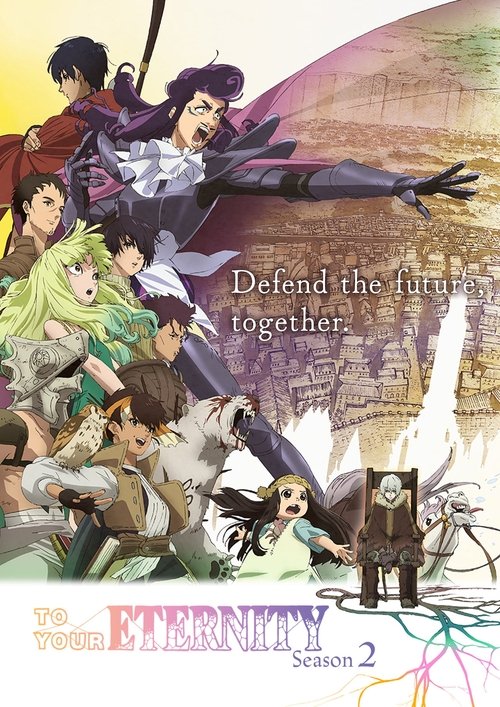
Over the course of 62 episodes across three seasons, the show managed something remarkable: it maintained emotional stakes while constantly shifting its setting, cast of supporting characters, and narrative scope. Early seasons introduced us to genuinely iconic moments—the first arc with the boy and the wolf in the Arctic remains one of anime’s most striking opening premises, while subsequent seasons expanded outward temporally and thematically. The fact that it held viewer attention across this extended run, eventually earning a returning series status, speaks to how well the showrunners understood their material.
The cultural footprint To Your Eternity left behind is worth examining too. This wasn’t a show that sparked one viral moment or trending hashtag—instead, it generated sustained conversation about storytelling itself. Fans and critics discussed how the series approached immortality differently than typical fantasy narratives, how it treated death with genuine weight rather than narrative convenience, and how it dared to focus on emotional beats rather than action setpieces. In anime communities, particularly on platforms like MyAnimeList during its spring 2021 debut, the show found itself consistently ranked among the season’s very best, recognition that proved to be more than just initial hype.
Key storytelling achievements that resonated with audiences:
- The decision to follow a single character across centuries rather than resetting with each arc
- Using different historical periods and locations as both literal and metaphorical settings
- Subverting typical “chosen one” narratives by focusing on the cost of immortality
- Creating memorable supporting cast members who mattered despite their temporary nature in the protagonist’s timeline
- Balancing action and adventure with genuine character introspection and quieter moments
What really elevates To Your Eternity into something worth defending passionately is how it treats its animation and visual storytelling. This isn’t a show that defaults to typical anime action tropes. Instead, it uses movement, color, and composition to underscore emotional beats. A character’s movement might shift subtly to reflect their mental state. The color palette might adjust based on the emotional temperature of a scene. These details accumulate into something that feels genuinely artful rather than merely competent.
The show’s approach to the Animation, Action & Adventure, Sci-Fi & Fantasy genre blend also deserves praise for its specificity. Rather than treating these genres as separate checklist items, To Your Eternity wove them together intentionally. The fantasy elements serve the emotional narrative. The action sequences punctuate character arcs rather than existing for their own sake. The science-fiction premise creates the emotional framework for everything else. This integration is harder than it sounds, and most shows don’t pull it off nearly as well.
As the series continues in its returning status, there’s a sense that To Your Eternity has already secured its legacy. It proved that anime could handle complex, character-driven storytelling while maintaining the visual and kinetic appeal that draws audiences to the medium in the first place. It showed that audiences were hungry for shows willing to sit with grief, loss, and existential questions rather than rushing toward resolution. In an increasingly fragmented television landscape, it created something that felt genuinely essential rather than simply entertaining—and honestly, that’s the kind of show that deserves to be part of the cultural conversation for years to come.


![Official Trailer 2 [Subtitled]](https://img.youtube.com/vi/WHq46obaDR8/maxresdefault.jpg)
![Official Trailer [Subtitled]](https://img.youtube.com/vi/oJg6BeGxl-c/maxresdefault.jpg)