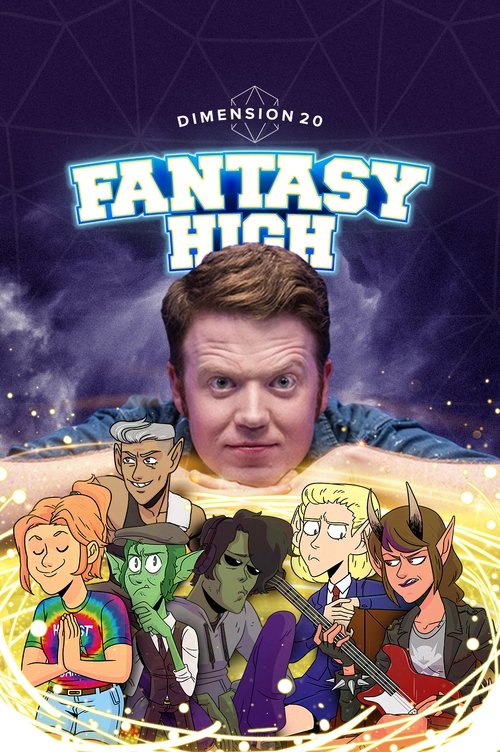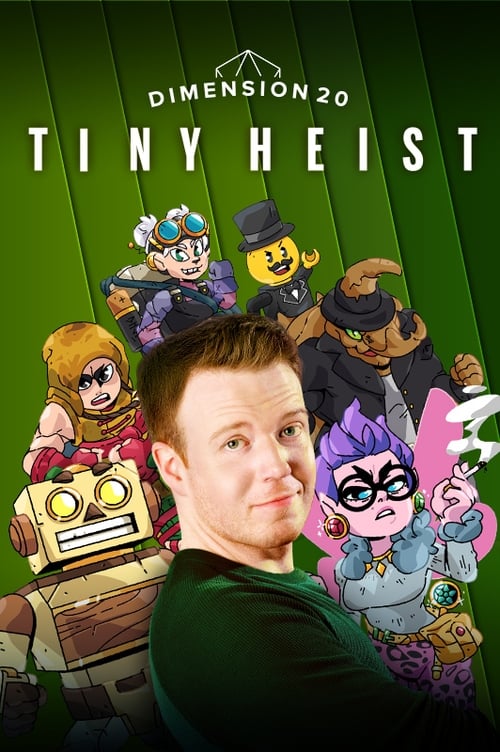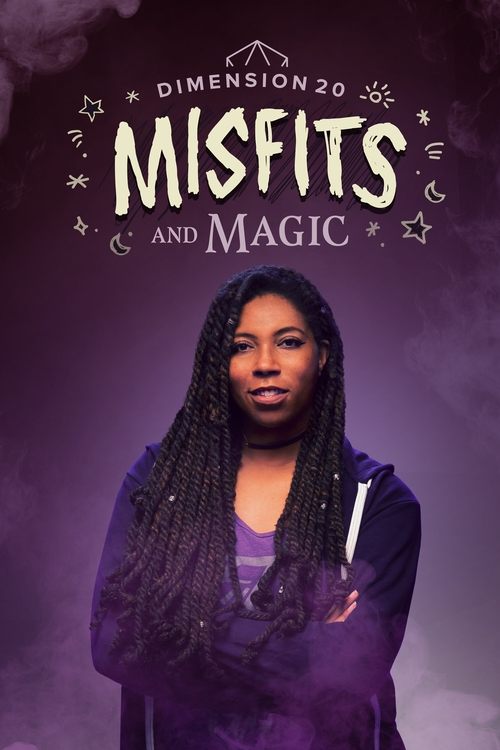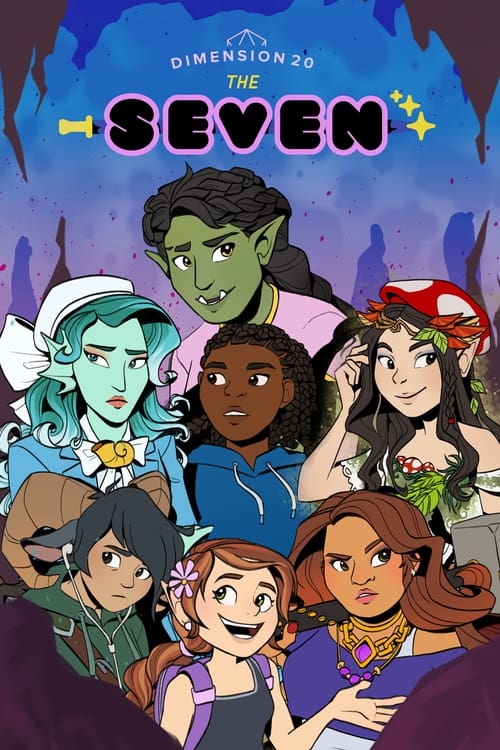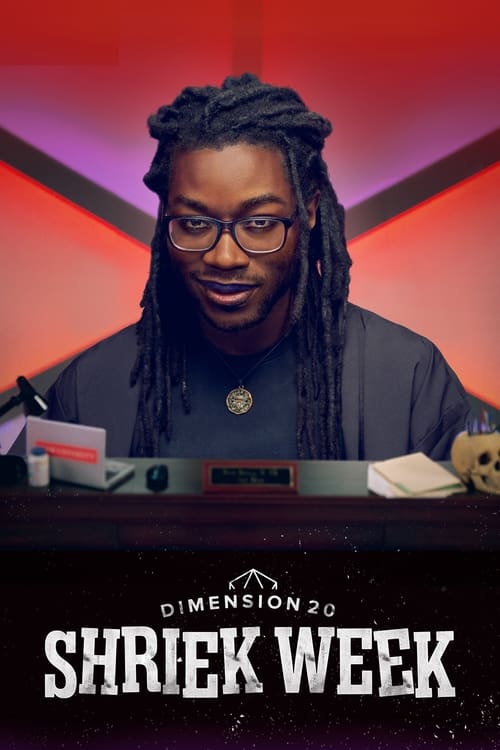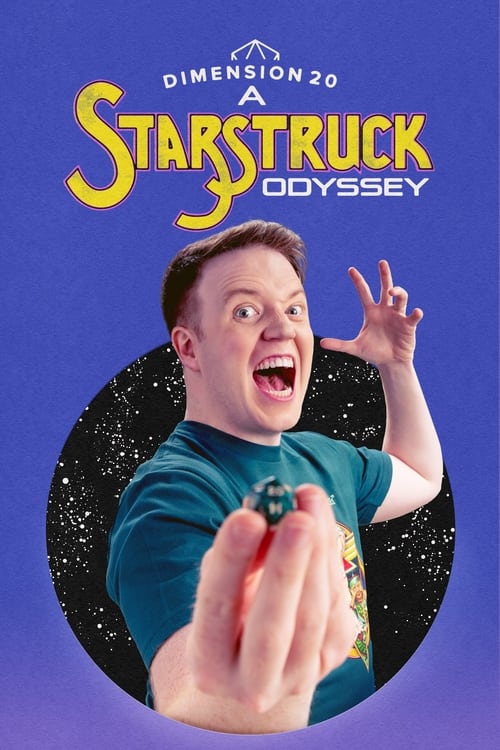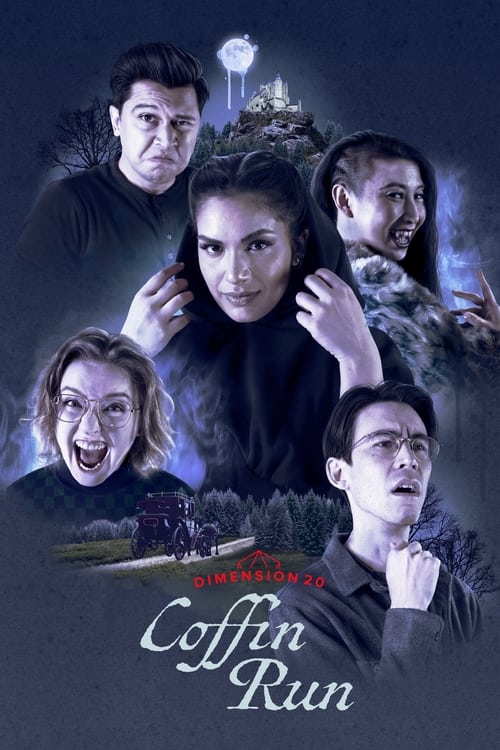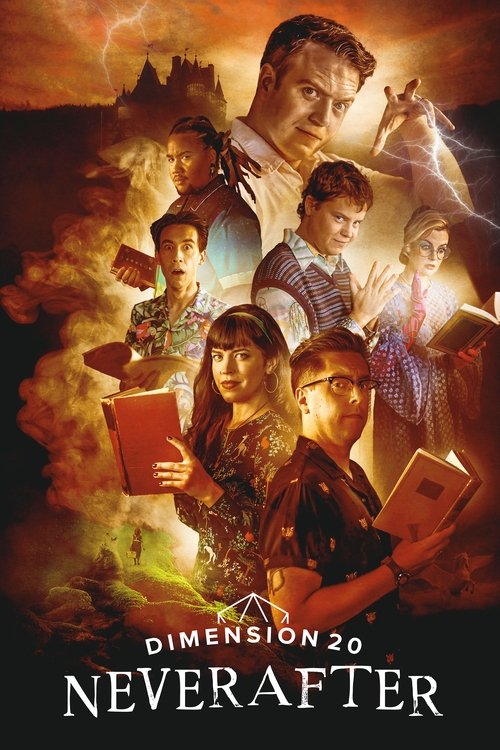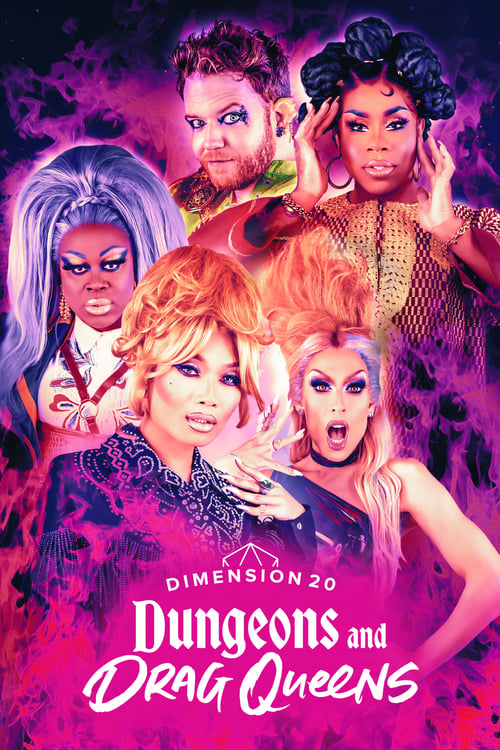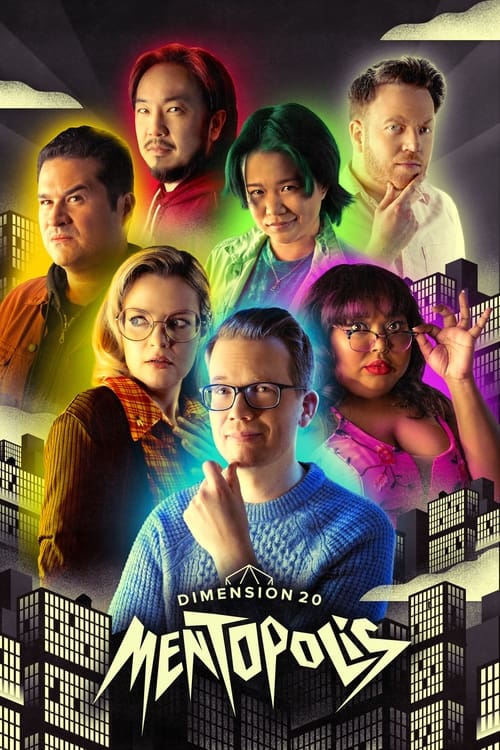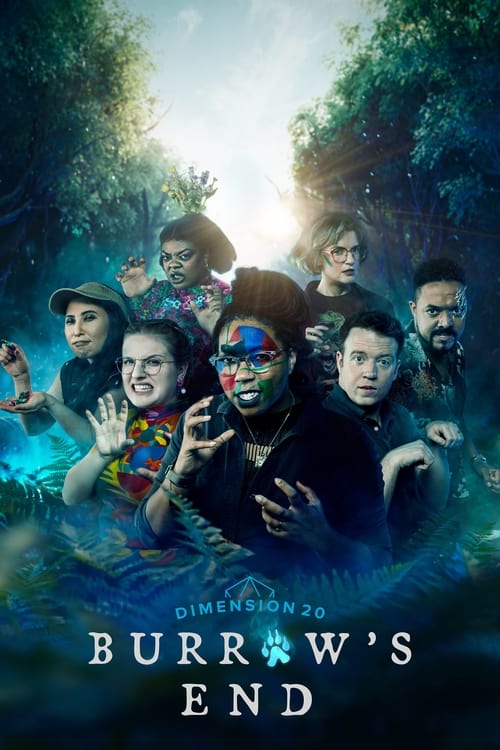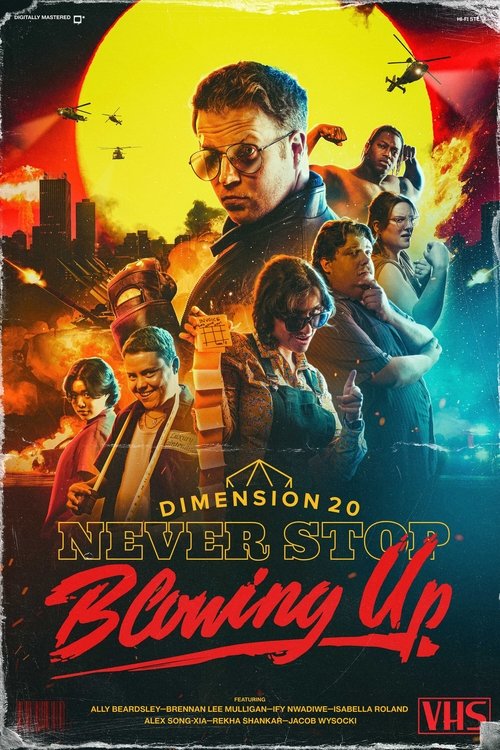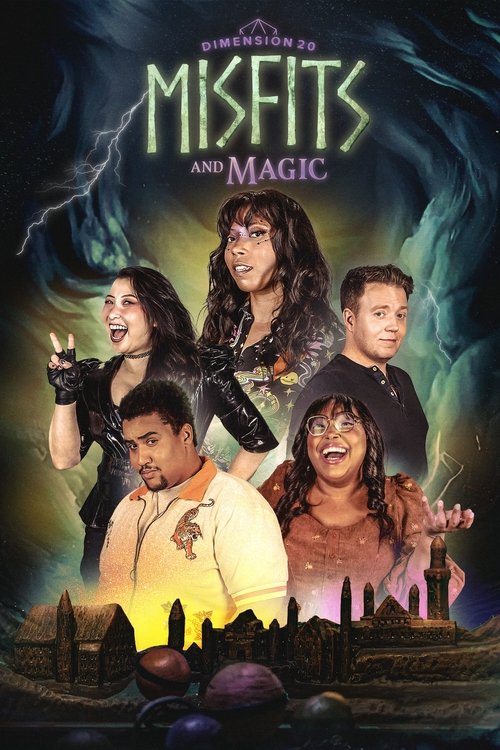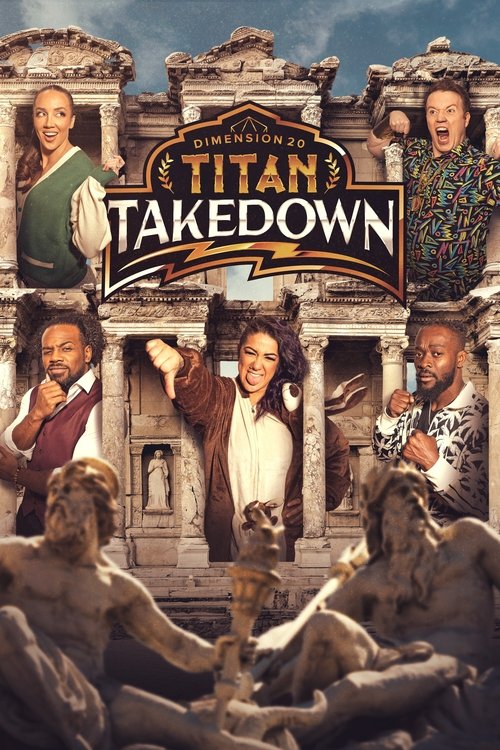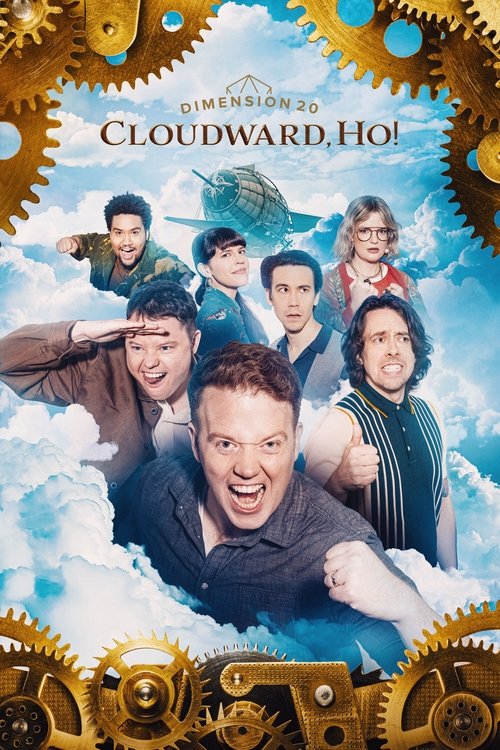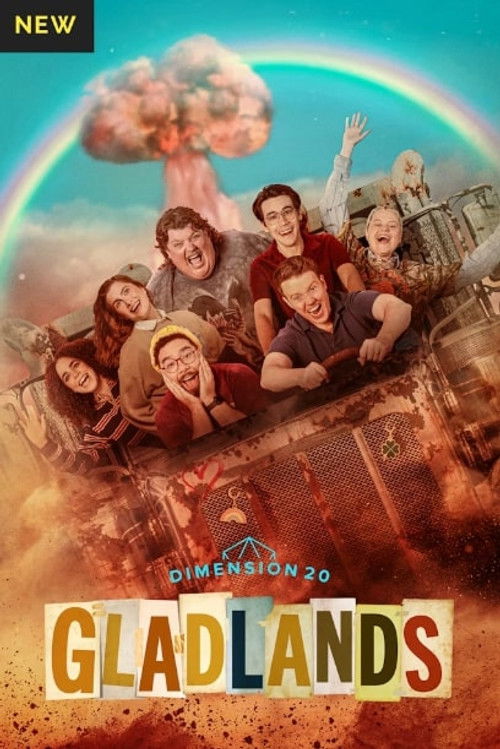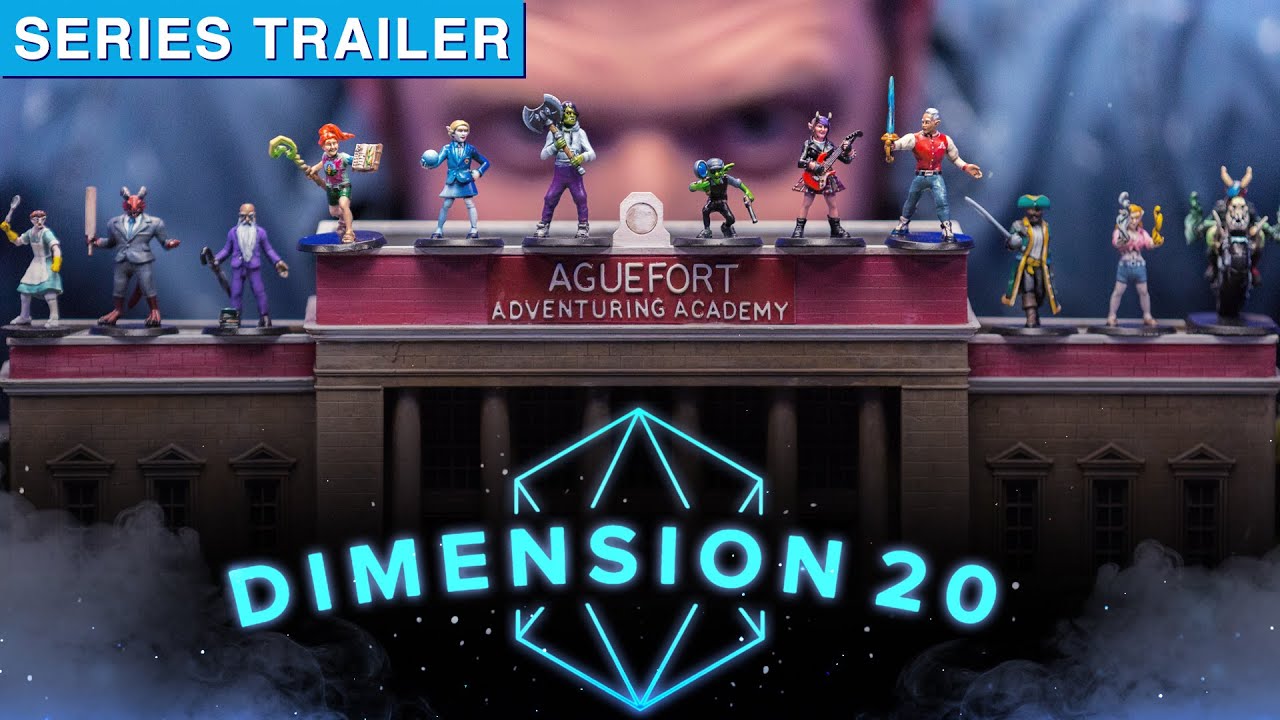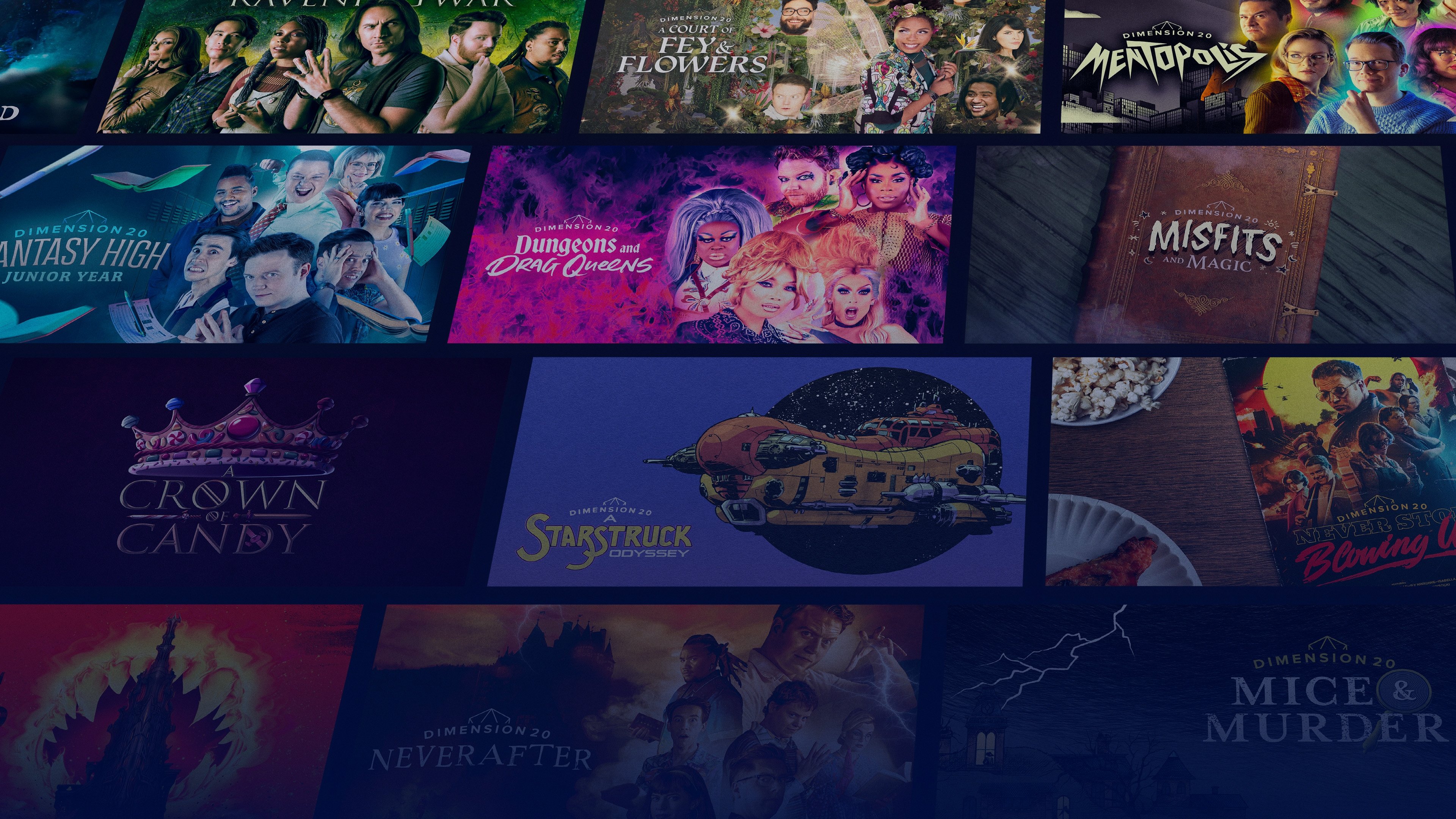
If you’ve been sleeping on Dimension 20, you’re missing what might be the most inventive experiment in modern television storytelling. Created by Brennan Lee Mulligan and launching on Dropout back in September 2018, this show has quietly become a cultural phenomenon that deserves to sit alongside the most important pieces of genre television we’ve produced. What makes that claim stick isn’t just the numbers—though a 9.3/10 rating and 27 seasons spanning 286 episodes tell their own story—it’s what Mulligan achieved by fundamentally rethinking what television could be.
At its core, Dimension 20 operates in this fascinating liminal space between reality television and pure imagination. The show strips away the fourth wall in ways that feel revolutionary because they’re honest rather than gimmicky. What you’re watching isn’t scripted fiction pretending at spontaneity; it’s collaborative storytelling where the rules matter, where dice rolls carry genuine weight, and where character moments land with real emotional impact because the performers are discovering the story alongside you. This is serialized fantasy and science fiction freed from the traditional constraints of television production, and audiences responded to that authenticity in ways that surprised even skeptical viewers.
The creative achievement here deserves serious attention. Mulligan envisioned something that the television industry didn’t quite have a framework for—a show that could sustain itself through character development, improvisational brilliance, and world-building that accumulated over time. The variable episode runtimes meant the show could breathe. A climactic scene wouldn’t get cut short because of commercial breaks or arbitrary time constraints; it would continue until the emotional or narrative moment reached its natural conclusion. That freedom transformed how stories could unfold, creating narrative arcs that felt genuinely unpredictable while maintaining thematic coherence.
Across its sprawling run, Dimension 20 has explored:
- Diverse fantasy worlds that range from gritty, introspective character studies to sprawling adventure epics
- Science fiction narratives that played with identity, consciousness, and what it means to be human
- Comedy that emerged organically from character interaction rather than punch lines, allowing for genuine laughter that felt earned
- Action sequences that, while happening in a non-traditional medium, carried real stakes because the audience had invested in these characters
- Experimental storytelling that challenged genre conventions and audience expectations at every turn
What’s particularly brilliant is how the show managed to become culturally significant without relying on traditional television marketing or star power. The momentum built organically through fandom, through clips going viral, through word-of-mouth enthusiasm from viewers who’d experienced something that felt genuinely special. That’s not to diminish Mulligan’s role—his instincts for narrative structure, character work, and when to let moments breathe proved invaluable. But the show succeeded because audiences craved precisely what it offered: storytelling that felt alive.
The longevity here is staggering when you really sit with it. Twenty-seven seasons. Two hundred eighty-six episodes. For a show that premiered in late 2018, that trajectory represents something we rarely see in the current television landscape. Streaming platforms and traditional networks typically operate on drastically different renewal cycles, and the fact that Dimension 20 has maintained momentum as a Returning Series speaks to its hold on audiences. This isn’t a show that felt like a novelty and faded; it’s deepened and expanded, exploring new thematic territory while honoring what made early seasons resonate.
> The show succeeded by proving that constraints aren’t always creative limitations—they can be opportunities for innovation and unexpected excellence.
The cultural conversations sparked by Dimension 20 have been genuinely interesting. The show opened doors for discussions about narrative agency, collaborative storytelling in the streaming age, and what happens when you trust your audience to engage with complexity and ambiguity. It influenced how other creators approached long-form content, demonstrating that audiences would commit to substantial storytelling if the quality warranted that investment. You can see its fingerprints on numerous projects that followed, though none quite managed to capture what made the original work.
Memorable moments from the series have become iconic precisely because they weren’t manufactured. A character death, a plot twist, a moment of vulnerability between performers—these landed harder than traditional television could manage because everyone involved (performers and audience alike) was experiencing them in real time. That shared, authentic discovery created bonds between the show and its viewership that typical entertainment struggles to achieve.
The real testament to Dimension 20’s significance might be this: it proved that innovation in television doesn’t require massive budgets or traditional studio backing. What it requires is creative vision, a willingness to trust your audience, and a commitment to storytelling that values character and consequence. Mulligan understood that the most compelling narratives emerge when there’s genuine uncertainty, when stakes feel real, and when performers can inhabit their roles with full commitment.
If you’re looking for television that challenges genre conventions, that proves streaming platforms can be spaces for ambitious storytelling, and that demonstrates why people still crave narrative experiences shared communally, Dimension 20 absolutely deserves your attention. It’s earned its reputation and its remarkable longevity not through hype but through consistent excellence and an willingness to take creative risks that paid off spectacularly. That’s not just good television—that’s a television success story worth paying attention to.