When 10DANCE came out on Netflix in December 2025, it arrived quietly—the kind of film that doesn’t announce itself with massive marketing campaigns or franchise recognition, but rather sneaks into your queue and refuses to leave your mind. Directed by Keishi Otomo, the film takes a simple premise—two competitive dancers agreeing to train together—and turns it into something unexpectedly affecting. It earned a 7.3/10 rating from 79 votes, which honestly feels like the kind of rating that might undersell what makes this film matter in the larger conversation about contemporary romance cinema.
What’s interesting about 10DANCE is that it doesn’t feel like it’s trying too hard. The 127 minutes runtime could’ve easily dragged, but instead it moves with the kind of rhythm you’d expect from a film about dance. Otomo understands something fundamental about the genre: the best romance isn’t about grand declarations or manufactured obstacles. It’s about watching two people gradually recognize something in each other that they didn’t expect to find.
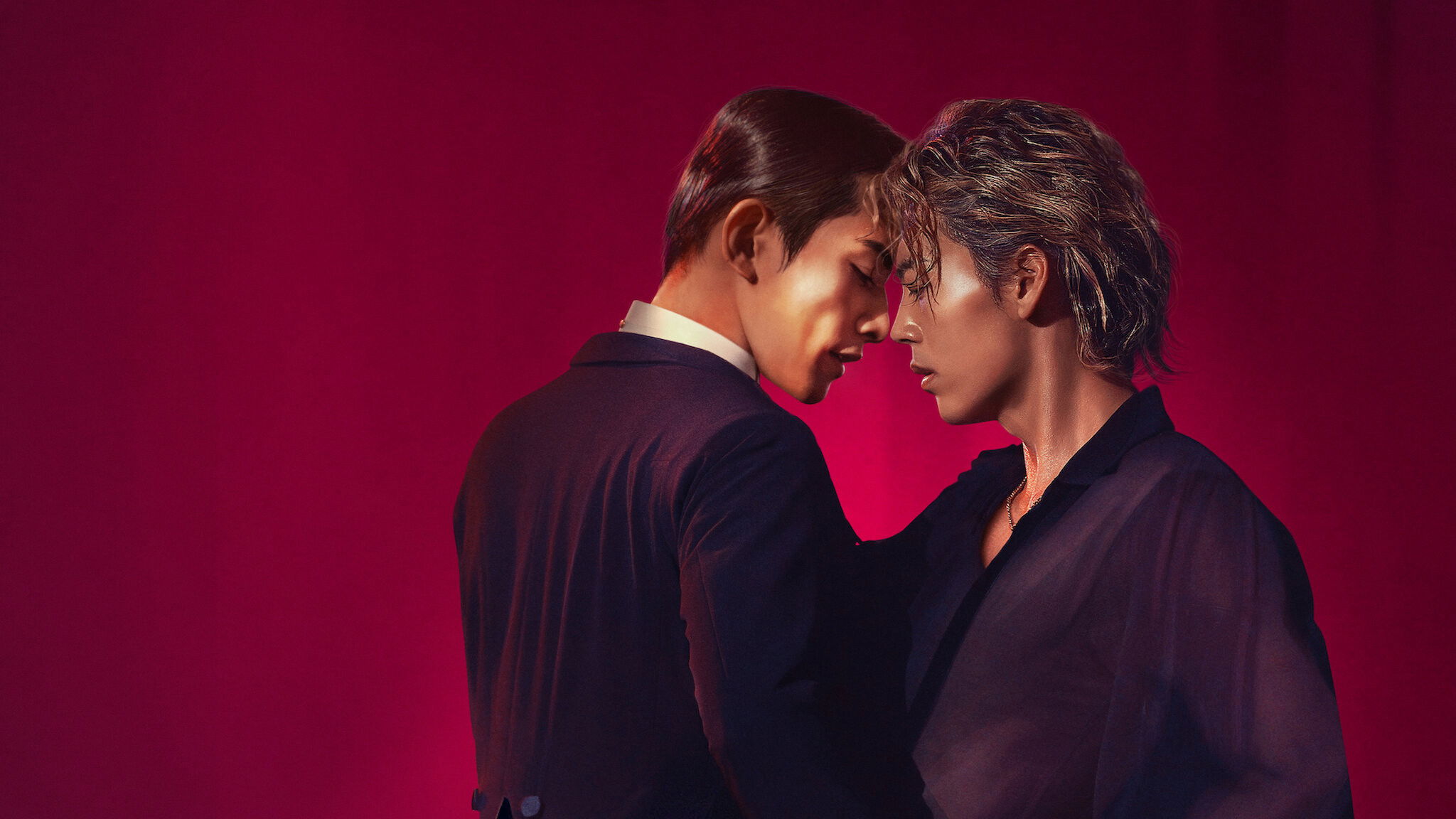
The central relationship between Ryoma Takeuchi’s and Keita Machida’s characters—Shinya Sugiki and Shinya Suzuki—works because the film actually takes their rivalry seriously before pivoting to romance. These aren’t characters who dislike each other as a cute setup for inevitable attraction. They genuinely clash. They come from different dance traditions, different backgrounds, different philosophies about what their art means. The film spends real time in that friction, letting us understand why they irritate each other before we understand why they’re drawn to each other.
Takeuchi brings a particular intensity to Sugiki—there’s a coiled energy to how he moves, even in quieter scenes. You believe that this is someone who’s dedicated his life to perfection. Machida, meanwhile, carries a different kind of weight, a looseness that reads as confidence but gradually reveals itself as something more vulnerable. Watching these two actors find the rhythm of their scenes together is one of the film’s real pleasures. They don’t overact the emotional beats; instead, they let those moments exist in the spaces between dialogue and choreography.
> The film understands that dance itself can be a language more honest than words—and it uses that language to tell its story.
Shiori Doi’s presence in the film adds another layer of complexity. Rather than existing solely as a love interest or complication, her character has her own stakes in the competition. This choice keeps the narrative from collapsing into a simple two-person drama. It reminds you that these characters exist in a world with other ambitions, other people who matter to them.
What Otomo brings to this material is directorial restraint. He doesn’t underscore emotional moments with swelling music or manipulative editing. The dance sequences are filmed clearly—you can actually see what the dancers are doing, which might sound obvious until you realize how many dance films bury their choreography in quick cuts and close-ups. Here, the camera trusts the movement. It trusts the actors. It trusts that watching two bodies move together is enough.
The film’s cultural significance, though still emerging, likely rests on how it positions dance cinema in the streaming era. Netflix isn’t known for theatrical prestige, yet 10DANCE reminded audiences that the platform can handle intimate, character-driven dramas with genuine craft. The Rotten Tomatoes audience score of 91% suggests genuine word-of-mouth enthusiasm, the kind that outlasts initial viewing windows.
This isn’t a film that’s going to reshape cinema or launch a new movement. But it is a film that does what good cinema should do: it tells its story honestly, it trusts its audience, and it leaves you thinking about why certain moments landed the way they did. In an era of increasingly calculated filmmaking, that kind of specificity—Otomo’s vision, his cast’s commitment to the material, the collaboration between EPISCOPE and Netflix—matters. It proves that there’s still room for stories about two people learning to understand each other through their shared passion, told with intelligence and actual feeling.
10DANCE arrived without fanfare and has quietly become the kind of film that people recommend specifically to other people—”You have to watch this”—rather than to audiences in general. That’s the mark of something that resonates beyond algorithm recommendations or critical consensus. It’s the mark of a film that knows what it is.


![Official Trailer [ENG SUB]](https://img.youtube.com/vi/4iZZGBMlFbc/maxresdefault.jpg)