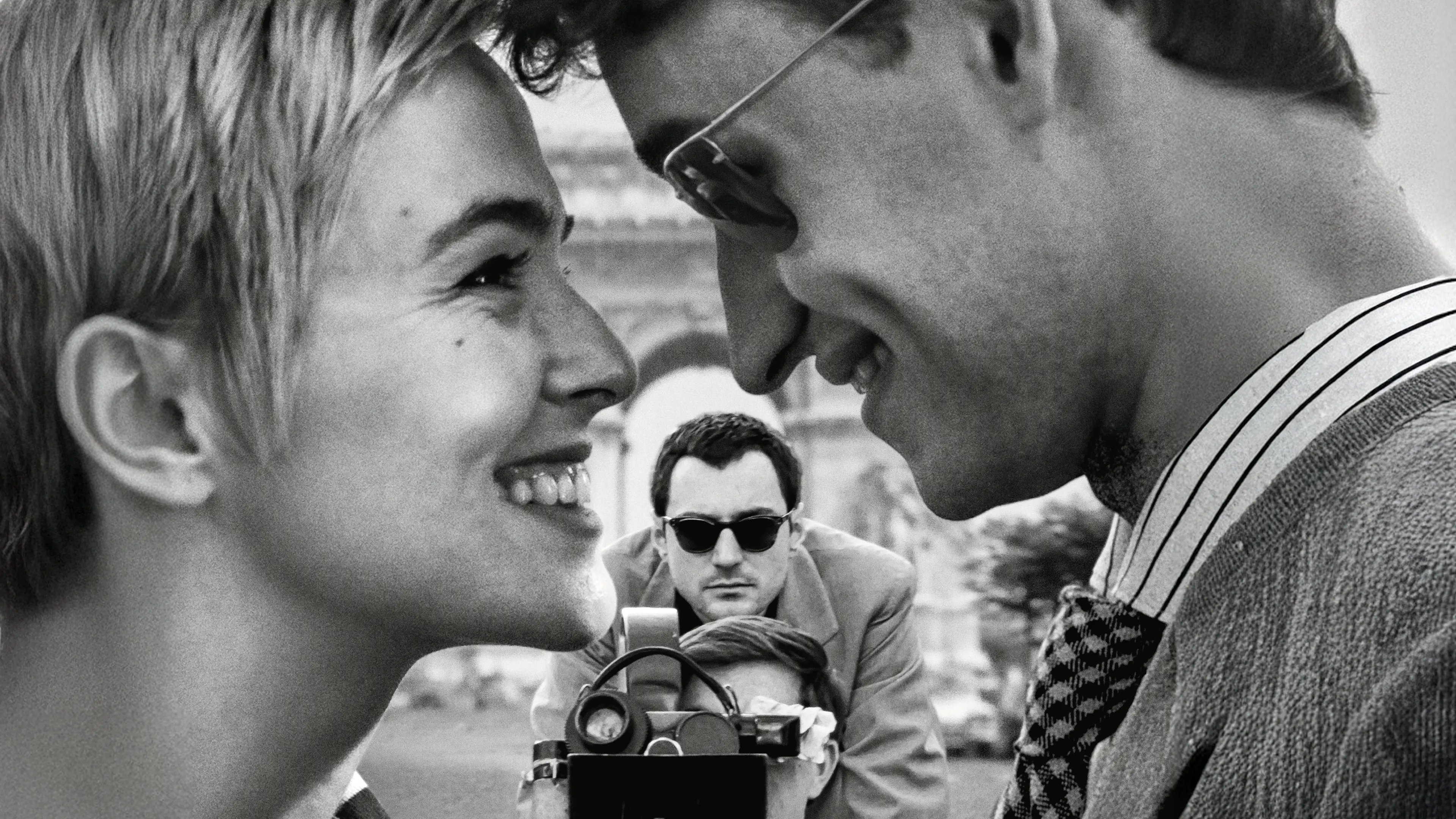
When Richard Linklater decided to make a film about Jean-Luc Godard and the birth of the French New Wave, he wasn’t just making another biopic. He was attempting something riskier: capturing the moment when film criticism became film itself, when a young theorist decided the best way to argue about cinema was to actually make it. Nouvelle Vague premiered at Cannes in May 2025 and subsequently found its way to audiences through theatrical releases in France and the US before landing on Netflix in November, and what emerged is a film that takes cinema seriously without ever becoming precious about it.
At its core, this is the story of how Breathless got made—arguably the most influential debut feature in cinema history. Godard, freshly liberated from his role as a Cahiers du cinéma critic, partners with producer Georges de Beauregard and fellow filmmaker François Truffaut to develop a gangster narrative that would fundamentally reshape how film could be made. Linklater finds the drama not in melodrama but in the collision of ideas, the small negotiations that precede creation, the moment when theory meets the brutal reality of getting something shot on a shoestring budget.
What Linklater Brings to the Story
The director of Before Sunrise and Boyhood has always been interested in conversation as narrative thrust—those long, meandering discussions that reveal character and philosophy simultaneously. His approach here is similarly intimate. Rather than grand recreations of famous studios or sweeping historical panorama, Nouvelle Vague stays close to its characters, watching how ideas become images.
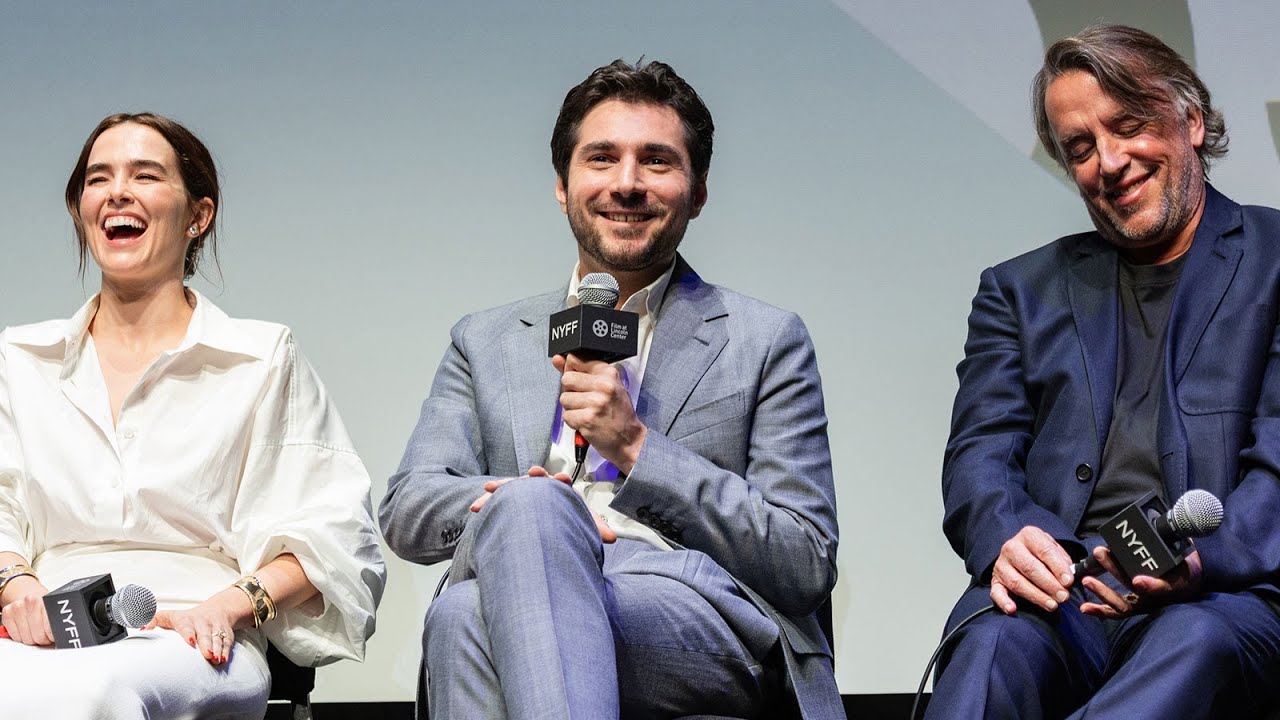
Guillaume Marbeck carries the film as Godard with a particular intensity—he captures something essential about the young theorist’s impatience with existing cinema and his absolute conviction that the way forward was through radical formal experimentation. There’s no hagiography here; Marbeck shows Godard as driven but also occasionally insufferable, confident to the point of arrogance. Zoey Deutch and Aubry Dullin round out the creative circle, and the supporting cast threads through these scenes of artistic genesis with naturalism that makes everything feel lived-in rather than performed.
The film itself runs just under two hours (106 minutes minutes), but it doesn’t feel compressed. Linklater lets scenes breathe, lets conversations develop momentum. There’s something almost radical about that choice in 2025, when biopics often feel obligated to rush through decades of material in two and a half hours.
The Form Reflects the Content
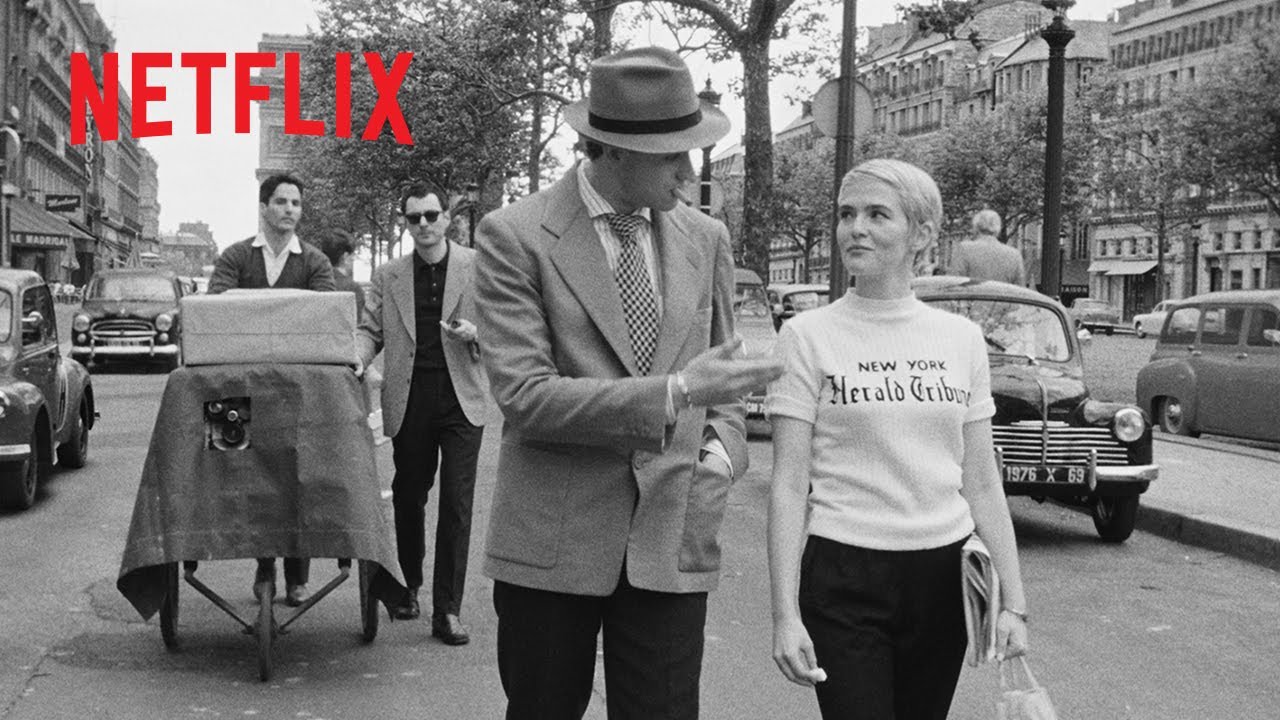
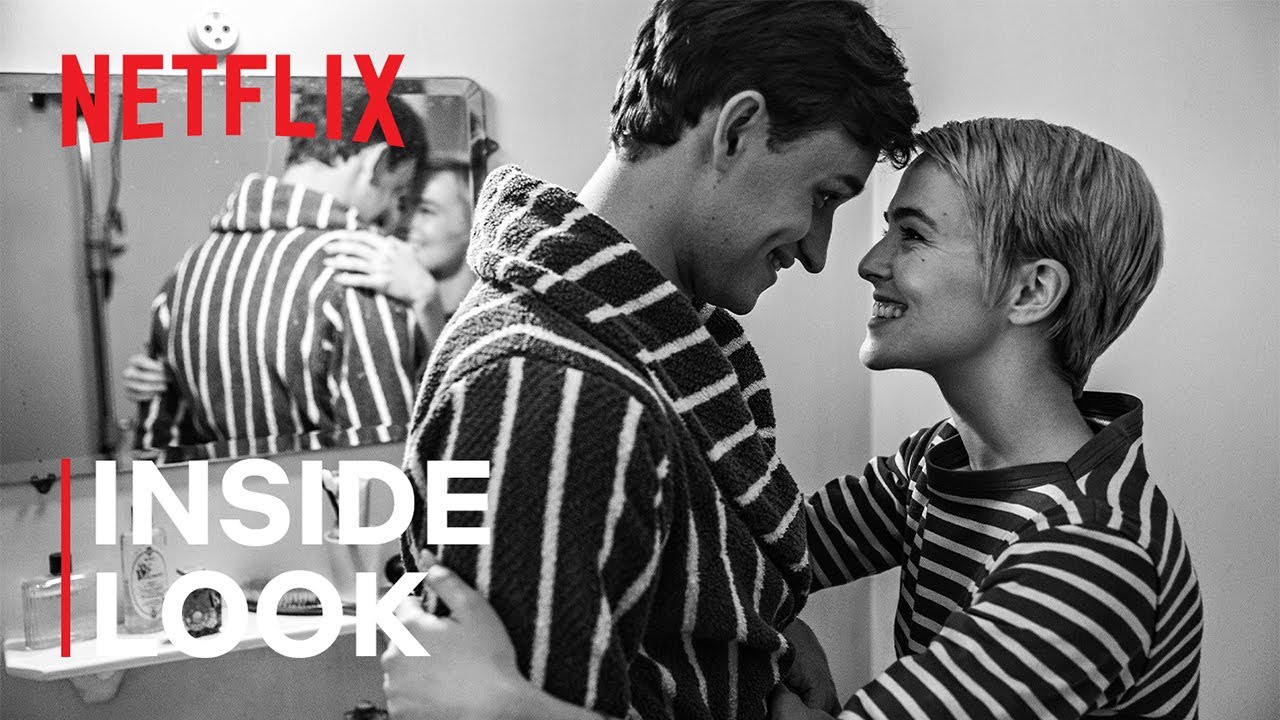
One of the smartest decisions Nouvelle Vague makes is using black-and-white cinematography. This isn’t a gimmick—it’s a commitment to the aesthetic world these filmmakers inhabited and created. The visual language mirrors the subject matter: stripped down, focused on composition and light, refusing unnecessary decoration. It’s the kind of stylistic choice that could backfire if not executed with genuine purpose, but here it feels inevitable.
This aesthetic commitment is particularly significant when you consider how the film has been received. Scoring 7.3/10 from 108 votes, Nouvelle Vague found an appreciative if not universally enthusiastic audience. Some viewers connected with its philosophical approach to cinema history; others found it remote or overly formalist. That divide isn’t a weakness—it’s proof the film is actually asking questions rather than providing comfortable answers.
Why This Story Matters Now
You might reasonably ask: why does a film about how Breathless got made matter in 2025? The answer is that we’re living through another moment of fundamental reassessment about what cinema is and how it gets made. The question Godard posed in the 1950s—can you make films differently, more cheaply, more honestly?—is being asked again now, though with different tools.
Nouvelle Vague argues that film criticism and film creation are not separate activities but facets of the same impulse: the desire to think through images. Godard’s leap from Cahiers to directing wasn’t abandonment of criticism; it was criticism in its most ambitious form. That idea resonates in a moment when the barrier between analysis and creation has become genuinely porous.
The film’s journey to audiences is worth noting too. It premiered at Cannes, received theatrical distribution in France and limited US release, and then moved to Netflix. That’s almost exactly the kind of hybrid distribution model that Godard might have appreciated—reaching audiences through multiple channels rather than insisting on a single “correct” way to see it.
Legacy in the Moment
What Nouvelle Vague accomplishes is necessarily modest in scope but ambitious in ambition. It doesn’t pretend to explain everything about the New Wave or resolve all questions about Godard’s significance. Instead, it captures a specific moment and asks us to think about what creation looks like when it emerges from genuine intellectual conviction rather than industry machinery.
The film won’t be for everyone. Some will find it too deliberate, too focused on conversation at the expense of dramatic incident. But those looking for a film that takes cinema history as something alive and urgent will find much to engage with here. Linklater has made something that is both historically minded and urgently present—a film about filmmaking that actually thinks like a filmmaker.
In the end, Nouvelle Vague is most valuable not as a biographical checklist but as a meditation on the relationship between thinking and making. It suggests that the best film criticism has always been the films themselves.


![Official UK Trailer [Subtitled]](https://img.youtube.com/vi/sRqWbsdACzg/maxresdefault.jpg)

![Official Trailer [Subtitled]](https://img.youtube.com/vi/UufRzKVFseg/maxresdefault.jpg)
![Trailer [Subtitled]](https://img.youtube.com/vi/795BXtBR2u4/maxresdefault.jpg)