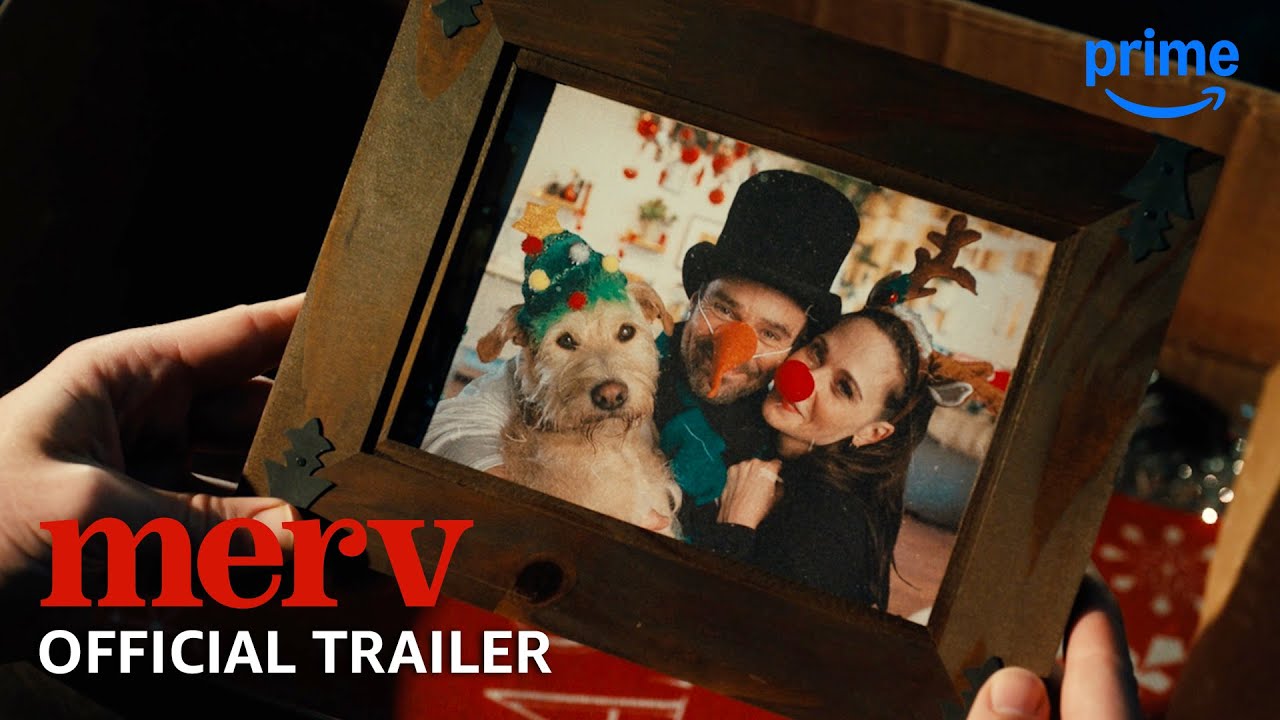
When Merv premiered in December 2025, it arrived as something genuinely refreshing in a rom-com landscape that had grown predictable. Director Jessica Swale took what could have been a throwaway premise—a couple stuck together because of their dog—and turned it into something that actually understands how messy breakups feel. The film earned a 5.9/10 rating from 106 votes, which tells you something important: audiences showed up, even if critics remained divided.
Let’s be honest about what Merv is trying to do. It’s a romantic comedy that puts the dog front and center, not as comic relief but as the emotional core. That’s a bold choice in a genre that typically treats animals as background decoration. By centering Merv’s depression—showing how a beloved pet genuinely suffers when a household breaks apart—Swale taps into something real that most romantic comedies ignore completely. The film doesn’t pretend that getting back together is the only solution; instead, it suggests that sometimes healing others helps us heal ourselves.
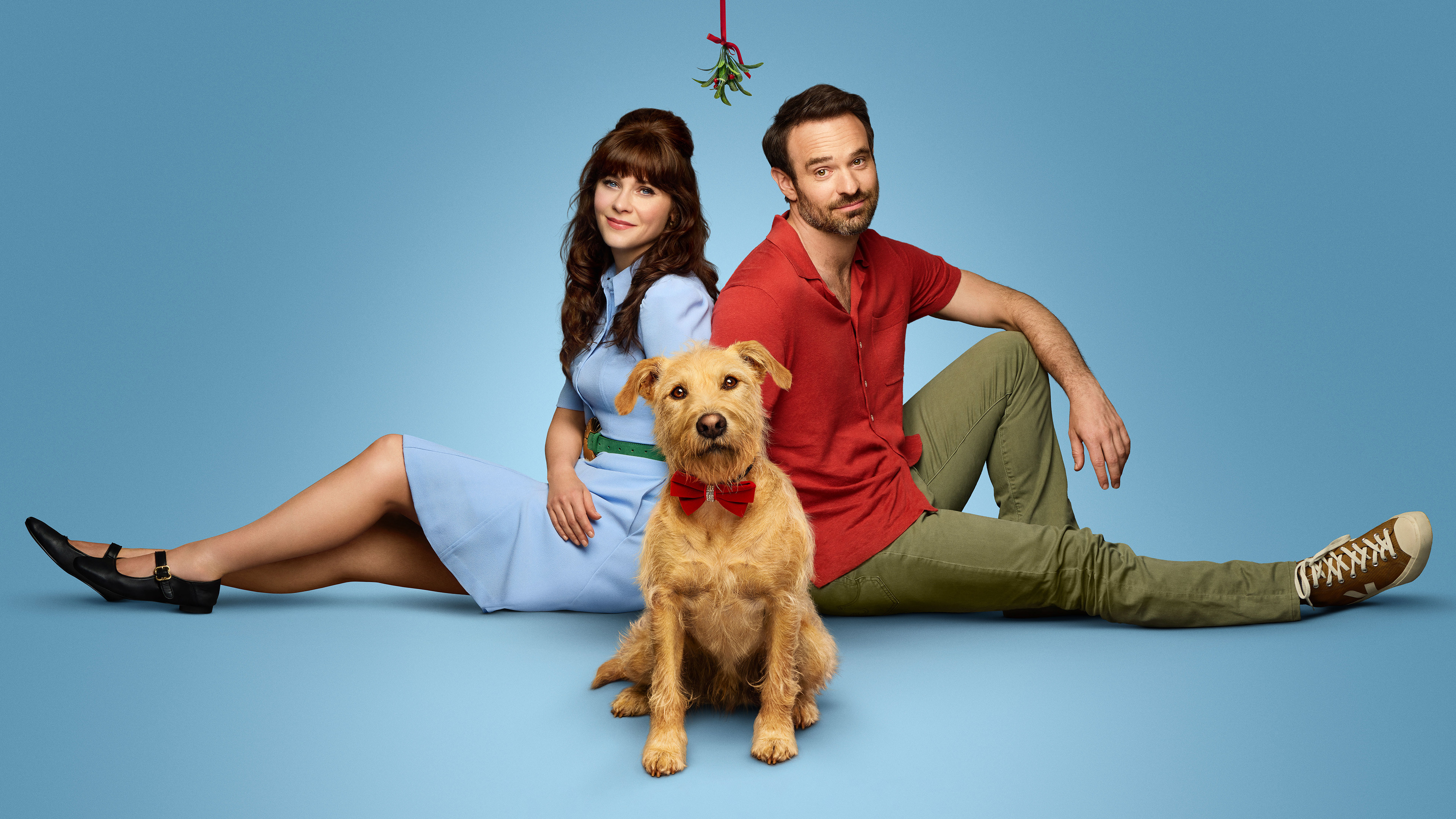
Zooey Deschanel brings her trademark vulnerability to Anna, while Charlie Cox grounds the film with an unexpectedly earnest take on Russ. What works between them isn’t witty banter or grand gestures. It’s the awkwardness of two people who still care about each other but don’t know how to rebuild from rubble. And then there’s Gus, the dog playing Merv, who carries emotional weight that many actors couldn’t manage. The casting here matters because none of these performers phone it in—they’re all invested in making this weird premise feel genuine.
The critical response was mixed, reflected in that 5.9/10 score and the 36% Rotten Tomatoes rating that suggests critics struggled more than audiences did. This disconnect is actually interesting. It tells us something about where contemporary film criticism stands versus what regular viewers respond to. Critics may have wanted either a sharper comedy or a more dramatic romance, while audiences seemed fine with the film sitting in that messier middle ground.
> Merv works best when it stops trying to be conventionally romantic and just lets people be honest about how uncomfortable relationships can get.
The 105 minutes runtime is lean enough that the film doesn’t overstay its welcome, moving efficiently from the initial breakup through the awkward Florida getaway to whatever resolution awaits. Swale doesn’t waste time on subplots that don’t matter. Every scene either develops the central relationship or explores how Merv’s emotional state mirrors his owners’ unresolved feelings. That focus is something to appreciate, even if not every execution lands perfectly.
Where Merv genuinely matters in the larger context of 2025 cinema is in how it refuses to present either reconciliation or continued separation as inherently “right.” The film suggests that sometimes the point isn’t whether you stay together or apart—the point is whether you can show up for each other as humans, especially when it’s inconvenient. That’s quieter than most romantic comedies are willing to get. It’s also more honest.
The production itself—put together by LightWorkers Media, Matt Baer Films, CatchLight Studios, and Amazon MGM Studios—didn’t need massive resources to tell its story. was invested in getting the right people and keeping things intimate. That approach shows on screen. The Florida setting never looks expensive or designed; it just looks like where two people might actually go to figure their lives out.
What’s worth considering is how Merv influenced the conversation around pet-centered narratives in film. By treating a dog’s emotional life with the same gravity that the film reserves for its human characters, it challenged screenwriters to think differently about animal characters. They don’t have to be cute additions to a story; they can be the story. That’s a shift that matters even if it doesn’t translate to blockbuster box office numbers.
The legacy of Merv likely won’t be wrapped up in awards or financial records. It will live in the specific experience of people who watched it and recognized something true about how relationships end and sometimes, in unexpected ways, begin again. Those viewers showed up despite the critical skepticism. That word-of-mouth enthusiasm—people seeking it out on streaming after its December release because they heard it actually understood something about dogs and breakups—is its own kind of win. Not every film needs to be a cultural phenomenon to matter. Some just need to be honest.