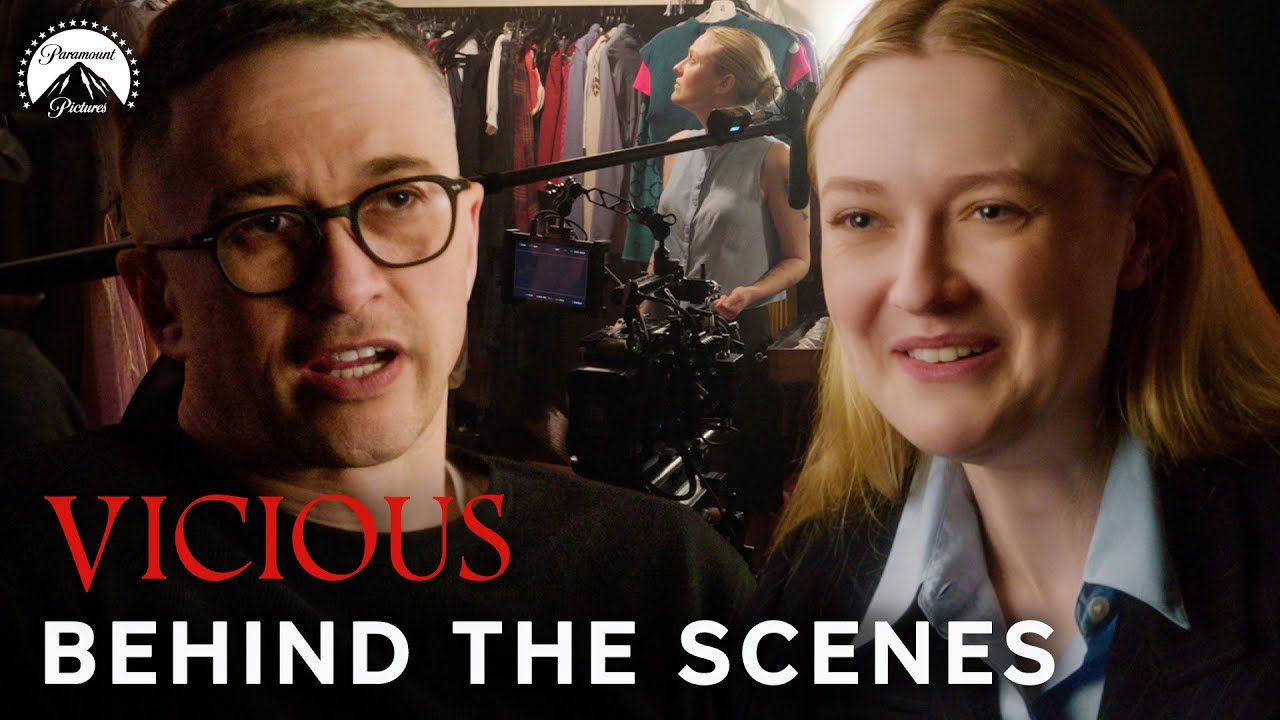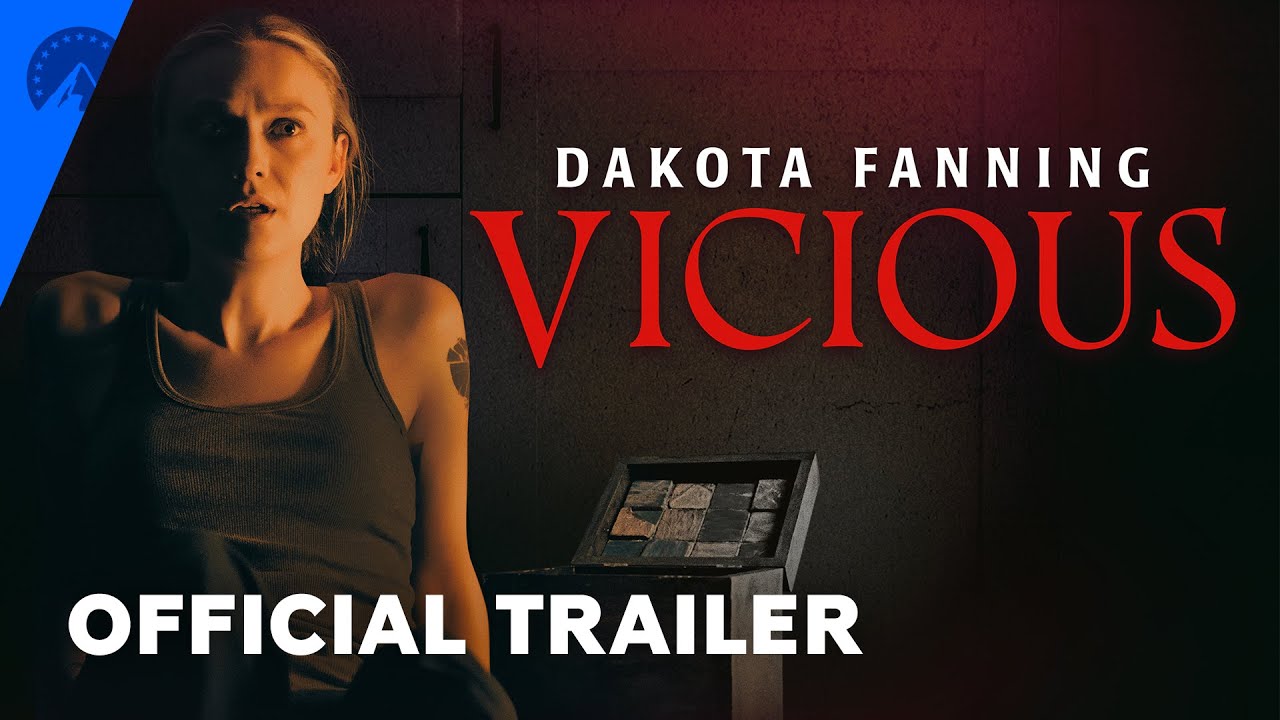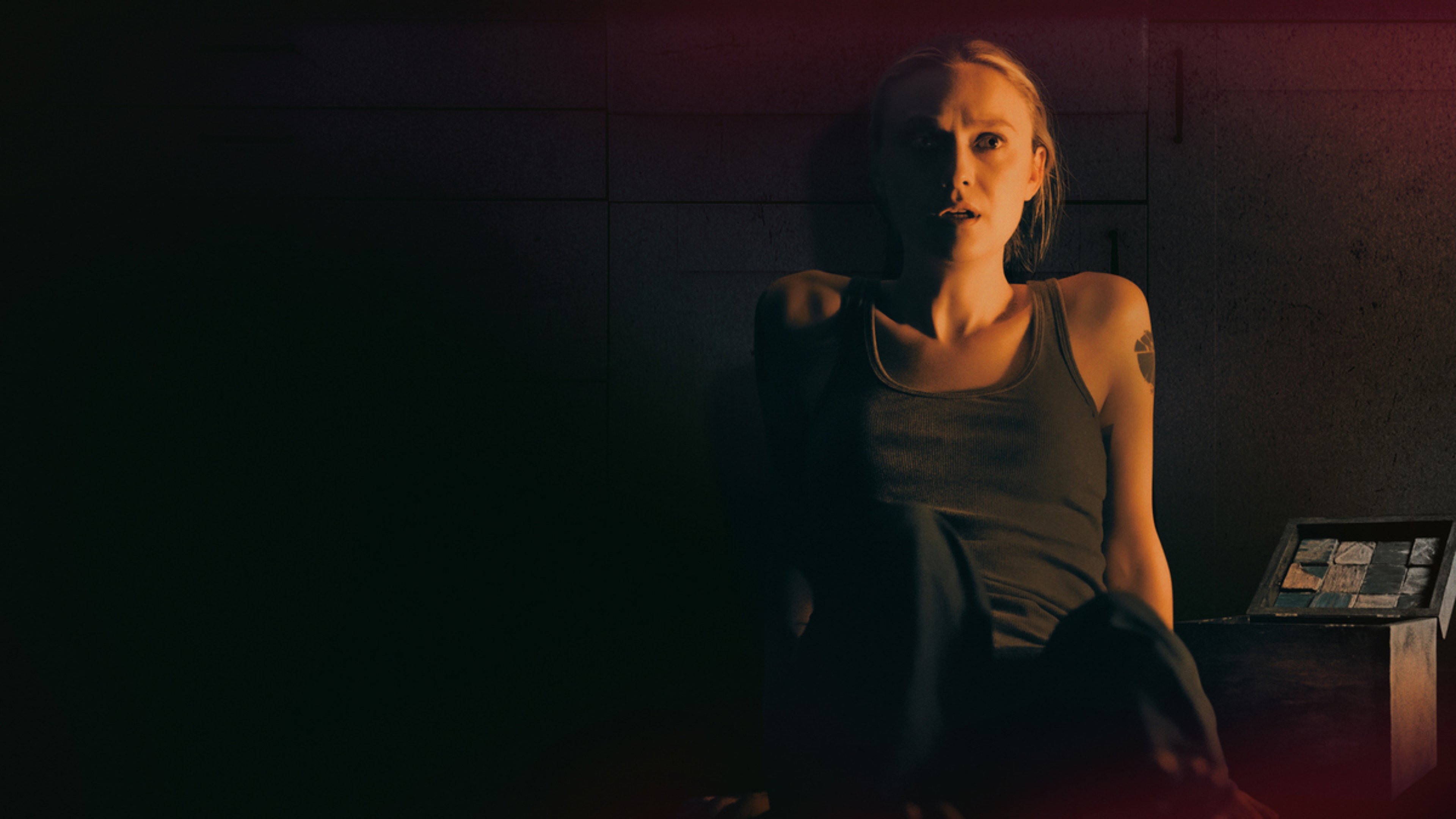
Bryan Bertino knows how to trap an audience. The director behind The Strangers came back in 2025 with Vicious, a 98 minutes-minute horror film that takes the concept of a locked-room nightmare and weaponizes it through sheer psychological pressure. When this film was released on September 19th, it arrived quietly—moving from theatrical release to Paramount+ without much fanfare—but what Bertino accomplished here deserves more attention than it received.
The premise is elegantly cruel. Dakota Fanning’s character Polly receives a mysterious box with three instructions: place inside something she needs, something she hates, and something she loves. Fail to comply, and the box will consume everything and everyone she’s ever known. That’s it. That’s the entire setup, and it’s genuinely unsettling because it works on multiple levels at once. It’s a riddle. It’s a threat. It’s a moral puzzle wrapped in cosmic horror.
What Makes This Film Click
Bertino built his reputation on understanding that the unknown is scarier than the revealed. He proved this with The Strangers, where faceless intruders became infinitely more frightening than any monster could be. Vicious follows similar logic but inverts it—instead of an external threat, the danger is abstract and rule-based. You’re not running from something; you’re being forced to negotiate with something.
The film’s greatest strength is how it commits to this single concept without padding the runtime or spinning out unnecessary subplots. It sits with the discomfort. It lets scenes breathe in that uncomfortable silence where you’re watching someone think through an impossible choice. That restraint matters in modern horror, where too many films over-explain their threats or rely on jump scares to fill dead air.
The critical reception reflected mixed reactions—the film earned 6.0/10 from 218 votes on release—but that’s almost beside the point. Horror divides people naturally. What resonates as genuinely unsettling to one viewer reads as slow-burn tedium to another. The real question isn’t whether Vicious is “good” in some objective sense; it’s whether Bertino accomplished what he set out to do, and he did.
The Cast and Collaboration
Dakota Fanning carries this entire film, and that’s no small task when most of your scenes involve staring at a box and processing existential dread. She’s grown into an actor who can communicate volumes through stillness and micro-expressions—the subtle shift from confusion to horror to desperate problem-solving. Fanning doesn’t chew scenery or perform desperation; she simply is someone trapped in an impossible situation.
Kathryn Hunter and Mary McCormack round out the cast with solid supporting work that doesn’t need to be flashy because the box itself is the real scene partner. Hunter especially brings a particular kind of gravity to her role—she understands that in a film like this, how you deliver exposition matters more than what you’re saying.
Bertino assembled this team specifically because he needed actors who could sit in silence and make that silence work. He needed people who understood that Vicious isn’t about plot mechanics; it’s about psychological pressure applied through a simple framework.
Why This Matters Beyond Box Office Numbers
You’ll notice I haven’t mentioned the box office because that’s not really the story here. What matters is that Bertino made a horror film in 2025 that refused to be a franchise-builder, a remake, or a nostalgic callback. It’s an original concept executed with conviction, which puts it in increasingly rare territory.
The horror genre in the mid-2020s was fragmented:
- Elevated horror had become its own cliché, all themes and metaphor with no genuine scares
- Slasher revivals were leaning hard into nostalgia and fan service
- Supernatural horror was dominated by IP mining and sequels
- And then something like Vicious comes along—weird, committed, uninterested in trending
The film doesn’t need massive box office returns to justify its existence because its real value is in its specificity. It’s the kind of movie that finds its audience through word-of-mouth and streaming discovery, the kind that gets written about in retrospectives five years from now when people are asking “What happened to original horror concepts?”
The Lasting Legacy
As for cultural impact, Vicious will likely be remembered as a film that mattered more in film circles than in popular consciousness. That’s not a failure—it’s actually more honest. Bertino made a movie for people who still believe that horror can operate on pure concept and psychological pressure. He made it without compromise and released it into a market that didn’t particularly know what to do with it.
That said, the film’s DNA—particularly its use of a simple rule system as the source of all dread—will probably influence smaller horror films going forward. Filmmakers will see that you don’t need elaborate mythology or complex mythology; you need one devastating concept and actors brave enough to sit with it.
The real question isn’t whether Vicious will win major awards or reach mainstream audiences. The question is whether it’ll stick with you. Whether, after the film ends, you’ll find yourself thinking about those three categories—something you need, something you hate, something you love—and what you’d actually put in that box.
That’s the kind of thought experiment that lingers. And in horror, lingering is often the goal.