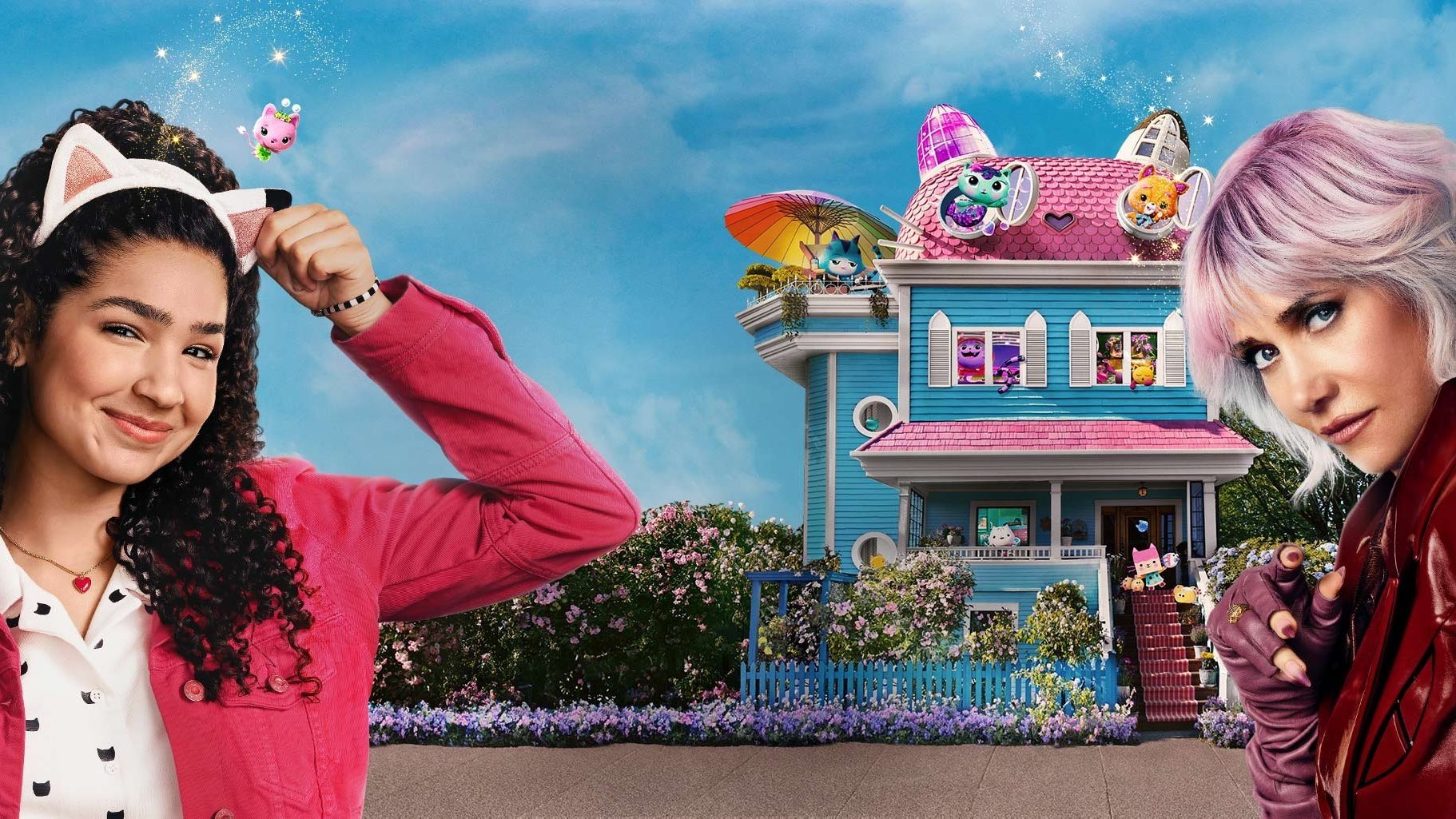
When Gabby’s Dollhouse: The Movie premiered in Melbourne on September 13, 2025, it arrived at an interesting inflection point for animated adaptations. The film wasn’t just another IP expansion—it represented something quieter but perhaps more significant: a studio willing to invest $32 million in translating a beloved children’s television property into theatrical animation with genuine creative ambition. Director Ryan Crego understood something crucial that many filmmakers miss: a good adaptation isn’t about scaling up; it’s about understanding why audiences loved the original in the first place.
The box office performance tells part of this story, though not the whole one. With a worldwide gross of over $80 million against its $32 million budget, the film achieved what every family film hopes for—genuine commercial success that justified the investment. That 2.5x multiplier might not sound dramatic compared to some tentpole releases, but in the family animation space, it signals something important: audiences actually showed up. The opening weekend of $13.7 million suggested strong interest, and the film’s ability to hold through the fall season indicated it had legs beyond mere opening curiosity.
What makes this success noteworthy is that it came amid a saturated marketplace. Family animation in 2025 wasn’t exactly starved for content. Yet Gabby’s Dollhouse: The Movie found its audience, which speaks to both the strength of the IP and—more importantly—the execution.
The Creative Vision Behind the Frames
Ryan Crego’s direction brought a palpable energy to the 1 hour 38 minute runtime. That’s a deliberately tight runtime, and it matters. Rather than padding the narrative with unnecessary subplots or extended sequences, Crego understood that his audience—primarily young children alongside nostalgic parents—responded better to brisk pacing and emotional clarity. The film moves, which keeps things engaging without feeling rushed.
The cast choices reveal thoughtful consideration of the material:
- Laila Lockhart Kraner reprising her role as Gabby brought the obvious advantage of continuity, but more importantly, genuine vocal performance that grounded the animated world with authenticity
- Gloria Estefan brought star power and vocal warmth, her presence alone suggesting that DreamWorks Animation wasn’t treating this as a “just for kids” project
- Kristen Wiig delivered comedic timing that resonated with the adult audience members inevitably in the theater, a clever choice that elevated the humor without condescending to younger viewers
This casting strategy—mixing legacy (Kraner), prestige (Estefan), and comedic credibility (Wiig)—suggested that Crego wanted to create something that genuinely worked on multiple levels.
> The film’s tagline, “Hold on tight,” proved somewhat ironic. What made Gabby’s Dollhouse: The Movie successful was actually its willingness to embrace stillness and character moments alongside the adventure.
Reception and Cultural Resonance
The critical reception landed at 6.7/10, which deserves interpretation rather than dismissal. That score sits in a specific space—not a failure, but not a runaway critical success either. This is actually fairly typical for family animation that prioritizes audience connection over critical acclaim. Critics often approach family films with different frameworks than audiences, and in this case, the gap suggests critics found merit but perhaps wanted more thematic depth, while families simply enjoyed the experience.
What matters more than the score itself is what it reveals: the film was divisive in interesting ways. It wasn’t universally beloved, but it wasn’t disrespected either. It was seriously considered, which for an adaptation of a preschool television show, actually represents a kind of victory.
The cultural footprint of Gabby’s Dollhouse: The Movie extends beyond its theatrical run, particularly once it became available on digital platforms through Universal Pictures Home Entertainment in October 2025. This window—theatrical exclusivity lasting roughly three weeks—struck the balance that modern family entertainment requires. The theatrical experience remained special and distinct, while the broader accessibility guaranteed the film could reach families for whom theatrical exhibition isn’t always feasible.
The Larger Implications
What Gabby’s Dollhouse: The Movie accomplished, intentionally or not, was demonstrating a viable middle path in animated adaptation. It wasn’t attempting to be a prestige Oscar contender, yet it wasn’t cynically manufactured either. The film occupied honest creative and commercial ground, made with obvious care and released into the world with confidence.
The 55 votes contributing to its IMDb rating reflect its primary audience—families and devoted fans of the original series. That modest voting base doesn’t diminish the film; it contextualizes it. This was made for a specific group of people, and that group found value in it.
Looking forward, Gabby’s Dollhouse: The Movie matters because it proves that DreamWorks Animation still believes in original IP extensions beyond the obvious sequels and franchises. In an era where studios increasingly consolidate around guaranteed hits, finding $32 million for a film that could fail represents actual commitment to diverse storytelling. The film succeeded, which means there will be others like it—and that’s genuinely worth celebrating.