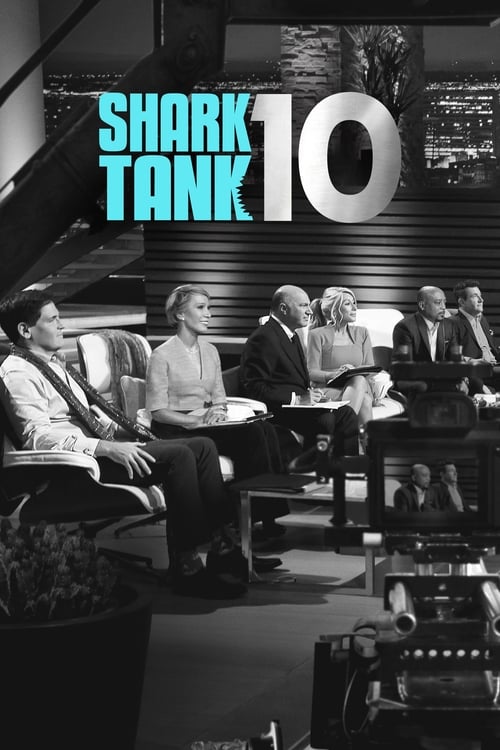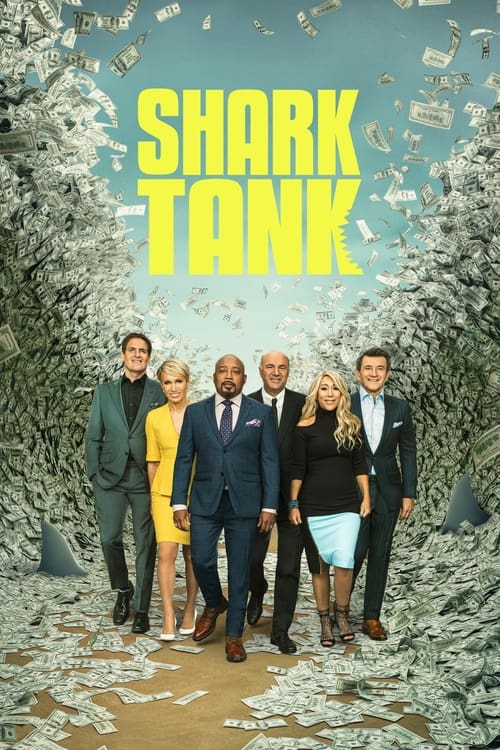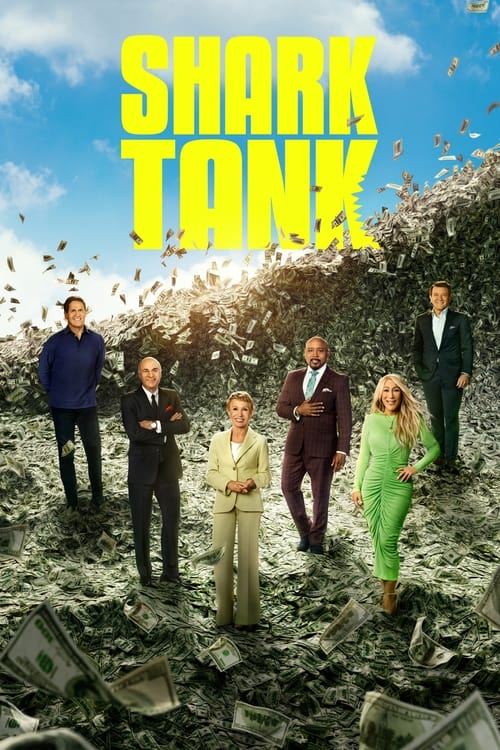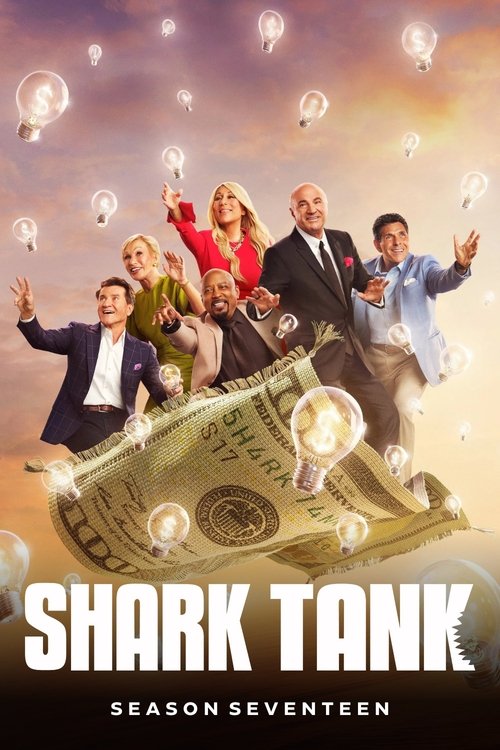
When Shark Tank premiered on ABC back in 2009, it tapped into something genuinely compelling about the American entrepreneurial spirit. Mark Burnett’s creation arrived at a fascinating cultural moment—when the recession was still fresh in people’s minds, but ambition and reinvention felt more necessary than ever. What started as a straightforward concept—ambitious entrepreneurs pitching their business ideas to a panel of seasoned investors—evolved into something far more nuanced and culturally significant than a typical pitch competition. Over 17 seasons and 362 episodes, the show didn’t just document business deals; it became a mirror reflecting our collective anxieties about money, innovation, and the gamble of pursuing your dreams.
The genius of Shark Tank’s format lies in its elegant simplicity. Each 44-minute episode creates a contained drama with genuine stakes. You’ve got a protagonist with something to prove, a panel of investors with their own personalities and decision-making styles, and a ticking clock that forces real tension. Burnett understood that the best reality television isn’t actually about capturing reality—it’s about creating a structure where authentic human moments naturally emerge. That framework transformed what could have been a dry business show into genuine entertainment, where you’re equally invested in whether a product is viable and whether an entrepreneur can command a room full of skeptics.
> The show’s staying power speaks volumes. It’s maintained relevance across 17 seasons not because it reinvented itself constantly, but because it kept refining what already worked.
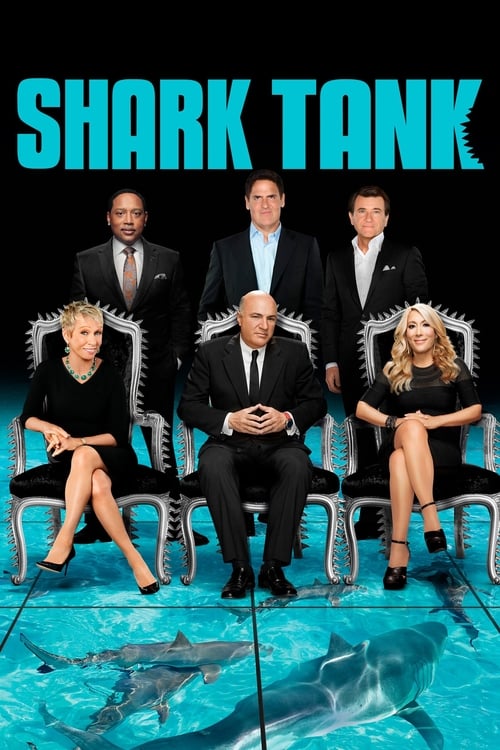
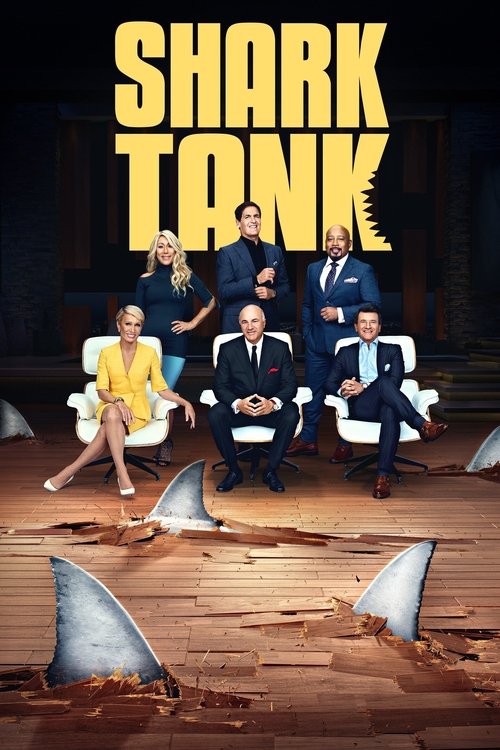
The early seasons hit differently. When Shark Tank debuted, the viewing landscape was hungry for shows about everyday people attempting extraordinary things. Seasons 1 and 2 captured that energy with a freshness that resonated deeply—viewership ratings reflected this enthusiasm, with early seasons drawing strong audiences genuinely curious about which pitches would succeed. As the show progressed and found its rhythm, the Sharks themselves became as important as the entrepreneurs. Kevin O’Leary’s ruthlessness, Mark Cuban’s pragmatic optimism, and Lori Greiner’s product intuition created a dynamic where viewers had their favorites and debated decisions long after episodes aired.
What makes Shark Tank culturally significant isn’t just that it entertained millions—it fundamentally changed how we talk about business and entrepreneurship on television. Before Shark Tank, startup stories were either documentary-style deep dives or boardroom dramas. This show brought real entrepreneurs with real problems into primetime, and suddenly everyone was debating supply chains and profit margins at dinner tables across America. The show sparked conversations about what it takes to launch a business, democratizing entrepreneurial knowledge in ways that felt inclusive rather than exclusive.
The arc of the show’s ratings tells an interesting story about audience engagement over time:
- Season 1 (84.1) — The honeymoon period, fresh concept, genuine discovery
- Season 2 (72.4) — Still strong, audience settling into format
- Season 3 (71.9) — Maintaining momentum with refined production
- Season 4 onward — Gradual decline as audience fragmented across streaming and competition increased
Rather than viewing these numbers as decline, it’s more accurate to see them as the natural arc of a long-running series finding its core audience. The show adapted by becoming available on multiple platforms—Hulu, fuboTV, YouTube TV—ensuring accessibility even as traditional broadcast viewership shifted. That strategic evolution kept Shark Tank relevant through changing media consumption habits.
The cultural moments that define Shark Tank aren’t always about the biggest deals. Some of the most memorable pitches involved entrepreneurs who couldn’t quite land a deal but captured something ineffable—sincerity, desperation, passion—that viewers couldn’t forget. These moments became memes, clips that circulated social media, conversations that extended the show’s reach far beyond its scheduled runtime. The show created a shared cultural vocabulary where people could discuss decision-making, risk assessment, and personal presentation through the lens of fictional (or semi-fictional) entrepreneurial scenarios.
What’s truly remarkable about Shark Tank’s achievement is how it sustained relevance across nearly 15 years. The show’s 6.8/10 IMDb rating, while perhaps lower than its peak, reflects a show that settled into a mature phase—still beloved by its devoted audience but no longer commanding the universal enthusiasm of its early years. That’s not a failure; that’s the natural lifecycle of long-running television. The fact that it’s returning for more seasons demonstrates that networks and streaming platforms still see value in what Burnett created all those years ago.
The 44-minute runtime proved perfectly calibrated for the show’s storytelling needs. Long enough to develop genuine tension and multiple pitches, short enough to maintain momentum and keep viewers engaged. There’s no wasted time—each segment serves the narrative of whether someone will achieve their business dream. That pacing became something other reality competition shows have tried to emulate, though few have matched the organic drama Shark Tank generates through its relatively simple structure.
Ultimately, Shark Tank endures because it operates on a level deeper than pure entertainment. It’s about transformation, rejection, negotiation, and the vulnerable moment when someone has to convince others that their vision is worth investing in. Those are universal human experiences, which explains why the show’s format has proven exportable globally—versions exist in dozens of countries. The show taps into something primal about wanting to believe in yourself and having others believe in you too. That’s why entrepreneurs still line up to pitch, why viewers still tune in, and why Mark Burnett’s creation remains a fixture in the television landscape. It’s not just a business show—it’s a contemporary morality play about ambition, judgment, and second chances.