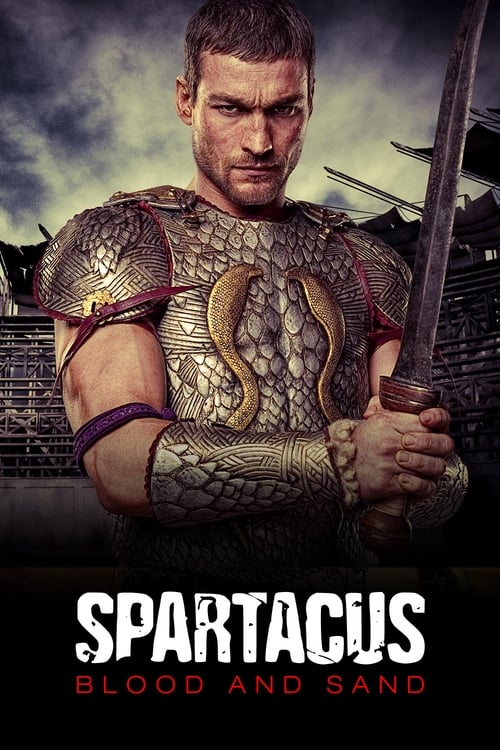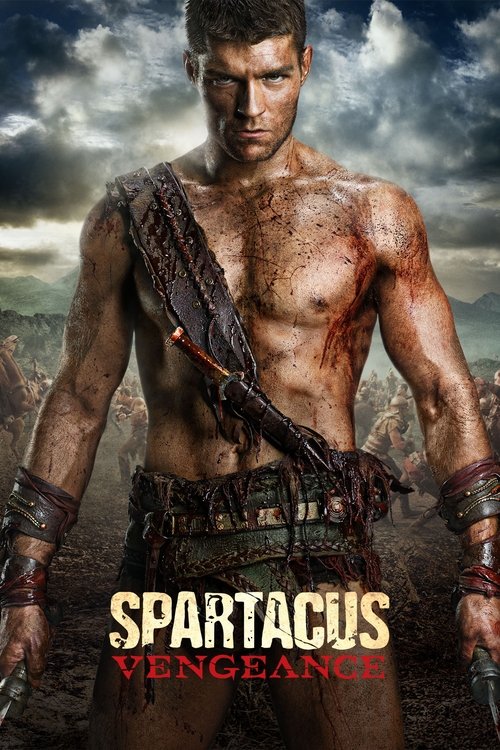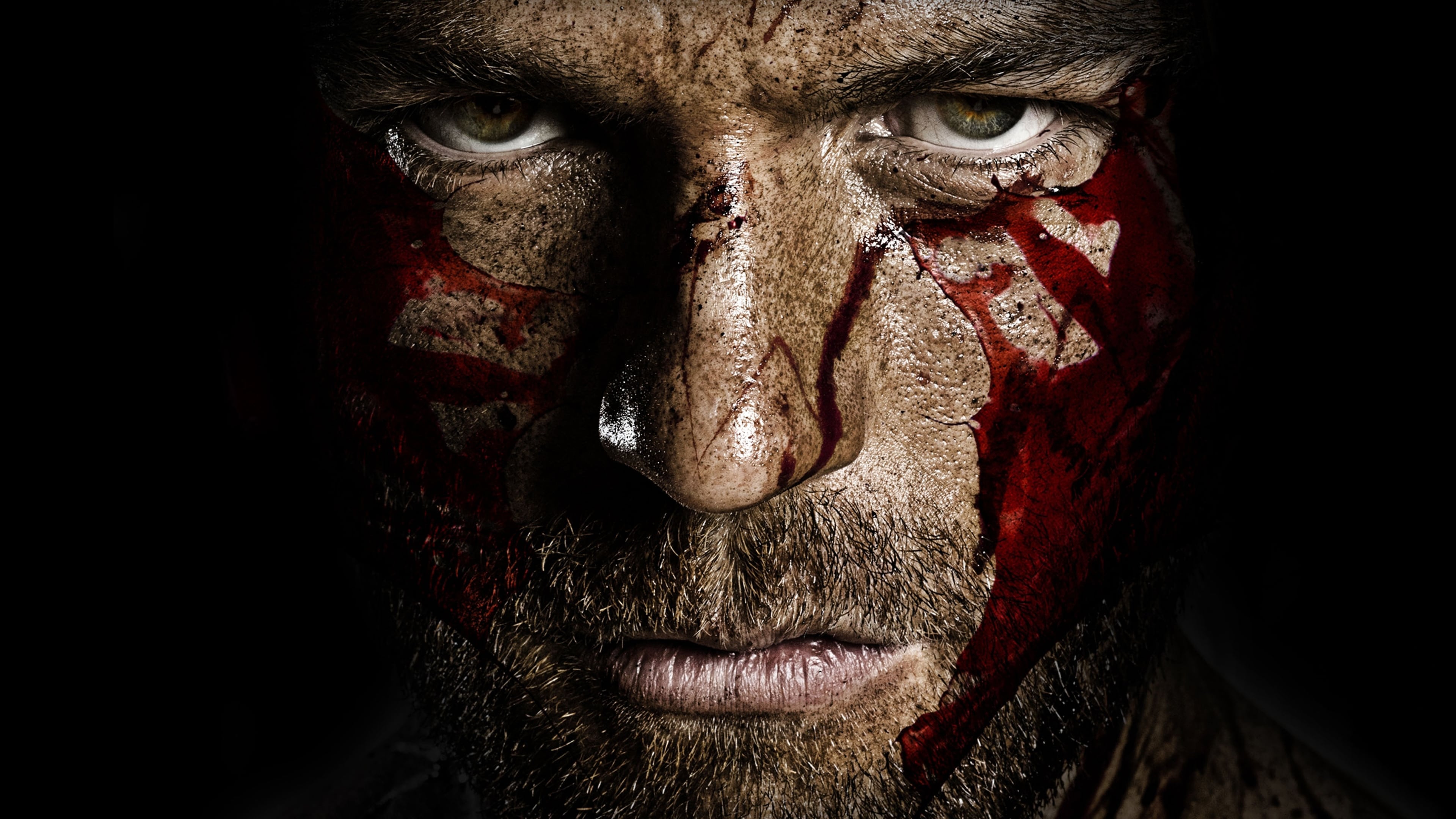
When Spartacus premiered on STARZ back in January 2010, few could have predicted it would become the cultural phenomenon that unfolded over the next three seasons. Steven S. DeKnight crafted something genuinely distinctive—a show that didn’t just tell the story of a slave turned gladiator, but redefined what cable television drama could achieve. With 33 episodes spanning from 2010 to 2013, and earning a solid 8.0/10 rating overall, Spartacus proved that you didn’t need network television budgets or endless seasons to create something absolutely unforgettable.
What makes Spartacus stand out so sharply in the television landscape is its commitment to visual storytelling combined with raw emotional intensity. DeKnight understood that the 53-minute runtime wasn’t just a time slot to fill—it was a canvas for elaborate action sequences, character development, and narrative complexity that couldn’t have thrived elsewhere. The show weaponized its format, using every second to build tension and deliver payoffs that felt earned and devastating.
> The show’s greatest achievement might be how it balanced visceral brutality with genuine human drama, creating a world where you felt the weight of every loss and every victory alongside the characters.
The cultural footprint Spartacus left behind is genuinely remarkable for a series that only ran three seasons. It sparked conversations about representation, masculinity, violence in media, and the nature of freedom itself. The show became iconic not just for its audacious action sequences, but for moments of unexpected vulnerability. When Spartacus himself faced his destiny, when beloved characters fell, when the rebellion seemed both inevitable and impossible—audiences felt it. These weren’t cheap shocks; they were the culmination of careful storytelling.
Consider the trajectory of critical reception across its run:
- Season 1 (8.5/10) – Introduced the world to Spartacus and established the show’s visual language, though some viewers were still discovering what made this series special
- Season 2 (8.5/10) – Deepened character relationships and expanded the scope of the rebellion, solidifying the show’s narrative ambitions
- Season 3 (8.7/10) – Built toward an epic conclusion that didn’t disappoint, with ratings actually climbing as audiences recognized what they were witnessing
What’s particularly telling is that individual episodes reached even greater heights. “The Bitter End” from Season 1 achieved a 9.5/10 rating, while “Kill Them All” from Season 2 hit 9.0/10. These weren’t outliers—they represented the show operating at peak effectiveness, delivering on everything it had promised.
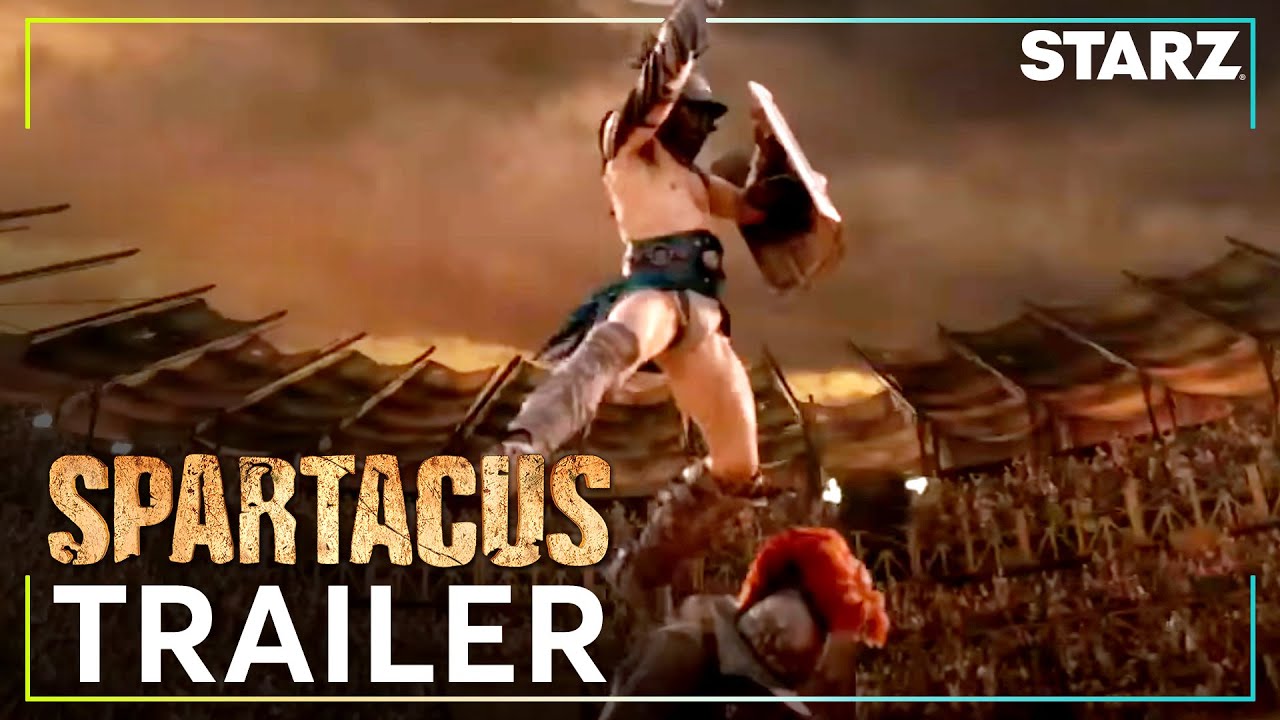
The stylistic approach DeKnight championed deserves particular attention. The show embraced a heightened aesthetic—dramatic slow-motion sequences, vivid color grading, and kinetic editing—that could have felt overwrought in lesser hands. Instead, it created a visual grammar that made violence poetic without sanitizing its brutality. When you watched someone fall in Spartacus, you understood the human cost. The action sequences weren’t just spectacle; they were character expression.
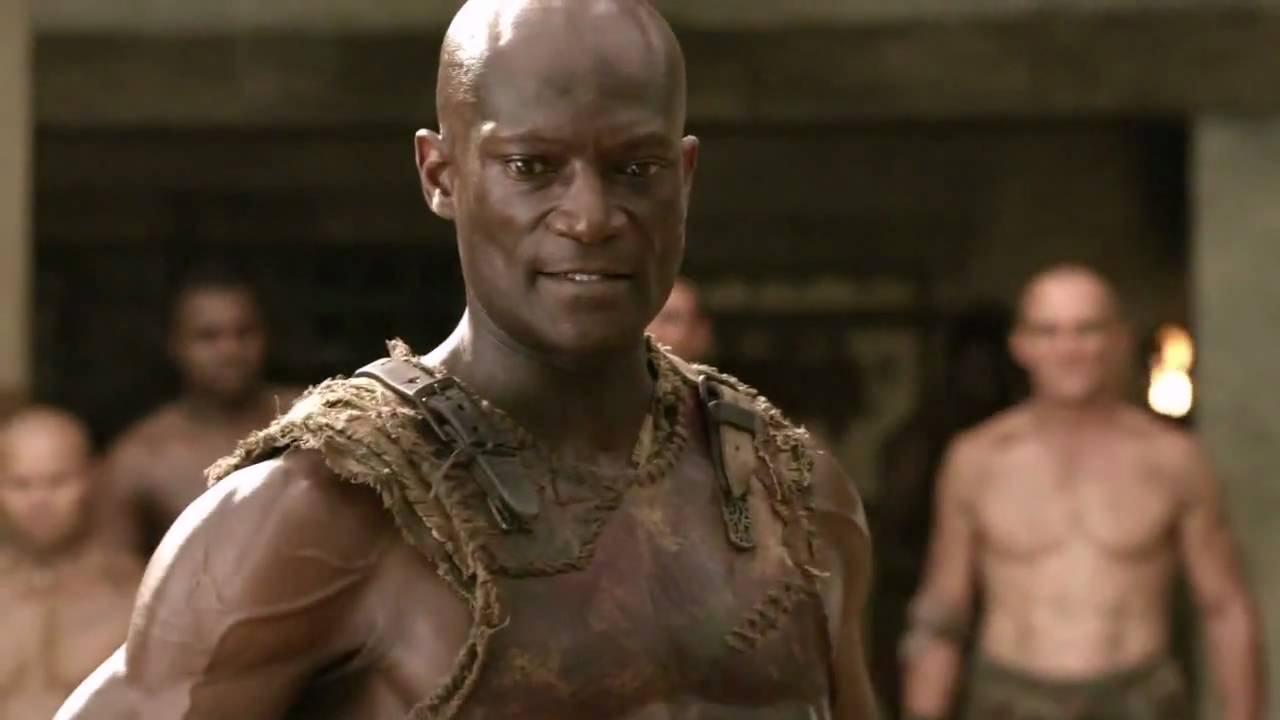
What resonated most deeply with audiences, though, was the emotional core underneath all that style. This was a show about enslaved people fighting for dignity and freedom, led by characters who grew beyond their initial archetypes. The relationships—between Spartacus and Crixus, Spartacus and Gannicus, the complex dynamics within the rebellion itself—these felt authentic and earned. The show never let you forget that these were real people with real stakes, not just action figures moving across a screen.
- The gladiator training scenes became legendary, showcasing both physical brutality and the bonds forged through shared suffering
- The political maneuvering in Rome proved as compelling as the battlefield sequences
- Character deaths actually mattered, shifting the power dynamics and raising the emotional stakes
- The rebellion itself never felt like a foregone conclusion—genuine uncertainty kept you invested
The show also proved prophetic in how it approached its ending. Rather than overstaying its welcome or getting cancelled mid-narrative (a real risk for premium cable dramas at that time), Spartacus ended on its own terms. The final season built toward a conclusion that felt inevitable and devastating, satisfying in a way that few shows manage. Audiences didn’t feel cheated; they felt moved.
There’s something particularly impressive about how Spartacus maintained quality across its 33-episode run with no truly weak entries. As Reddit discussions about the show have noted, even the “lower-rated” episodes were strong television—they represented the show discovering its voice rather than fumbling. By the time viewers reached the later seasons, they were watching a production operating with complete confidence in its vision.
In retrospect, Spartacus deserves to be remembered not just as an entertaining action drama, but as a show that elevated the medium. It proved that cable television could deliver cinematic ambition, that violence in storytelling could be both impactful and meaningful, and that audiences would embrace serialized narratives with thematic depth. Steven S. DeKnight didn’t just create a show about rebellion—he created a show that rebelled against the conventions of what television drama could be.