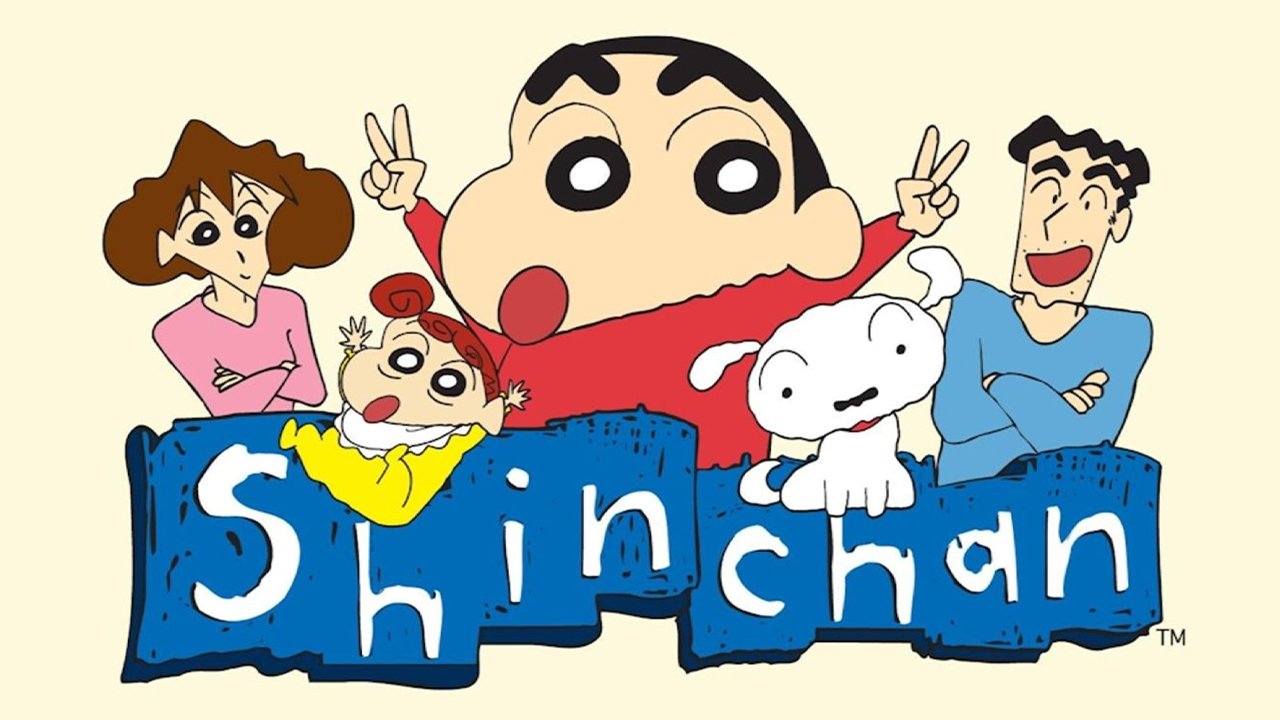
If there’s one show that perfectly encapsulates the charm and longevity of anime storytelling, it’s Shin Chan—a series that premiered on April 13, 1992, and fundamentally changed what audiences expected from children’s animation. What started as a relatively modest comedy concept evolved into a cultural juggernaut, proving that sometimes the most enduring television comes from the simplest, most human premises: a mischievous five-year-old and the everyday chaos he creates.
The sheer scale of Shin Chan is staggering when you stop to think about it. We’re talking about a single season that stretched across 2,475 episodes—a number that feels almost mythical in scope. Yet rather than representing bloat or repetition, this massive episode count speaks to something profound about the show’s appeal. Over those episodes, the creators discovered an inexhaustible formula: take one absurdly uninhibited protagonist, place him in mundane suburban situations, and let his unfiltered perspective expose the comedy lurking in ordinary life. The 24-minute runtime proved to be the perfect vessel for this format, allowing each episode just enough breathing room to develop a scenario while maintaining razor-sharp pacing that keeps younger viewers engaged and older ones entertained.
> What makes Shin Chan genuinely special is that it respected its audience’s intelligence while celebrating childish humor with complete abandon.
The show’s cultural footprint can’t be overstated. It arrived at a moment when animation for children was still finding its voice, and Shin Chan proved you didn’t need elaborate mythology or high-stakes drama to create something meaningful. Instead, the series thrived on observational comedy—those moments where you recognize your own family dynamics reflected back at you through the lens of Shin-chan’s chaotic energy. Parents watching alongside their kids found themselves laughing at jokes about adulting, exhaustion, and the bewilderment of child-rearing, while children simply enjoyed watching a kid get away with behavior they could only dream of attempting.
The show’s ability to sustain itself across decades speaks to a deliberate creative choice: Shin Chan understood that not every episode needs to revolutionize storytelling. Some of the most beloved television finds power in consistency and character familiarity. The Nohara family—Shin-chan, his parents Hiroshi and Misae, his baby sister Himawari, and their dog Shiro—became constants in viewers’ lives, touchstones of comfort and predictability in an ever-changing media landscape.
Key elements that defined the show’s success:
- The protagonist’s complete lack of social filter, making him simultaneously endearing and mortifying
- Family-centered humor that connected with multiple generations
- A balance between slapstick physical comedy and witty dialogue
- The willingness to tackle everyday situations rather than epic narratives
- Character consistency that allowed viewers to settle into the world comfortably
Maintaining a 7.8/10 rating across nearly 2,500 episodes is genuinely impressive. That score reflects a show that consistently delivered entertainment value without pretension. It’s not a perfect 10, nor should it be—not every episode needed to be a masterpiece. Instead, Shin Chan earned its rating through reliability and charm, the kind of show you could tune into expecting to have a good time, knowing the creators had your back.
The animation style itself became iconic, with character designs that were simple enough to be instantly recognizable yet expressive enough to convey tremendous personality. This accessibility meant the show could be produced at a sustainable pace while maintaining visual quality—another factor in its remarkable longevity. The creators understood that animation doesn’t need to be photorealistic or overly complex to be effective; sometimes a well-timed expression or exaggerated movement communicates comedy more effectively than technical virtuosity ever could.
What’s particularly noteworthy is how Shin Chan influenced the industry’s understanding of what constitutes “children’s entertainment.” It proved that shows for kids could be genuinely funny for adults, that crude humor could exist alongside genuine heart, and that a show could be deliberately silly without being stupid. The series didn’t condescend to its audience; it invited them into its logic and trusted them to get the jokes.
The fact that Shin Chan remains a Returning Series speaks volumes about its enduring appeal. Despite debuting over three decades ago, the show continues to find reasons to produce new content. This isn’t about franchise milking or nostalgia exploitation—it’s about a creative property that genuinely still has stories to tell and audiences eager to hear them. The premise remains fresh because family dynamics, childhood mischief, and suburban absurdity never stop being sources of comedy.
What the show ultimately achieved:
- Created a blueprint for long-running comedy animation that prioritizes character over plot complexity
- Built a genuine cultural phenomenon that transcended typical anime fandom
- Demonstrated that consistency and heart matter more than constant innovation
- Proved children’s programming could be sophisticated without losing accessibility
- Established a franchise with remarkable staying power across generations
For anyone interested in understanding how television can sustain itself for decades, Shin Chan is essential viewing. It’s a masterclass in knowing your strengths, committing to your characters, and trusting that audiences will return again and again if you give them something genuine to connect with. The show isn’t revolutionary—it’s something better. It’s enduring, and in television, that’s the rarest achievement of all.