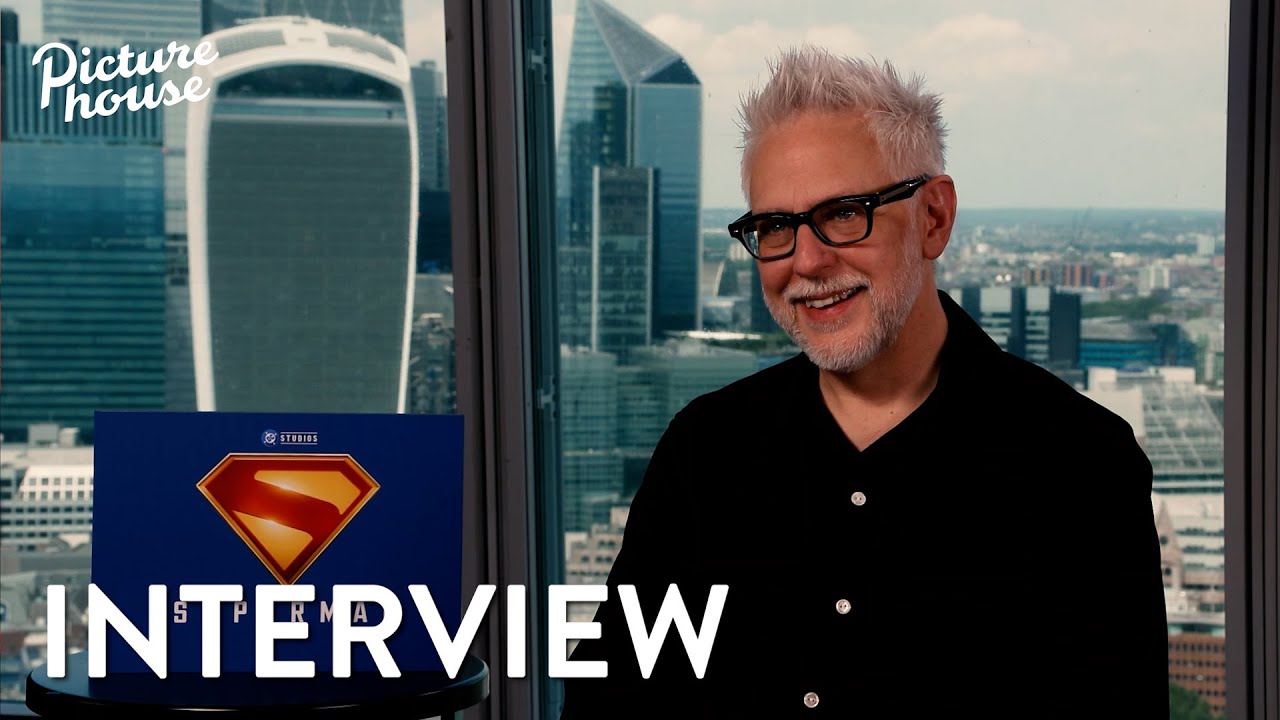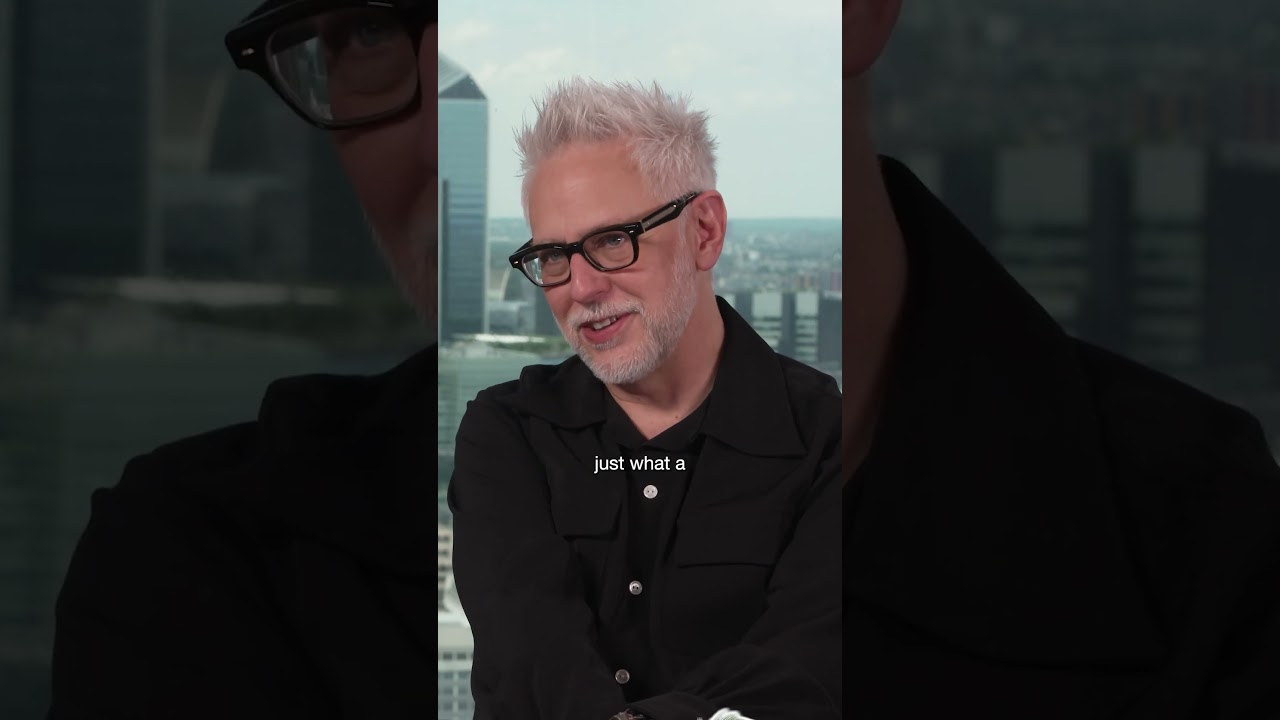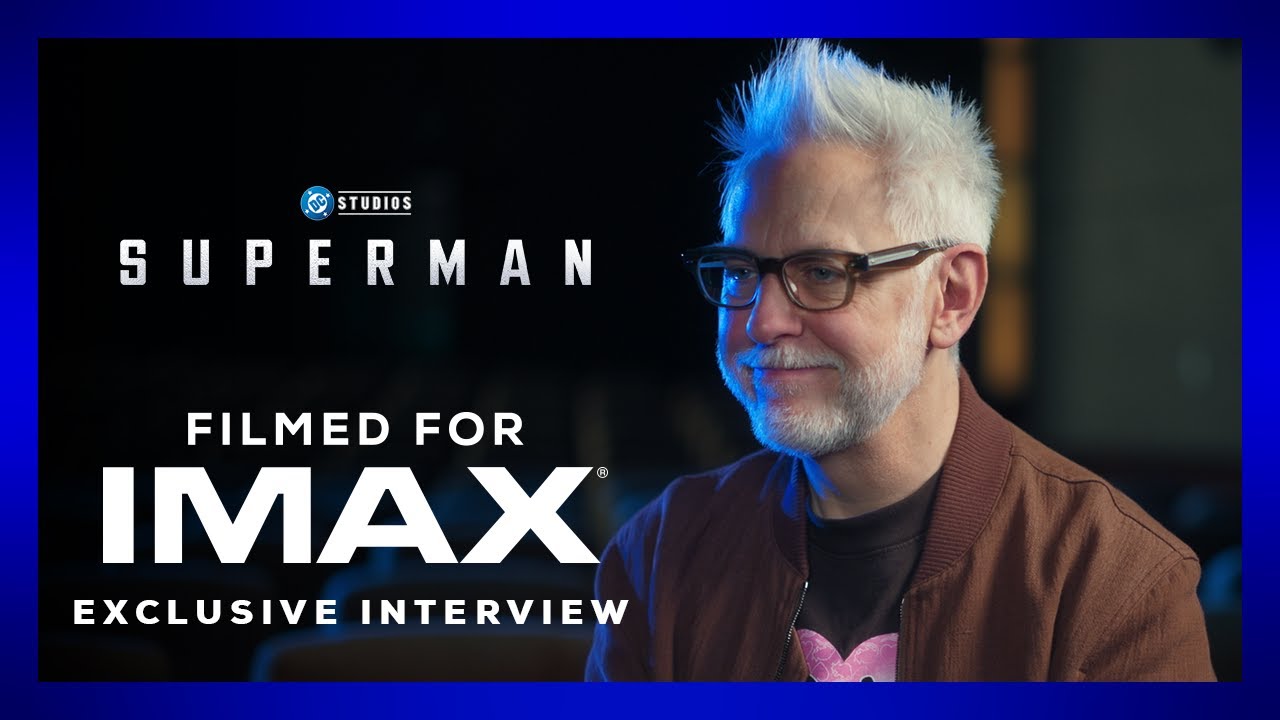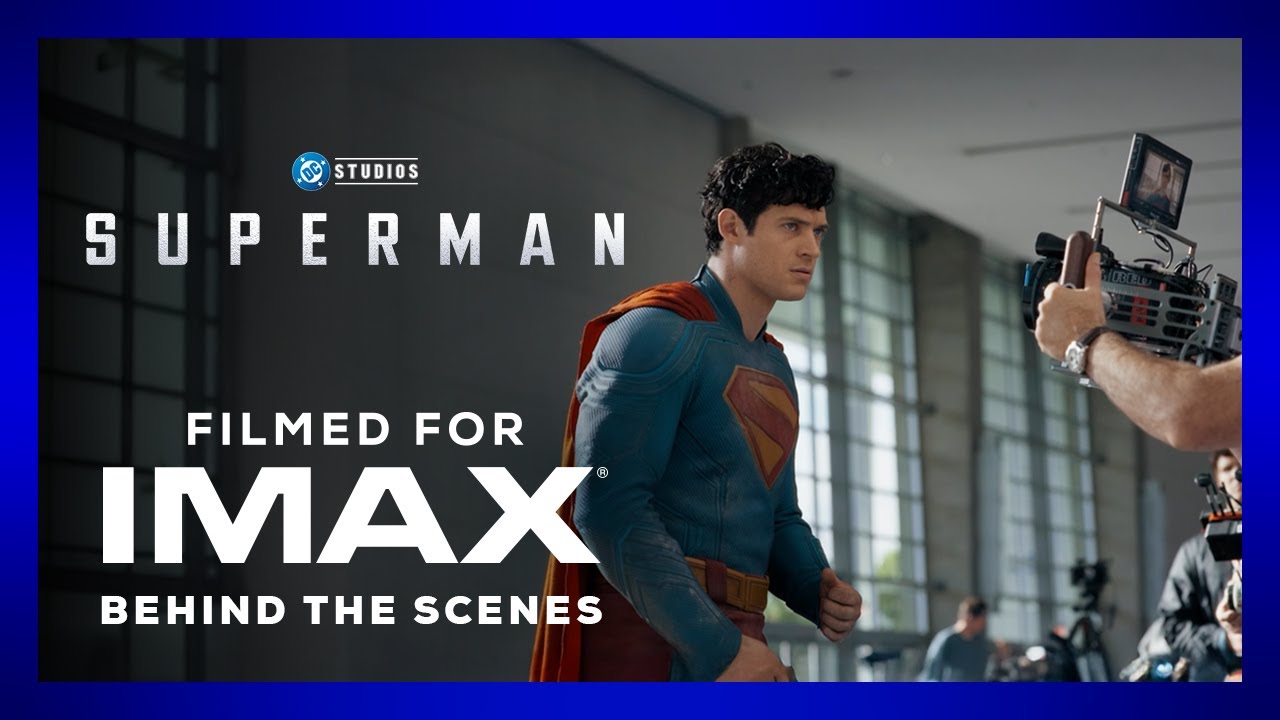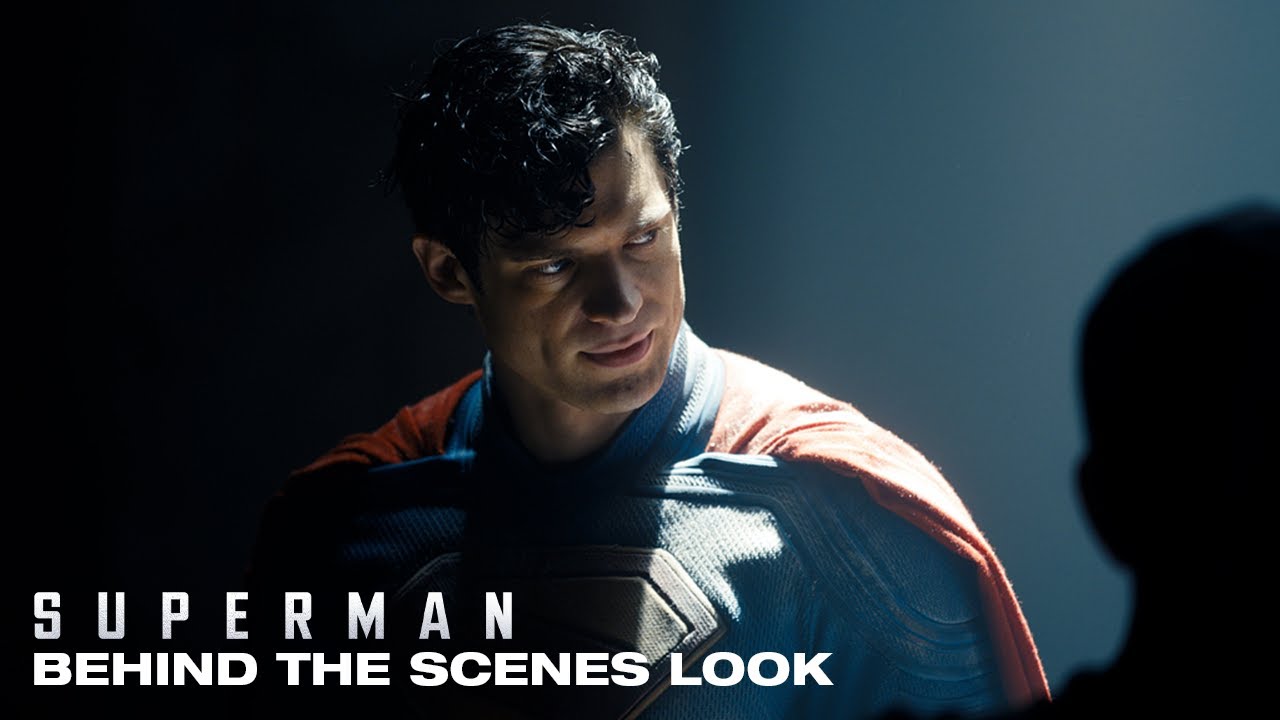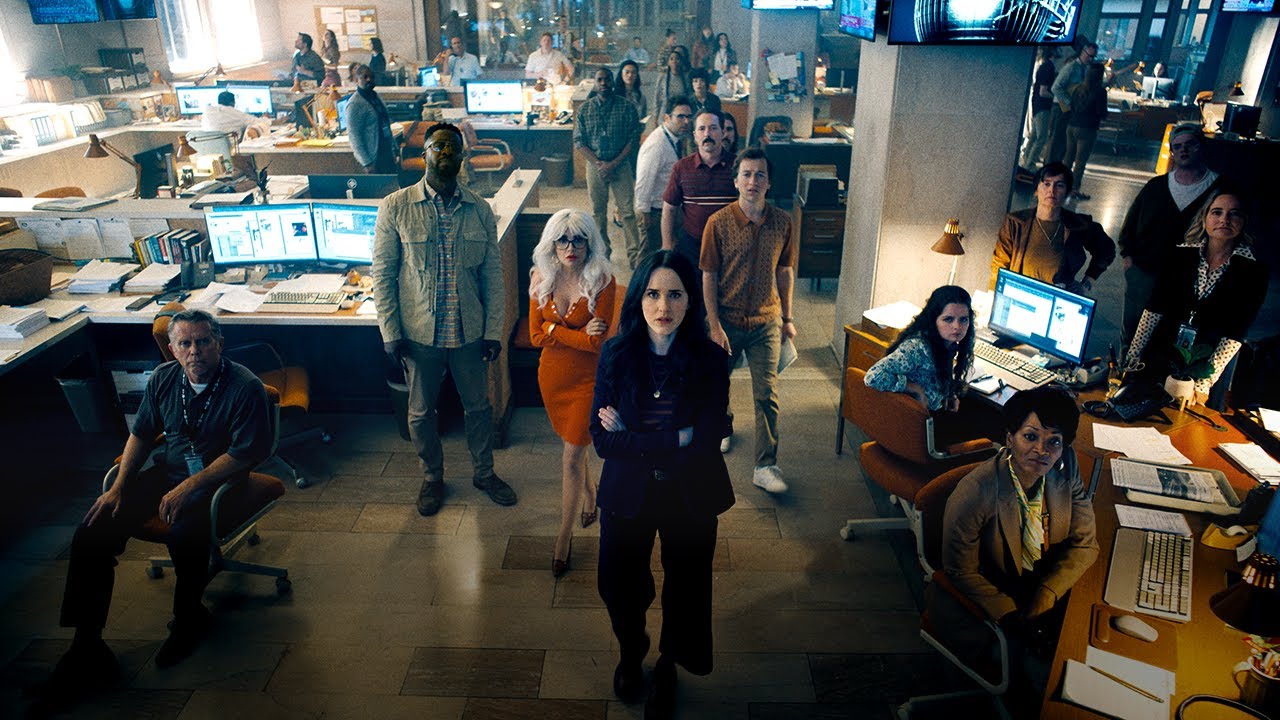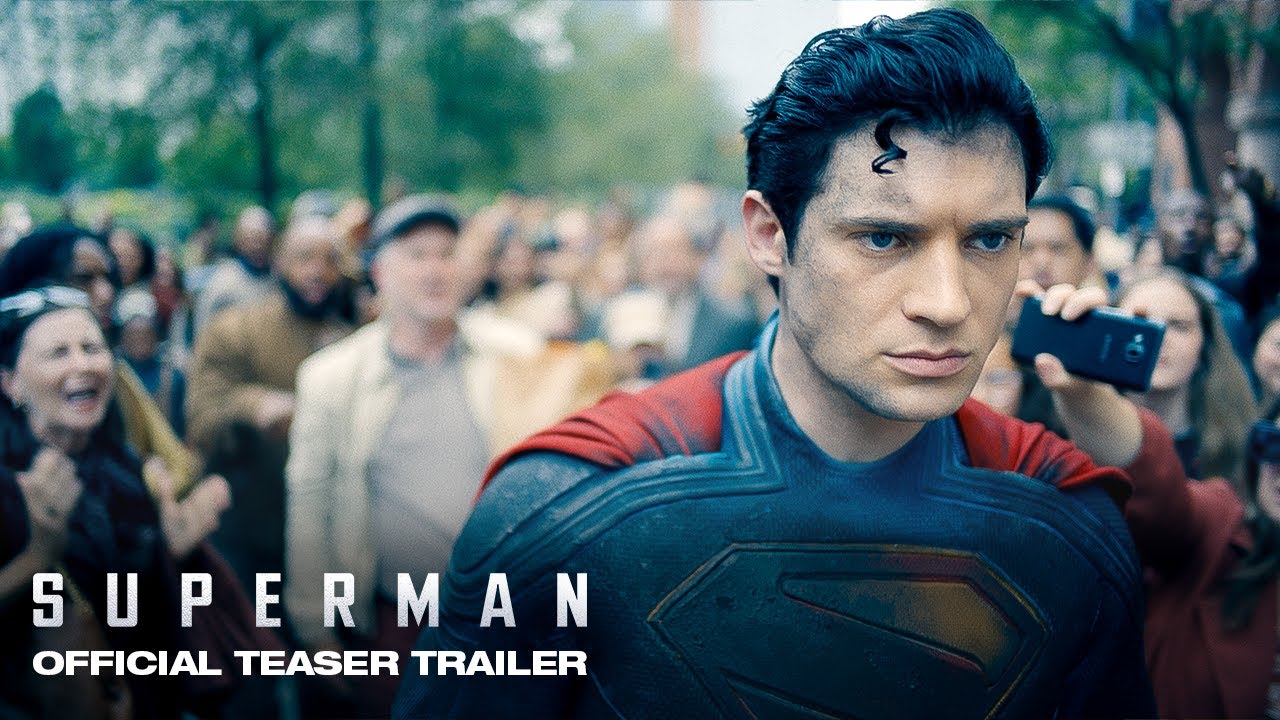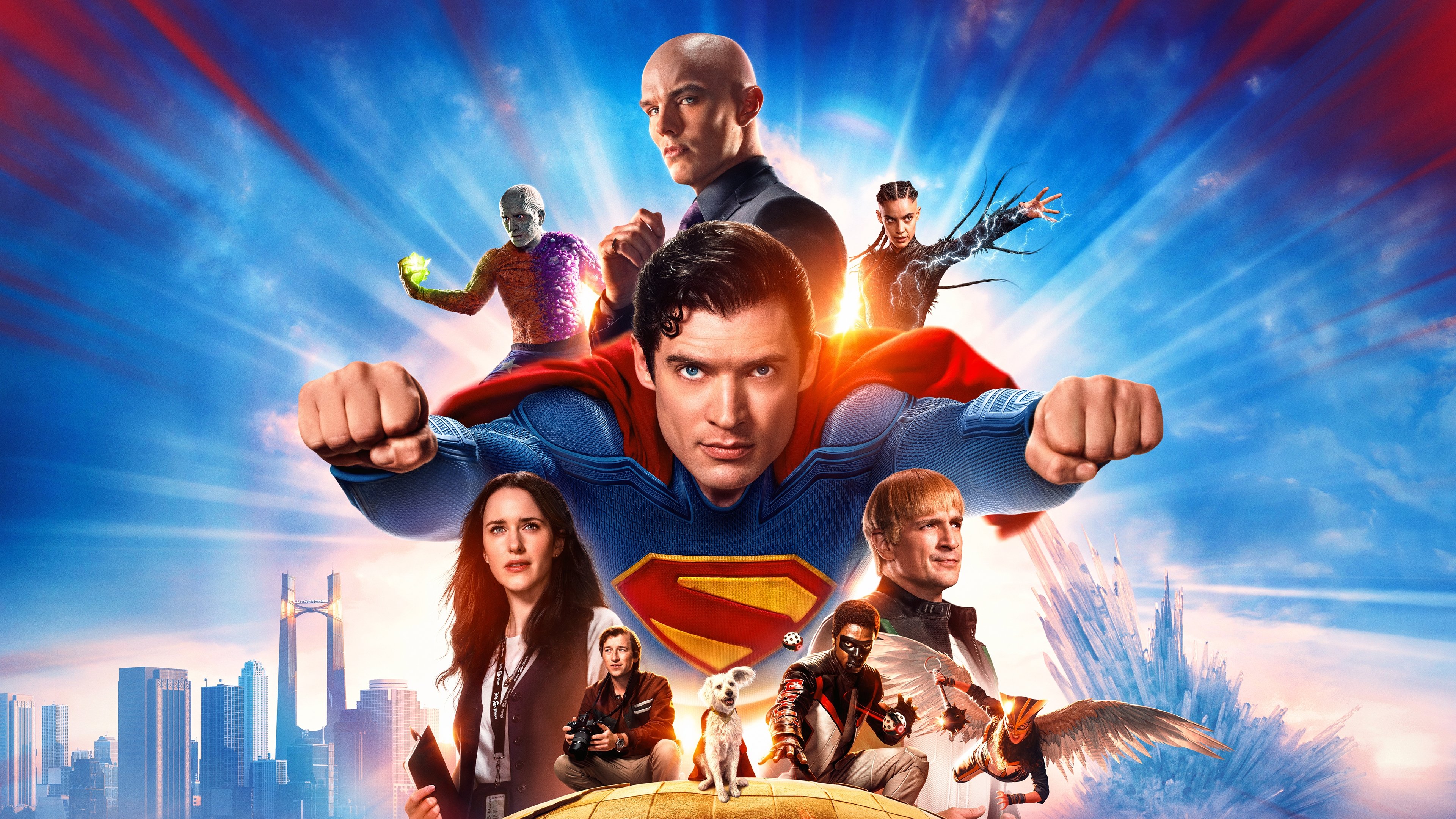
When James Gunn took on Superman, everyone was watching. The superhero genre had been through enough reinventions that cynicism felt justified, yet here was a filmmaker known for irreverent humor and genuine heart taking on the most iconic hero in cinema. What emerged from that gamble was something worth discussing because it fundamentally reminded audiences why they fell in love with this character in the first place. The two-hour-ten-minute runtime never feels bloated, instead using its space to breathe life into a story that could’ve been just another CGI spectacular.
The numbers tell part of the story. A 225-million-dollar budget is substantial, the kind of investment that demands not just box office success but cultural resonance. Superman delivered on both fronts, earning over 616 million dollars globally and opening to a genuinely impressive 125-million-dollar weekend in mid-July 2025. That’s serious commercial performance, but more importantly, it proved audiences still hunger for Superman done right. In an era where superhero fatigue feels very real, this film’s success wasn’t inevitable. It had to earn that trust back.
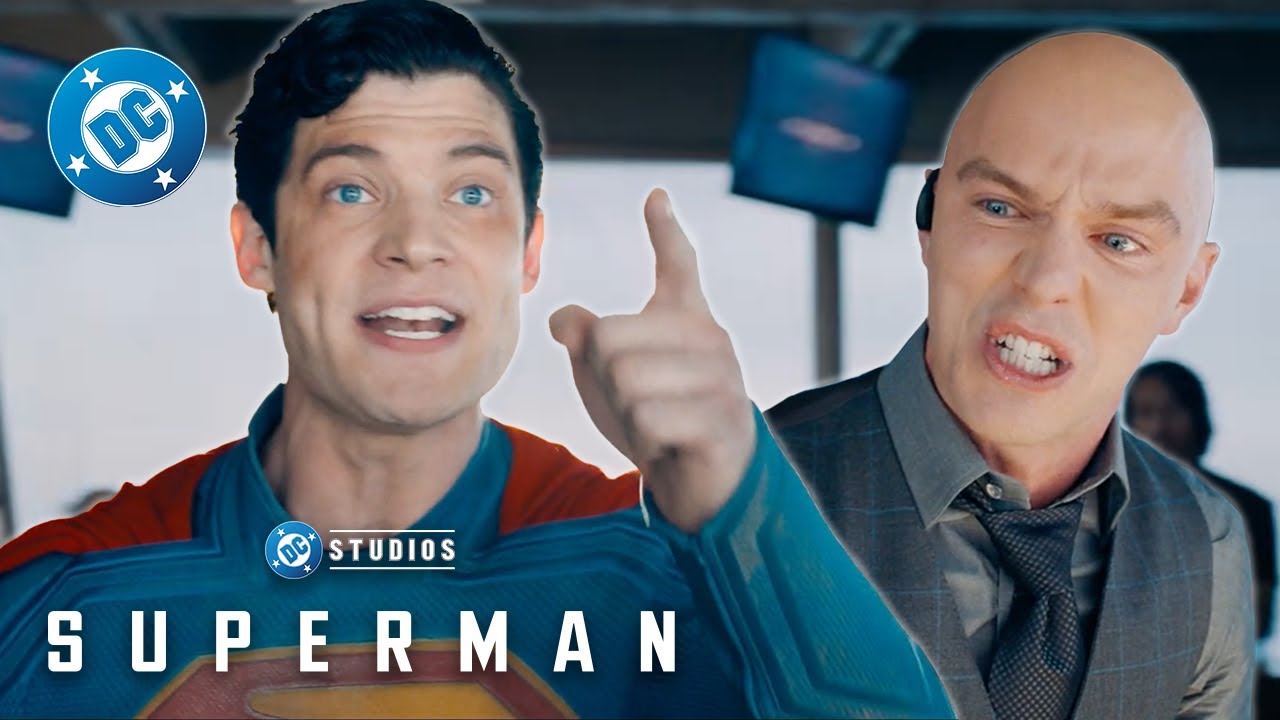
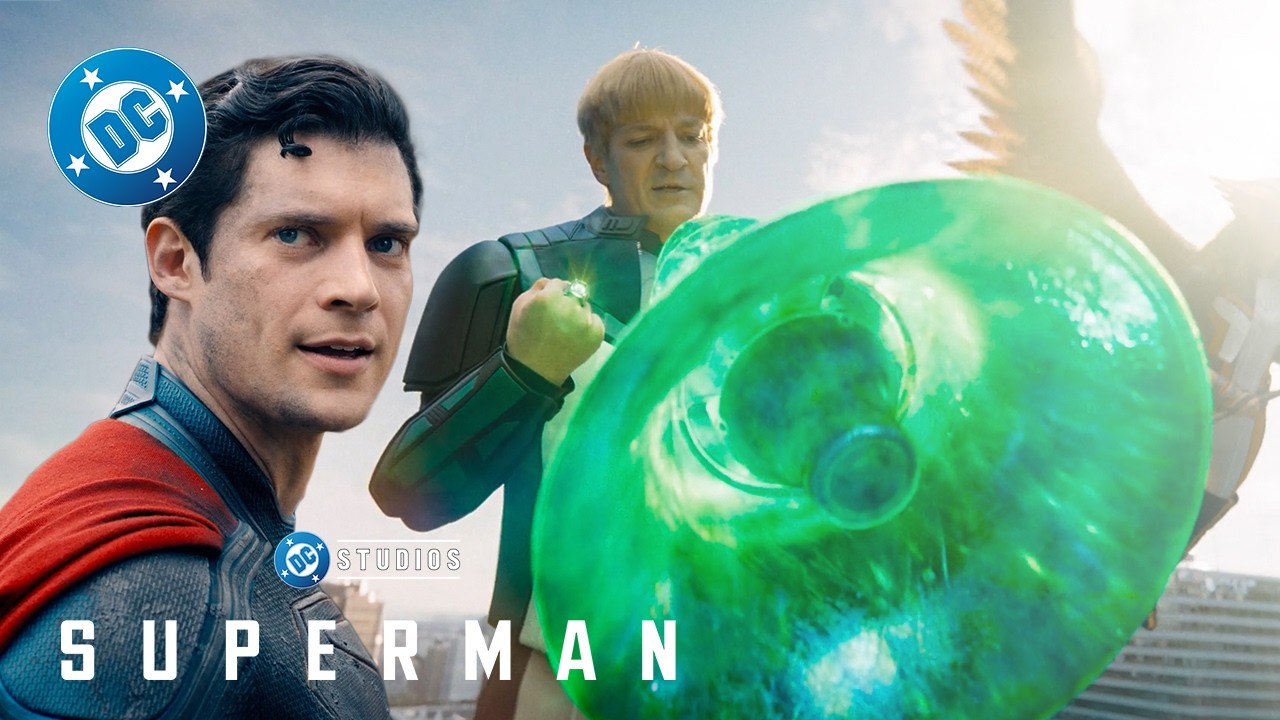
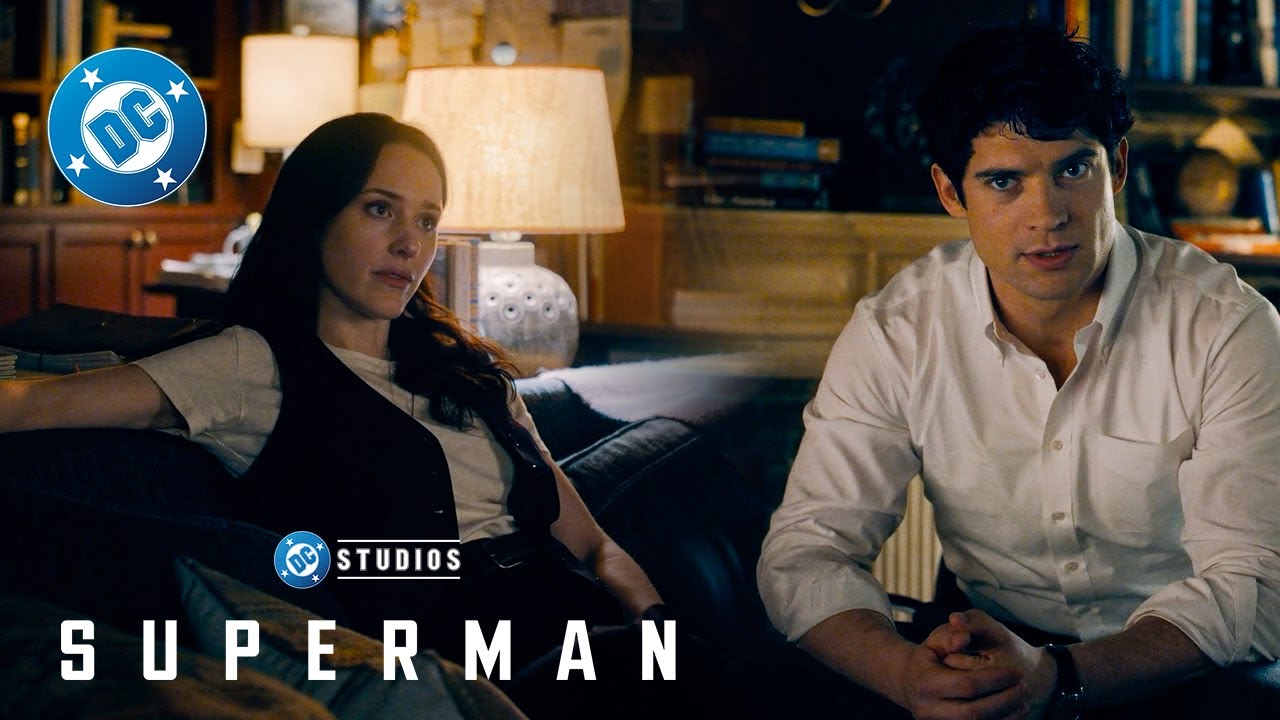
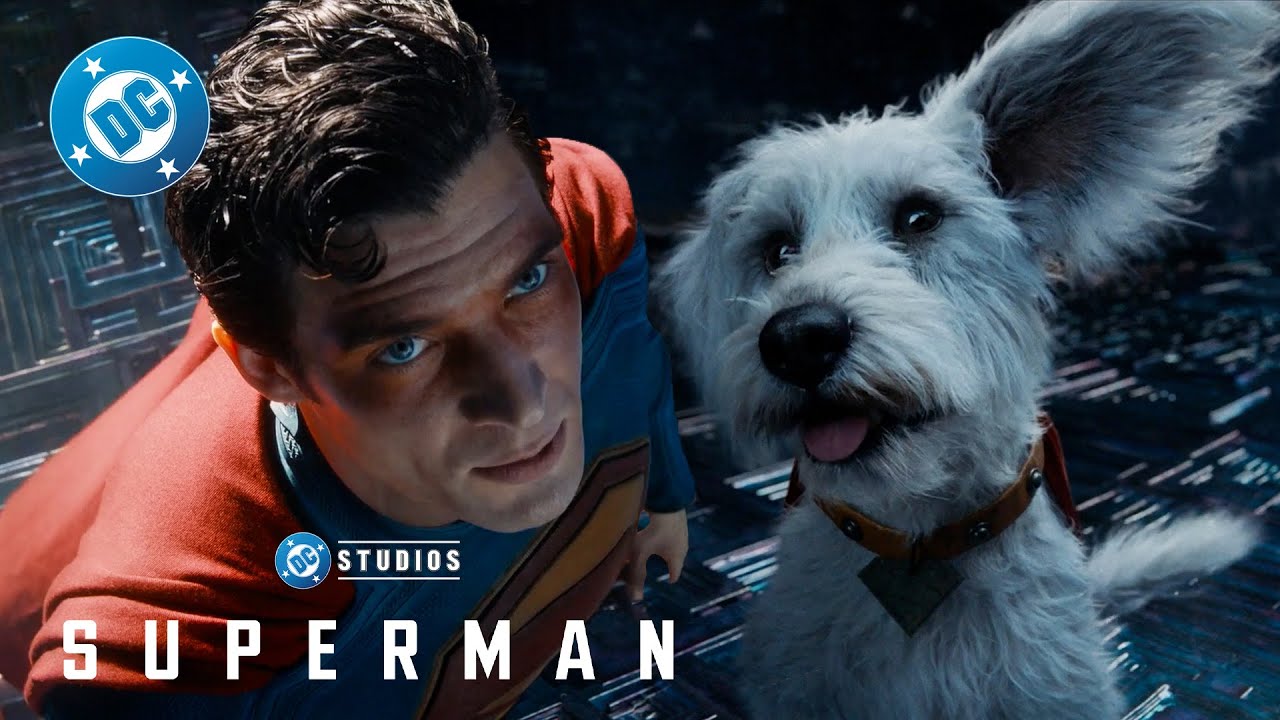
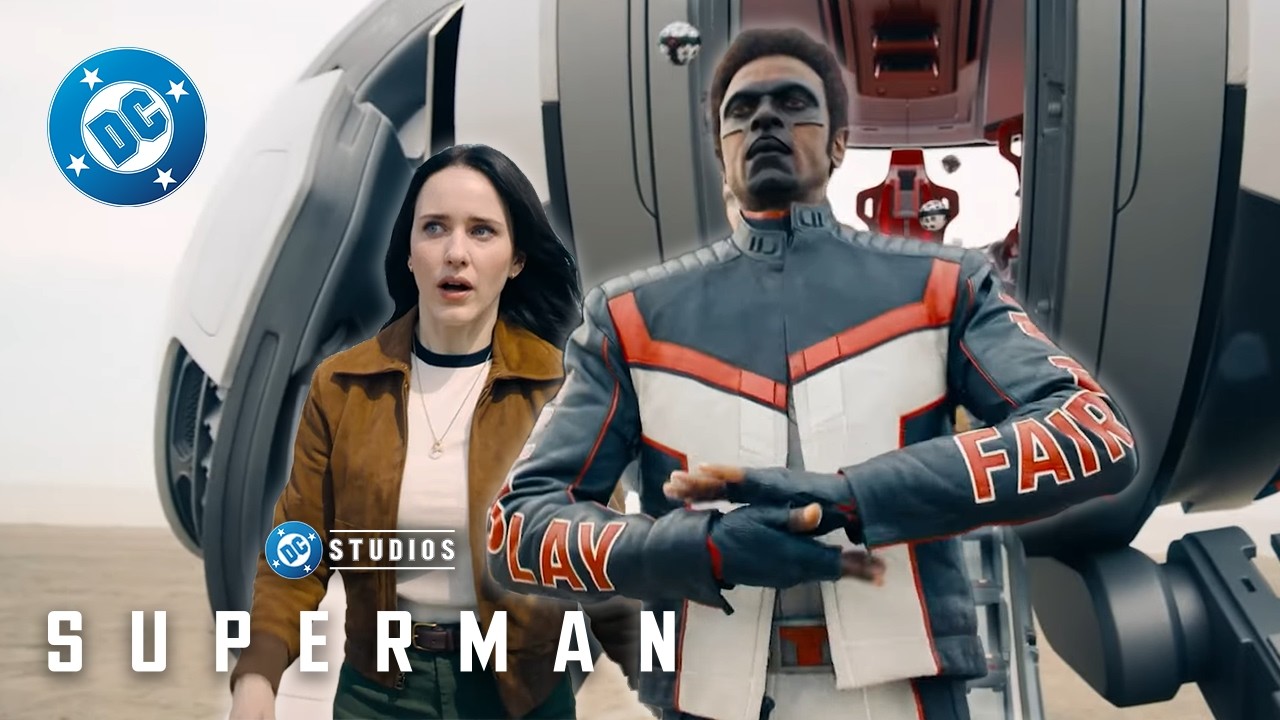
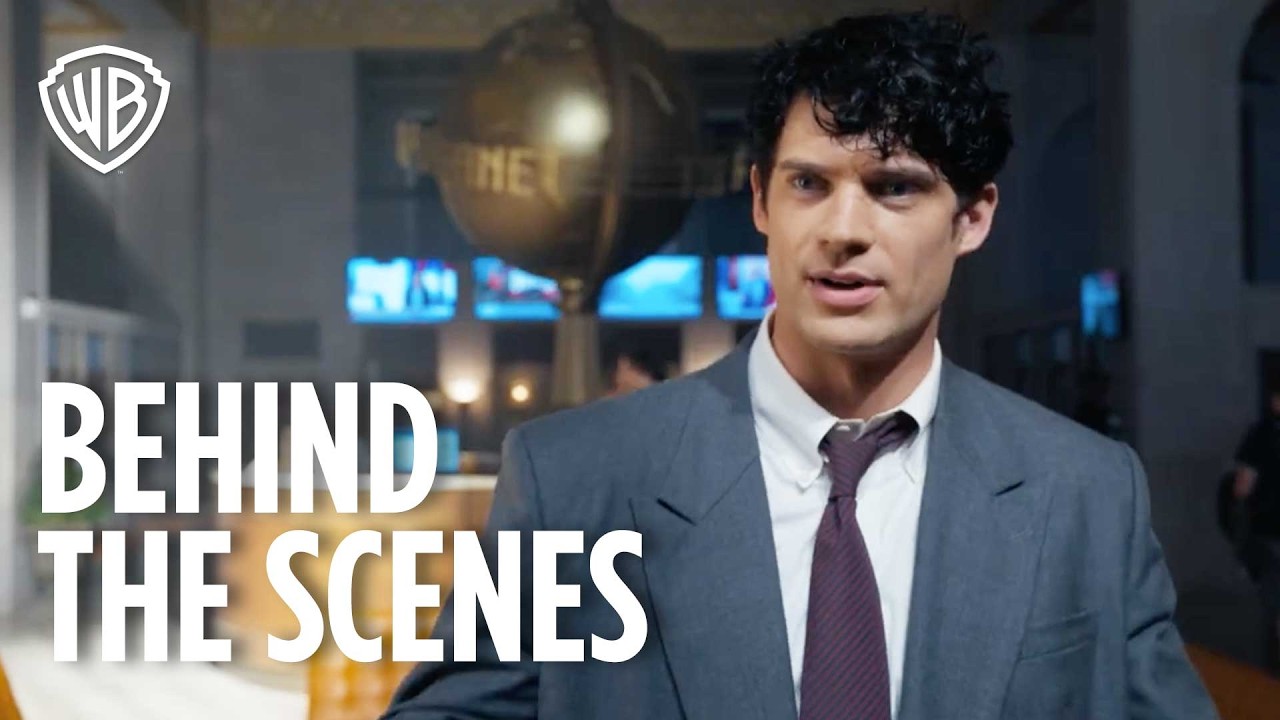
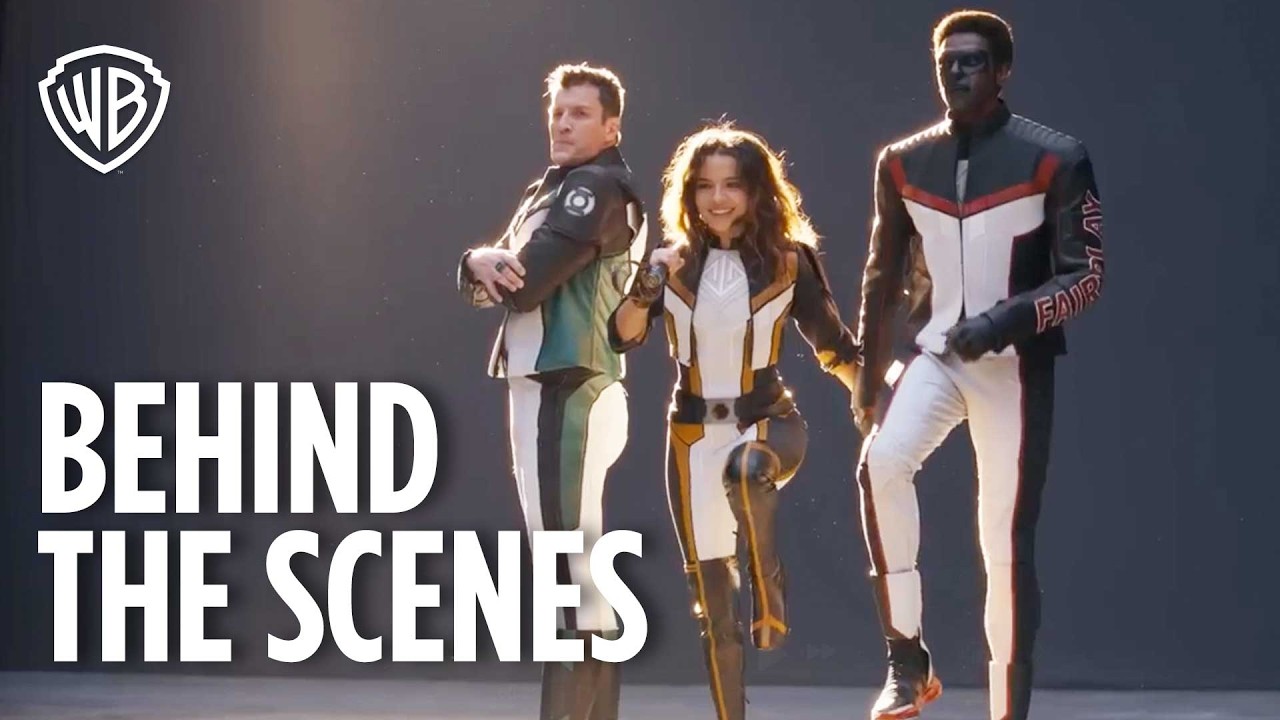
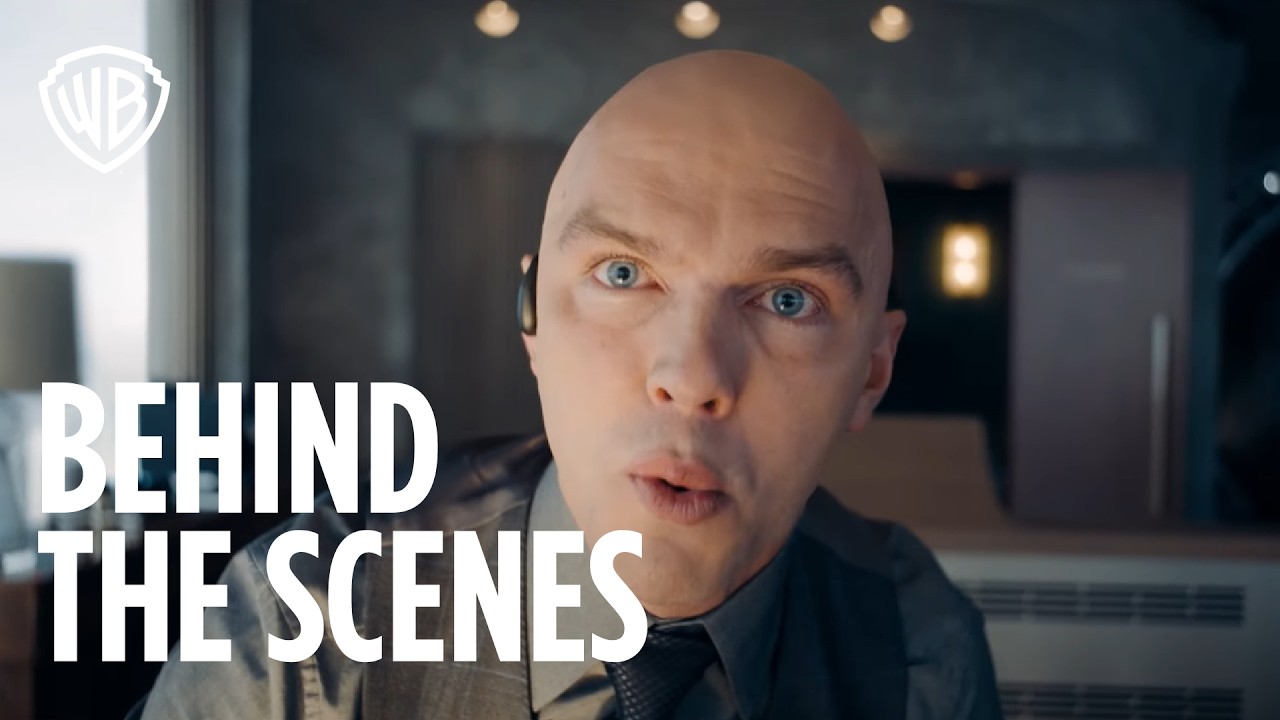
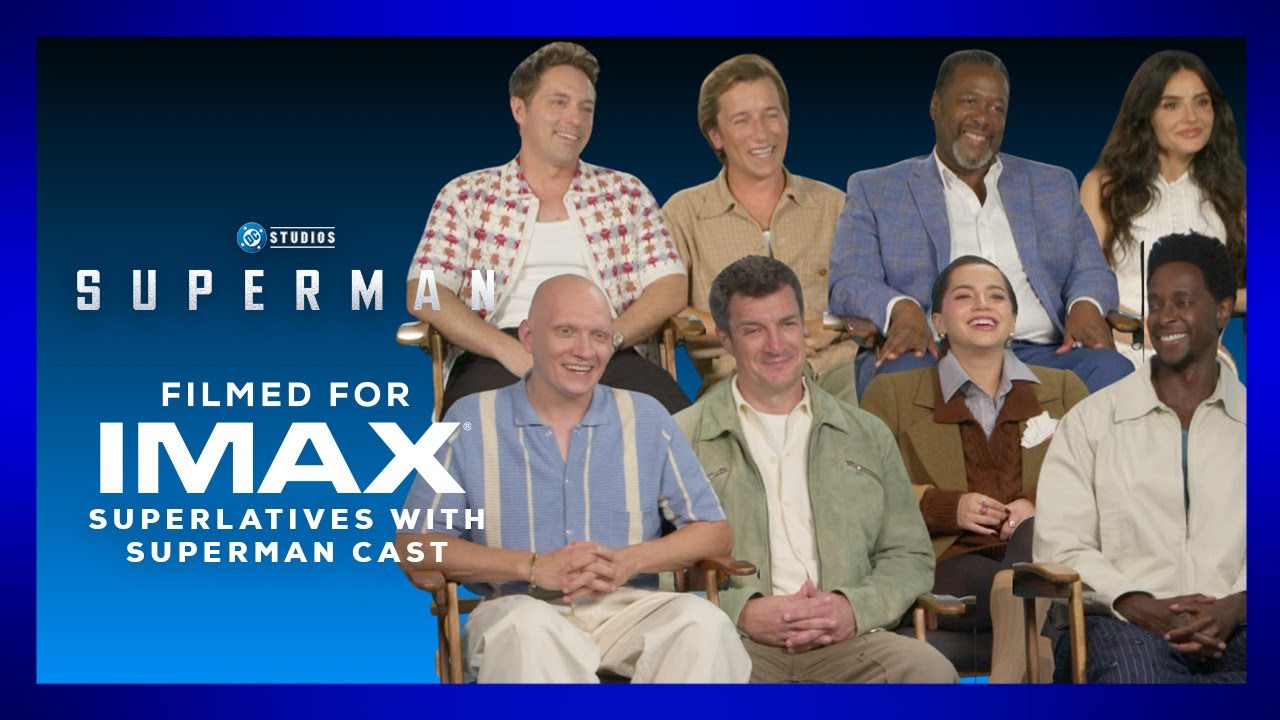
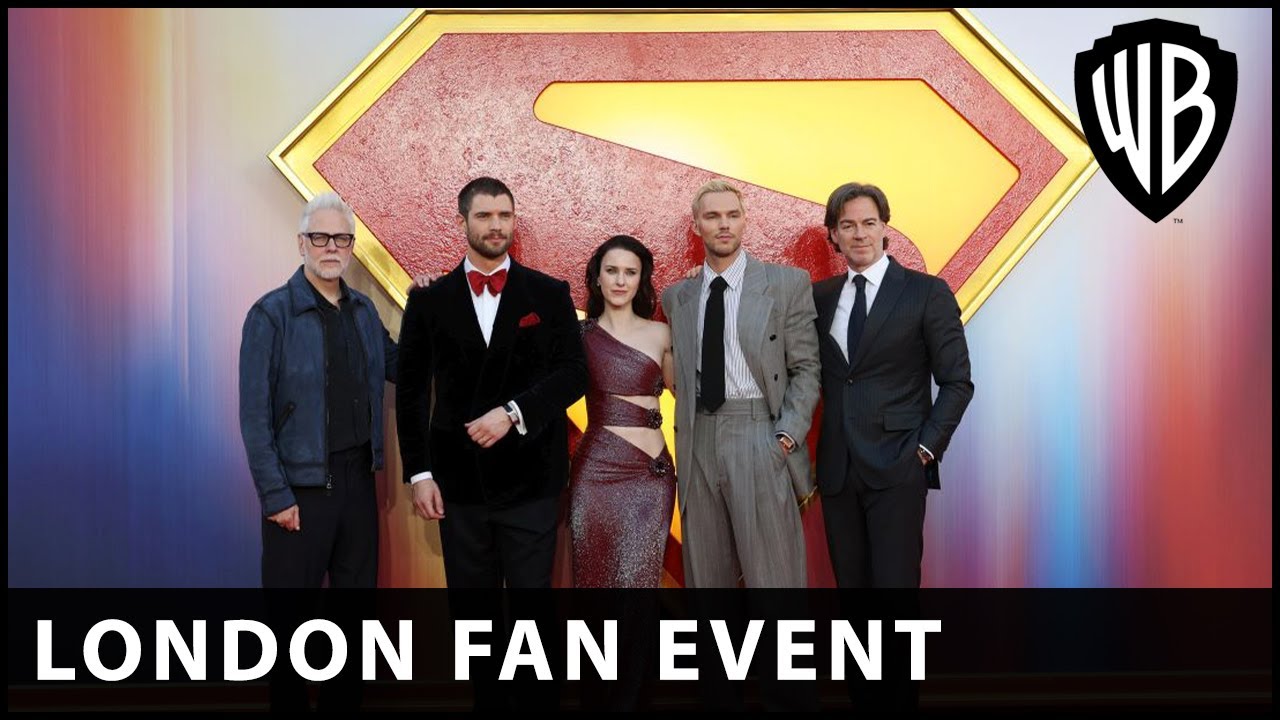
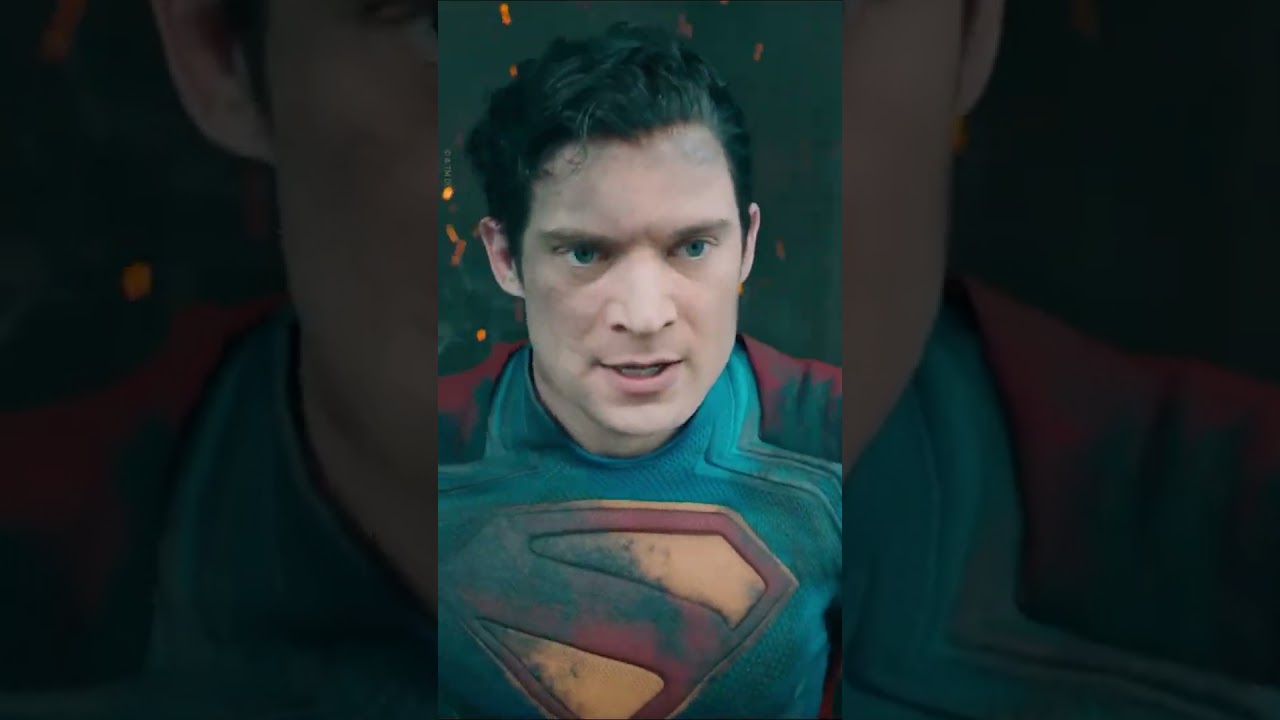
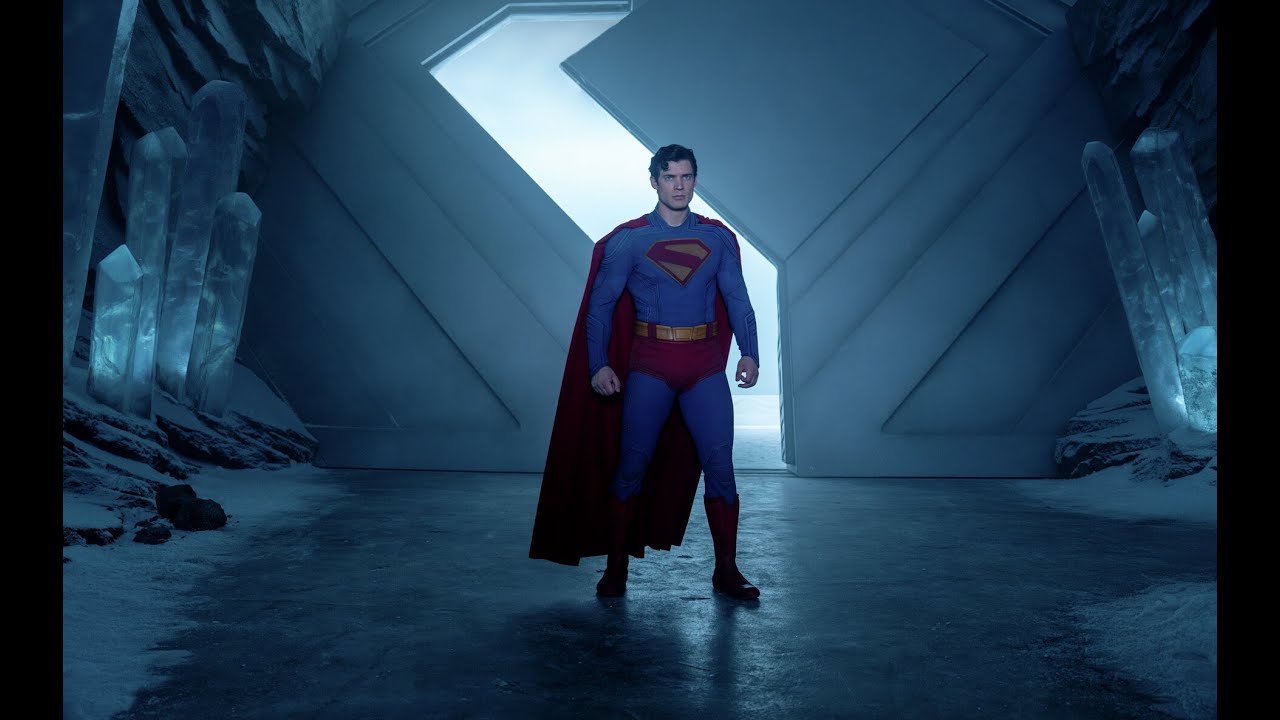
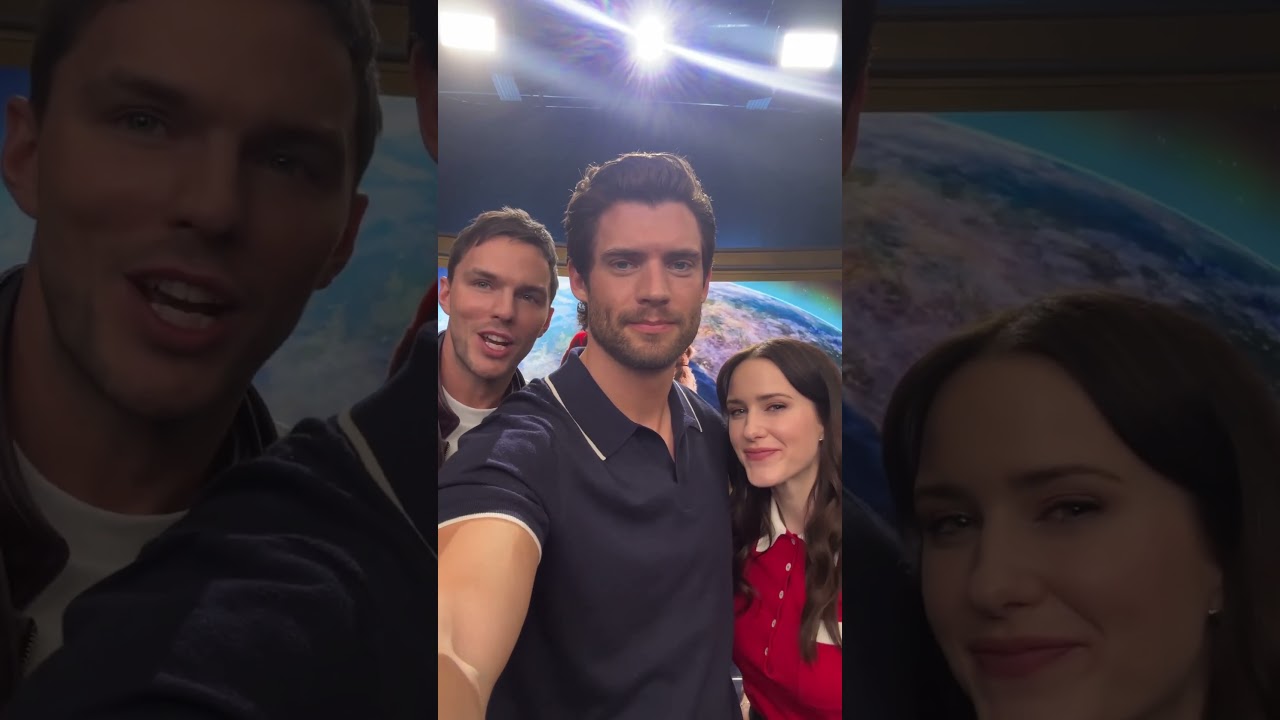
What makes Gunn’s vision distinctive is how he treats Superman as genuinely alien while remaining fundamentally human. David Corenswet brings an earnestness to Clark Kent that feels neither dated nor cynical, an impressive balance that earlier interpretations sometimes stumbled on. Rachel Brosnahan’s Lois Lane operates as his moral compass and intellectual equal, not merely love interest, while Nicholas Hoult’s casting as Lex Luthor signals a willingness to reimagine these dynamics. The ensemble understood they were rebuilding a foundation, not just making another film in a crowded franchise.
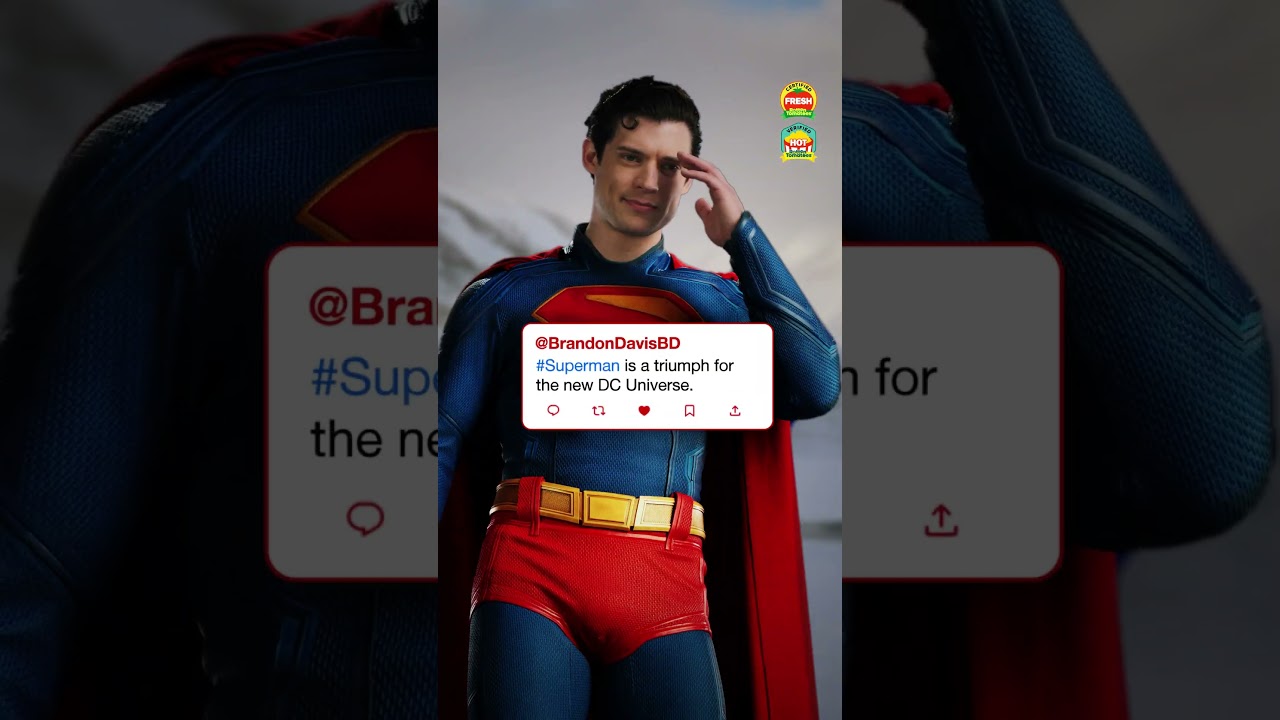
Critically, the 7.4 rating across thousands of votes represents something interesting. It’s not a universal triumph, but it’s genuinely solid, suggesting the film connected with most viewers while leaving room for legitimate debate. That’s healthier than either blind adoration or dismissal. Critics seemed to recognize that Gunn wasn’t interested in grimdark deconstruction or empty spectacle. Instead, he crafted something hopeful without naivety, action-packed without sacrificing character. The “Look up” tagline became more than marketing speak. It actually reflected the film’s thematic core about inspiration and belief.
The cultural significance lies partly in timing and partly in execution. In 2025, audiences needed to believe in something worth believing in again. Superman, stripped of decades of baggage and revisionist takes, offered that directly. The film didn’t shy away from the character’s idealism. It centered it. That was genuinely daring in a cinema landscape often afraid of sincerity. The July release positioned it as summer event cinema, and it held that space admirably despite competition from other massive properties.
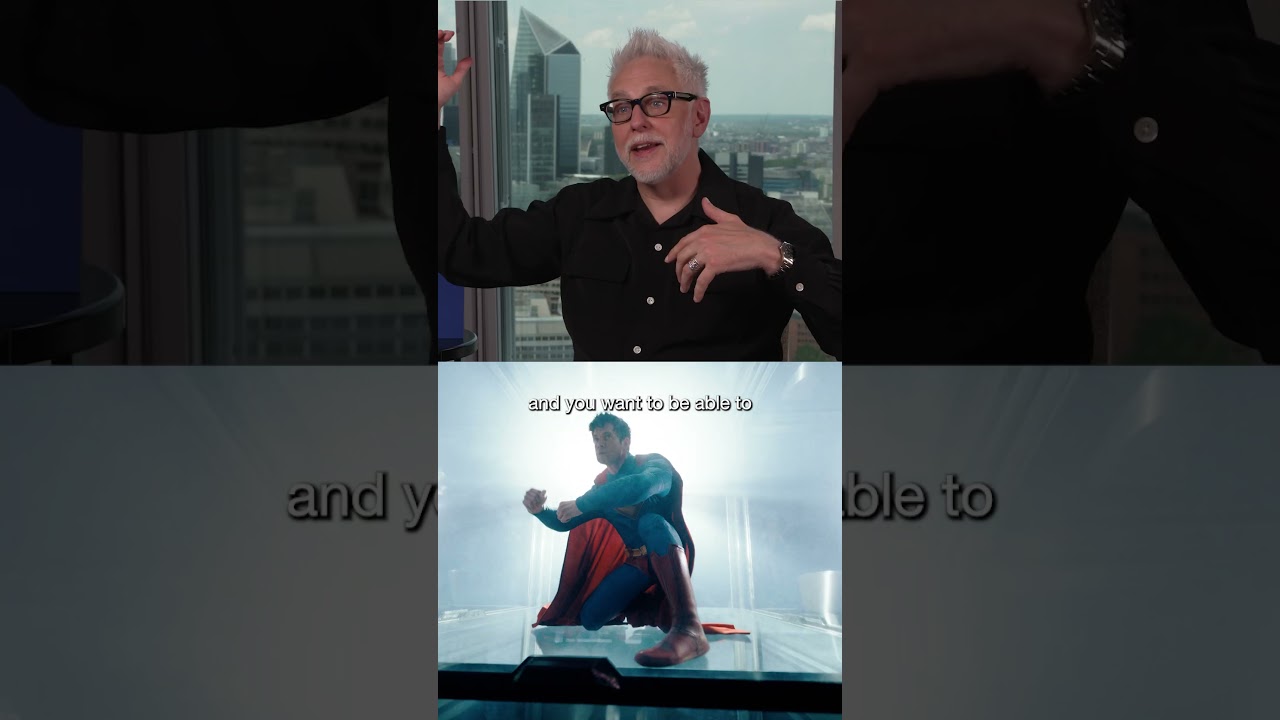
Looking forward, Superman established something crucial for DC Studios under new leadership. It proved that you could respect the source material while making something genuinely contemporary. The technical achievements matter less than the tonal clarity. Gunn understood that audiences don’t need their heroes deconstructed endlessly. They need them to matter. Future superhero projects will inevitably study what worked here, how a singular vision combined with A-list casting and serious resources created something that felt both fresh and essential.
The legacy building around this film feels organic rather than manufactured. It’s generating discussion about what superhero cinema can be when ambition meets clarity of purpose. The cast will likely continue to define these characters for audiences in ways both films and comics will reference. And perhaps most importantly, Superman proved that the genre’s best days aren’t behind it, just waiting for filmmakers brave enough to tell stories about hope without irony.