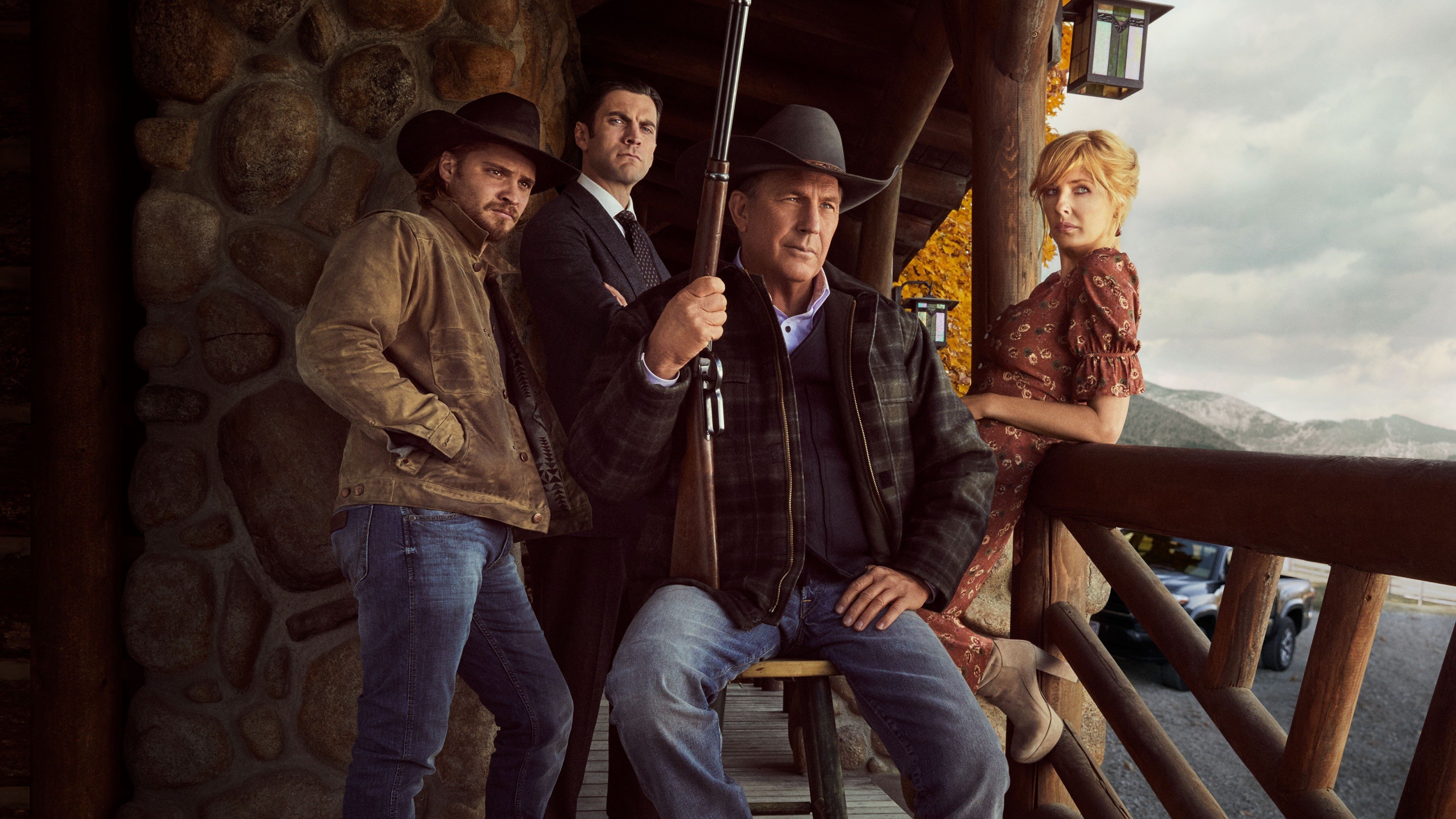
When Yellowstone premiered on the Paramount Network back in June 2018, few could have predicted it would become one of the defining dramas of the 2020s. What started as a premise—a powerful ranching family fighting to protect their land against encroaching development and political opposition—evolved into a cultural phenomenon that sparked genuine conversations about power, legacy, and the American West. Over its five-season run, the show built something remarkable: a tight narrative arc spanning 53 episodes that proved a creator with a singular vision could still captivate mainstream audiences in an era of fragmented streaming.
Taylor Sheridan and John Linson crafted something that felt both timely and timeless. The show works as a contemporary political thriller, a family melodrama, and a Western reimagined for the modern era—sometimes all within a single episode. That versatility is part of what keeps audiences coming back. The story centers on the Dutton family and their sprawling Montana ranch, but it’s never really just about cattle and land disputes. It’s about the desperate measures people take to hold onto power, the sacrifices required to maintain legacy, and the violence—both literal and emotional—that wealth and privilege demand.
> What makes Yellowstone endure is its refusal to offer easy moral judgments. The show doesn’t ask viewers to root for “good” people; it asks them to understand why people do terrible things.
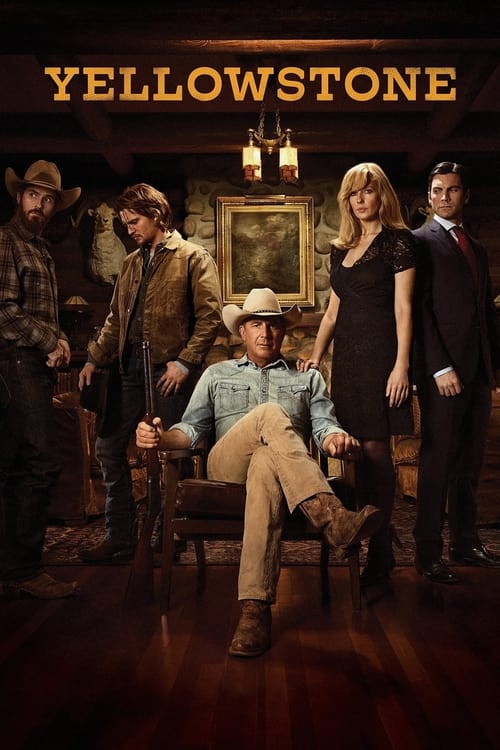
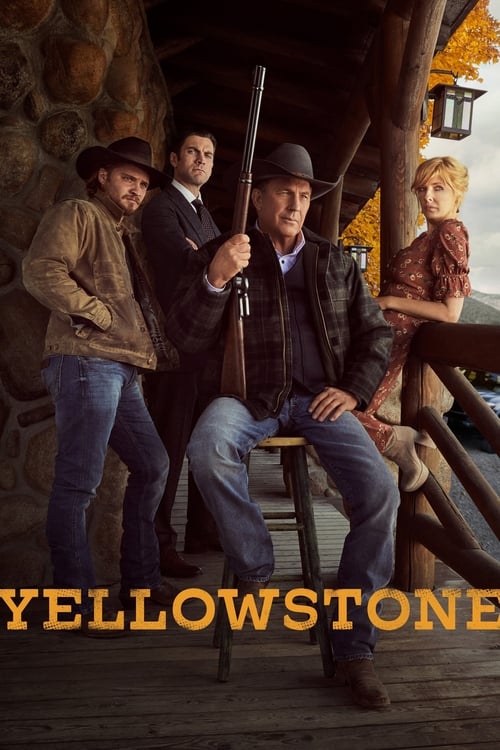
The performances deserve mention here, particularly Kevin Costner as patriarch John Dutton and Cole Hauser as Rip Wheeler. Costner brought gravitas and world-weariness to a character who functions almost as a Shakespearean patriarch—flawed, manipulative, yet undeniably commanding. The chemistry between the ensemble cast created genuine stakes. When loyalties shifted or betrayals occurred, you felt the weight of it because these actors had built real relationships on screen.
What’s particularly striking, looking back at the show’s journey, is how it maintained momentum across its full run. The ratings trajectory tells you something—starting strong with Season 1’s opening numbers and gradually finding its core audience—but what matters more is that the storytelling remained consistently engaging. Season 3, which earned a perfect 100% on Rotten Tomatoes, represented the show hitting its creative stride, where every plot thread seemed to matter and the stakes felt genuinely unpredictable. The Duttons faced threats from every direction: government agencies, corporate interests, Native American tribes with legitimate claims to land, and increasingly, from within their own family.
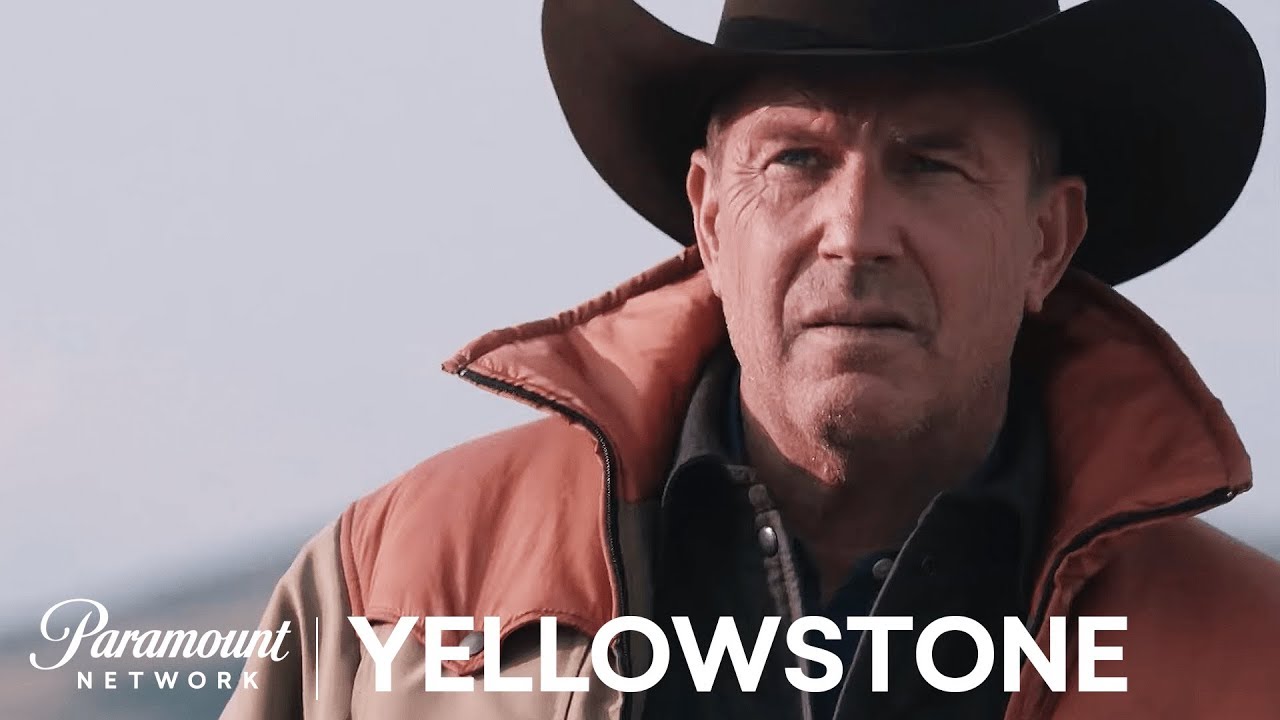
The visual language of the show shouldn’t be overlooked either. Yellowstone was lauded for its stunning cinematography, using the Montana landscape as more than just backdrop—it became a character itself, representing both beauty and indifference. Sweeping vistas contrasted with intimate family scenes in the ranch house, reinforcing the show’s central tension between the grandeur of their ambitions and the intimate vulnerabilities of these deeply flawed people.
Key themes that elevated the storytelling:
- The corrupting influence of power and what it costs to maintain it
- Family loyalty versus personal morality
- The collision between old money and new capitalism
- Environmental and land-use conflicts as metaphor for larger American divides
- The death of the traditional Western lifestyle and who profits from that death
What made Yellowstone genuinely significant to the television landscape was how it proved there was an audience hungry for prestige drama that didn’t apologize for being entertaining. It wasn’t trying to be Succession or The Sopranos—it was its own thing. The show embraced melodrama when it needed to, delivered shocking moments that felt earned rather than gratuitous, and consistently kept viewers guessing about where alliances would shift next.
The show’s impact on culture extended beyond ratings numbers. Yellowstone became a conversation starter in ways that even successful shows often aren’t. People debated character choices, discussed what the show was “really about” in terms of contemporary politics, and engaged with its themes in think pieces and casual discussions alike. It proved that a show centered on traditionally conservative values and rural American life could attract a broad, demographically diverse audience without condescending to either that audience or its critics.
The decision to end after five seasons, before the show completely exhausted its premise, feels increasingly wise in retrospect. With 53 episodes total and an 8.3/10 rating that reflects both critical appreciation and audience enthusiasm, Yellowstone managed what many shows fail to achieve: it left while people still wanted more, rather than overstaying its welcome. The expansion into spinoffs like 1883 and 1923 suggests the world Sheridan created has deeper potential, but the original series told a complete story about this particular family’s rise, dominance, and ultimate reckoning.
Yellowstone will endure because it understood something fundamental about drama: conflict rooted in character is infinitely more compelling than conflict rooted in plot. Every major turning point happened because these people—wounded, proud, desperate to protect what they’d built—made choices that felt inevitable even when they shocked us. That’s the hallmark of storytelling that lasts.