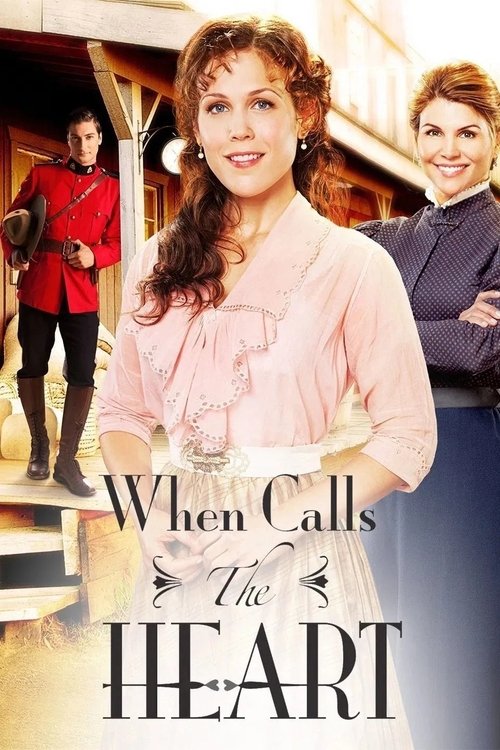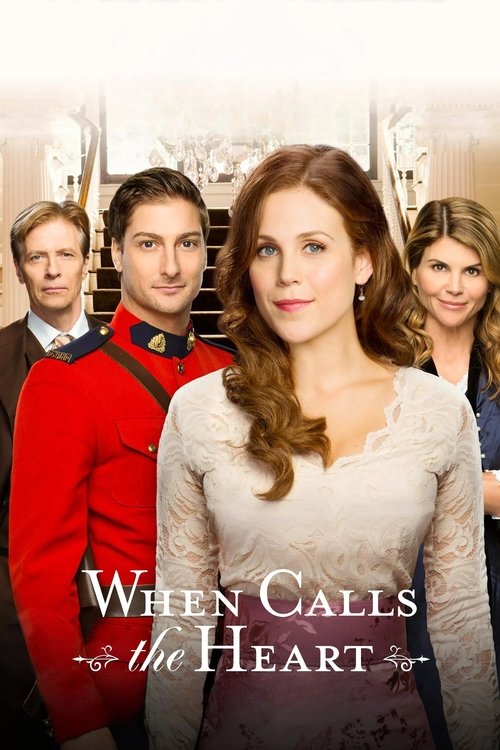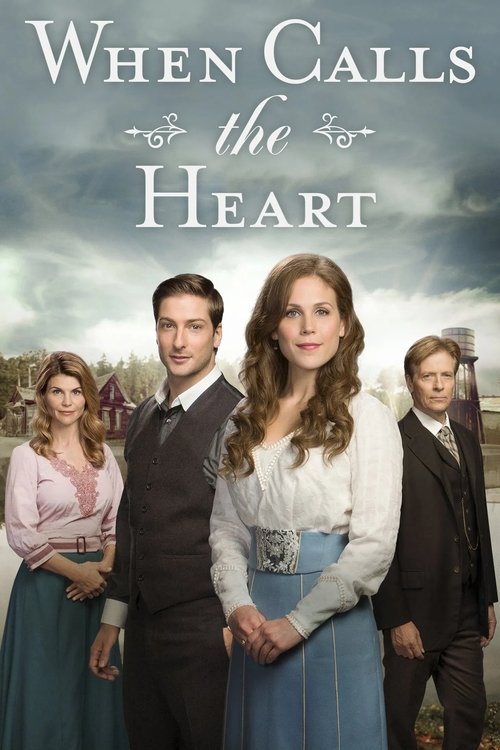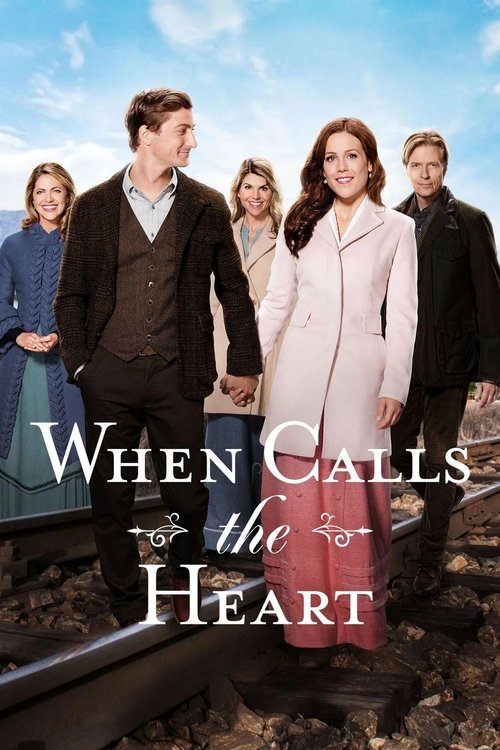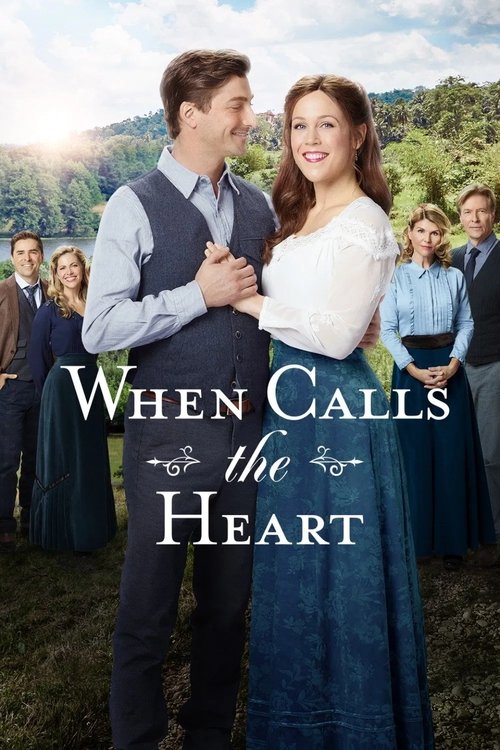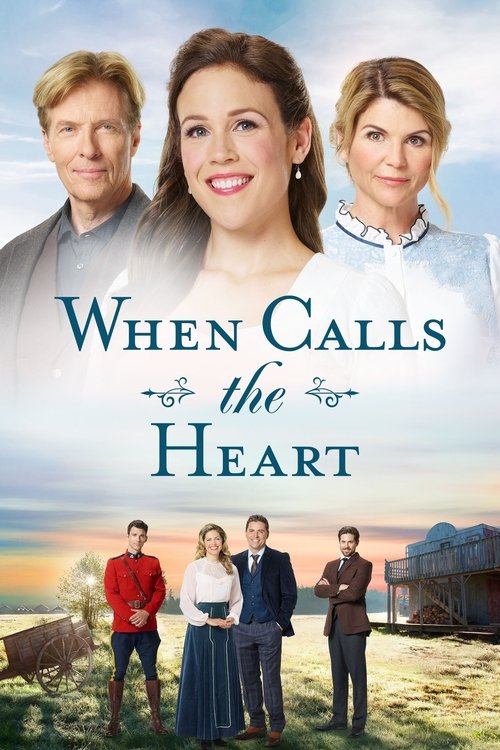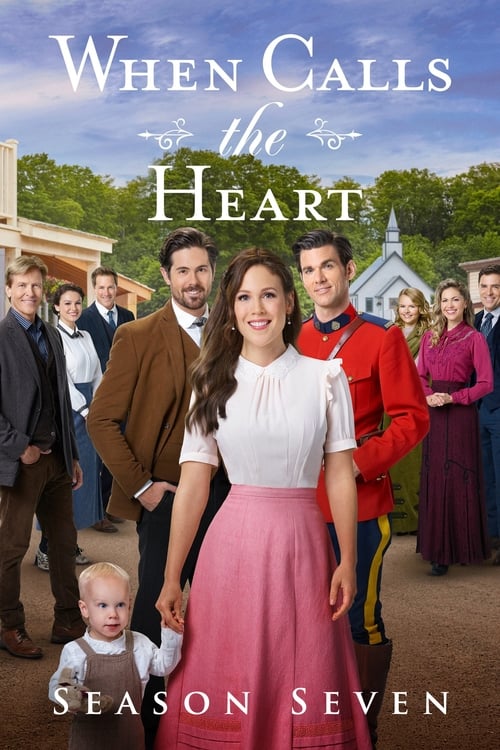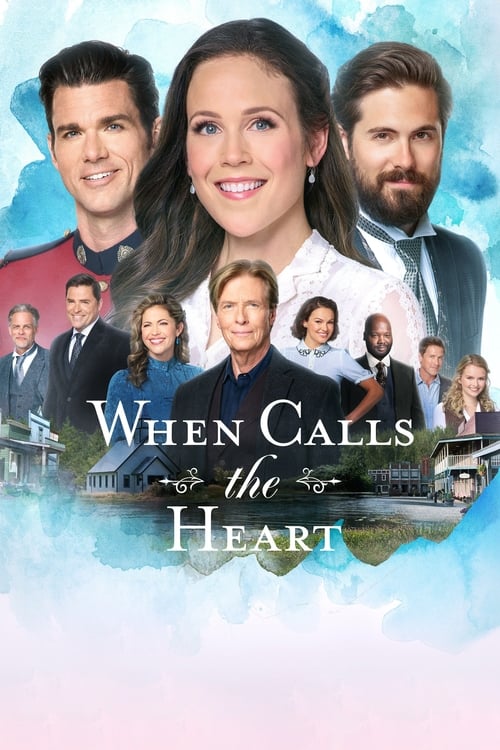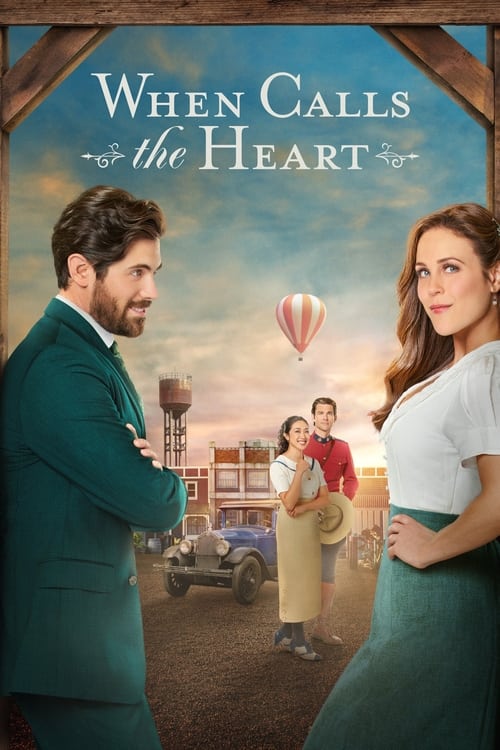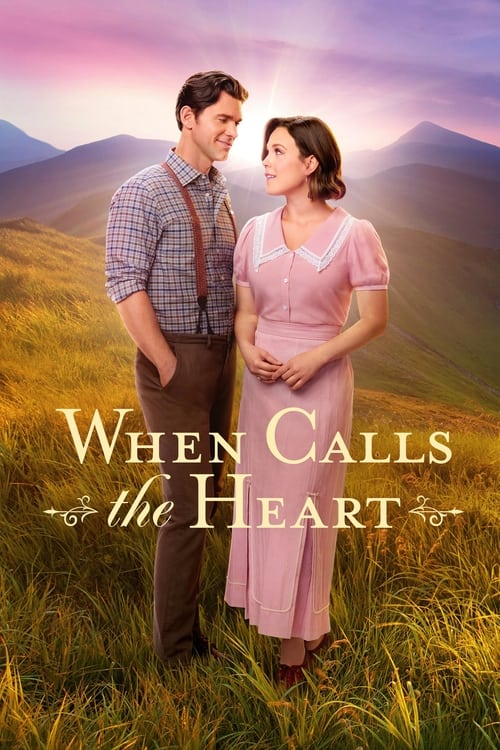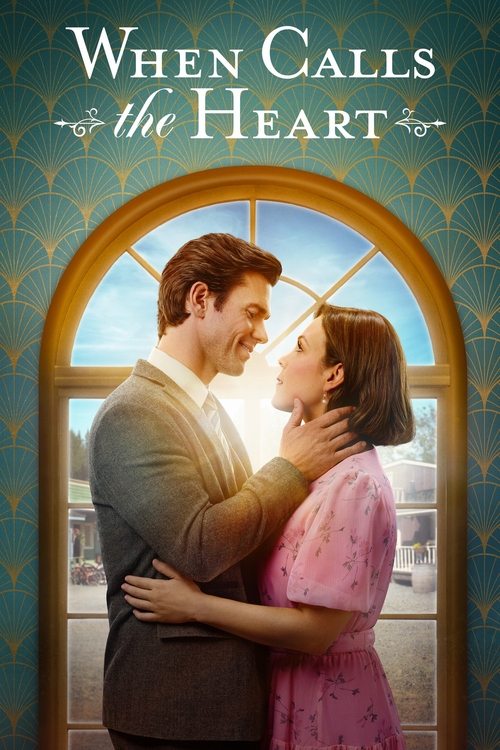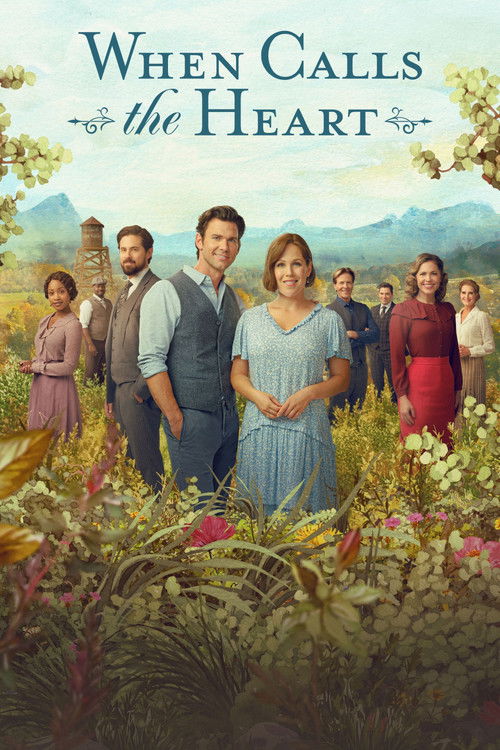
If you’ve spent any time on the Hallmark Channel in the past decade, you’ve likely encountered When Calls the Heart—and if you haven’t, you’re missing one of the most surprisingly resilient dramas on television. When the series premiered on January 11, 2014, it arrived as what seemed like a fairly straightforward period piece: a wealthy Eastern schoolteacher named Elizabeth Hart decides to leave her comfortable life behind to teach in a small coal mining town out West. It’s the kind of premise that could have been forgettable in less capable hands, but creators Michael Landon Jr. and Brian Bird had something more enduring in mind.
What makes When Calls the Heart genuinely remarkable is how it managed to sustain itself across 13 seasons and 139 episodes without relying on the typical melodrama or romantic angst that often derails wholesome programming. The show found its footing by doing something increasingly rare: it treated its small-town setting and characters with genuine respect. This isn’t a place where people are simple or quaint for comedic effect—Hope Valley and its inhabitants possess real depth, real struggles, and real moral complexity. The writing resists easy answers, and that integrity resonates with audiences in a way that’s become evident through its consistently solid 8.2/10 rating.
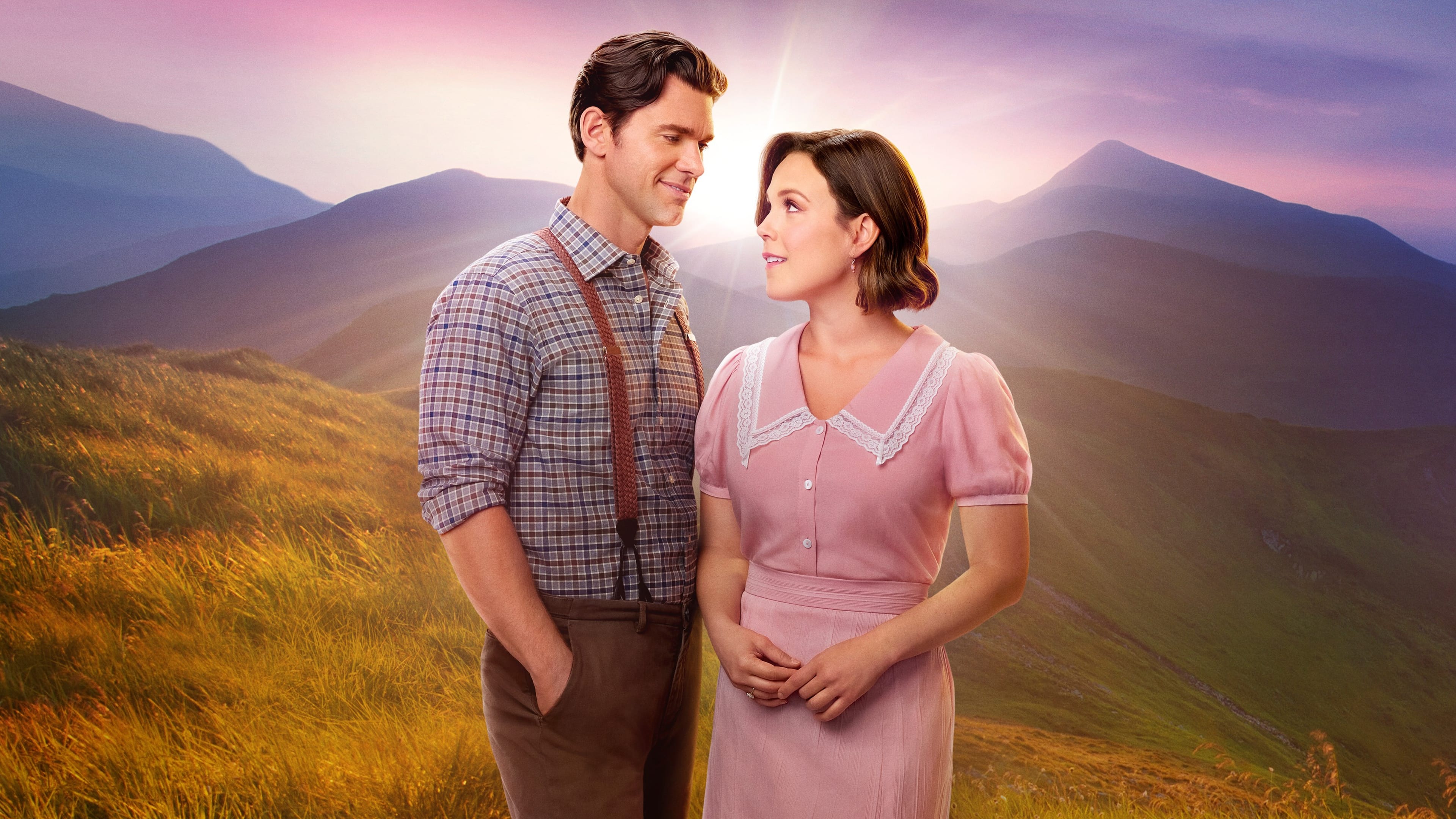
The genius of the show lies in how it balanced its central romance—which developed between Elizabeth and the newly arrived constable Jack Thornton—with a genuine commitment to community storytelling. Rather than narrowing its focus as seasons progressed, the series actually expanded its emotional scope, giving weight to supporting characters and their arcs:
- Elizabeth’s professional journey as an educator navigating a conservative mining community
- Jack’s role as law enforcement in a town where justice isn’t always straightforward
- The ensemble cast of miners, shopkeepers, and families whose lives felt genuinely interconnected
- Period-authentic challenges that grounded the drama in historical reality rather than soap opera theatrics
The cultural footprint this show developed speaks volumes about what audiences are actually hungry for. In an era dominated by prestige dramas built on cynicism and complexity for its own sake, When Calls the Heart carved out space for earnest storytelling about loyalty, faith, and community. It sparked conversations about representation in family programming and proved that “wholesome” doesn’t mean “shallow.” The show’s longevity—especially across a Hallmark landscape where many series fade after a few seasons—suggests that viewers weren’t just passively consuming content. They were invested.
> There’s something powerful about a show that refuses to punish goodness or treat kindness as naïveté. When Calls the Heart made that its foundation, and audiences responded by showing up season after season.
What’s particularly striking about the production approach is how the creators managed to maintain narrative momentum across such an extended run. The unknown episode runtime actually worked in the show’s favor, allowing flexibility in storytelling—some episodes could breathe and linger on quieter character moments, while others could accommodate larger emotional turns or plot developments. This flexibility meant that pacing never felt formulaic, which is a real achievement in network television where rigid structures often strangle creativity.
The ensemble approach also prevented the show from becoming a vehicle solely for its central couple. While Jack and Elizabeth’s relationship certainly anchored the emotional core, the series invested genuine narrative capital in characters like Rosemary, Lee, Abigail, and the broader Hope Valley community. This meant that even when the central romance hit predictable beats—and yes, some seasons leaned more heavily on romantic tension than others—there were always other compelling reasons to tune in.
Michael Landon Jr.’s background in family-oriented television clearly informed the show’s DNA, but it’s Brian Bird’s contribution that brought unexpected sophistication to the storytelling. The co-creator’s experience with layered character work meant that characters who could have been one-dimensional stereotypes—the uptight banker, the reformed outlaw, the grieving widow—instead became fully realized people with contradictions and growth arcs that unfolded across seasons.
The show’s journey from 2014 to its current status as a Returning Series speaks to a different kind of success metric than what dominates television discourse. In an ecosystem obsessed with premiere numbers and viral moments, When Calls the Heart built something more sustainable: a weekly ritual for millions of viewers. That’s not insignificant. That’s the mark of a show that genuinely connects with people, that becomes part of their lives in a meaningful way.
Looking back at nearly a decade of storytelling, what becomes clear is that When Calls the Heart succeeded by betting on sincerity. In a medium often cynical about its own audience, this show trusted that people wanted to watch good people navigate genuine challenges within a community framework. That bet paid off spectacularly, and the show’s endurance is a quiet but powerful statement about what television can be when it respects both its characters and viewers. Whether you’re discovering it now or have been watching since that January premiere, there’s something genuinely worth celebrating in a series that stayed true to its vision while refusing to feel stale or repetitive across 139 episodes.