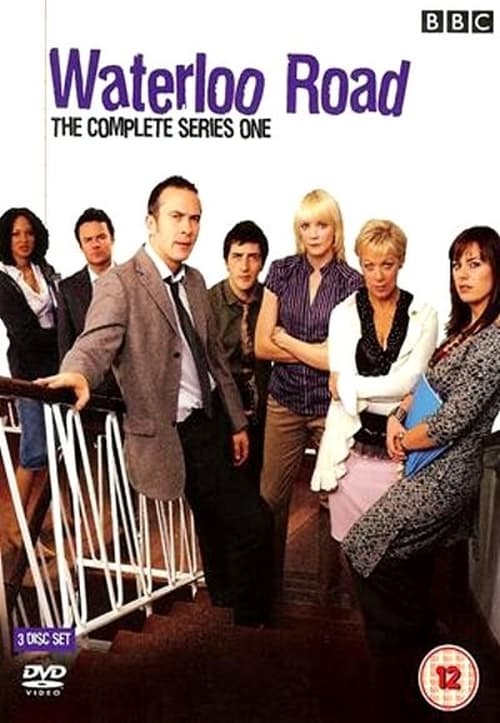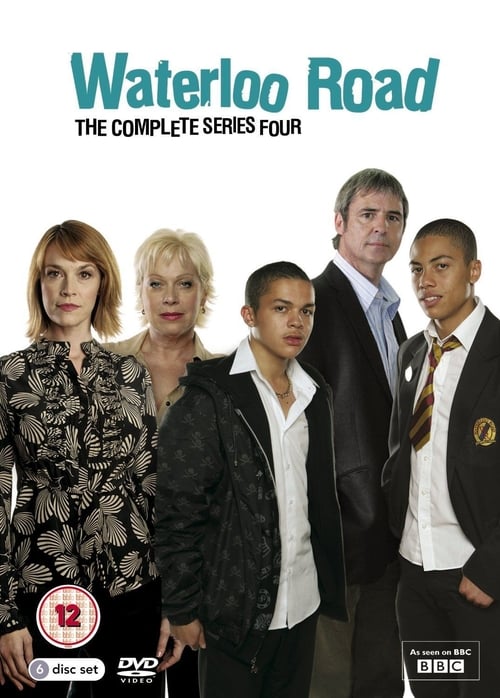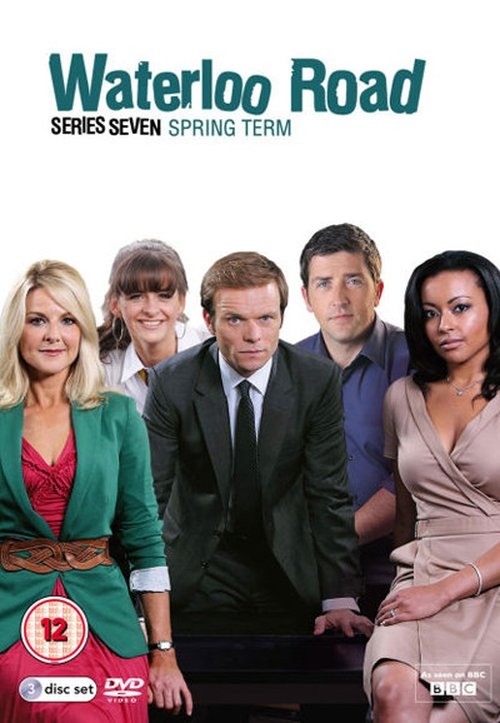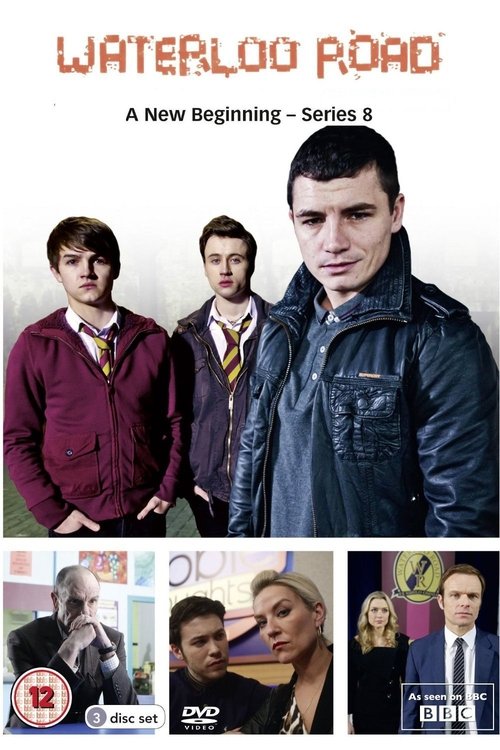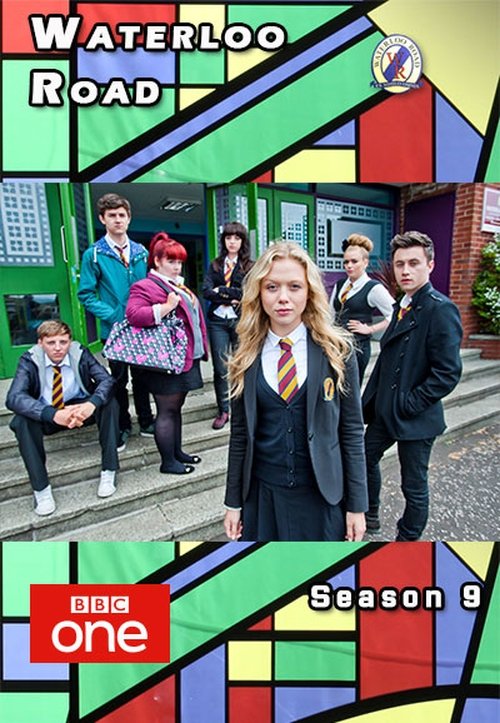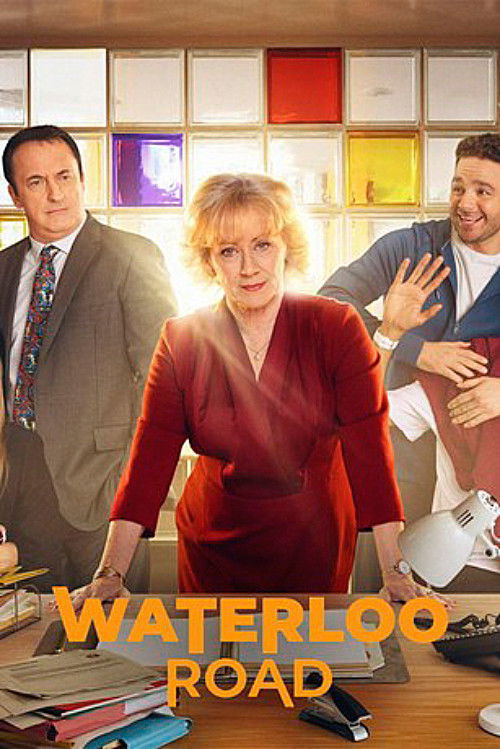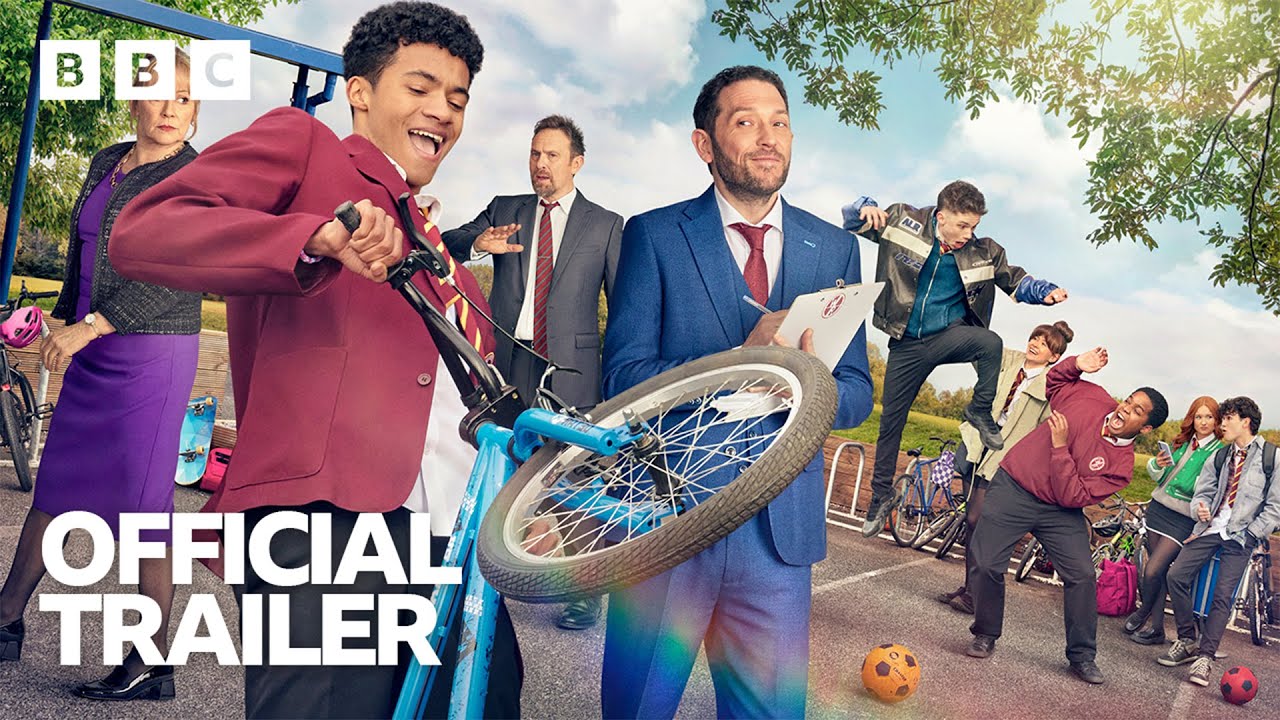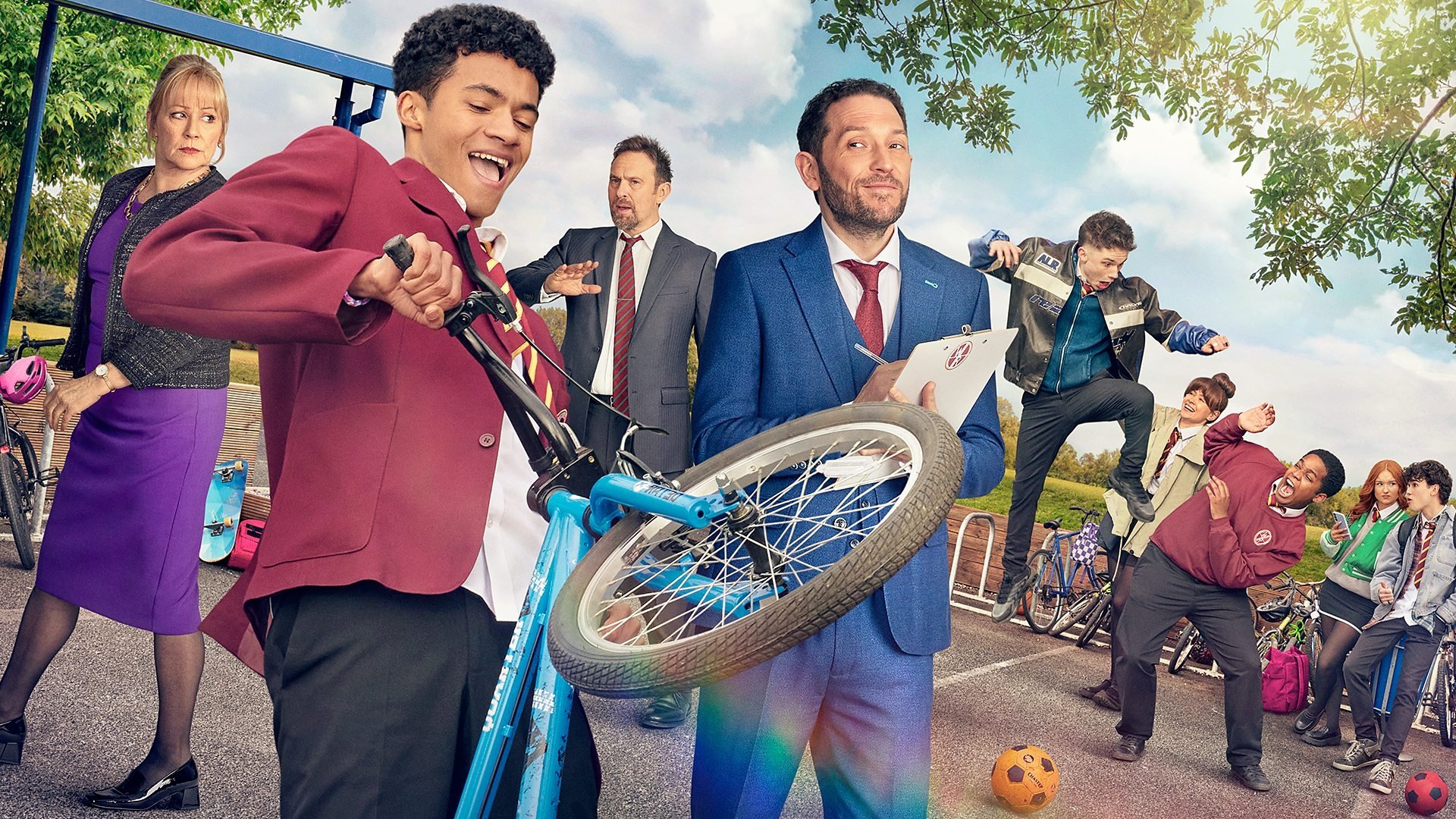
When Waterloo Road premiered on BBC One back in March 2006, it arrived with a simple but ambitious premise: take a struggling comprehensive school and unfold the messy, complicated lives of everyone within its walls. What creators Ann McManus and Maureen Chadwick delivered wasn’t just another British drama—it was a show that understood something fundamental about how education serves as a crucible for human conflict, growth, and genuine transformation. Over the course of 17 seasons and 254 episodes, the series proved that a school setting could sustain compelling storytelling year after year, evolving its focus and deepening its exploration of what it means to be part of a community under pressure.
The genius of Waterloo Road lies in how it resisted easy categorization. Yes, it’s a drama set in a secondary school, but it’s never been reducible to simple after-school-special moralizing. Instead, the show built its narrative around the idea that every character—whether teacher, student, or administrator—carries the weight of legitimate struggles. The school becomes less a backdrop and more a fully realized ecosystem where personal crises intersect with institutional failures, where individual redemption possibilities collide with systemic constraints.
What’s particularly striking about the show’s longevity is how it managed to stay relevant across nearly two decades of cultural shifts. The problems it tackled—gang violence, mental health crises, socioeconomic inequality, bullying, substance abuse—didn’t date the show; instead, they grounded it in genuine social issues that continue demanding attention. The 60-minute runtime gave the creative team space to develop these threads with real complexity, moving beyond surface-level drama into the psychological and emotional consequences of the decisions characters make.
> The show’s 7.0/10 rating reflects something interesting about how audiences and critics engaged with it—not as prestige television exactly, but as deeply earnest, consistently watchable drama that earned its audience’s trust through genuine storytelling rather than manipulation or cheap twists.
The cultural footprint Waterloo Road left extends far beyond its core viewership. It became a show that people discussed—water cooler conversations about whether a particular character’s arc was justified, debates about whether the school was handling its latest crisis responsibly. Certain character deaths and departures became genuinely iconic television moments, the kind of thing fans still reference years later. The show understood that in an ensemble drama centered on a institution, every departure carries weight because it disrupts an established ecosystem.
One of the most significant achievements of McManus and Chadwick’s creation was its willingness to focus on complex adult characters alongside the student narratives. Teachers weren’t simply authority figures or comic relief—they were fully realized people with their own moral ambiguities, personal crises, and professional dilemmas. This elevated the entire dramatic enterprise, allowing for stories about burnout, ethical compromise, and institutional pressure that gave the show remarkable depth.
The show’s influence on the British television landscape shouldn’t be understated either. It helped establish that sustained serialized drama centered on institutional settings could compete with more prestige-focused offerings. It proved that audiences would keep coming back to a show that took its community seriously, that didn’t need constant melodramatic escalation to maintain engagement. In the mid-to-late 2000s and 2010s, when much of television was chasing high-concept premises and cinematic scale, Waterloo Road quietly demonstrated the power of intimate, grounded storytelling.
The decision to bring the show back as a returning series speaks volumes about its enduring appeal. Rather than letting it fade into nostalgia, the creators returned to Waterloo Road with an opportunity to explore how the institution and its characters might evolve in a changed world. That commitment to continuation—across 17 seasons, no less—indicates genuine creative vision rather than formula-chasing.
What fundamentally separates Waterloo Road from similar ensemble dramas is its moral seriousness without self-righteousness. The show never pretended to have all the answers about how to fix institutional problems or resolve deep personal conflicts. Instead, it asked difficult questions and let its characters muddle through with varying degrees of success. That nuance—the refusal to simplify complex situations into convenient narrative arcs—is what kept audiences invested for nearly two decades.
Looking back at the show’s trajectory from its 2006 debut to its current status, it’s clear that what McManus and Chadwick created was something more durable than typical genre television. They built a framework for ongoing exploration of community, responsibility, and human resilience. With 254 episodes behind it and more apparently on the horizon, Waterloo Road stands as a testament to what happens when television takes its characters and their world seriously enough to let the stories breathe and develop with genuine complexity. That’s not just good television—that’s the kind of show that sticks with you precisely because it respects both its audience and its subject matter.