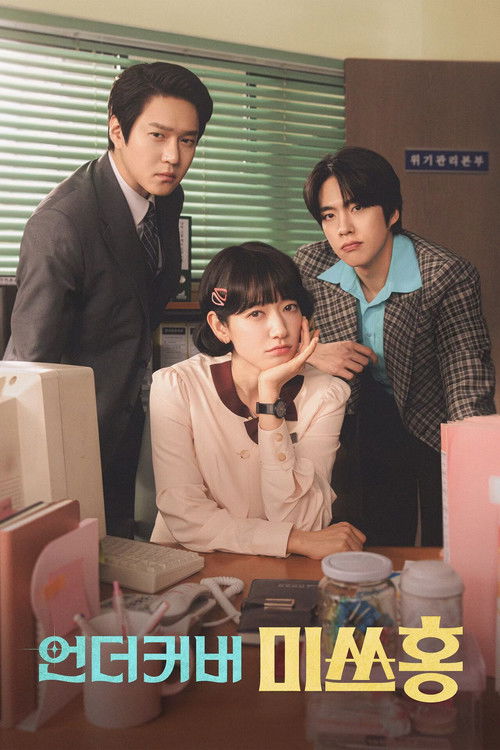
When Undercover Miss Hong debuted on January 17, 2026, it arrived with the kind of understated confidence that often precedes a sleeper hit. The tvN and Netflix collaboration premiered to modest initial viewership, but what unfolded over its 16-episode first season became a masterclass in how crime dramas could embrace comedy and heart without losing their edge. By the time the finale aired, the show had doubled its audience in just two weeks—a trajectory that spoke volumes about word-of-mouth momentum and genuine viewer investment in what was being told.
The premise itself feels refreshingly unpretentious: a woman operating undercover in the criminal underworld, navigating danger and deception while somehow maintaining her humanity. But that surface-level description doesn’t capture what made this show genuinely compelling. The creators—whose identity remains shrouded in mystery, which adds its own allure—crafted something that refused to be boxed into a single genre. This wasn’t purely a crime thriller, nor was it simply a comedy with crime elements. Instead, it existed in that rare intersection where all three elements—crime, comedy, and drama—felt equally vital to the story being told.
> The show’s willingness to shift tonal gears without feeling jarring became its greatest strength, allowing audiences to laugh at absurd moments one scene, then be genuinely moved by character vulnerability the next.
What resonated most powerfully was the character work. Rather than creating a stoic, emotionless operative archetype, the show invested deeply in Miss Hong’s interiority—her doubts, her motivations, the psychological toll of her double life. The 16-episode structure gave the narrative room to breathe, avoiding the bloat that sometimes plagues longer seasons while still allowing meaningful character development across its runtime. Each episode felt purposeful, whether it advanced the overarching plot or deepened our understanding of who these people were beneath their cover stories.
The cultural footprint this show left was particularly noteworthy. Audiences began sharing specific moments that had become iconic—the kind of scenes that generate GIFs, inspire TikTok edits, and dominate online discussions long after episodes aired. The show sparked conversations about what it means to exist in moral gray areas, whether undercover operatives maintain their authentic selves, and how comedy can coexist with genuine danger. These weren’t academic questions being posed in think pieces alone; viewers were actively debating them, drawing parallels to real-world ethics, and wrestling with the show’s implications.
The ratings journey itself tells an interesting story about how modern television audiences discover content. Starting at 5.67% for early episodes, the show experienced the kind of growth pattern that streaming platforms and traditional networks both crave but rarely achieve organically. By episode 4, the show had climbed to 7.4%, with metropolitan area viewership reaching peaks of 9%—numbers that reflected not just casual viewers but invested audiences tuning in across multiple platforms. This growth wasn’t driven by massive marketing campaigns but by genuine enthusiast recommendations, suggesting the show had struck something authentic in its storytelling.
The creative achievement here deserves deeper examination. The decision to keep episode runtimes flexible—listed as “Unknown” rather than the standard 50-60 minute constraint—suggested the creators were prioritizing storytelling integrity over conventional formatting. Some episodes may have run longer when the narrative demanded it, while others concluded when their dramatic purpose was fulfilled. This approach allowed for narrative flexibility that served the crime-comedy-drama blend particularly well, since these genres have different rhythmic requirements.
Key elements that defined the show’s approach:
- The integration of dark humor into genuinely threatening situations
- Character arcs that didn’t resolve neatly, reflecting real moral complexity
- A supporting cast equally developed and compelling as the lead
- Procedural elements that didn’t overshadow character investment
- A willingness to subvert crime drama conventions
The 7.2/10 rating, while strong, tells its own story about how audiences perceived this work. It’s not a perfect show, and viewers recognized that openly. Perhaps the tonal shifts didn’t always land flawlessly, or certain plot threads felt underdeveloped. Yet that rating reflects something important: this was a show audiences engaged with earnestly, critiquing it the way you would a friend’s work you genuinely care about—honestly, but with affection.
Now, with the show confirmed for a returning second season, we’re left contemplating what comes next. The first season established that Undercover Miss Hong could sustain viewer interest through its character work and tonal sophistication. Season two will need to expand upon these foundations while introducing new complications and dimensions. The real question isn’t whether the show can deliver more episodes—it’s whether it can maintain the delicate balance that made that first season so compelling.
What made Undercover Miss Hong worthy of your attention wasn’t just that it was good television—plenty of shows achieve that. Rather, it was a show that treated its audience’s intelligence with respect, that understood that comedy and crime and drama could coexist as equal partners, and that proved compelling storytelling doesn’t require massive budgets or familiar IP. It simply requires creators willing to trust their vision and audiences willing to take a chance on something a little different. That’s why it mattered.


![Official Trailer [Subtitled]](https://img.youtube.com/vi/ggrP-QrbkNM/maxresdefault.jpg)