When TRIGUN STAMPEDE premiered on January 7th, 2023, it arrived as something unexpected—a reimagining that dared to ask what a beloved franchise could become when given room to breathe and evolve. What unfolded across its first season was a masterclass in how animation could handle complex character work alongside visceral action sequences, all within the constraint of 24-minute episodes that somehow never felt rushed. For those of us who’d been waiting for this particular show to find its footing, watching it unfold felt like witnessing a conversation between the creators and their audience in real time.
The 7.3/10 rating, honestly, tells you something important: this isn’t a show that reaches for universal acclaim. It’s a show that reaches for specificity, and that specificity creates passionate viewers rather than casual admirers. There’s a difference, and TRIGUN STAMPEDE absolutely understands it.
What makes it stand out creatively:
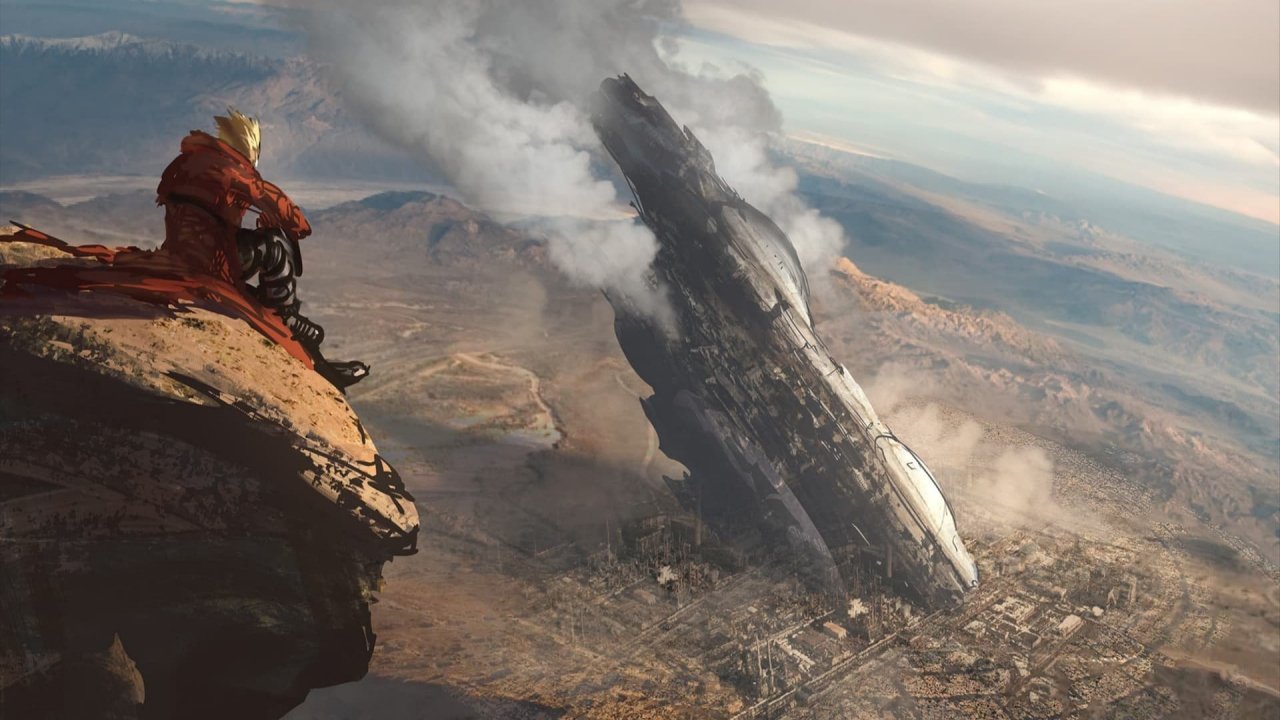
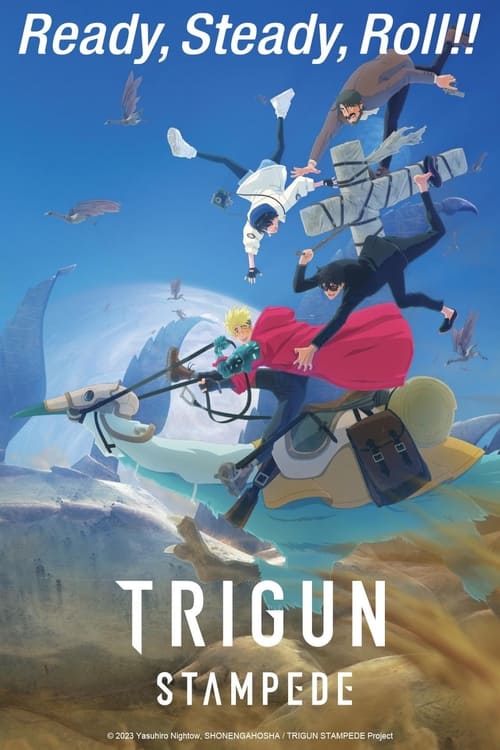
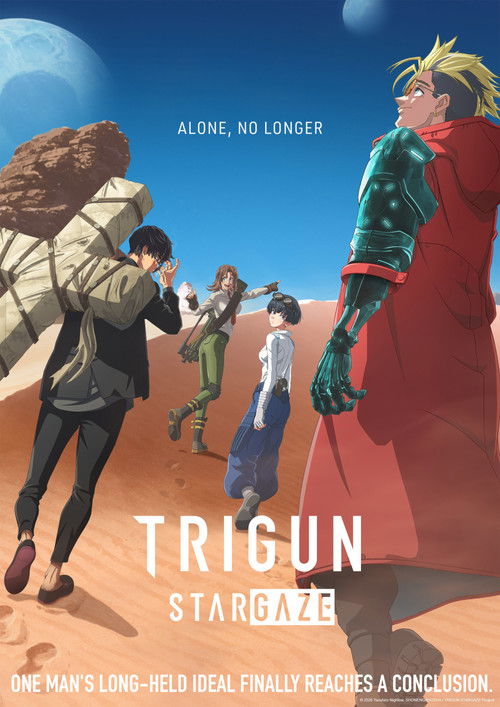
The show’s approach to the sci-fi western setting feels genuinely fresh. Rather than simply recreating the original narrative beat-for-beat, the creators chose to deconstruct their source material with intention. The animation style—gritty, kinetic, with character designs that feel grounded despite the fantastical premise—creates an atmosphere where you believe in this desert world and the moral complexity of its inhabitants.
> The genius of TRIGUN STAMPEDE lies in how it uses its runtime to explore character motivation rather than plot mechanics. Every 24 minutes counts.
Across two seasons totaling 23 episodes, the show manages something that feels increasingly rare: it treats its audience like adults capable of sitting with ambiguity. The relationship between Vash and Wolfwood, the mystery surrounding Knives, the nature of what these characters are fundamentally wrestling with—none of these receive easy answers. And that’s precisely why people kept talking about it.
The story’s evolution:
The first season functions almost as a deconstruction of the “man with a gun” archetype, asking what it means to carry destructive power while clinging to pacifism. It’s a tense premise that the show executes with genuine philosophical weight. By the time you reach season two, the narrative pivots to explore broader questions about free will, identity, and whether redemption is even possible for certain transgressions.
- Season 1 establishes the world and characters with deceptive lightness
- Season 2 dismantles much of what season 1 built, forcing characters to reckon with consequences
- The pacing allows each episode to breathe, avoiding the trap of exposition-heavy storytelling
The cultural conversation:
What TRIGUN STAMPEDE did that surprised many observers was spark genuine discussion about anime remakes and reboots. In an era where nostalgia drives much of entertainment, this show argued that you could respect source material while fundamentally challenging its assumptions. Fans debated whether certain changes worked, whether the tonal shifts landed, whether the ending truly satisfied the narrative promises made along the way. That debate is healthy. That debate means the show mattered.
The show also created several moments that became iconic within anime fandom—specific scenes, character choices, and visual compositions that people screenshot, analyze, and return to. These weren’t manufactured moments designed for social media virality; they emerged organically from genuine storytelling choices that audiences recognized as significant.
The technical achievement:
Animation quality across 23 episodes is genuinely impressive, especially for a show that premiered in early 2023. The action sequences don’t feel constrained by budget limitations; instead, they feel designed around what the medium does best. The 24-minute runtime becomes an asset rather than a limitation—the creators clearly understood how to structure narrative arcs that don’t overstay their welcome or feel truncated.
The character animation deserves special mention. In quieter moments between action beats, the animators captured micro-expressions and physical tells that informed emotional subtext. This matters enormously for a show trying to explore internal character conflict.
Why it endured:
TRIGUN STAMPEDE‘s status as a Returning Series suggests the creators and network believed there was more story to tell. That confidence feels earned. The show’s 7.3 rating, while not astronomical, represents a dedicated viewership that actively engaged with what was being presented. This isn’t a show that aimed for mainstream appeal; it aimed for meaningful storytelling within its chosen genres—animation, action & adventure, sci-fi & fantasy—and succeeded at that more limited but more artistically honest goal.
For those discovering it now on Hulu or Crunchyroll, the experience feels surprisingly complete even as it waits for continued development. Each episode respects your time while building toward larger thematic concerns. The show trusts that the audience will sit with discomfort, moral ambiguity, and visual style that prioritizes mood over clarity.
What TRIGUN STAMPEDE demonstrates, ultimately, is that there’s still room in television for shows that refuse easy categorization—that blend philosophical inquiry with spectacular visuals, that challenge rather than comfort. In a landscape increasingly dominated by content designed for passive consumption, that feels genuinely significant.


![Official Trailer 3 [Subtitled]](https://img.youtube.com/vi/Ma62gzFZv1A/maxresdefault.jpg)
![Promotional Video [Subtitled]](https://img.youtube.com/vi/WOX-ylEhOYE/maxresdefault.jpg)
![Official Trailer 4 [Subtitled]](https://img.youtube.com/vi/lcFWdVqh3Xs/maxresdefault.jpg)
![Official Trailer 2 [Subtitled]](https://img.youtube.com/vi/CjtssO7s6Oc/maxresdefault.jpg)
![Official Trailer [Subtitled]](https://img.youtube.com/vi/AzZYXqUdp5o/maxresdefault.jpg)