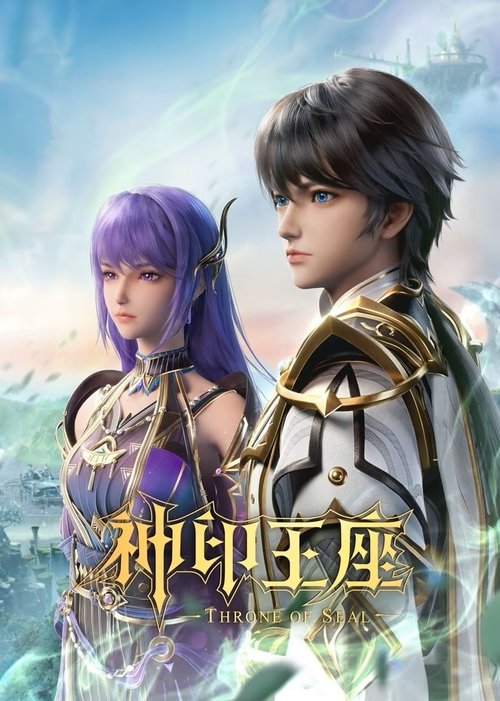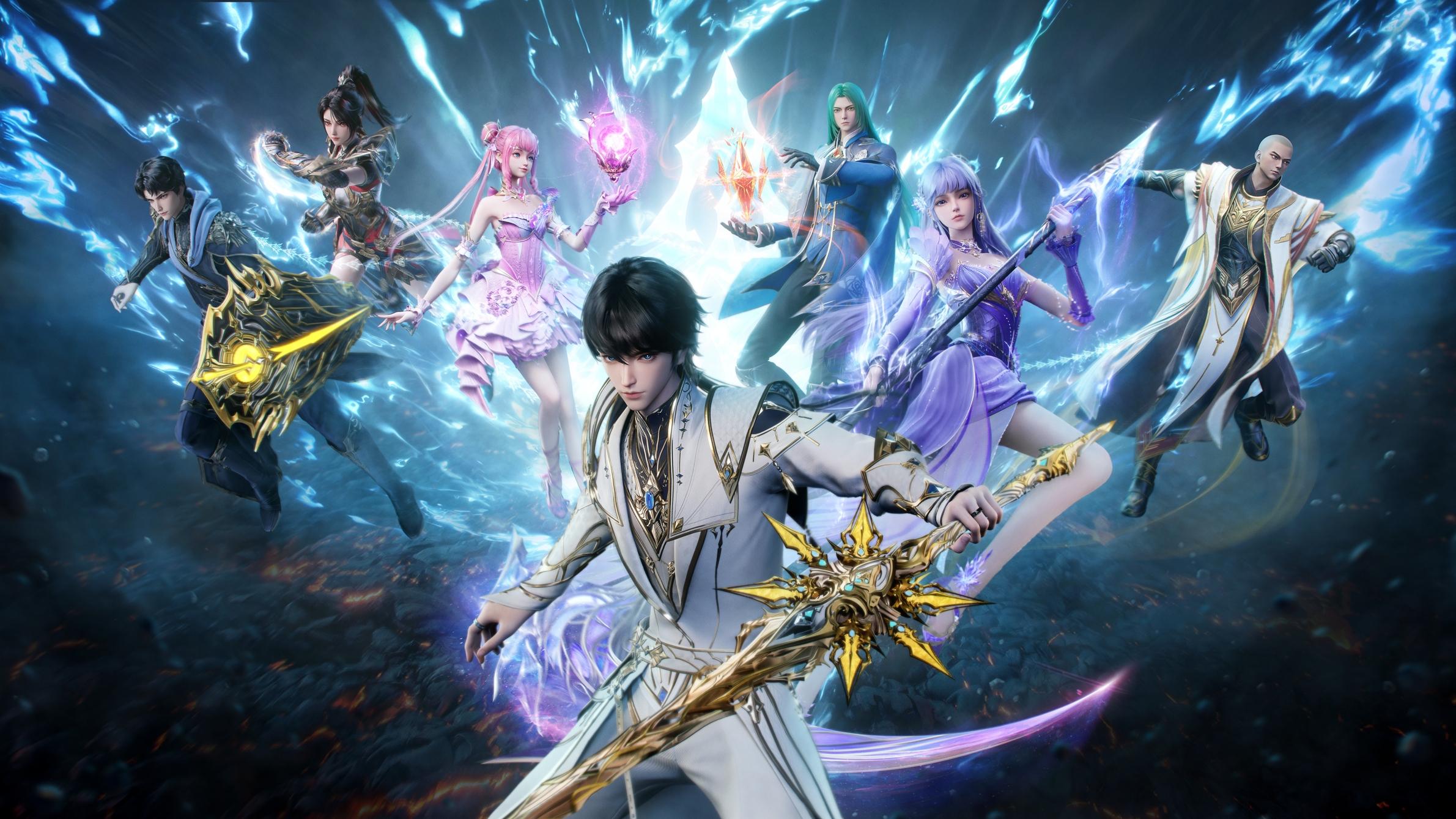
When Throne of Seal premiered on April 28th, 2022, it arrived with the kind of ambitious vision that doesn’t always translate well to screen, yet somehow, creator Tang Jia San Shao pulled it off. Here’s a show that managed to sustain itself across a staggering 208 episodes in a single season—a format that could easily have collapsed under its own weight—yet audiences kept coming back, awarding it an impressive 8.8/10 rating that speaks to genuine connection rather than casual viewership. What we’re looking at is a masterclass in how to structure a long-form animated narrative when you truly understand your material.
The premise itself has that perfect blend of personal stakes and epic scope that makes fantasy storytelling sing. A young boy named Haochen enters a temple with a singular, emotionally grounded goal: to save his mother. But the show never lets us forget that this intimate mission becomes intertwined with something far greater—his journey toward becoming the strongest knight and inheriting the throne.
That duality is what separates Throne of Seal from countless other “chosen one” narratives that have flooded streaming platforms. The personal motivation anchors everything, making even the grandest battle sequences feel earned rather than obligatory.
What’s particularly clever about how this series operates is its relationship with the 15-minute episode format. Rather than treating these bite-sized chunks as constraints, the creative team weaponized them. Each episode delivers a complete beat—character development, action, emotional resonance—without the bloat that often comes with longer runtime episodes. This format forced precision in storytelling. There’s no time for meandering dialogue or unnecessary exposition dumps; every scene had to justify its existence.
> The show’s ability to balance action-adventure spectacle with genuine dramatic weight became its calling card.
Consider how the series introduces us to Haochen’s world: young, vulnerable, thrust into circumstances far beyond what he’s prepared for. Early on, while training in the woods, he encounters a mysterious girl under attack by Wolf demons. This sequence establishes everything we need to know—his courage, his instinct to protect others, his growing power. These aren’t just cool action moments; they’re character-building scenes that inform every decision he makes moving forward. That’s the kind of efficient storytelling that the 15-minute format almost demands, and it becomes the show’s greatest strength.
The animation itself deserves recognition as part of the storytelling toolkit. Working within what was presumably a moderate budget—as is typical for ongoing serialized anime—the production team made smart choices about where to invest visual effort. The action sequences are dynamic and engaging, while quieter character moments are allowed to breathe with simpler but effective animation. This isn’t the flashy, constantly impressive animation of a theatrical release; it’s the intelligent resource management of a show that knew it needed to sustain quality across 208 episodes.
The cultural impact of Throne of Seal manifested in interesting ways once it launched on Crunchyroll and became accessible to Western audiences. Online communities began forming around specific character moments and plot developments, with fans debating character arcs and philosophizing about the series’ approach to power and responsibility. Certain episodes became talking points—moments where the show surprised viewers with emotional depth or unexpected character revelations. For a series that could have been dismissed as “just another anime,” it carved out genuine cultural conversations.
What makes the show’s Returning Series status particularly meaningful is that it suggests the platform and creator believe there’s more story worth telling. After sustaining 208 episodes worth of narrative momentum, the fact that production continues speaks to audience investment. This wasn’t a show that burnt bright and fast; it built something sustainable, something that viewers wanted to see continue evolving.
Tang Jia San Shao’s creative vision clearly understood something fundamental about adaptation: respect your source material while recognizing that animation operates under different rules than prose or comics. The pacing, the character focus, the balance between intimate character moments and world-building spectacle—these all feel intentional rather than accidental. There’s a clarity of vision running through the entire series.
- The strength of character motivation – Every arc connects back to Haochen’s central goal
- Strategic use of mysterious figures – The girl in the woods, shadowy antagonists, all building intrigue
- Consistent tonal balance – Action sequences never overshadow emotional beats
- Long-form narrative patience – The series trusts viewers to invest in gradual character development
What ultimately makes Throne of Seal worth your time is that it respects both the medium and the audience. It doesn’t try to be everything; it commits to being one thing exceptionally well. Whether you’re drawn in by the action-adventure elements, the character drama, or the sci-fi/fantasy worldbuilding, there’s something substantial waiting. The 8.8 rating isn’t inflated by nostalgia or fan loyalty—it’s earned through consistent execution across more than 200 episodes. That kind of sustained quality is rarer than it should be, which is precisely why this show deserves the attention it’s been getting since its debut.