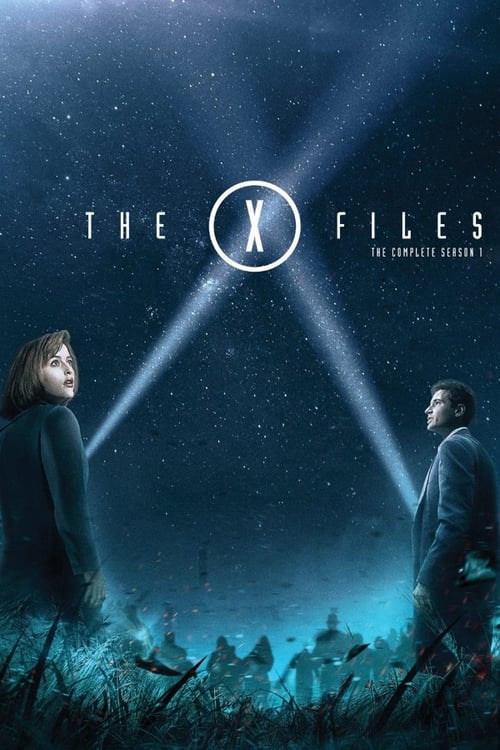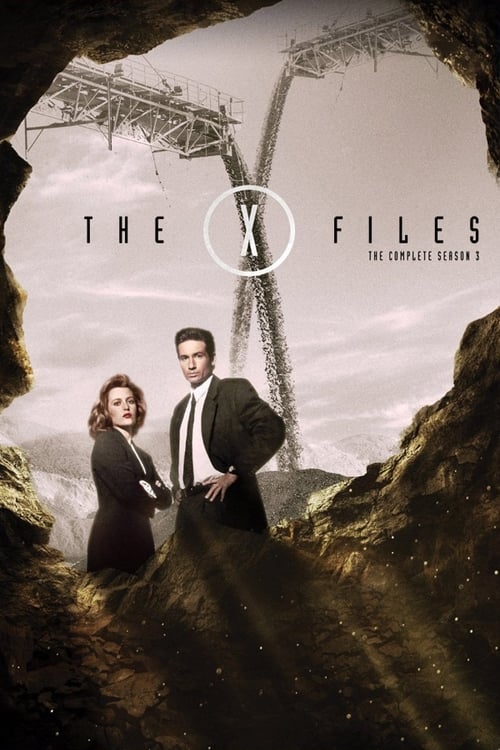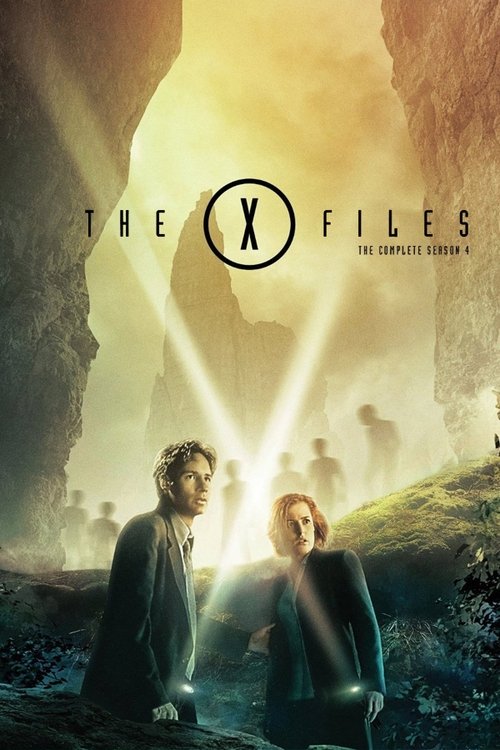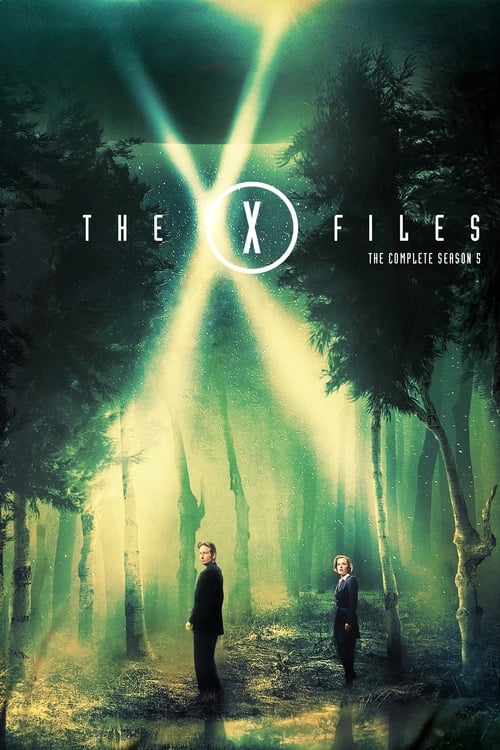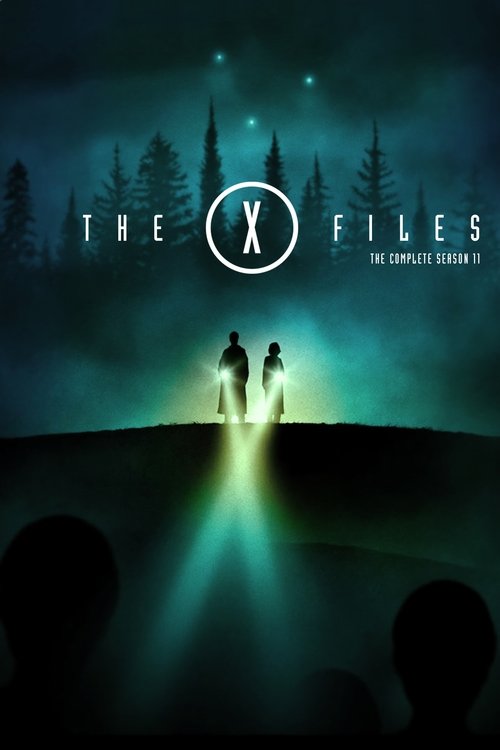
When The X-Files debuted on September 10, 1993, few could have predicted it would fundamentally reshape how television approached serialized storytelling. Chris Carter created something that didn’t quite fit into any existing mold—part procedural crime drama, part science fiction epic, part paranoid thriller—and in doing so, he opened a door that the entire industry would walk through for decades to come. What emerged was a show that would eventually rack up 218 episodes across 11 seasons and maintain an impressive 8.4/10 rating, proving that audiences had an appetite for something far more complex than traditional network television typically offered.
The brilliance of The X-Files lay in its structural DNA. At its heart was a deceptively simple premise: FBI agents Mulder and Scully investigate unexplained cases while battling both literal monsters and the bureaucratic machinery determined to silence them. But Carter wove together several storytelling threads that created something genuinely new:
- Monster-of-the-week episodes that functioned as self-contained horror stories
- Mythology episodes that slowly revealed an elaborate conspiracy spanning governments and alien races
- Character-driven narratives that deepened our investment in Mulder and Scully’s partnership and personal demons
- Serialized mystery that rewarded viewers for staying committed across seasons
This approach meant that The X-Files could be simultaneously accessible and demanding. You could drop into any episode and enjoy a creepy thriller, but if you stuck around, you’d discover an intricate mythology that revealed itself gradually, sometimes frustratingly, across years of storytelling.
> The show trusted its audience in a way that few network dramas dared at the time. It was willing to ask questions it wouldn’t answer for seasons, to introduce mythology elements that wouldn’t pay off for years, and to trust that viewers would stay invested through both brilliant and stumbling episodes.
What made The X-Files truly revolutionary was how it influenced the television landscape. Before streaming and prestige cable drama, this network show demonstrated that audiences would follow complex narratives week after week. Shows like Lost, Fringe, and later Manifest owed a clear debt to Carter’s template. The cultural conversation it sparked extended far beyond television critics—it became a phenomenon that influenced how we discussed government transparency, scientific skepticism, and the nature of truth itself during an era when those conversations were increasingly loaded with conspiracy thinking.
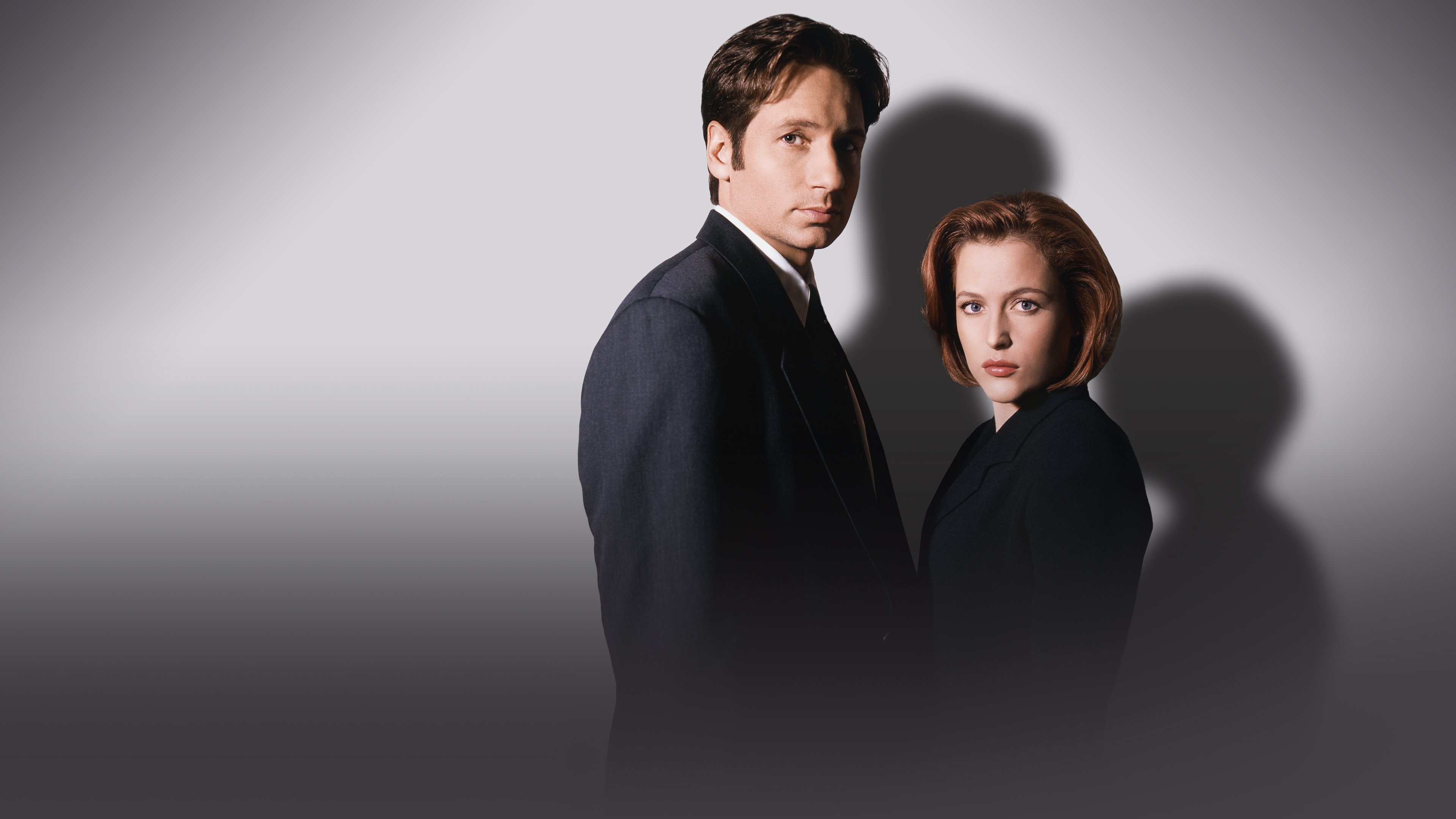
The show’s most iconic pairing worked because of the dynamic tension between its leads. Mulder’s open-minded obsession with the paranormal and Scully’s scientific skepticism created a natural philosophical conflict that never felt contrived. Their chemistry transformed what could have been a gimmicky premise into something genuinely moving. The episodes that worked best weren’t always about aliens or monsters—they were about these two characters learning to trust each other while the world tried to tear them apart.
Speaking of memorable episodes, the show produced some genuinely unforgettable television. Episodes like the one where Vince Gilligan (who would later create Breaking Bad) co-wrote about a serial killer whose murders recur every 30 years showcase the show’s range. Gilligan’s contributions elevated the entire series, bringing a visceral darkness and character focus that influenced how the show evolved. The early seasons particularly—when ratings were robust and the mythology still felt genuinely mysterious—produced some of the finest genre television ever made.
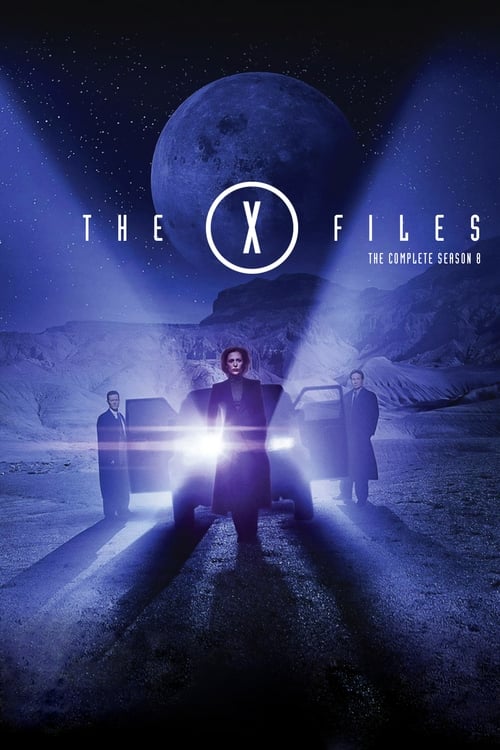
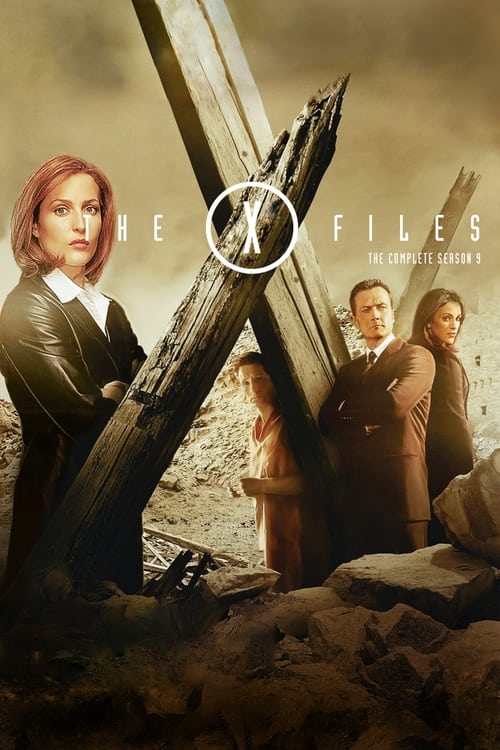
The ratings graph tells an interesting story of the show’s evolution. The early seasons had viewers invested at unprecedented levels, but as the mythology deepened and occasionally stumbled, some audiences drifted away. Seasons 8 and 9 in particular saw significant viewership drops as the absence of lead character Mulder created a narrative gap that struggled to close. Yet even with these fluctuations, the show maintained enough quality and devoted fandom to warrant revival movies and eventually a brief return in 2016-2018, proving that The X-Files had transcended the traditional metrics of success.
What’s remarkable about The X-Files in retrospect is how its approach to pacing and episode runtime—variable and flexible—actually served the storytelling rather than constraining it. An episode could breathe as long as it needed to, whether that meant a quick 40-minute monster hunt or a complex mythology installation that required every second of available time. This flexibility allowed the show to adapt its narrative approach episode to episode, something that modern streaming shows have embraced but traditional network television struggled with before The X-Files proved it could work.
The show’s legacy isn’t just in its impressive episode count or its enduring rating. It’s in how thoroughly it changed what television audiences expected from their genre programming. It proved that a network drama could be simultaneously entertaining and intellectually demanding, that it could honor its audience’s intelligence while still delivering genuine scares and emotional moments. For anyone who loves mystery, science fiction, or crime storytelling, The X-Files represents a masterclass in how to sustain audience engagement across an extended narrative while maintaining creative ambition.