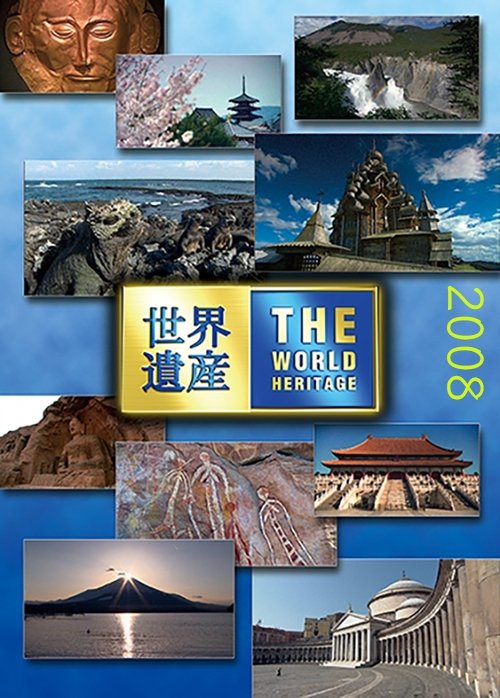
When The World Heritage debuted on TBS back in July 2014, it arrived at a fascinating moment in television—when audiences were hungry for more than just passive viewing. They wanted to be transported, educated, and genuinely moved by what they saw on screen. What made this show remarkable wasn’t just that it tackled UNESCO World Heritage sites, but how it approached them with the curiosity and reverence they deserved. Over nearly a decade, it’s evolved into something genuinely special: a series that’s managed to sustain 29 seasons and over 1,200 episodes while maintaining an 8.0/10 rating that speaks to consistent quality and audience appreciation.
The real genius of The World Heritage lies in how it refused to be a conventional travel documentary. Instead of just showing us beautiful locations from a distance, the series pulled back the curtain to reveal the unsung heroes laboring behind the scenes—the conservators, engineers, and master craftspeople whose work goes almost entirely unnoticed. This shift in perspective changed everything. Suddenly, these weren’t just monuments to admire; they were living, breathing ecosystems of human dedication and expertise.
Why this approach resonated so deeply:
- It humanized heritage preservation in a way few documentaries had before
- It showcased the technical mastery required to maintain these sites
- It positioned viewers as witnesses to ongoing, real-world conservation efforts
- It sparked genuine conversations about cultural responsibility and stewardship
Consider the scope of what this series accomplished. With 1,216 episodes across 29 seasons, The World Heritage essentially created an ongoing visual encyclopedia of human achievement across the globe. That’s not a small feat—maintaining that level of production quality and narrative freshness for that long requires serious creative discipline. The fact that it’s returned as a continuing series speaks volumes about TBS’s confidence in the format and audiences’ insatiable appetite for these stories.
The documentary format proved to be the perfect vehicle for exploring these themes. Without the constraints of fictional drama or the need for manufactured conflict, the show could let the genuine stakes speak for themselves. Whether exploring the intricate restoration work in Prague’s secret spaces or examining how ancient engineering principles continue to protect modern cities, each episode revealed layers of complexity that scripted television simply couldn’t match. The stories found within World Heritage sites are inherently cinematic—they contain real tension, real human drama, and real consequences.
> These aren’t just tourist destinations. They’re testaments to human ingenuity, cultural identity, and our collective responsibility to future generations.
What’s particularly striking is how The World Heritage managed to thread the needle between accessibility and depth. The series didn’t talk down to its audience, yet it made complex conservation work understandable and compelling. Whether you were a UNESCO scholar or someone just discovering these sites for the first time, the show had something to offer. That democratic approach to storytelling is rarer than you’d think, and it’s a significant part of why audiences kept coming back.
The cultural impact:
- Elevated public awareness about heritage preservation as an ongoing, contemporary endeavor
- Created iconic moments around specific sites and the people protecting them
- Influenced how other networks approached documentary storytelling about cultural landmarks
- Sparked broader conversations about who gets to decide what heritage matters
The influence of The World Heritage extends beyond its immediate viewership. It essentially helped establish a template for how television could engage with institutional and environmental storytelling without feeling didactic. It proved that audiences were hungry for substance, that they wanted to understand not just what these sites were, but why they mattered and how they were being preserved. That shifted the conversation across the documentary landscape.
The unknown creator(s) behind this series made a bold choice: to trust the material itself. Rather than imposing a heavy-handed narrative voice or relying on melodrama, the show let the work of preservation speak for itself. That restraint is its own form of artistry. Combined with variable episode runtimes that allowed stories to breathe naturally rather than conform to artificial lengths, the series demonstrated that great documentary doesn’t need a formula—it needs purpose and integrity.
For a show to maintain both critical respect and audience engagement across 29 seasons is extraordinarily rare. That 8.0/10 rating isn’t just a number; it represents consistency, reliability, and genuine viewer satisfaction. In an era when most television shows either burn out or get canceled before finding their footing, The World Heritage stands as a testament to the enduring power of thoughtful, respectful storytelling about subjects that genuinely matter.
If you haven’t experienced this series yet, what you’re looking at is nearly a decade of accumulated knowledge, beautiful cinematography, and human stories that remind us why we preserve anything at all. That’s worth your attention.