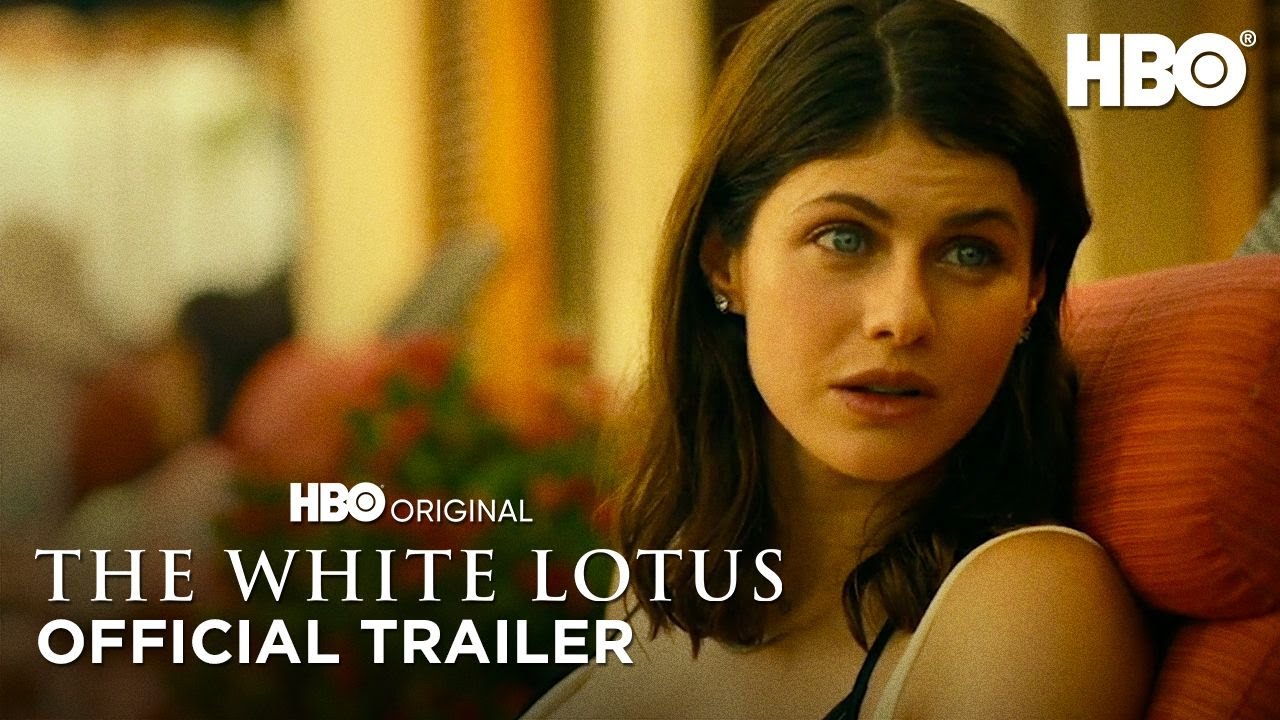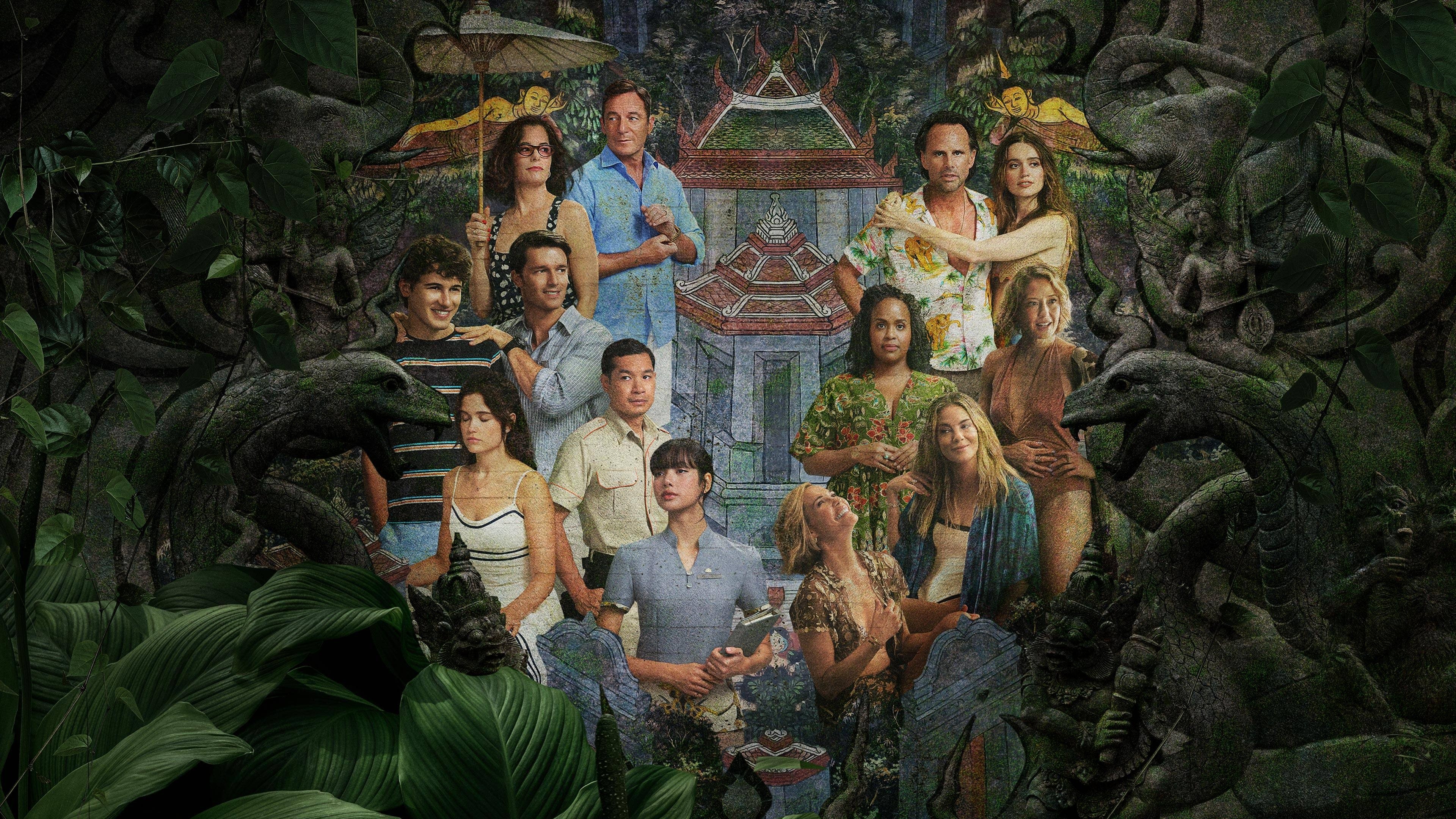
When The White Lotus debuted on HBO back in July 2021, it felt like the network had quietly dropped something that would fundamentally change how we talk about prestige television. Mike White’s creation arrived with an intriguing premise—a dark comedy mystery set at a luxury resort where something terrible is going to happen—but what unfolded was far more ambitious than a simple whodunit. Over its three seasons and 21 episodes, the show has proven itself to be one of those rare series that manages to be simultaneously entertaining, unsettling, and deeply thoughtful about the human condition.
What’s remarkable about The White Lotus is how it refuses to stay in one lane. The show operates brilliantly across genres, blending comedy, drama, and mystery in ways that feel natural rather than gimmicky. You’ll laugh at absurd moments of privilege and entitlement, then feel genuinely disturbed by the darker undercurrents bubbling beneath the surface. That tonal balancing act is incredibly difficult to pull off, yet White orchestrates it with such confidence that you find yourself constantly unsure whether you should be laughing or cringing—often both simultaneously.
The anthology structure turned out to be genius from a storytelling perspective. Each season plants you at a different White Lotus resort with an entirely new cast of characters, creating a formula that could have felt repetitive but instead feels perpetually fresh. There’s something deliciously dark about knowing that everyone in this paradise has arrived at the wrong place, that comfort and luxury are about to become entangled with human weakness, greed, and tragedy in unexpected ways.
> “The show’s willingness to interrogate wealth, privilege, and the performance of happiness has struck a chord in our cultural moment.”
The cultural conversation around The White Lotus has been genuinely significant. People didn’t just watch episodes—they theorized, debated, and obsessed over every detail. The show became a kind of cultural barometer for discussing uncomfortable truths about class, tourism, entitlement, and the ways power dynamics play out even in our supposedly most peaceful retreats. It sparked conversations about representation, about the invisible labor that keeps these spaces running, and about the ugly underbelly of vacation culture. That’s the kind of television that matters beyond just being well-made entertainment.
Key aspects that elevated the show’s impact:
- The casting choices, which brought together acclaimed actors willing to play deeply flawed, sometimes despicable characters
- The production design, which made luxury feel simultaneously inviting and claustrophobic
- The sharp, insightful writing that revealed character through dialogue and behavior rather than exposition
- The willingness to let tragedies actually happen, with real consequences that don’t get neatly resolved
White’s vision for the show demonstrates a creator who understands that television’s greatest strength is its capacity to sit with characters over time. While the episode runtimes weren’t formally specified, the pacing suggests White had the freedom to let scenes breathe, to linger on uncomfortable moments, and to develop tension gradually. That’s storytelling confidence—trusting that audiences will stay engaged as mysteries unfold.
The show’s 7.6/10 rating is interesting because it doesn’t capture the full picture of what The White Lotus has become culturally. The rating reflects, perhaps, that not every storyline lands with equal impact for every viewer, or that some found certain elements heavy-handed. But that score shouldn’t diminish what the show achieved—it’s a testament to how specific and uncompromising White’s vision is. This isn’t a show trying to please everyone; it’s a show interested in provoking thought and discomfort, which naturally creates more divisive responses than safer programming.
What each season brought to the table:
- Season One established the formula and introduced us to the mysterious setup that would define the series
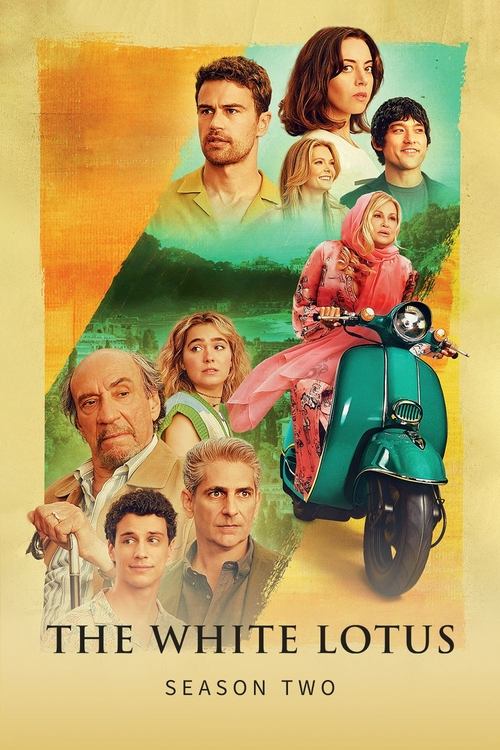
- Season Two took the anthology concept to new heights, shifting geography and exploring different power dynamics
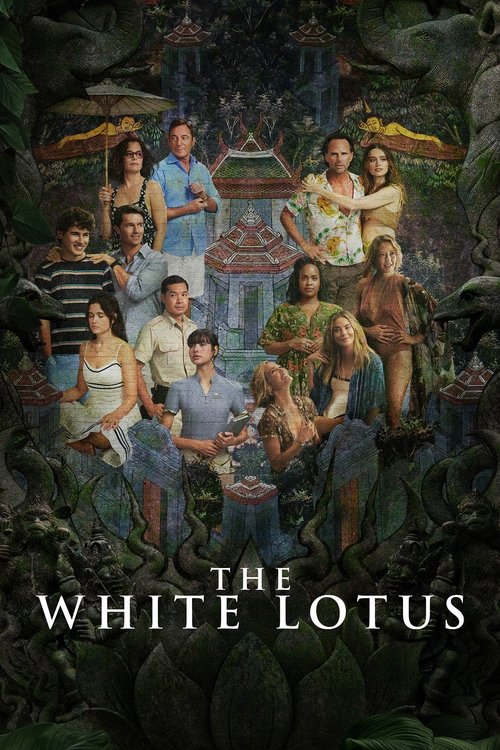
- Season Three continued evolving the concept while deepening our understanding of what White was attempting thematically
What makes The White Lotus endure is its refusal to offer easy answers or redemptive arcs. The show trusts viewers to sit with moral ambiguity, to recognize themselves in flawed characters, and to confront uncomfortable truths about complicity and privilege. In an era where much television feels designed to comfort rather than challenge, that approach stands out.
The fact that the series has been announced as returning means we’re getting more of this world, more mysteries, more uncomfortable vacations at doomed resorts. It’s a testament to how the show has captured something audiences genuinely want to see more of—not because it makes us feel good, but because it makes us feel something real. Whether it’s horror at human behavior, recognition of our own flaws, or fascination with the dark comedy of human interaction, The White Lotus delivers.
HBO clearly understood they had something special, giving White the resources and creative freedom to build something unmistakably his own. In a streaming landscape crowded with content, The White Lotus became appointment television—the kind of show people actually discussed in real time, the kind that spawned think pieces and social media theories. That’s increasingly rare and increasingly precious. If you haven’t experienced it yet, it’s worth blocking out some time. Just maybe don’t plan a vacation immediately afterward.